
 Ali Ikhwan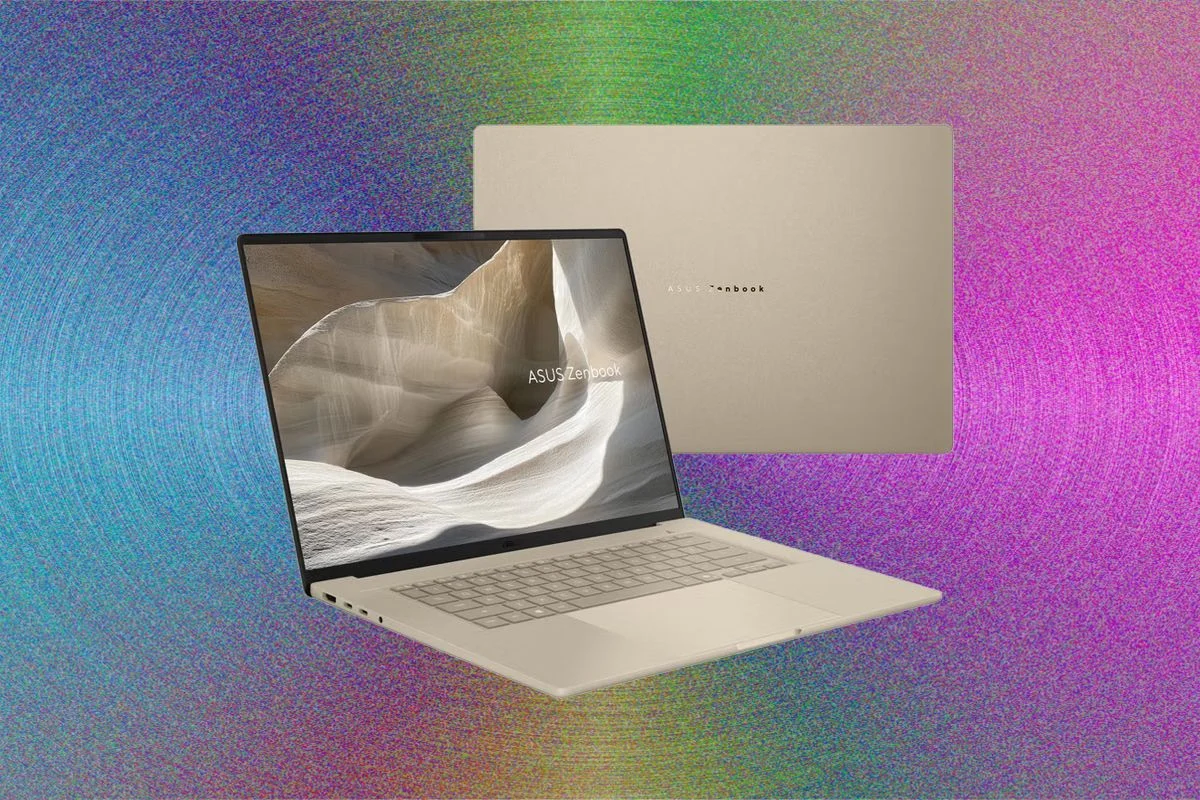
The landscape of portable computing is undergoing a fundamental shift as the second generation of Qualcomm’s dedicated PC silicon, the Snapdragon X2 Elite Extreme, makes its commercial debut within the Asus Zenbook A16. This release represents a pivotal moment for the "Windows on ARM" ecosystem, addressing several of the performance and compatibility criticisms that shadowed the initial launch of the Snapdragon X series. By prioritizing raw computational throughput and a drastically overhauled integrated graphics suite, Qualcomm and Asus are positioning the Zenbook A16 not merely as an efficient alternative to traditional x86 architecture, but as a performance leader in the premium ultrabook category.
Evolution of the Snapdragon PC Platform
The arrival of the Snapdragon X2 Elite Extreme (model X2E94100) follows a period of rapid iteration for Qualcomm. The first-generation Snapdragon X Elite was met with a mixture of praise for its battery efficiency and skepticism regarding its real-world utility. Early adopters frequently cited software compatibility layers—required to run legacy x86 applications on ARM architecture—as a source of latency. Furthermore, while the first-generation chips featured robust Neural Processing Units (NPUs) designed for artificial intelligence workloads, the practical application of these features remained limited as the majority of AI processing continued to occur in the cloud rather than on-device.
With the X2 generation, the engineering focus has shifted toward closing the "performance gap" in traditional productivity and creative tasks. The Zenbook A16 serves as the primary vessel for this new strategy, combining high-density memory configurations with a chassis designed to dissipate heat more effectively than its predecessors. This transition marks a move away from the "AI-first" marketing narrative toward a "performance-first" reality, where benchmarks in standard computing tasks are used to justify the platform’s premium positioning.
Technical Specifications and Chassis Innovation
The Asus Zenbook A16 is defined by a balance of high-end internal components and experimental material science. Under the hood, the Snapdragon X2 Elite Extreme X2E94100 is supported by 48 GB of LPDDR5X RAM, a significant overhead that facilitates complex multitasking and memory-intensive creative applications. Storage is handled by a 1-TB PCIe 4.0 NVMe SSD, ensuring high-speed data access.
The external design of the Zenbook A16 utilizes Asus’s proprietary "Ceraluminum" technology. This material, a ceramic-aluminum hybrid that now incorporates magnesium elements, allows the device to maintain structural integrity while remaining exceptionally light. Despite its 16-inch form factor, the laptop weighs approximately 2.9 pounds and measures only 0.65 inches at its thickest point. The display is a high-resolution 2880 x 1800 pixel touchscreen, optimized for high brightness and color accuracy, catering to professional users who require portability without sacrificing screen real estate.
However, the pursuit of extreme lightness has introduced minor structural trade-offs. Technical evaluations of the chassis indicate that the thinness of the lid and the lightness of the Ceraluminum frame can result in a slight "shimmy" or oscillation of the screen when the device is adjusted or used in mobile environments. This characteristic highlights the ongoing challenge for manufacturers to balance the rigidity required for large-screen laptops with the weight-saving demands of modern ultrabooks.
Benchmarking Performance: A New Tier of ARM Computing
The most significant data points surrounding the Zenbook A16 involve its performance in standardized benchmarking suites, specifically Geekbench 6 and Cinebench 2024. These tests provide a comparative look at how the Snapdragon X2 Elite Extreme stacks up against established rivals from Intel, AMD, and Apple.
In Geekbench 6, which measures multi-core and single-core CPU performance through a variety of simulated workloads, the Zenbook A16 demonstrated a performance increase of 50 to 100 percent over comparable systems powered by Intel Core Ultra and AMD Ryzen AI 300 series processors. Most notably, the X2 Elite Extreme surpassed the scores of the Apple M4 Pro in certain multi-core configurations, a feat that establishes Qualcomm as a direct competitor to Apple’s industry-leading silicon.
.jpg)
While the Apple M4 Pro maintained a narrow lead in the Cinebench 2024 rendering benchmark—a test that heavily taxes sustained thermal performance and raw mathematical throughput—the Zenbook A16 secured a solid second-place ranking in current testing archives. This performance indicates that the Snapdragon X2 is no longer just a "mobile-first" chip adapted for laptops, but a high-performance processor capable of handling heavy computational loads.
Addressing the Graphics Bottleneck
One of the primary criticisms of the original Snapdragon X platform was its lackluster integrated graphics performance. Early models struggled with graphics-heavy workloads and were virtually incapable of running modern gaming titles at acceptable frame rates. The X2 Elite Extreme addresses this through a revamped Adreno GPU architecture.
Comparative testing reveals that frame rates on the Zenbook A16 have effectively quadrupled on average compared to the previous generation of Snapdragon X chips. While the device is not marketed as a dedicated gaming laptop, this four-fold increase in graphical power has significant implications for professional users. Tasks such as video 4K rendering, 3D modeling, and high-resolution photo editing are now significantly more fluid. Furthermore, the chip provides a "workable" experience for less demanding gaming titles, moving the platform beyond the limitations of basic office productivity.
Market Context and Industry Implications
The release of the Zenbook A16 comes at a time when the PC industry is at a crossroads. Microsoft’s "Copilot+ PC" initiative has placed a heavy emphasis on NPU performance, requiring hardware partners to meet specific TOPS (Tera Operations Per Second) thresholds. While the Snapdragon X2 Elite Extreme exceeds these requirements, industry analysts note that the software ecosystem is still catching up to the hardware.
Current trends suggest that while local AI processing is a growing field, the immediate value of the X2 Elite Extreme lies in its power-to-performance ratio. By offering performance that rivals or exceeds the best of x86 (Intel/AMD) and ARM (Apple) competitors, Qualcomm is attempting to break the long-standing duopoly of the PC market.
Industry reactions have been cautiously optimistic. Hardware analysts suggest that if Qualcomm can maintain this trajectory of 50-100% year-over-year performance gains, the transition to ARM-based Windows laptops could accelerate among enterprise clients who prioritize battery life and thermal management. However, the success of the Zenbook A16 will also depend on the continued refinement of Windows 11 on ARM, particularly regarding the Prism emulation layer, which allows the device to run software not yet natively compiled for ARM.
Chronology of Development
The path to the Zenbook A16’s launch can be traced through several key milestones in the Qualcomm-Asus partnership:
- Q4 2023: Qualcomm announces the Oryon CPU architecture, the foundation for the Snapdragon X series, promising a departure from standard ARM Cortex designs.
- Q2 2024: The first wave of Snapdragon X Elite laptops enters the market. While battery life is praised, reviews highlight mediocre graphics and software compatibility "teething" issues.
- Q3 2024: Asus reveals the Ceraluminum chassis technology, signaling a move toward premium, ultra-light professional laptops.
- Q1 2025: The Snapdragon X2 Elite Extreme is officially integrated into the Zenbook A16, marking the arrival of the second-generation silicon with a focus on addressing the previous generation’s graphical and computational weaknesses.
Conclusion and Future Outlook
The Asus Zenbook A16, powered by the Snapdragon X2 Elite Extreme, represents a maturation of the ARM-based PC. By delivering a 16-inch laptop that weighs less than three pounds while outperforming many of its heavier x86 counterparts, Asus and Qualcomm have set a new benchmark for the ultrabook category.
The dramatic improvements in integrated graphics and the significant lead in Geekbench scores suggest that the "compatibility and performance" hurdles of the past are being cleared. While the "AI PC" era is still in its infancy regarding software applications, the underlying hardware in the Zenbook A16 ensures that the device is prepared for future workloads. For the broader industry, the success of this device may serve as a catalyst for a more diverse hardware market, where architecture is secondary to the raw metrics of speed, efficiency, and portability. As benchmarks continue to validate Qualcomm’s claims, the pressure shifts to Intel and AMD to respond with architectural shifts that can match the power-per-watt efficiency now being demonstrated by the Snapdragon X2 series.







