rifanmuazin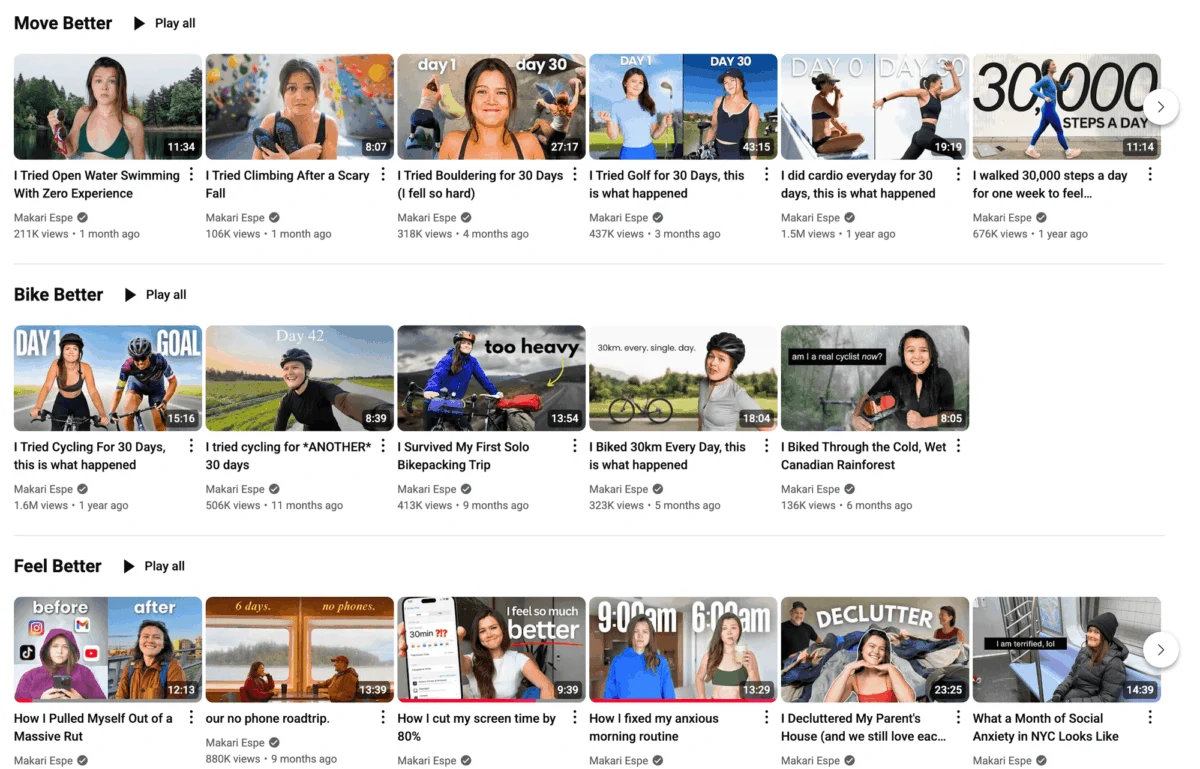
The digital landscape of YouTube continues to evolve at a rapid pace, presenting both formidable challenges and unprecedented opportunities for content creators aiming to capture audience attention. For newcomers and seasoned creators alike, the quest for increased viewership on the world’s largest video-sharing platform remains a central focus. This article delves into a robust framework of strategies, informed by platform insights, expert opinions, and analytical data, designed to significantly boost YouTube views by 2026.
The Evolving YouTube Ecosystem: A Background

Since its inception in 2005, YouTube has transformed from a simple video-hosting site into a complex social media powerhouse and a formidable search engine. With over 2.7 billion monthly active users, it is a primary source of entertainment, education, and information globally. However, this vast audience also translates into intense competition. The sheer volume of content uploaded daily necessitates sophisticated algorithmic filtering, making it increasingly challenging for videos to cut through the noise. Early YouTube success often hinged on novelty; today, it demands strategic planning, deep audience understanding, and consistent execution. The rise of the creator economy, coupled with evolving monetization models, further underscores the importance of a sustainable viewership strategy.
Strategic Content Ideation: The Foundation of Viewership
At the core of any successful YouTube channel lies a compelling content strategy. Neglecting the foundational idea in favor of production value is a common misstep. High-quality filming and editing cannot compensate for a weak topic that fails to resonate with the target audience. The goal is to identify video ideas that strike a balance between familiarity and novelty – topics that viewers are already interested in, but presented with an unexpected angle or deeper insight.
Understanding the ideal viewer is paramount. As YouTube creator Cara Nicole emphasizes, "You need to understand your ideal viewer. Ask yourself: What are they already interested in? How do they want to be talked to? What news and cultural trends are they paying attention to? That gives you a starting point for making videos that resonate." This audience-centric approach moves beyond guesswork, leveraging data and direct feedback.
Several beginner-friendly methods exist for generating powerful video ideas:
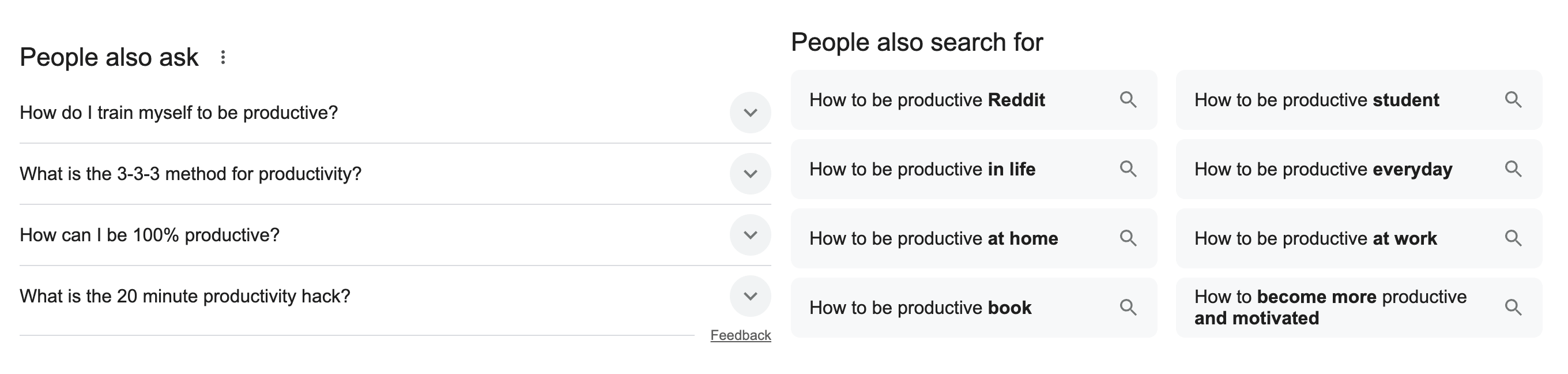
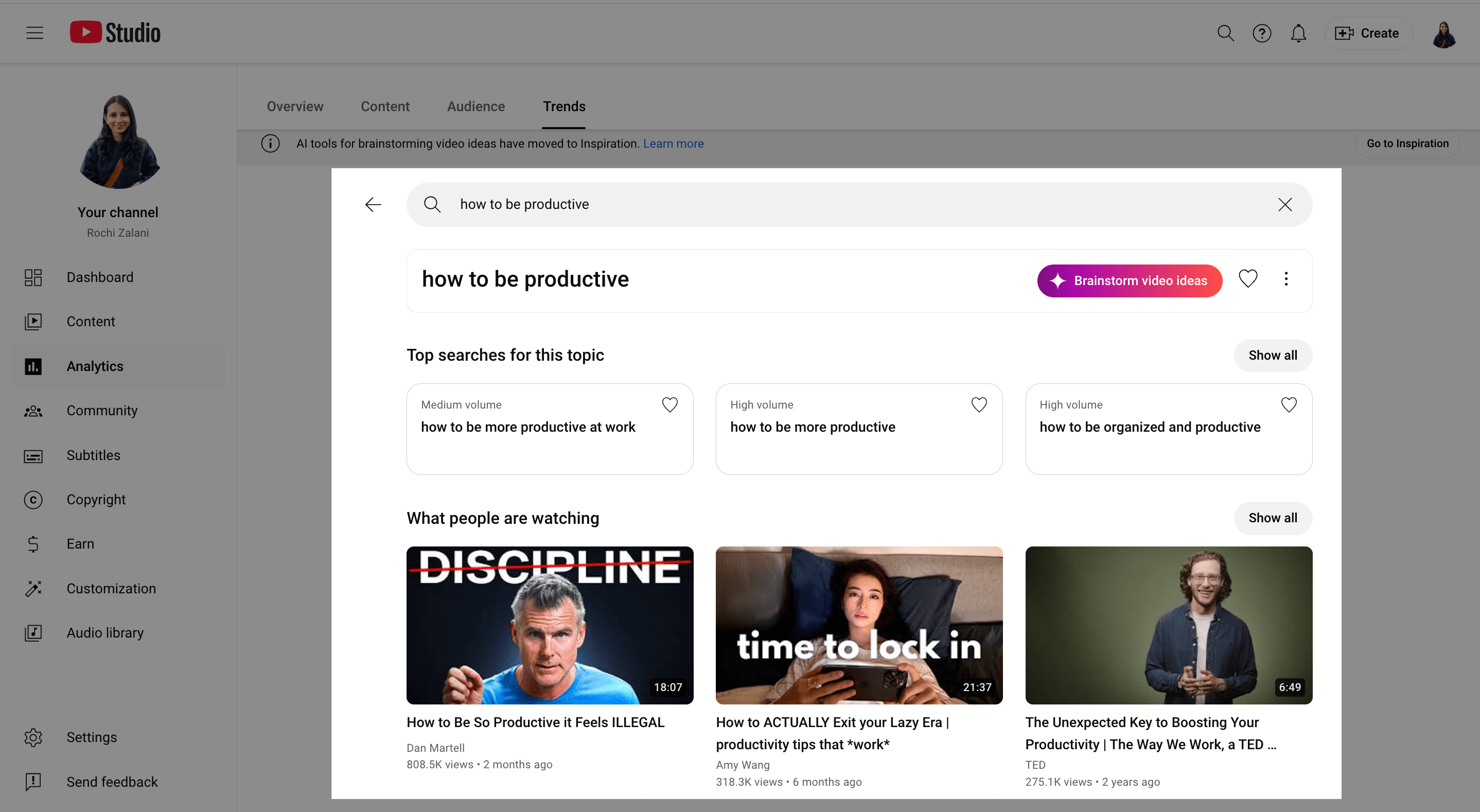
- Leveraging Search Engine Insights: Google’s "People also ask" and "People also search for" sections, accessed by typing a broad query relevant to the channel’s niche, reveal real user questions and popular related searches. For instance, a productivity creator searching "how to be productive" might discover sub-topics like "productivity while working from home" or "productivity apps for students," providing ready-made video titles. This method taps directly into audience intent.
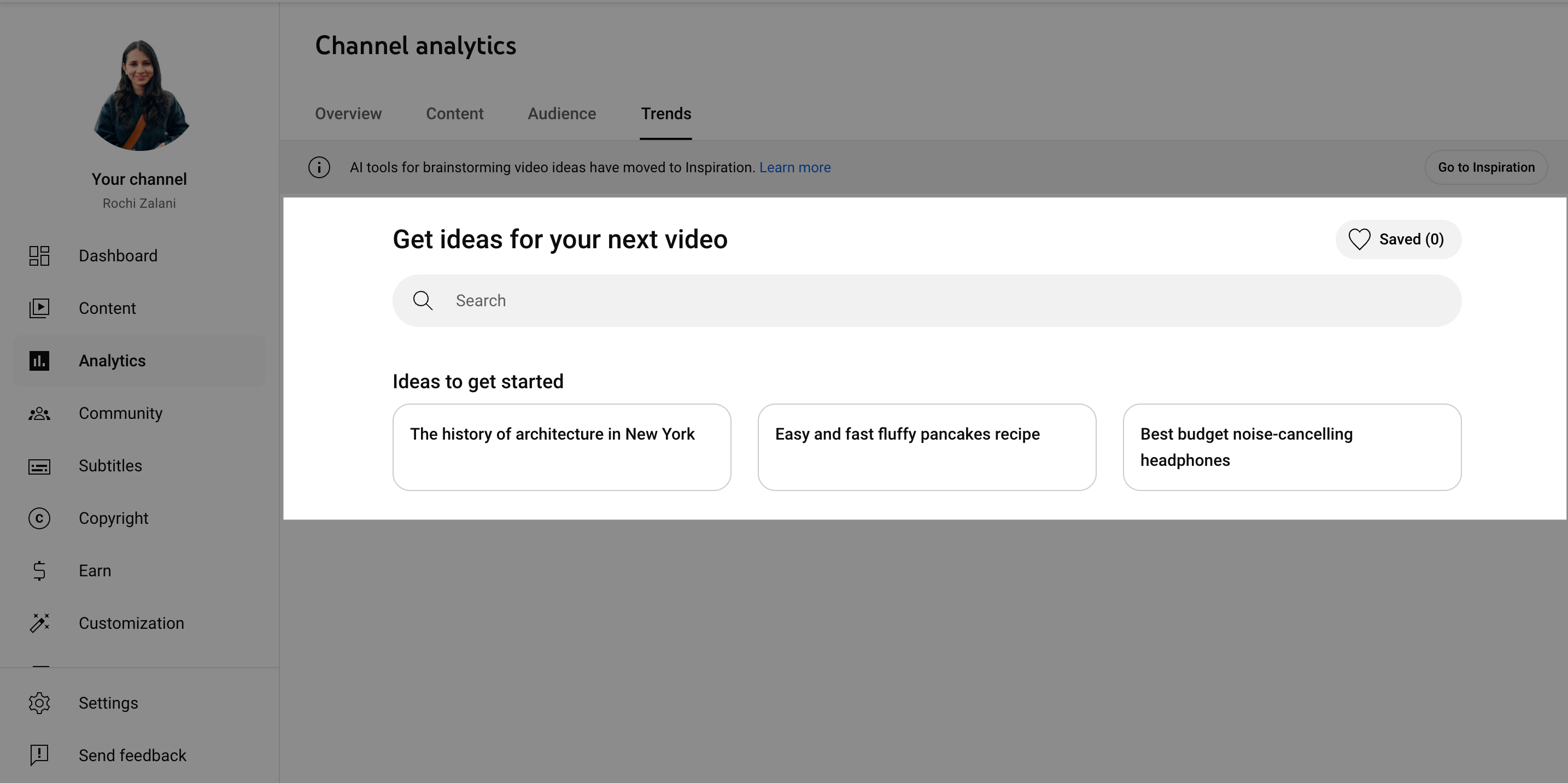
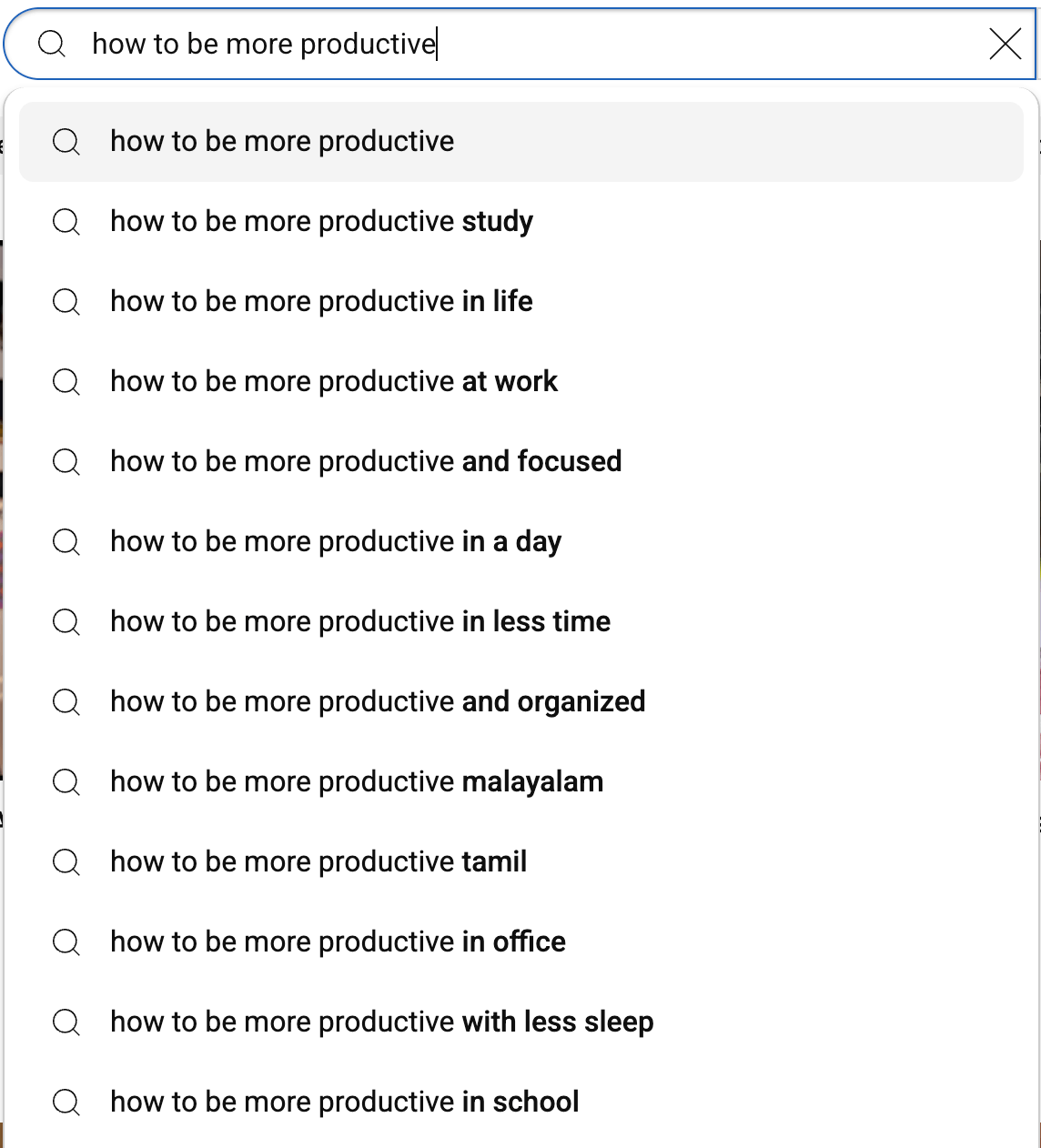
- YouTube’s Internal Analytics and Trends: The "Trends" tab within YouTube Studio’s Analytics section offers personalized content ideas based on the channel’s existing audience and past performance. While some suggestions may require filtering, this direct platform data can highlight emerging interests or reinforce successful content pillars. Furthermore, manually searching basic queries within YouTube and observing the autocomplete suggestions can reveal high-demand keywords and related video concepts.
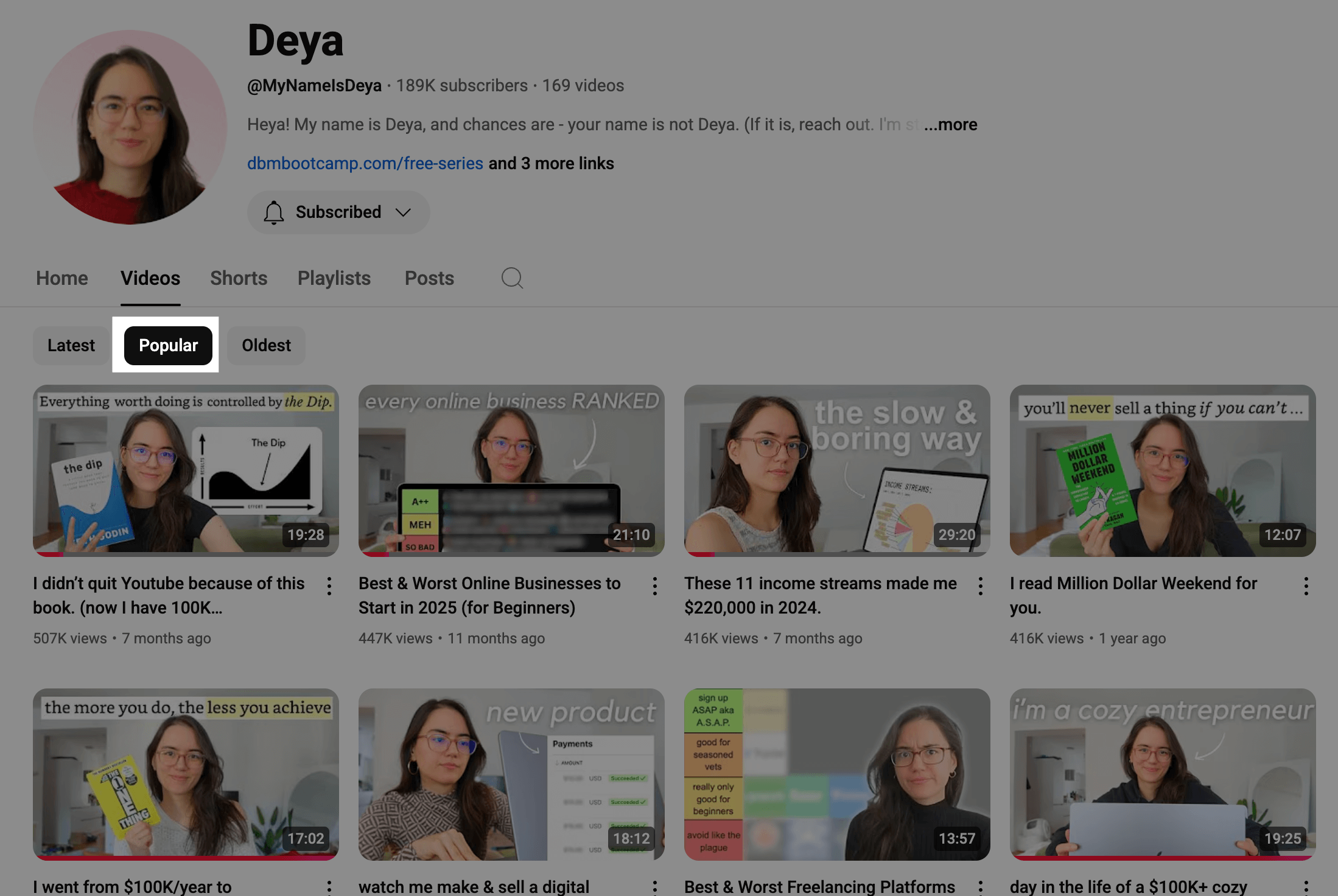
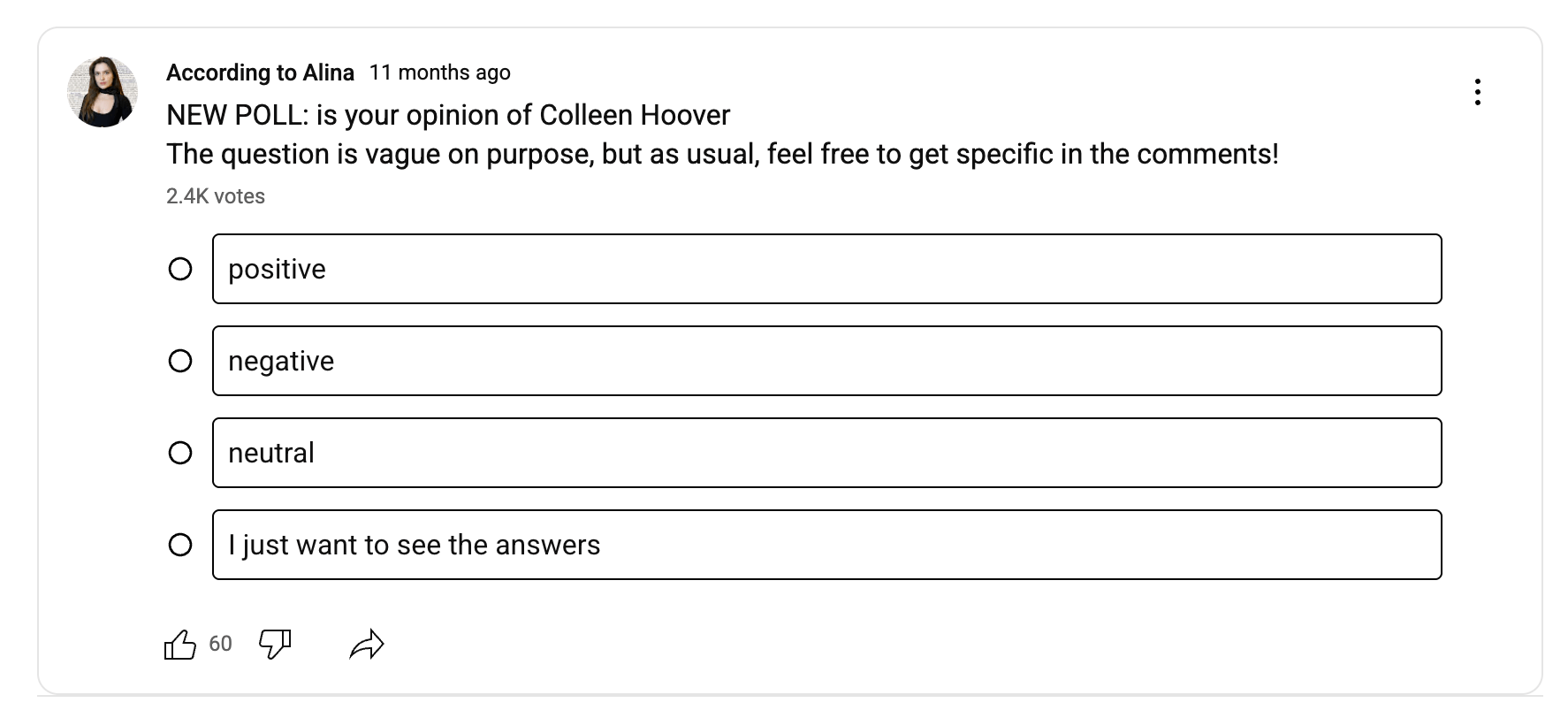
- Audience Feedback and Competitor Analysis: Directly engaging with the audience through comments on existing videos or YouTube Community posts can uncover follow-up questions and new topic interests. For channels with a nascent audience, a robust competitor analysis is crucial. By examining popular videos on competitor channels (filtered by "Popular" tab), creators can identify breakout topics that resonated strongly, often indicated by videos with more views than the creator’s subscriber count, signaling algorithmic promotion. Jade Beason, founder at Social People Agency, advises, "Look for any videos that received more views than the number of subscribers that the creator has. That’s a clear sign that it was pushed out by YouTube’s algorithm." This competitive intelligence serves as inspiration, not a template for direct imitation.
Cultivating a Unique Channel Identity
In a saturated market, differentiation is key. Simply replicating successful formats or topics is rarely effective. YouTuber Ali Abdaal advises, "Analyze the market and then find your competitive edge. Think in which domains can you stand out – for example, depth of research, storytelling, editing, relatability, or authenticity." Rene Ritchie, a YouTube employee, echoes this sentiment, stating, "What makes you different? What makes you interesting? If you’re just going to copy what somebody else does – unless you can do it so significantly better that people will just rush to you – it’s probably gonna be really hard. But if you can figure out what makes you unique, I think there are just unlimited possibilities."
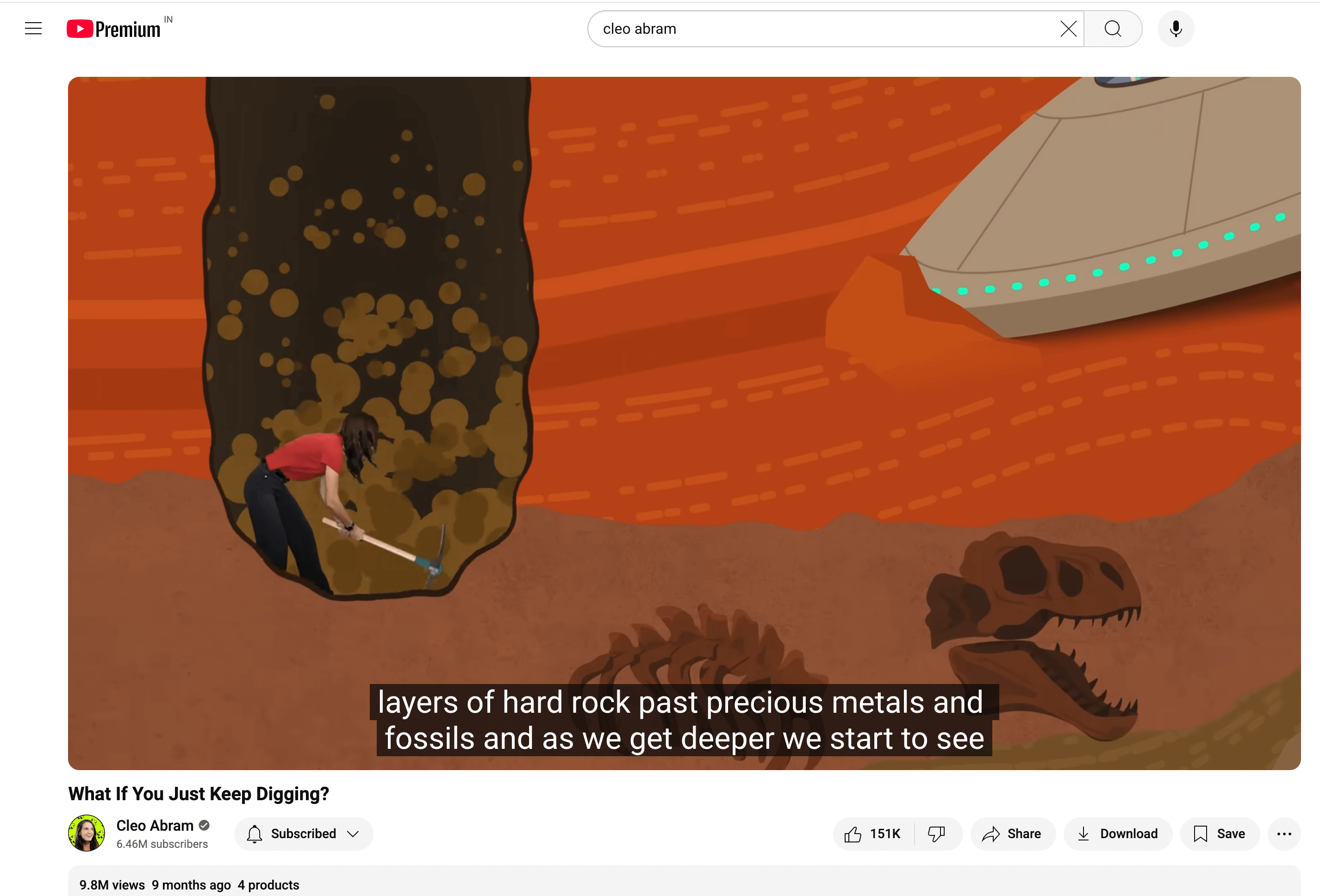
Cleo Abram’s channel, focused on optimistic tech, exemplifies this by excelling in research depth and stunning animations, making her content distinct. Another effective strategy is adapting successful formats from adjacent niches. Paddy Galloway, a YouTube consultant, notes, "So much of our success through my consulting company is by seeing what is working in different niches. What is a format that other people are not doing yet that we could bring over and adapt?" This cross-pollination of ideas can create novel and engaging content for a new audience.
Structuring for Sustained Engagement: The "TV Show" Model
YouTube’s algorithm heavily favors viewer retention and session watch time. One of the most effective ways to achieve this is by conceptualizing a channel as a "TV show" with interconnected episodes. This strategy encourages binge-watching, a powerful driver of channel growth. Rene Ritchie highlights this, stating, "Binging is probably the fastest way to grow a channel. If you start giving them a bunch of things that don’t really relate to them, it’s the equivalent of a TV show that doesn’t have consistent episodes; it’s always a different show."
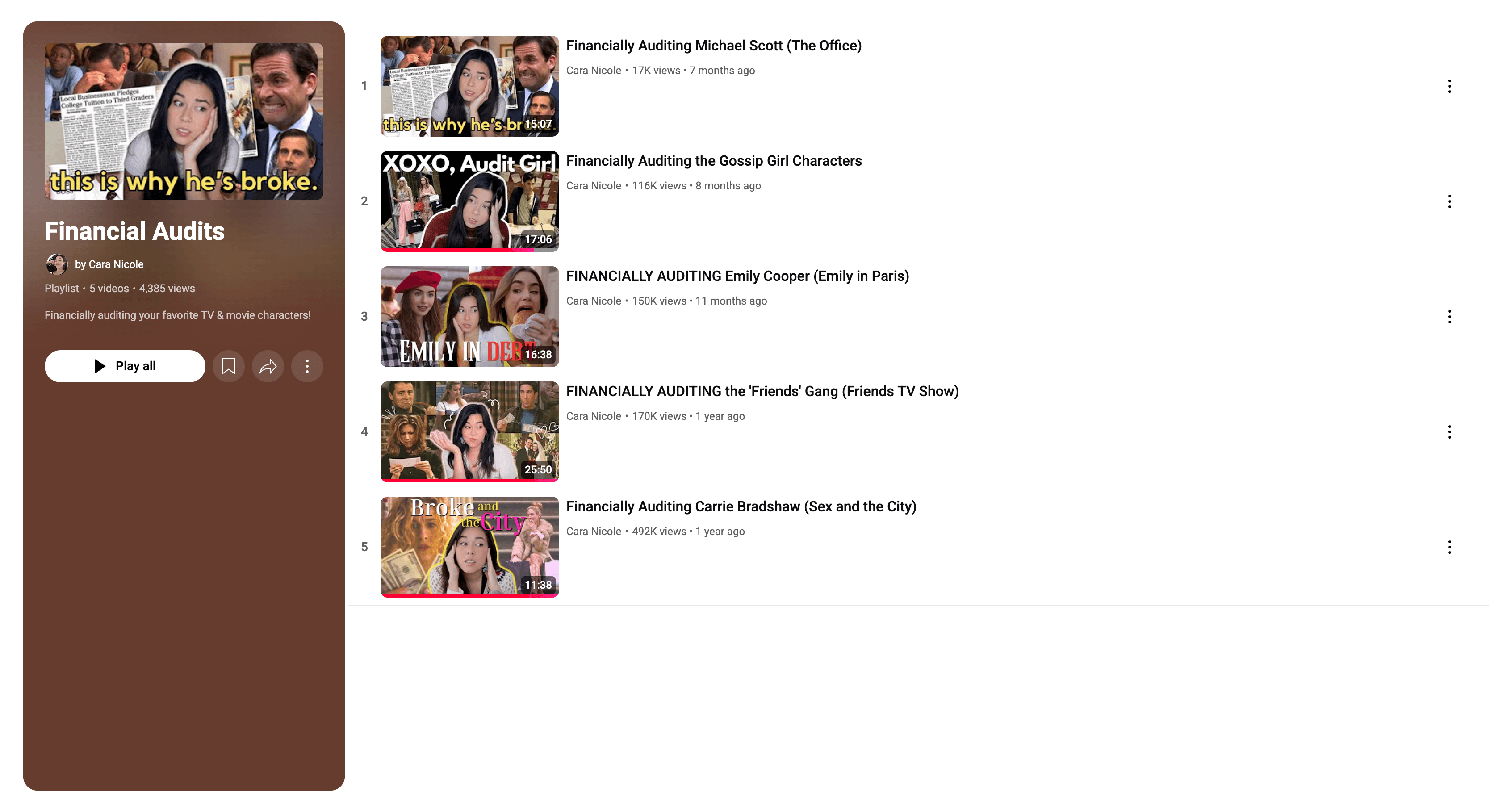
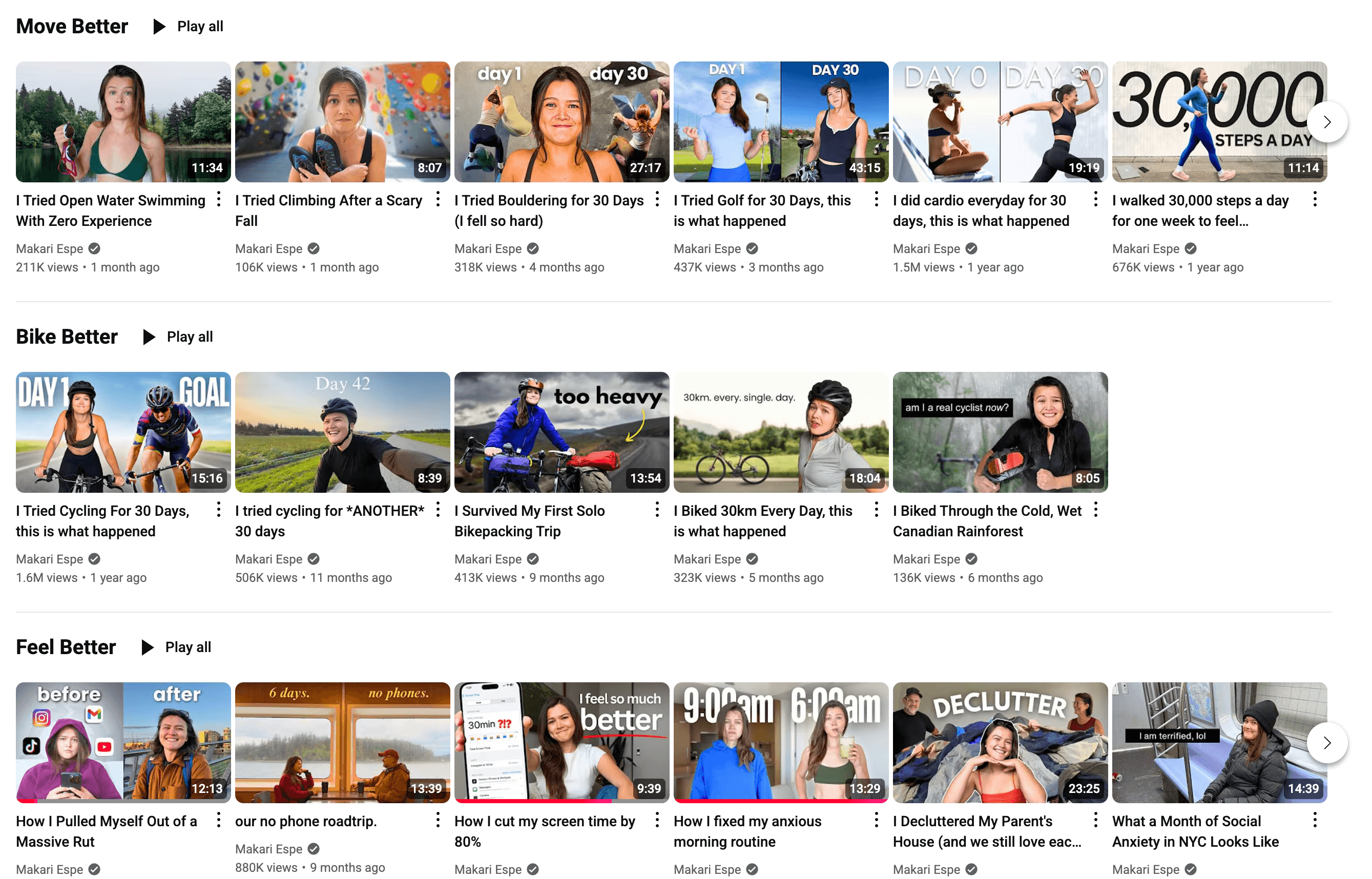
Instead of isolated videos, creators should develop content series around a cohesive theme. For example, a financial creator might create a series on "Budgeting for Beginners," followed by "Advanced Investment Strategies," and "Retirement Planning," all linked within a playlist. Cara Nicole’s "financial audit" series and Makari Espe’s "challenge" playlists are prime examples, demonstrating how sequential content builds narrative arcs and keeps viewers coming back for more. This episodic approach not only boosts watch time but also fosters a loyal community, leading to higher subscriber conversion rates.
Optimizing for Discovery: The Power of Thumbnails and Titles
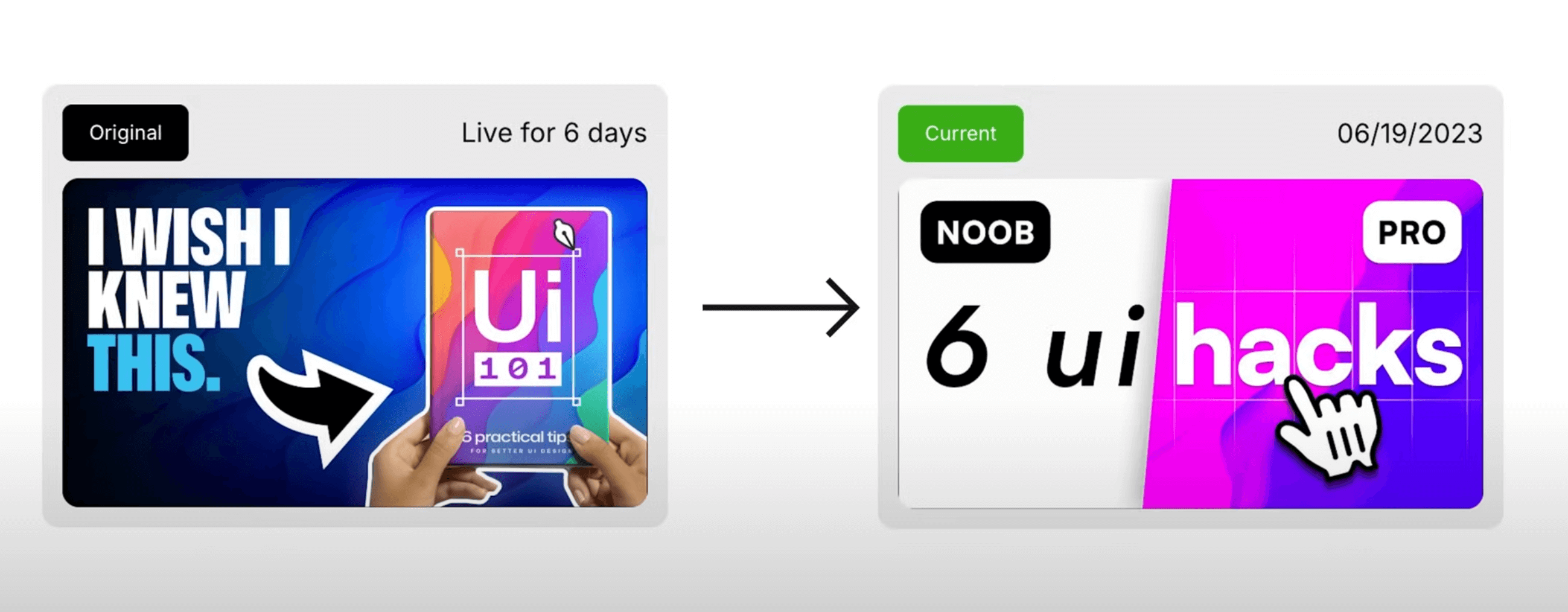
On a platform where content is largely consumed through deliberate clicks, thumbnails and titles act as critical "hooks." Regardless of video quality, a weak thumbnail and title will deter potential viewers. This initial impression is crucial for click-through rate (CTR), a key metric YouTube’s algorithm considers for promoting content. Ryan Hashemi, who managed Jubilee’s YouTube channel to billions of views, asserts, "Most teams first make a video that they think is going to be great, then scramble to find a title and thumbnail. That’s completely backwards. If you don’t have a must-click title and thumbnail before you shoot, don’t make that video. 40% of your effort should just be focused on this one step, up-front." The dramatic increase in views (40 times more per day) for Tim Gabe after a thumbnail optimization underscores this point.
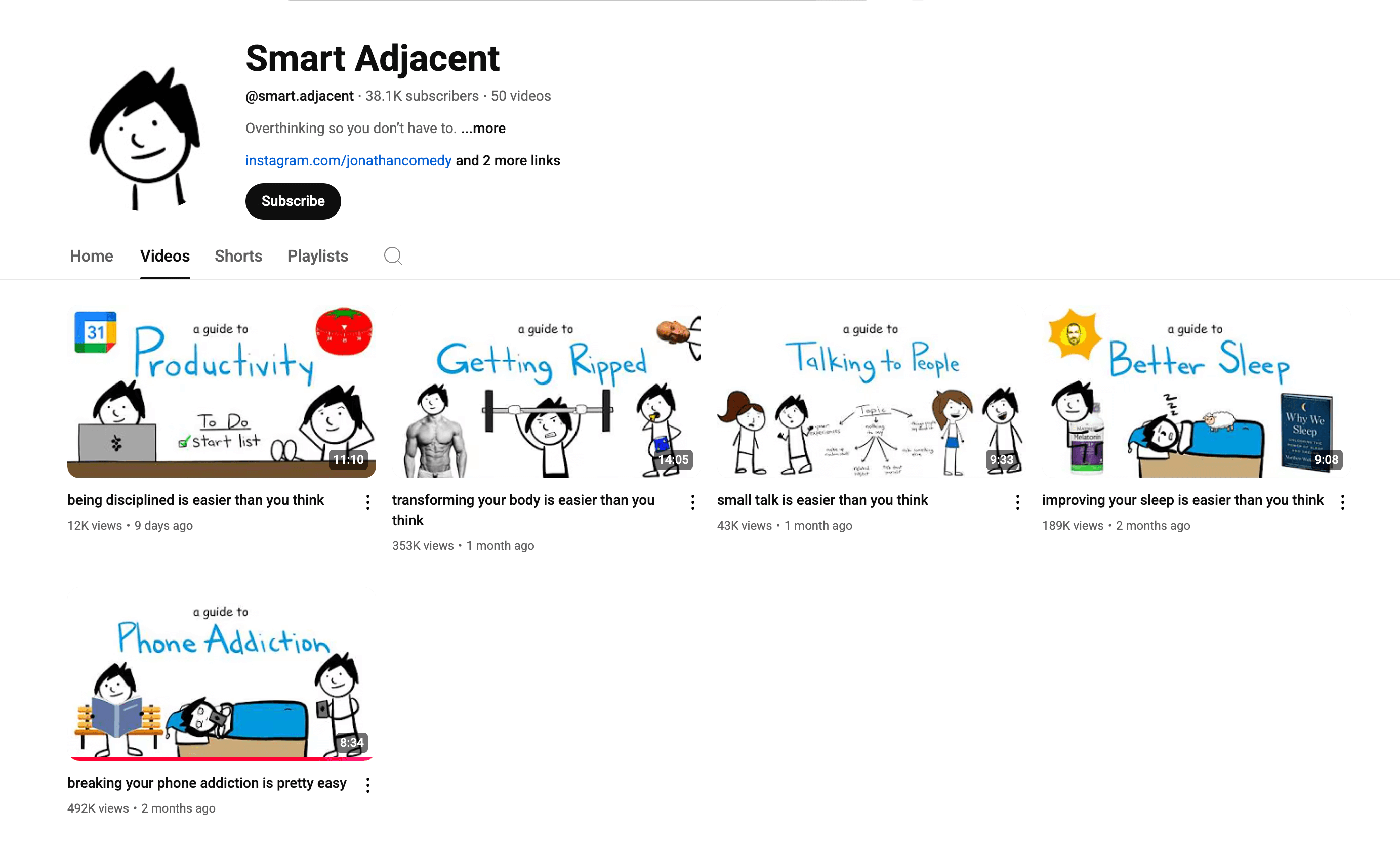
Titles should incorporate relevant keywords for searchability while employing classic hooks to spark curiosity. Channels like Smart Adjacent effectively use keyword-rich, curiosity-driven titles that encourage clicks and align with their "TV show" strategy. The synergy between a compelling visual and an intriguing title is indispensable for capturing attention in a crowded feed.
YouTube SEO: Enhancing Search Visibility
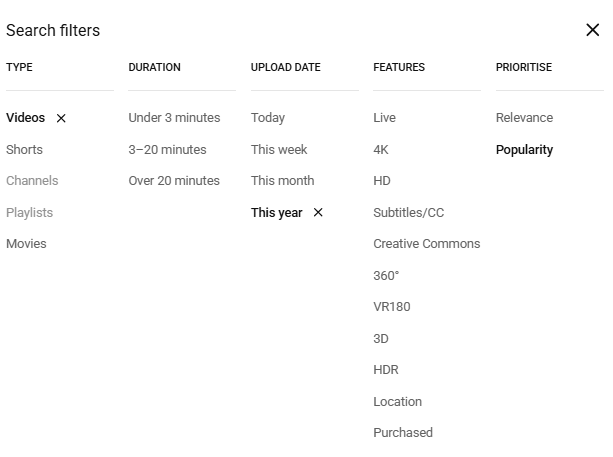
For new creators, YouTube search is often the most reliable initial traffic source. Ranking higher in search results requires a strategic approach to keyword research and placement. Creators must think like their audience, anticipating search queries and identifying niche problems. Free SEO tools, alongside YouTube’s own search bar (using autofill suggestions for long-tail keywords), are invaluable for this process. Long-tail keywords, specific and less competitive, offer new channels a greater chance of ranking.
Once relevant keywords are identified, they must be strategically sprinkled across four key areas:
- Video Include the primary target keyword naturally.
- Description: Integrate primary and secondary keywords without keyword stuffing.
- Video Tags: Use a mix of broad niche terms and specific long-tail keywords.
- Subtitles/Closed Captions: Verbally state keywords within the video, allowing YouTube’s AI to index the audio for search relevance.
Harnessing Trends and Evergreen Content
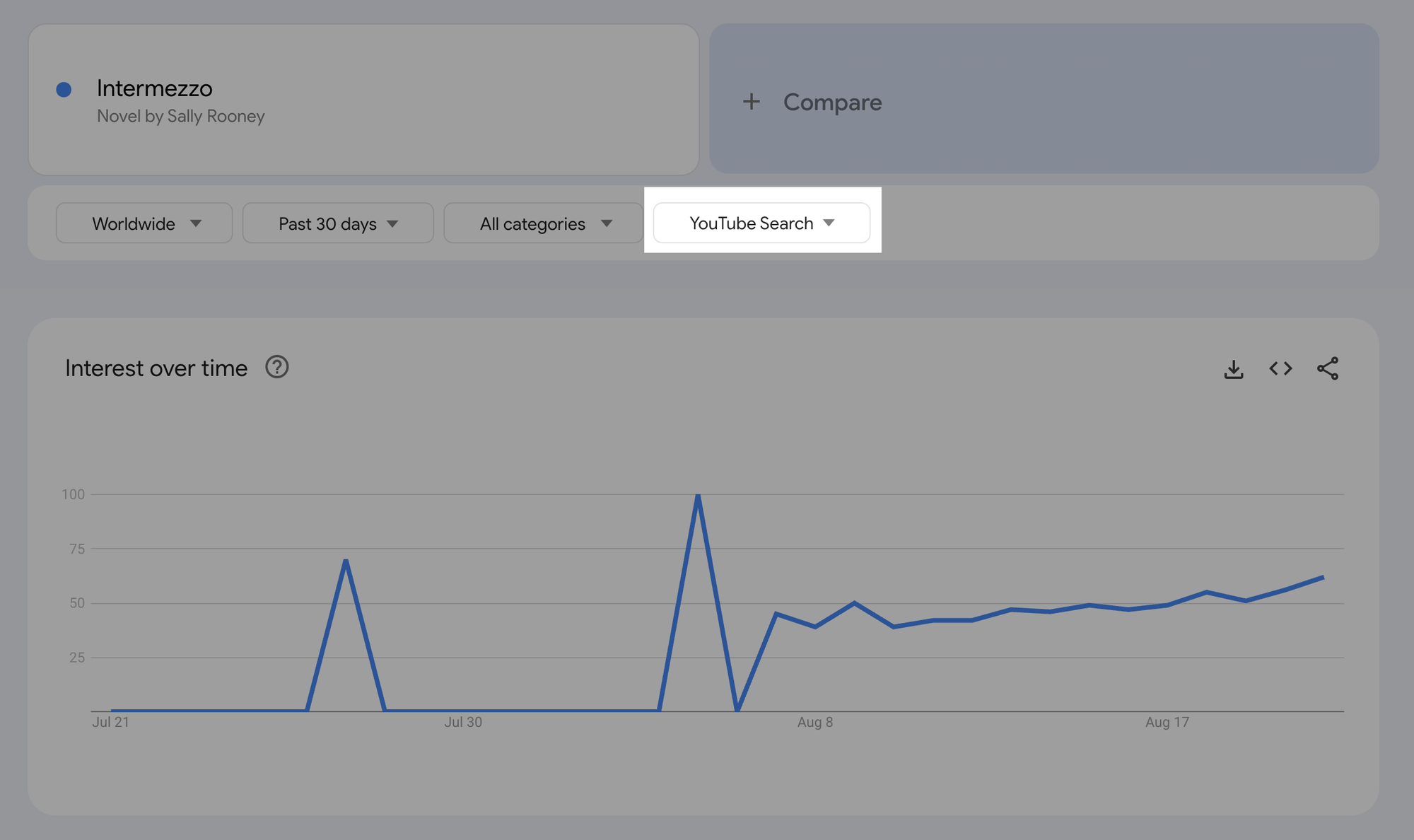
Trending content can provide a significant boost, especially for new channels, as YouTube prioritizes timely and relevant videos. Cara Nicole explains, "Trends are one of the best ways to get people in the door. When you’re new, audiences don’t know who you are yet, so attaching your content to something already getting attention… gives you a natural boost." Google Trends, with its specific "YouTube Search" filter, allows creators to identify rising keywords and tailor content accordingly. Beyond specific keywords, certain video formats also trend, such as "I tried it" review-style videos, which can be adapted to various niches.
However, a sustainable YouTube strategy balances trending content with evergreen videos. Paul Zalewski, co-founder of Fathercraft, articulates this balance: "We usually think of trending content as the ‘entry point’ and evergreen videos as the ‘library’ that keeps viewers coming back… This mix means we benefit from short-term spikes without creating a boom-and-bust cycle. Over the years, our evergreen videos have become a steady traffic backbone, with trending ones acting as growth accelerators." Evergreen content, which remains relevant for years, capitalizes on YouTube’s long shelf life, generating continuous views long after publication.
Cross-Promotion and Repurposing for Expanded Reach
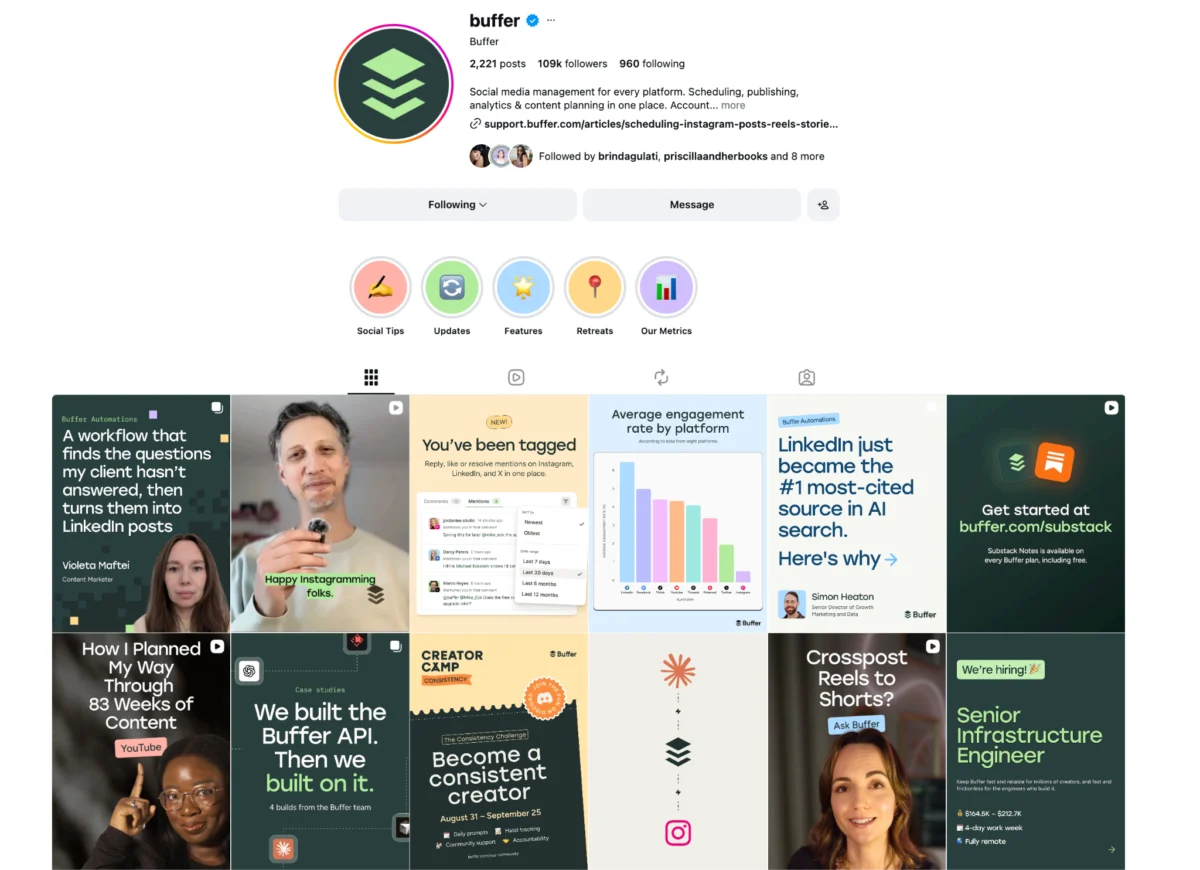
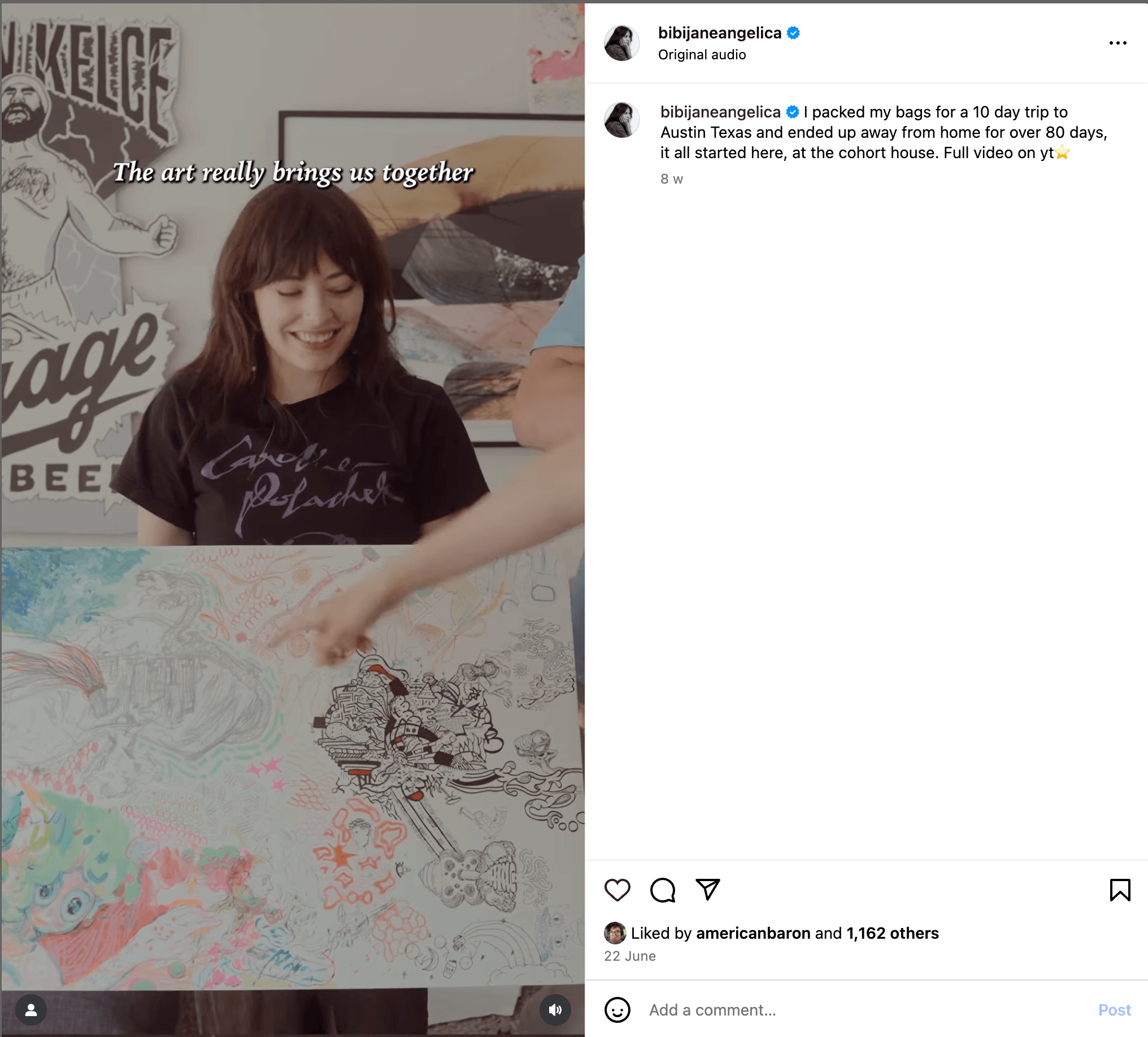
Leveraging existing social media presence is a straightforward way to drive YouTube views. Cross-promoting on platforms like Instagram and TikTok, or through blogs and email newsletters, exposes content to an already engaged audience. Bibi-Jane Angelica, for instance, posts teasers of her YouTube videos as Instagram Reels. A content management tool like Buffer can streamline this process, allowing creators to schedule teasers and links across multiple platforms from a single dashboard.
YouTube Shorts: A Gateway to Long-Form Content
YouTube Shorts have emerged as a powerful discovery tool, attracting a distinct audience segment. Rene Ritchie notes the challenge of migrating viewers from Shorts to long-form content: "It’s a big deal for a viewer to move from a shorts video to a long video, so you have to make it worth it." Successful strategies include teasing snippets of longer videos or podcasts, piquing curiosity for the full story. Creators can repurpose compelling moments from their long-form content into Shorts, adding custom calls-to-action like "watch the full video to learn more."
Shorts also serve as an effective testing ground for new content ideas. Cleo Abram highlights this: "One of the ways is exploring the idea as a short and then maybe make a long video [if it’s successful]." Analyzing quantitative performance and audience comments on Shorts can validate a topic’s potential before investing significant resources in a long-form production. This iterative approach minimizes risk and maximizes impact.
Collaborations: Expanding Audience Through Synergy
Strategic collaborations with other creators in the same niche are a potent method for reaching new, relevant audiences and injecting fresh perspectives into content. Paul Zalewski emphasizes targeted collaborations: "The primary objective is to ensure that the subscriber conversion rate is high. I have realized that cross-promotion works best when we each create unique-value-driven content for the other’s audience rather than just swapping shout-outs." The collaboration between booktubers Haley Pham, Sara Carrolli, and Destiny Sidwell, where each posted unique videos based on shared reads, exemplifies authentic and effective partnerships.
Finding collaboration partners can involve:
- Identifying channels with similar audience sizes and content niches.
- Engaging with other creators’ content through comments and DMs.
- Attending creator meetups or online communities.
The key is mutual value and genuine connection, leading to an organic exchange of audiences.
Optimizing Viewer Journeys with Cards and End Screens
YouTube’s built-in features, Cards and End Screens, are vital for guiding viewers through a channel’s content library. Cards appear as interactive pop-ups during a video, while End Screens appear in the final 5-20 seconds. These tools facilitate the "TV show" model by recommending related videos, playlists, or even encouraging subscriptions, thereby increasing session watch time and keeping viewers within the channel’s ecosystem. Strategically linking to the next logical video in a series or a highly relevant piece of evergreen content can significantly boost internal traffic.
Data-Driven Refinement: Analyzing YouTube Analytics
YouTube Analytics is an indispensable resource for performance improvement. Creators must regularly monitor key metrics:
- Click-Through Rate (CTR): Indicates the effectiveness of thumbnails and titles.
- Audience Retention: Shows how long viewers watch, identifying drop-off points.
- Watch Time: A primary ranking factor for YouTube’s algorithm.
- Traffic Sources: Reveals where viewers are discovering content.
- Audience Demographics: Informs content tailoring and scheduling.
Tools like Buffer can consolidate analytics from multiple platforms, providing a holistic view of content performance.
Engaging Early: The Crucial First 30 Seconds
The initial seconds of a long-form video are critical for audience retention. YouTube often considers a view "legitimate" after approximately 30 seconds of watch time, and viewers typically decide whether to continue watching within this window. Paul Zalewski highlights, "For us, one of the turning points was refining the first 30 seconds of each video. We mainly focused on scripting concise, empathetic intros that immediately addressed the viewer’s pain point."
Effective opening hooks include:
- Directly addressing a pain point or question: Immediately establishing relevance.
- Teasing the "aha!" moment: Hinting at the video’s most compelling takeaway.
- Showcasing a compelling visual or clip: Grabbing attention visually.
- Presenting a clear, concise thesis: Stating what the video will deliver.
Beyond the intro, meticulous editing is essential to maintain engagement. Cara Nicole emphasizes respecting audience time: "That means getting to the point quickly (don’t bury your main idea three minutes in) and cutting the fluff (avoid repeating yourself or dragging out tangents). I write all of my videos as full scripts… On top of that, I weave in my own voice – humor, commentary, little asides – because personality keeps people engaged just as much as information does."
Optimizing Posting Times for Maximum Impact
Posting videos when the target audience is most active is a simple yet effective way to garner initial views, which can signal to the algorithm that the content is engaging. Interestingly, optimal posting times differ for long-form videos and YouTube Shorts. Data suggests long-form content often performs best in morning hours (around 8 a.m. to 11 a.m.), with Sunday, Tuesday, and Monday being peak days. Conversely, YouTube Shorts engagement typically peaks in the evenings (6 p.m. to 11 p.m.), with Friday, Saturday, and Thursday being most effective. Creators should consult their specific "When your viewers are on YouTube" section in YouTube Studio Analytics to tailor their schedules. Scheduling tools like Buffer can ensure consistent uploads at these optimal times.
The Long Game: Patience and Consistency
YouTube is not a platform for quick wins. The creation, editing, and promotion of long-form video content demand significant effort and patience. Ryan Hashemi succinctly puts it: "YouTube isn’t something you dip a toe into. It rewards consistency and compounds significantly over time." Unlike platforms favoring ephemeral content, YouTube’s evergreen nature means that a single well-performing video can generate views for years, contributing to a compounding effect on channel growth. The key is unwavering consistency and a commitment to continuous improvement, even when immediate results are not apparent.
FAQ about YouTube Views
How do I get more views on YouTube?
To increase views, focus on creating content that solves specific audience problems, packaged with captivating titles and thumbnails for high click-through rates. Prioritize strong opening hooks in the first 30 seconds to retain viewers, and strategically use playlists, cards, and end screens to guide them to more of your content. Implementing YouTube SEO for discoverability and leveraging trending topics can also provide significant boosts.
How do I get more views on YouTube Shorts?
YouTube Shorts are ideal for discovery. Hook viewers immediately with a clear, concise idea, making every second count. Focus on creating compelling teasers or standalone valuable content. The ultimate goal is to intrigue viewers enough to click through to your longer-form videos, converting short-form consumption into deeper engagement.
How much does YouTube pay per view?
YouTube does not pay a fixed rate per view. Earnings for creators primarily come through ad revenue, which is tied to 1,000 views (known as RPM – Revenue Per Mille). This rate varies significantly based on factors like the video’s niche, audience demographics (e.g., location, age), the type of ads displayed, and whether viewers actually interact with or complete ads. Consequently, two channels with the same number of views can have vastly different earnings. Additional monetization avenues include channel memberships, merchandise sales, and sponsorships, which often far exceed ad revenue.
How much do 1,000 YouTube views pay?
Estimates for earnings per 1,000 views (RPM) can range from a few cents to several dollars, with typical figures often falling between $0.50 and $5.00. This wide range is due to the factors mentioned above (niche, audience, ad types, etc.). To be eligible for ad revenue, creators must qualify for the YouTube Partner Program, which requires meeting specific thresholds: either 1,000 subscribers and 4,000 valid public watch hours in the past 12 months, or 1,000 subscribers and 10 million valid public Shorts views in the last 90 days.
How many YouTube views per day is considered good?
"Good" viewership is highly relative and depends entirely on the channel’s stage of growth, niche, and content frequency. For a new channel, even a few hundred consistent views per day can be excellent progress. For established channels, views in the tens of thousands or hundreds of thousands daily might be expected. The most important metric is consistent upward trend in views over time, indicating sustained audience growth and content resonance, rather than a fixed daily number. Progress and growth rate are more indicative of success than a static daily count.