rifanmuazin
The burgeoning creator economy, a vibrant ecosystem driven by independent content producers, has long championed "consistency" as a cornerstone of success. However, for many, particularly neurodivergent individuals, this conventional wisdom often presents an insurmountable barrier. A recent case study highlights a groundbreaking approach developed by a neurodivergent creator, diagnosed with ADHD in 2019 and Level 1 Autism in 2020, who engineered a personalized system to maintain a robust content schedule, challenging traditional advice and offering a blueprint for a more inclusive and sustainable creative journey. This innovative framework, designed to accommodate unique cognitive processing styles, offers valuable lessons not only for neurodivergent creators but for anyone struggling with the demands of continuous content generation.
The Demands of the Creator Economy and Neurodivergent Challenges
The creator economy, estimated to be worth over $250 billion and projected to grow significantly, empowers individuals to monetize their passions and expertise across various digital platforms. From TikTok and YouTube to LinkedIn and Substack, the landscape is diverse, but the underlying pressure for consistent output remains a universal challenge. Creators are expected to continuously generate novel ideas, produce high-quality content, engage with audiences, and navigate ever-evolving algorithms—all while often managing the entrepreneurial aspects of their personal brand. This relentless cycle can lead to significant burnout, even for neurotypical individuals.
For neurodivergent creators, these demands are often amplified by inherent differences in executive function, sensory processing, and social communication. ADHD, characterized by challenges in attention regulation, impulse control, and organization, can make tasks like planning, initiating, and sustaining effort particularly difficult. Perfectionism, a common trait among individuals with ADHD, can further exacerbate these issues, leading to endless revisions or complete abandonment of projects. Autism, on the other hand, often involves a strong preference for routine, difficulty with unexpected changes, and a need for clear, explicit instructions, making abstract advice like "be consistent" or "show up every day" hard to translate into actionable steps. The intersection of these neurodivergent traits can create a unique set of hurdles that traditional productivity advice fails to address. According to the Centers for Disease Control and Prevention (CDC), approximately 6 million children and adolescents in the U.S. have been diagnosed with ADHD, while 1 in 36 children are identified with autism spectrum disorder (ASD). While adult prevalence data varies, a significant portion of the global population lives with these conditions, underscoring the need for inclusive strategies in all professional domains, including the creator economy.
A Personalized Path to Consistency: The Neurodiversity-Affirming Framework
Recognizing the inadequacy of conventional advice, the creator embarked on a six-month journey of trial and error, developing a system explicitly tailored to their neurodivergent brain. The initial struggle was profound, almost leading to abandonment before a single post was made. The core problem was a disconnect between abstract goals and concrete, manageable steps—a common experience for individuals with executive dysfunction. The creator’s breakthrough came from abandoning external expectations and building a deeply personalized, forgiving framework. This framework is built upon several interconnected pillars, each addressing specific neurodivergent traits while offering universal benefits.
Redefining Consistency: Lowering the Starting Bar
A foundational element of the new system involved a radical redefinition of "consistency." Traditional advice often advocates for daily posting across multiple platforms, a strategy that quickly leads to burnout for many. The creator initially fell into this trap, attempting to post daily on every platform, resulting in exhaustion before even gaining momentum. The revised approach focused on extreme simplification:

- Platform Prioritization: Committing to a single platform (TikTok) with a minimal posting frequency (one video per week). Additional platforms (LinkedIn) were only introduced once the initial commitment felt effortless. This staggered approach prevents overwhelm and allows for mastery of one domain before expanding.
- Embracing Imperfection: Acknowledging and actively combating perfectionism, a significant barrier for many neurodivergent individuals. The creator noted that their ADHD-fueled perfectionism often led to content being scrapped or never published. By lowering the quality "bar" to simply "good enough," the focus shifted from unattainable ideals to consistent delivery. This strategy aligns with advice from productivity experts who emphasize that "done is better than perfect," particularly in fields requiring continuous output. Dr. Thomas Brown, a clinical psychologist specializing in ADHD, often highlights how executive function deficits can manifest as perfectionism, where the fear of not doing something perfectly prevents initiation or completion.
This "don’t compare your beginning to someone else’s middle" mantra is crucial for sustainable growth, preventing creators from feeling inadequate and spreading themselves too thin.
Streamlining Idea Capture and Development
For brains characterized by a rapid influx of thoughts and ideas, effective capture mechanisms are paramount. The creator described their ADHD brain as a "railroad crossing with a train of thoughts," where ideas appear and disappear rapidly, often at inconvenient times (e.g., in the shower, while driving).
- Multi-Modal Capture: Initial reliance on the iPhone’s Notes app evolved into leveraging voice memos, a "game-changer" for its speed and directness.
- Advanced Transcription: The adoption of tools like Otter.ai for voice note capture and transcription further streamlined the process, ensuring no ideas were lost due to translation or forgetfulness. This systematic approach transforms fleeting inspirations into tangible content seeds, directly addressing memory and organizational challenges often associated with ADHD. During dedicated content creation sessions, these raw ideas are then developed into structured concepts and scripts.
The Power of Batch Content Creation
The traditional expectation of daily content creation often necessitates constant "context switching," which can be highly draining for neurodivergent individuals. The creator found inspiration in the concept of "batch content creation," dedicating specific, focused blocks of time to produce multiple pieces of content.
- Dedicated Sessions: Initially, one morning per week was allocated to creating five to six pieces of content. As the system matured, a second, shorter session (three to four pieces) was added. The rest of the week is then dedicated to scheduling and community engagement.
- Reduced Cognitive Load: This method significantly reduces the mental overhead of switching between creative and administrative tasks daily, allowing the creator to "get in the zone" and maintain focus for longer periods. Productivity research consistently supports batching as an effective strategy for minimizing task-switching costs and improving overall efficiency, a benefit amplified for those with ADHD who may struggle with task initiation and transitions.
Structured Flexibility: Themed Content Calendars
The interplay between the autistic brain’s desire for a plan and the ADHD brain’s tendency to deviate from rigid schedules presented a unique challenge. The solution was a "flexible framework" rather than a strict schedule.
- Themed Days: A simple Google Sheets content calendar was created with recurring themed days (e.g., "carousel days," "gaming tips," "cat video day," "CapCut memes" for TikTok). This structure eliminates decision fatigue—a common issue for neurodivergent individuals—by pre-determining the type of content, leaving only the specific topic to be decided within that theme. This hybrid approach offers the predictability and routine preferred by an autistic brain while providing enough creative leeway to prevent the ADHD brain from feeling constrained and abandoning the plan entirely.
Leveraging Templates for Efficiency
Starting from scratch for every piece of content can be overwhelming and contribute to creative paralysis. The creator found templates to be a powerful antidote.
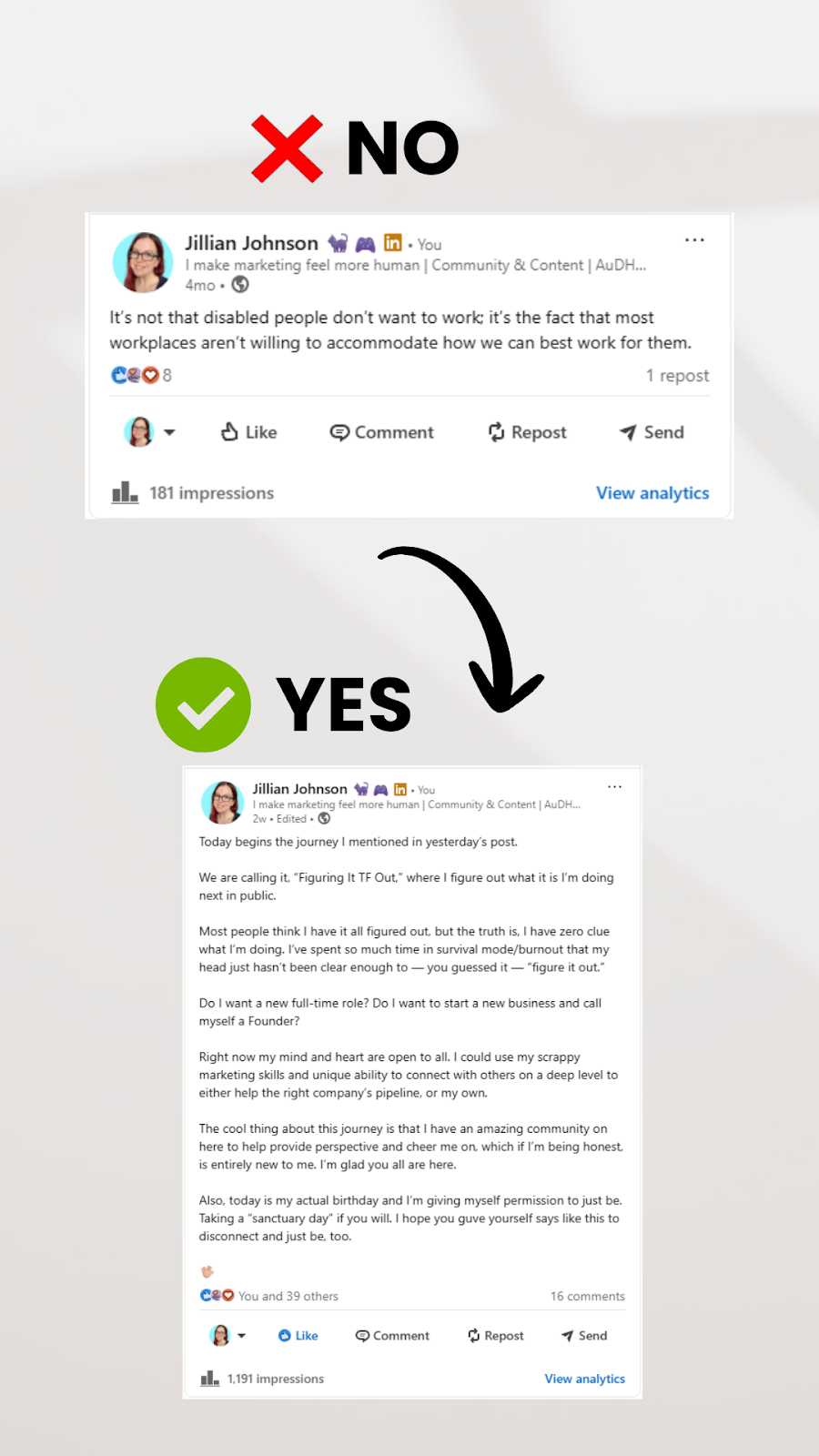
- Content Frameworks: Developing a core template for gaming videos in CapCut and a specific framework for LinkedIn posts (Hook, Story, Lesson, Call to Action) significantly streamlined the creation process. Instead of facing a blank canvas, the creator fills in pre-defined sections, reducing cognitive load and accelerating production. Templates reduce the executive function demands of initiating a task and structuring information, making the creation process more accessible and efficient. This strategy is widely recommended in professional settings to ensure brand consistency and reduce time spent on repetitive tasks.
Automation as an Executive Function Aid
Forgetfulness is a well-documented symptom of ADHD, impacting memory and task completion. The creator frequently found themselves producing content but forgetting to post it for days or even weeks.
- Scheduling Tools: The solution was automation. Tools like Buffer are used to schedule content on LinkedIn and TikTok immediately after batch creation sessions. This ensures that content is published regardless of the creator’s daily executive function capacity. Automation acts as an externalized memory and task initiator, effectively bypassing the neurodivergent brain’s challenges with follow-through and consistent execution. This is a critical component for maintaining consistent presence without relying on unreliable internal processes.
Building Resilience: A Forgiving System
Perhaps the most human and crucial aspect of this system is its inherent forgiveness. Recognizing that "missing posts sometimes" is an inevitable part of being neurodivergent, the system is designed for easy re-entry.
- No Catch-Up Pressure: When a week is missed, the creator doesn’t attempt to "catch up" or double their efforts the following week. Instead, they simply resume where they left off: "One post, one platform, one day." This approach prevents the guilt and overwhelm that can lead to complete abandonment, fostering a resilient and sustainable creative practice. This principle aligns with psychological advice on self-compassion and breaking down daunting tasks into smaller, more manageable steps to prevent demotivation and facilitate re-engagement.
Broader Implications and Expert Perspectives
The personalized system developed by this neurodivergent creator offers profound implications for the broader creator economy and beyond. It underscores the critical need for individualized approaches to productivity and challenges the universality of conventional "hustle culture" advice. Experts in neurodiversity and productivity emphasize that one-size-fits-all strategies often fail because they don’t account for diverse cognitive profiles. Dr. Ned Hallowell, a prominent expert on ADHD, frequently advocates for systems that leverage an individual’s strengths and accommodate their challenges, rather than forcing them into conventional molds.
This case study demonstrates that:
- Inclusive Design: Designing workflows with neurodiversity in mind can unlock significant creative potential that might otherwise be stifled by rigid expectations.
- Sustainable Practices: Strategies like batching, templating, and automation are not just for neurodivergent individuals; they are powerful tools for all creators seeking to mitigate burnout and maintain long-term consistency.
- Mental Well-being: A forgiving system that prioritizes mental health over relentless pressure fosters a healthier relationship with work and creative output.
- Shifting Paradigms: The narrative around "consistency" in the creator space may need to evolve, moving from a quantitative, daily output metric to a more qualitative understanding of sustained engagement and presence, tailored to individual capacity.
In conclusion, the journey of this neurodivergent creator provides a compelling example of how understanding and accommodating unique cognitive profiles can lead to innovative and highly effective solutions. By systematically addressing the specific challenges of ADHD and autism, the creator not only achieved their goal of consistent content creation but also forged a path that is sustainable, resilient, and deeply affirming of their neurodivergent identity. This personalized framework serves as a powerful reminder that true productivity often lies not in conforming to external ideals, but in meticulously crafting systems that truly work for the individual brain. The lessons learned here extend far beyond the realm of social media, offering valuable insights for fostering inclusive and effective environments in any demanding professional landscape.