
 Ali Ikhwan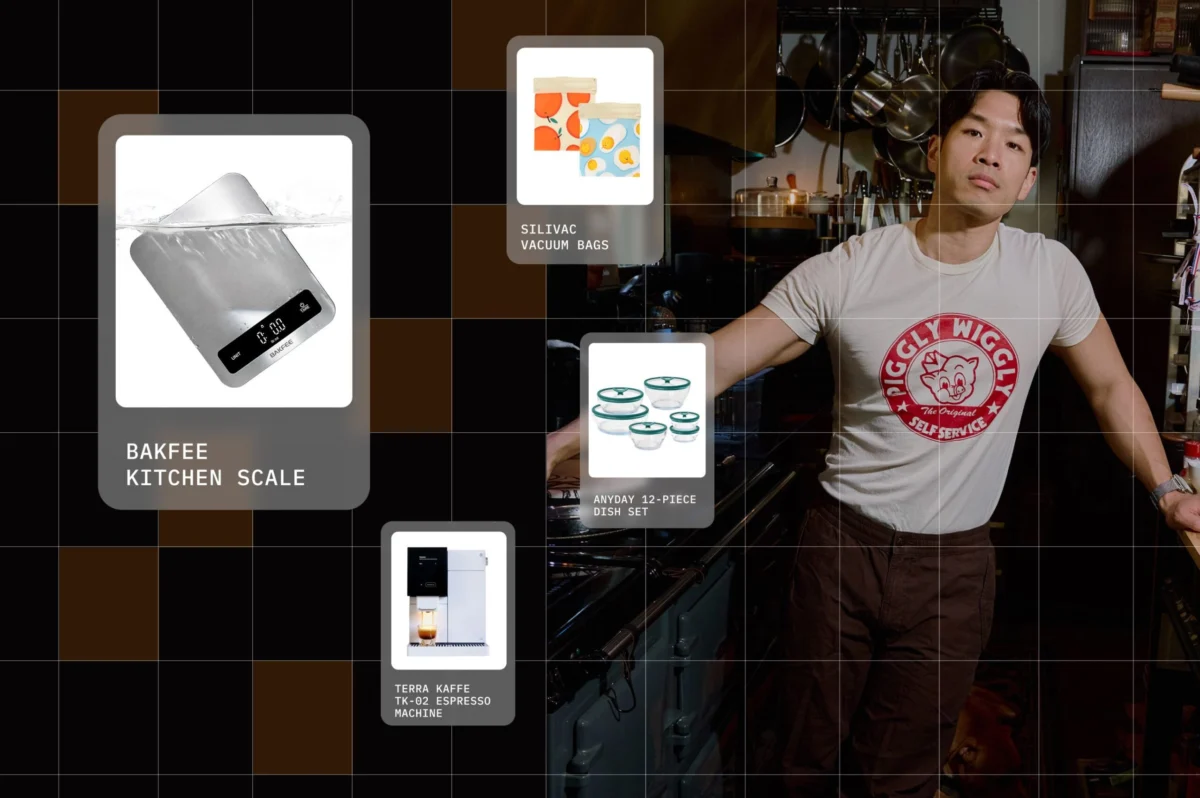
Jon Kung, a 42-year-old Chinese American chef and digital creator, has emerged as a definitive voice in the "third-culture" culinary movement, leveraging a platform of over 2 million followers to demystify global flavors. His journey from a "baby line cook" in Detroit to a best-selling author and social media powerhouse reflects a broader shift in how modern audiences consume culinary knowledge. Kung’s kitchen, a blend of high-end industrial technology and practical, battle-tested tools, serves as the laboratory for his unique fusion of Los Angeles, Hong Kong, Toronto, and Detroit influences. This synthesis of heritage and modernity is perhaps best captured in his debut cookbook, Kung Food: Chinese American Recipes from a Third-Culture Kitchen, which challenges the traditional boundaries of "authentic" cuisine.
The Evolution of a Third-Culture Kitchen
The concept of "third-culture" cooking is central to Kung’s identity. It refers to the culinary output of individuals raised in a culture different from their parents’ or the culture of their country of nationality, resulting in a unique, hybridized perspective. For Kung, this translates into a holiday spread that includes mapo tofu alongside pumpkin and lotus root curry, and Cantonese roast duck paired with cherry duck sauce—a nod to Michigan’s famous produce.
The physical space where these recipes are born is anchored by a significant investment: an AGA Total Control induction range. Shipped directly from the United Kingdom, the stove represents a milestone in Kung’s career. He recalls first seeing the unit while working as a line cook, viewing it as a symbol of professional arrival. Following the viral success of his TikTok content, which saw exponential growth during the 2020 lockdowns, Kung utilized his first major earnings to secure the appliance.

His preference for induction over gas reflects a growing trend in both professional and high-end residential kitchens. According to data from the Association of Home Appliance Manufacturers (AHAM), induction cooktop shipments in the U.S. have seen steady growth as consumers become more aware of the health and environmental impacts of gas combustion. Kung cites the lack of toxic fumes, the absence of residual heat, and the superior performance as primary drivers for the switch. This shift aligns with recent environmental studies and legislative movements in cities like New York and Berkeley, which have sought to limit gas hookups in new constructions due to indoor air quality concerns.
Technical Precision: The Rice and Coffee Rituals
In Kung’s culinary hierarchy, few tools are as vital as the rice cooker. He advocates for Zojirushi models, specifically those equipped with pressure induction heating. The technology behind these machines allows for precise temperature control and the ability to keep rice at a "fresh-cooked" quality for extended periods.
However, Kung’s advice on rice extends beyond the hardware to a fundamental technique: washing. While Western or Italian culinary traditions often retain rice starch—as seen in risotto—Asian traditions necessitate thorough rinsing. Kung points to a pragmatic, if unsettling, reason for this: the presence of rice weevils (Sitophilus oryzae). These common pests lay eggs inside grain kernels, and while they are harmless if consumed after cooking, thorough washing remains a standard food safety and quality practice in Asian households. For Kung, the ultimate kitchen innovation would be a machine that automates this rinsing process, highlighting a gap in the current appliance market.
The chef’s morning routine has also seen a technological upgrade. Moving away from the manual labor of a Chemex pour-over, Kung has transitioned to the Terra Kaffe TK-02, a "super-automatic" espresso machine. This shift mirrors a broader consumer trend toward "prosumer" coffee gear—equipment that offers cafe-quality results with automated convenience. Market analysis from Grand View Research suggests that the global automatic coffee machine market is expected to expand at a compound annual growth rate (CAGR) of 4.6% through 2030, driven by the premiumization of home coffee experiences.

The Philosophy of Professional Maintenance
Kung’s approach to cutlery and cookware is rooted in durability and maintenance rather than brand-name prestige. He frequently advises his audience against "combination pans"—those marketed as a hybrid of stainless steel and nonstick surfaces. In Kung’s view, these often fail to excel at either task. Instead, he recommends a binary approach: a high-quality stainless steel pan for high-heat searing and a ceramic nonstick pan for delicate items like eggs.
His choice for stainless steel is Demeyere, specifically the Atlantis Proline series, known for its multi-layered base that ensures even heat distribution. For nonstick, he favors GreenPan’s ceramic coatings, which are free from PFAS (per- and polyfluoroalkyl substances). This distinction is increasingly important to health-conscious consumers, as the "forever chemicals" used in traditional nonstick coatings have come under intense regulatory scrutiny.
Regarding cutlery, Kung offers a counter-intuitive piece of advice: purchase two affordable knives rather than one luxury blade. His recommendation is the Victorinox 8-inch Wood Chef’s Knife, a staple in professional kitchens for its balance of cost and performance. The logic is purely functional; having two knives ensures that one is always available for use while the other is being professionally sharpened.
"You can have the fanciest knife in the world, but if you don’t get it sharpened, there’s no point," Kung notes. He emphasizes that professional sharpening is an essential service that most home cooks overlook. While Kung maintains his own edges, he suggests services like Knife Aid or local restaurant supply shops. This emphasis on maintenance over initial cost reflects a professional chef’s mindset, where a tool’s value is measured by its consistent performance over time.

Efficiency and Modern Meal Preparation
As a creator who balances recipe development with a high-volume production schedule, Kung relies heavily on meal-prep essentials that prioritize organization and food safety. His "starter pack" for home cooks includes:
- Digital Scales: Kung utilizes the BakFee IP67 waterproof scale. In professional cooking, weight-based measurements are preferred over volume-based ones for their accuracy and reproducibility, especially in baking and fermentation.
- Silicone Storage: Moving away from single-use plastics, Kung utilizes Silivac vacuum-sealable silicone bags. These are conducive to sous vide cooking—a method of vacuum-sealing food and cooking it in a precisely regulated water bath.
- Microwave-Safe Glassware: He advocates for the Anyday glass dish set, designed specifically for high-efficiency microwave cooking. This challenges the common culinary stigma against microwaves, repositioning them as tools for steaming and rapid heating rather than just reheating leftovers.
- Sous Vide Circulators: The Breville Joule Turbo is Kung’s choice for precision cooking. This tool allows for "set-it-and-forget-it" preparation of proteins, which is particularly useful for busy professionals looking to maintain a high standard of home cooking.
Broader Impact and Industry Implications
The influence of chefs like Jon Kung extends beyond individual kitchen purchases. They represent a new vanguard of culinary educators who are shifting the focus from rigid, "authentic" techniques to a more fluid, ingredient-driven approach. By demystifying global ingredients and advocating for specific technologies, Kung is helping to shape the $20 billion global kitchenware market.
The "Jon Kung effect" is also a testament to the power of the creator economy in the food and beverage sector. His ability to blend storytelling with product recommendation provides a level of trust and context that traditional advertising cannot match. As consumers increasingly look to digital creators for lifestyle guidance, the "starter pack" format has become a powerful tool for brand discovery and culinary education.
Ultimately, Kung’s kitchen is a reflection of the modern American experience: diverse, technologically integrated, and deeply personal. His regret over a used SMEG fridge with a giant British flag—which he has since "improved" with punk rock and pop culture stickers—serves as a reminder that even for a professional chef, the kitchen is a space of constant evolution, trial, and error. Through his platform, Kung continues to prove that "good food should feel like home," regardless of how many cultures that home might represent.







