
 Ali Ikhwan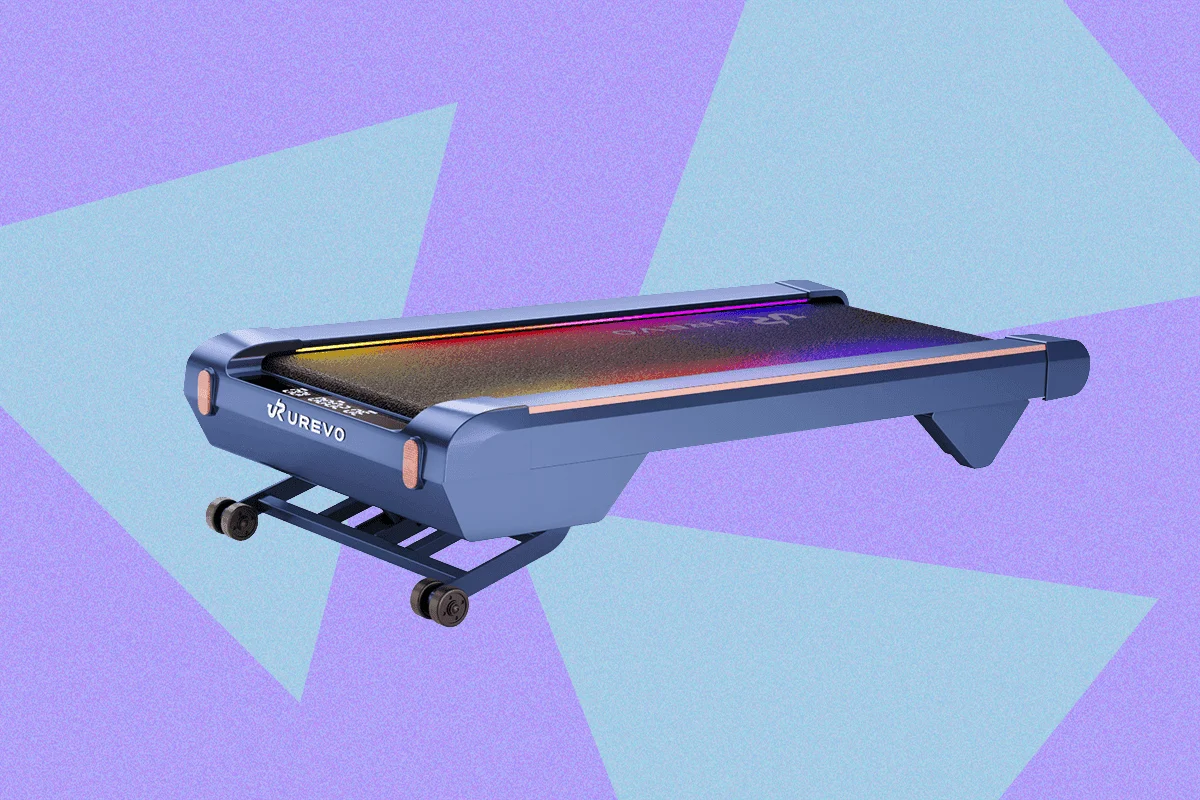
The fitness equipment landscape has undergone a radical transformation since the global shift toward remote work began in 2020, leading to the emergence of the "walking pad" as a primary tool for maintaining physical health in domestic environments. Unlike traditional, bulky treadmills designed for high-intensity running in dedicated gym spaces, walking pads are engineered for portability and integration into the modern home office. These slim, often foldable machines allow professionals to combat the physiological risks associated with sedentary behavior by accumulating steps during conference calls, administrative tasks, or leisure activities. As the work-from-home (WFH) model stabilizes into a permanent fixture for millions of employees, the demand for compact, quiet, and ergonomically sound under-desk exercise equipment has reached an all-time high, prompting a wave of technological innovation in the sector.
The Rise of the Active Office: Background and Context
The shift toward under-desk walking is a direct response to the growing body of medical evidence regarding "sitting disease." Research published by the Mayo Clinic and the British Journal of Sports Medicine has long highlighted that prolonged sitting—defined as more than eight hours a day with no physical activity—carries a risk of mortality similar to the risks posed by obesity and smoking. For the remote workforce, the lack of a daily commute and the transition to digital-only meetings have exacerbated these sedentary patterns.

In response, the "Active Office" movement has moved beyond standing desks to include dynamic movement solutions. Walking pads, also known as under-desk treadmills, differ from their predecessors by prioritizing a low profile and reduced decibel output. These units typically lack the high-rise consoles and handrails of commercial treadmills, allowing them to slide beneath standing desks. The market has evolved from basic motorized belts to sophisticated machines featuring artificial intelligence, high-incline capabilities, and integrated application ecosystems that track biometric data and workplace productivity.
Market Analysis: Leading Models and Technological Innovations
A comprehensive evaluation of the current market reveals that manufacturers are focusing on three primary pillars of development: space efficiency, noise reduction, and intensity through incline. Recent testing by industry experts has identified several key models that represent the current peak of this technology.
Premium Performance and Incline Integration
The Urevo CyberPad has emerged as a leader in the premium category, specifically for its focus on high-intensity walking. While most walking pads are restricted to flat surfaces, the CyberPad offers a 14-percent incline, a feature traditionally reserved for full-sized gym equipment. This allows users to increase their cardiovascular load and muscle engagement without requiring faster speeds, which can often interfere with the ability to type or focus on a screen.

Engineering data suggests that walking at a 14-percent incline can increase caloric expenditure by up to 60 percent compared to walking on a flat surface at the same speed. The unit’s construction utilizes a brushless motor, which is designed to provide greater torque while maintaining a lower heat profile and longer lifespan than traditional brushed motors. Despite its 71-pound weight, which limits portability, the stability it offers is essential for maintaining the 4 mph top speed safely.
Budget Accessibility and Weight Capacity
On the opposite end of the spectrum, the Sperax Walking Pad has gained significant traction on consumer platforms like Amazon and Reddit. Weighing only 27 pounds, it addresses the primary consumer concern of portability. Despite its lightweight frame, it maintains a maximum weight capacity of 350 pounds, a feat achieved through the use of high-density steel and impact-resistant composite materials.
A unique feature of this budget-friendly model is its dual-purpose design, which includes a vibration mode. This allows the unit to function as a massage plate for muscle recovery when not in use as a treadmill. However, testing indicates that budget models often face challenges with noise consistency; while advertised at 45 decibels, real-world usage often sees fluctuations that may be disruptive in a quiet office environment.

Foldable Technology and Space Optimization
The WalkingPad C2 represents the vanguard of space-saving design. Utilizing a patented "double fold" technology, the unit reduces its footprint by nearly 50 percent when stored. This model is specifically targeted at urban dwellers and those in small apartments where a permanent exercise fixture is not feasible.
The C2 also integrates a "sensing" mode, where the speed of the belt is determined by the user’s foot position. Sensors located at the front of the belt trigger acceleration, while those at the rear trigger deceleration. While this represents a high level of automation, user feedback suggests a learning curve is required to master the pace without the use of a remote control.
Chronology of Development: From Gym to Desk
The timeline of the walking pad’s evolution reflects broader societal shifts in health and labor:
-Front-Full-Reviewer-Photo-SOURCE-Adrienne-So.png)
- 2010–2018: The early "Treadmill Desk" era. These were largely DIY projects or extremely expensive, integrated units like the LifeSpan series, costing upwards of $2,000.
- 2019: Introduction of the first truly portable "walking pads" by brands like Xiaomi-backed WalkingPad, focusing on a minimalist aesthetic.
- 2020–2021: The Pandemic Boom. Supply chains struggled to meet a 600% increase in demand for home fitness equipment as gyms closed globally.
- 2022–2023: Refinement and App Integration. Manufacturers began focusing on Bluetooth connectivity and "gamified" fitness through companion apps like KS Fit and Urevo.
- 2024–2026: The Incline and Hybrid Era. The current market focuses on "3-in-1" units that can handle walking, running (with raised rails), and high-incline hiking.
Supporting Data: The Impact of Micro-Movement
Data collected from remote testers and ergonomic studies suggest that the use of a walking pad during the workday has a multi-faceted impact on employee performance. In a survey of professional users, 78% reported a perceived increase in energy levels during the "afternoon slump" period (typically 2:00 PM to 4:00 PM). Furthermore, regular use of under-desk walking has been linked to a 15% improvement in creative problem-solving tasks, likely due to increased blood flow to the prefrontal cortex.
Technical specifications also reveal a trend toward efficiency. Modern walking pads now average between 500 to 750 watts of power consumption, making them relatively energy-efficient for daily use. Noise levels across the industry have stabilized between 40 and 55 decibels, which is equivalent to a quiet conversation or the hum of a refrigerator, ensuring they do not interfere with digital communications.
Official Responses and Safety Considerations
Manufacturers have responded to safety concerns by implementing several standard features. Most units now include an "auto-stop" function that triggers if the belt is empty for more than 60 seconds. Additionally, hybrid models that allow for running speeds (above 4 mph) are legally required to include a physical handrail and an emergency safety clip.
-Reviewer-Photo-SOURCE-Adrienne-So.jpg)
However, industry analysts note that the rapid influx of "white-label" brands on major e-commerce platforms has led to inconsistencies in warranty support and motor longevity. Major brands like Flexispot and Urevo have attempted to differentiate themselves by offering extended three-year warranties and dedicated customer service portals to address the "disposable" reputation of early budget models.
Broader Impact and Future Implications
The integration of walking pads into the home office is more than a fitness trend; it represents a fundamental shift in workplace ergonomics. As companies continue to offer stipends for home office setups, exercise equipment is increasingly viewed as a legitimate business expense, similar to ergonomic chairs or high-speed monitors.
Looking forward, the next generation of walking pads is expected to feature deeper integration with workplace software. Imagine a treadmill that automatically slows down when your webcam turns on for a meeting, or one that syncs with your calendar to suggest a "walking meeting" during non-critical tasks.

In conclusion, the walking pad has established itself as a vital tool for the modern professional. By bridging the gap between the necessity of digital labor and the biological need for movement, these machines are redefining what it means to be productive. While challenges remain regarding noise, storage, and long-term durability, the ongoing innovation in the sector ensures that the "walking desk" will remain a cornerstone of the healthy remote work environment for years to come.







