Cintya Tara Annisa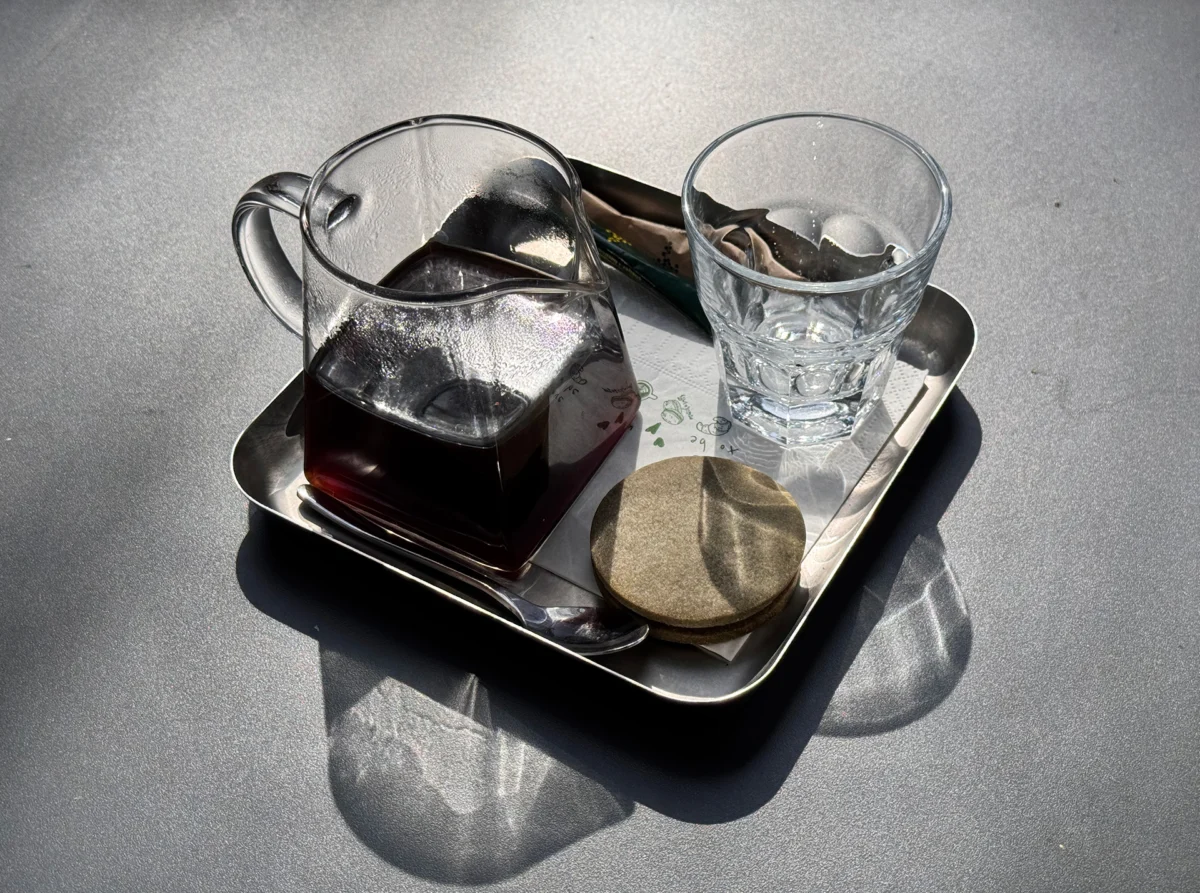
Tirana is currently navigating a significant cultural and economic shift as a burgeoning specialty coffee movement begins to take root in a landscape historically dominated by traditional roasting methods. In a nation that maintains one of the highest numbers of coffee houses per capita globally, the beverage is far more than a morning stimulant; it is the fundamental social fabric of Albanian life. Unlike the rapid-fire espresso culture of neighboring Italy, where patrons often consume their coffee standing at a bar, the Albanian coffee ritual is characterized by its deliberate pace. Residents are known to spend several hours at a single table, utilizing the cafe environment as a venue for intensive political debate, family negotiations, and business dealings. This cultural foundation provides a unique, high-engagement market for a new generation of entrepreneurs who are attempting to introduce specialty, single-origin, and light-roast profiles to a population raised on the dark, robust traditions of Italian espresso and Turkish preparation.
Historical Context and the Italian-Turkish Influence
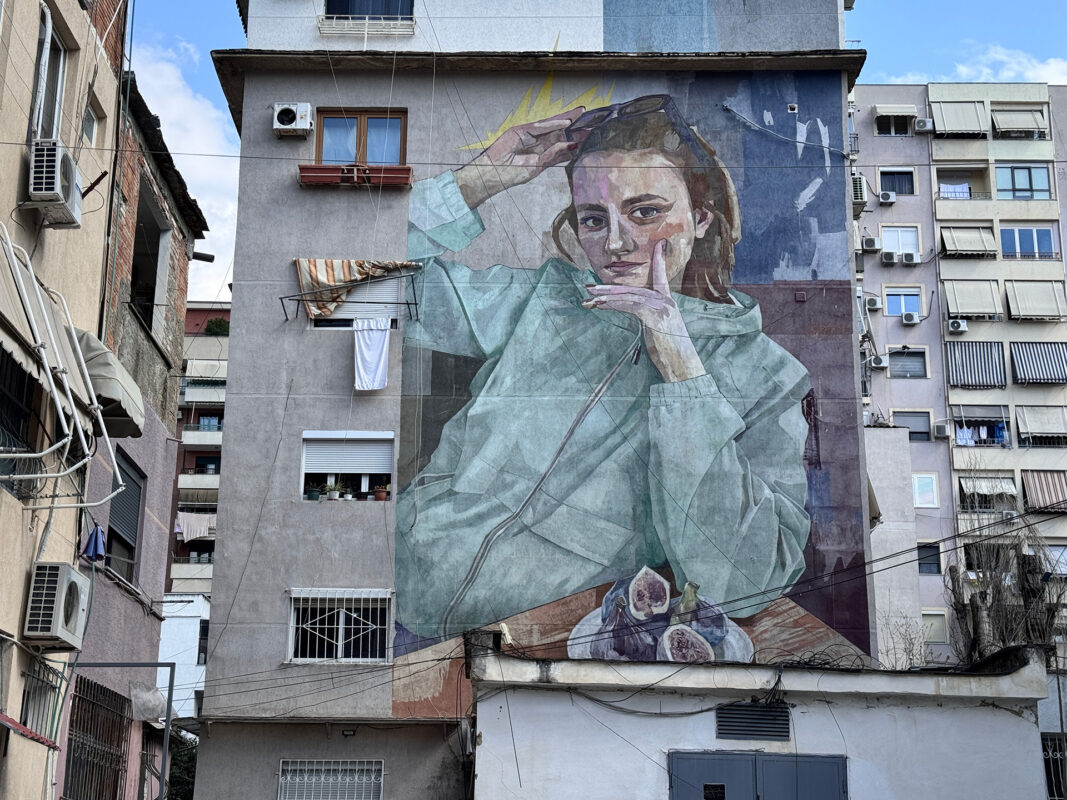
To understand the current evolution in Tirana, one must examine the dual influences that have shaped the Albanian palate for decades. Following the end of the communist era in the early 1990s, Albania experienced a massive proliferation of private cafes. This expansion was heavily influenced by the country’s proximity to Italy, leading to a nationwide preference for dark-roasted espresso. Simultaneously, the remnants of Ottoman history preserved the tradition of Turkish coffee—thick, unfiltered, and often served in domestic settings or to older generations.
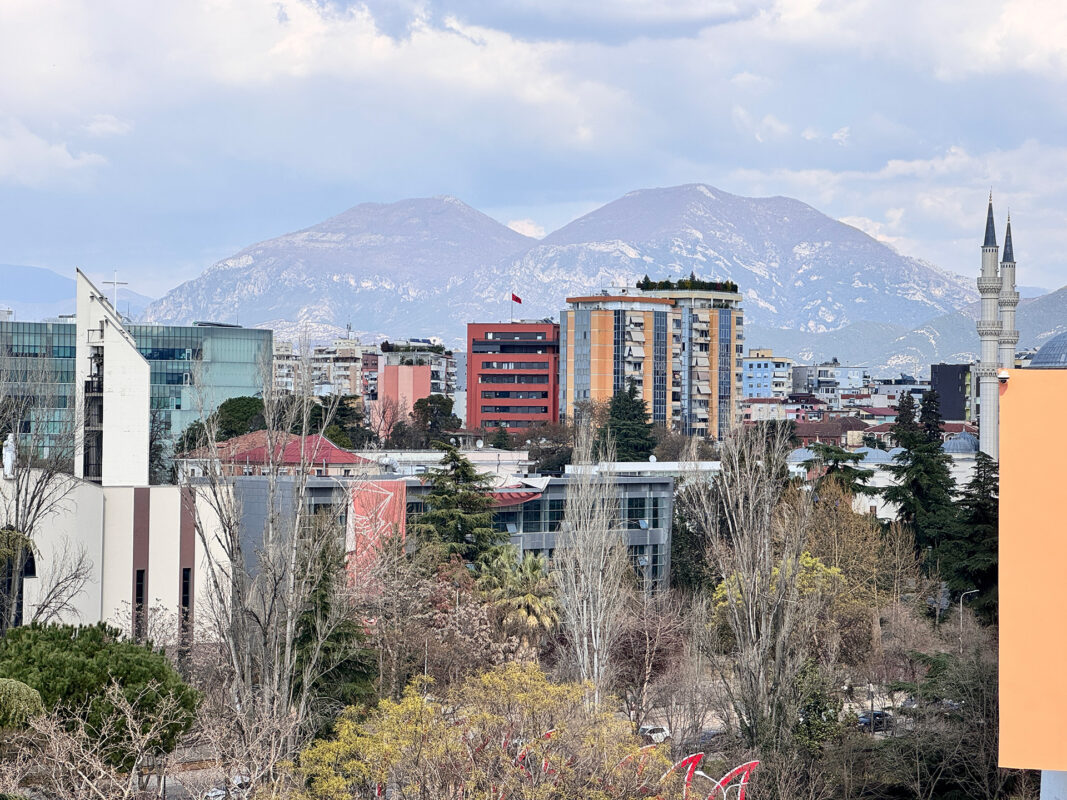
In the traditional Albanian cafe, particularly among the older male demographic, coffee is frequently accompanied by a small glass of raki, a potent grape-based brandy. This combination represents the "old guard" of Albanian hospitality. However, the aesthetic and functional landscape of Tirana is changing. The city is actively transitioning away from its somber architectural past, repurposing communist-era bunkers into high-tech museums and opening former surveillance hubs to the public. As the city’s skyline incorporates modern glass structures alongside drab concrete blocks, the beverage industry is following a similar path of modernization.
The Chronology of the Specialty Shift
The timeline of specialty coffee in Tirana is relatively recent but marked by rapid iteration. The first significant attempt to establish a dedicated specialty presence was Antigua Cafe. While it served as a pioneer for the movement, the establishment was forced to close its doors in September 2025. In many emerging markets, such a closure might signal a lack of consumer appetite; however, in Tirana, it served as a catalyst. By late 2025 and into 2026, a new wave of "optimists"—often younger Albanians who have traveled or lived abroad—stepped in to fill the vacuum.
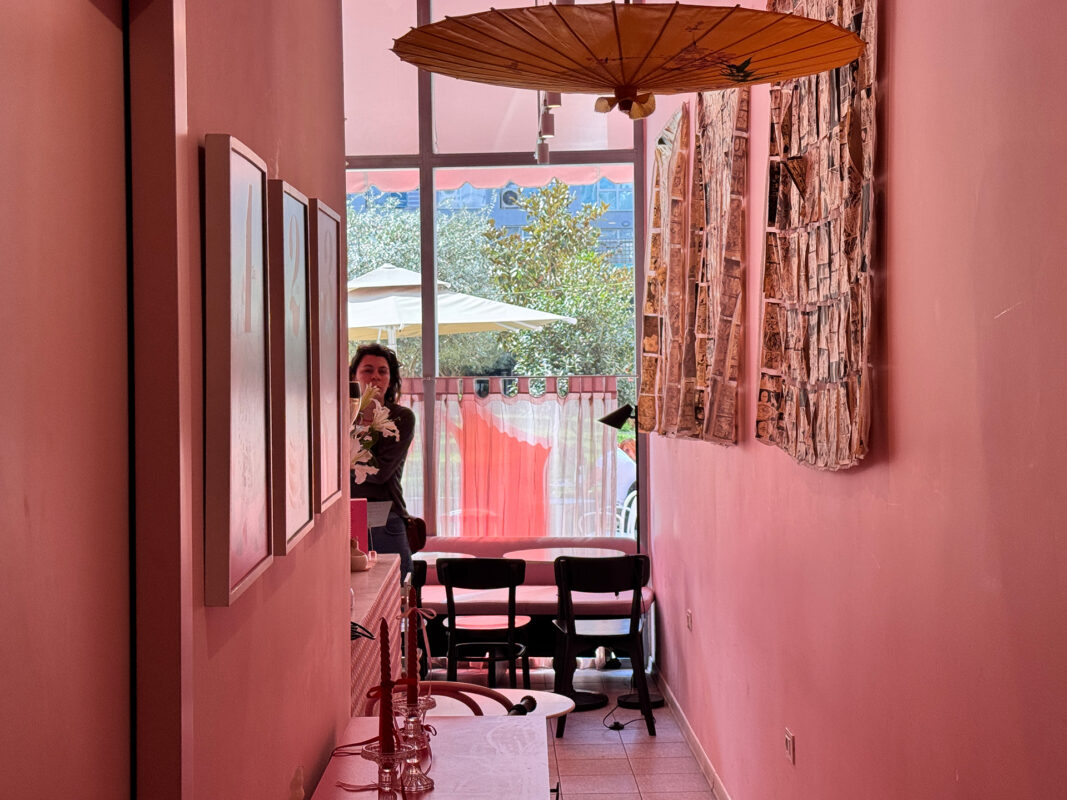
This new cohort of baristas and roasters is not merely opening shops but is investing heavily in international education and supply chain transparency. The movement is concentrated in specific urban hubs, most notably the Blloku district. Once a restricted zone reserved for the communist elite, Blloku has transformed into the city’s most vibrant neighborhood, characterized by high-end nightlife, experimental dining, and now, the highest concentration of specialty coffee.
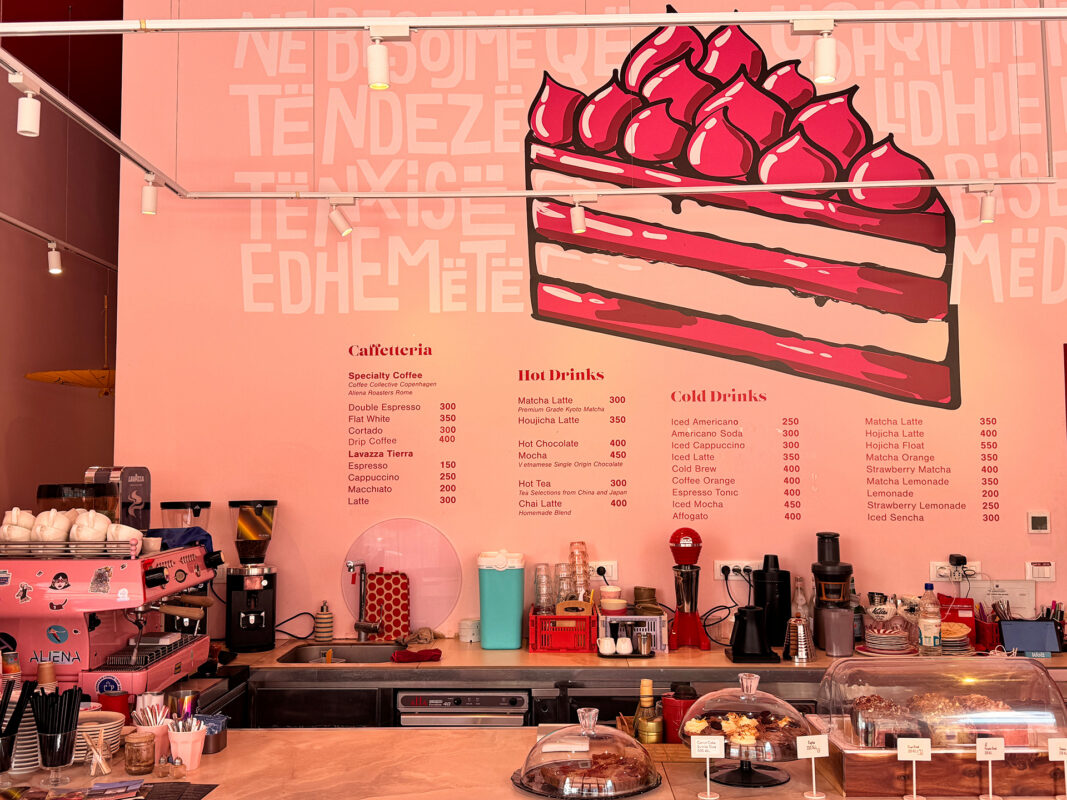
Rubi Cakes & Specialty Coffee: Professionalization of the Craft
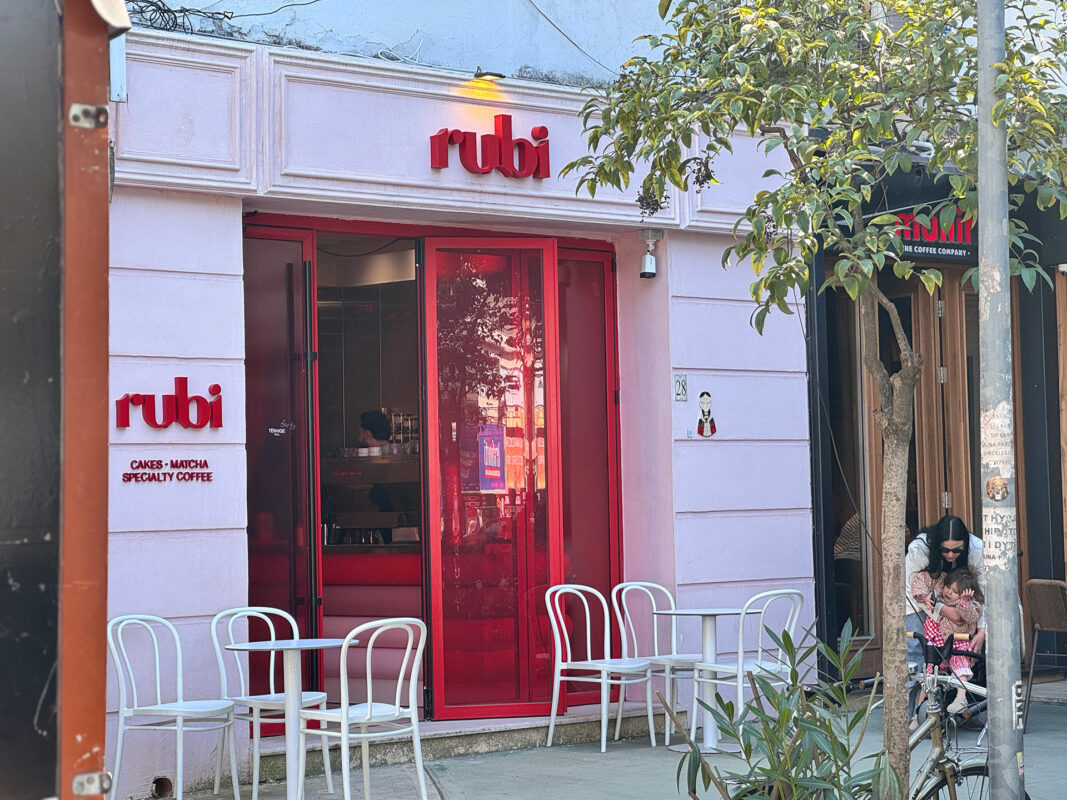
A leading example of this professionalization is Rubi Cakes & Specialty Coffee. The establishment’s strategy reflects a rigorous commitment to international standards. Head barista and shareholder Kevin Imami has bypassed local commodity distributors in favor of globally recognized roasters, specifically Denmark’s Coffee Collective and Rome-based Aliena.
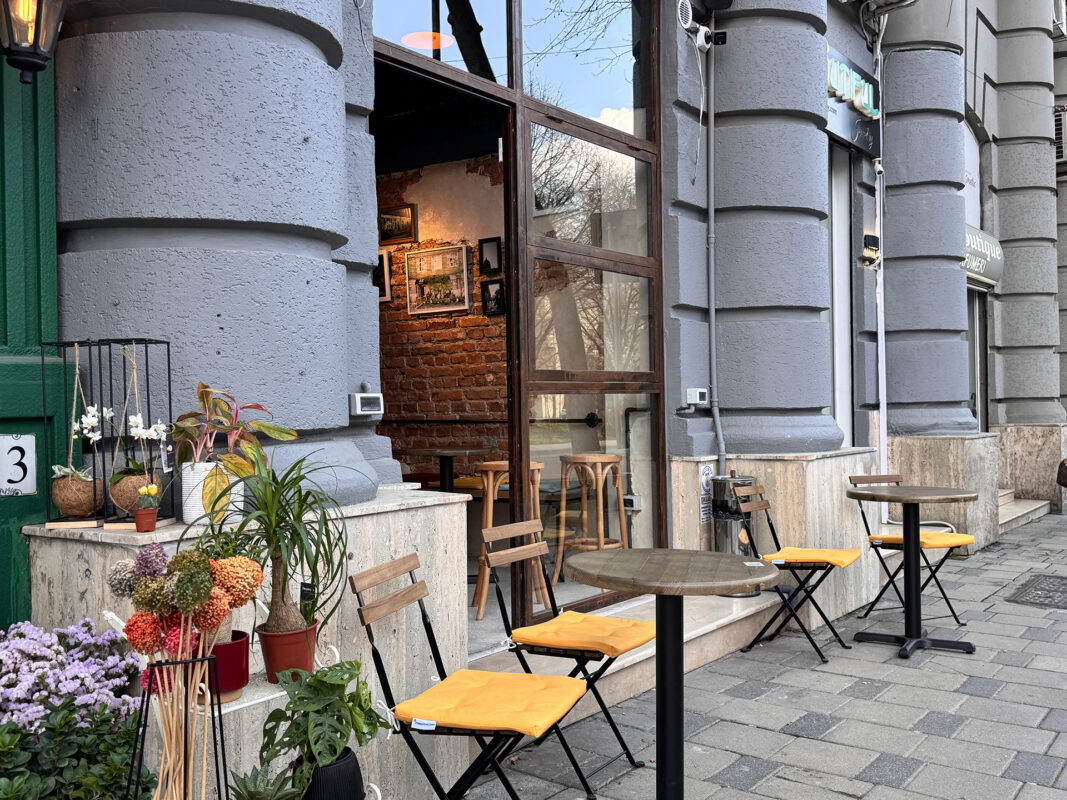
In a move that underscores the seriousness of the Tirana scene, Imami traveled to both Copenhagen and Rome to undergo direct training with these companies. This ensures that the technical execution—extraction times, water chemistry, and grind profiles—meets the standards expected in established coffee capitals like London or New York. Rubi’s expansion into the Kommuna square area indicates a growing demand beyond the immediate center of Blloku. The use of high-end equipment, such as the La Marzocco Linea PB and Felicita precision scales, demonstrates a shift from the "approximation" of traditional brewing to the "science" of specialty extraction.
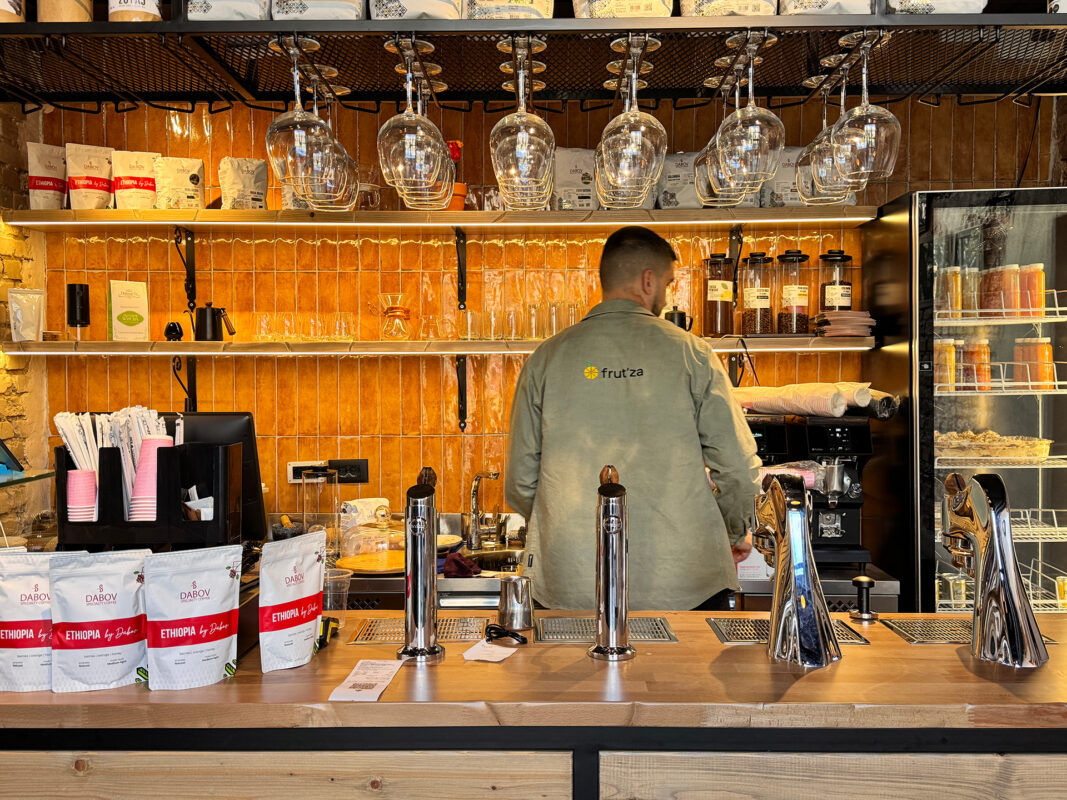
Diversification and Market Entry: Frut’za and Nöje
The transition to specialty coffee is also being driven by businesses that have pivoted from other sectors. Frut’za, originally a fruit-delivery enterprise, recognized the potential for a high-quality beverage offering and integrated a specialty coffee lab into its business model. By sourcing beans from Bulgarian roaster Dabov—led by Jordan Dabov, a juror for the prestigious Cup of Excellence—Frut’za has brought a level of competitive scrutiny to the local market. Their "Vögel" location on the Lana River functions as a dedicated lab, prioritizing coffee quality over extensive food menus, which serves to educate the consumer on the nuances of terroir and processing.
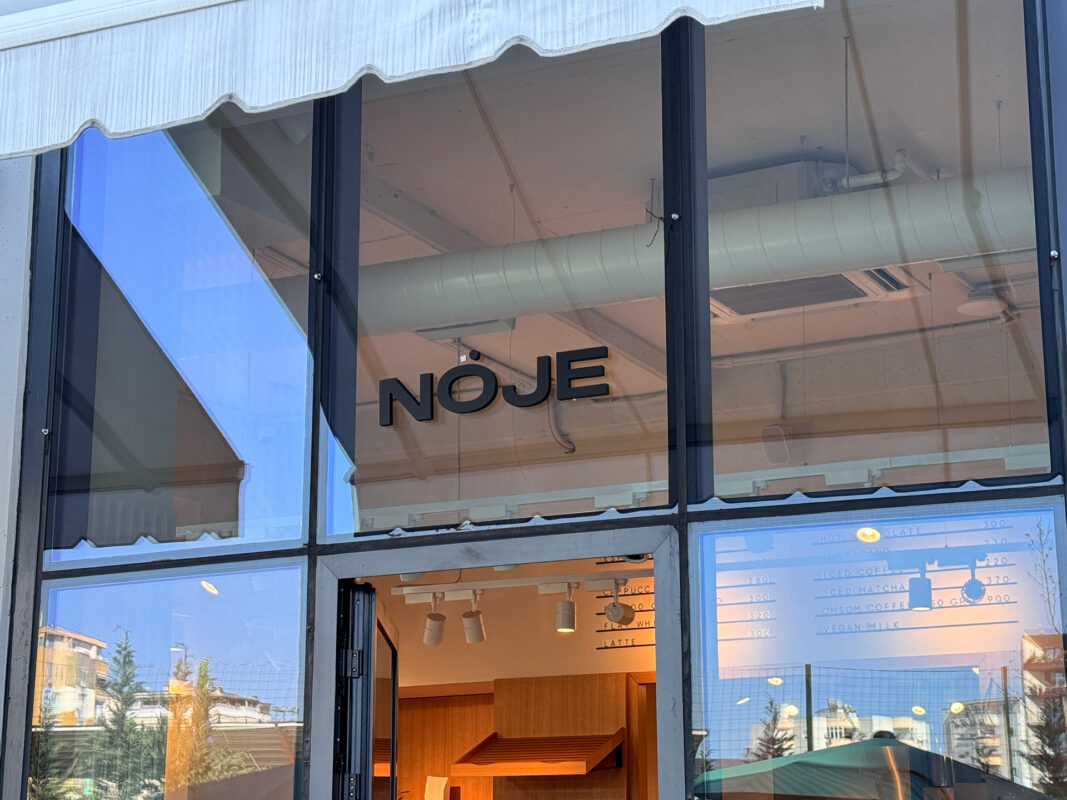
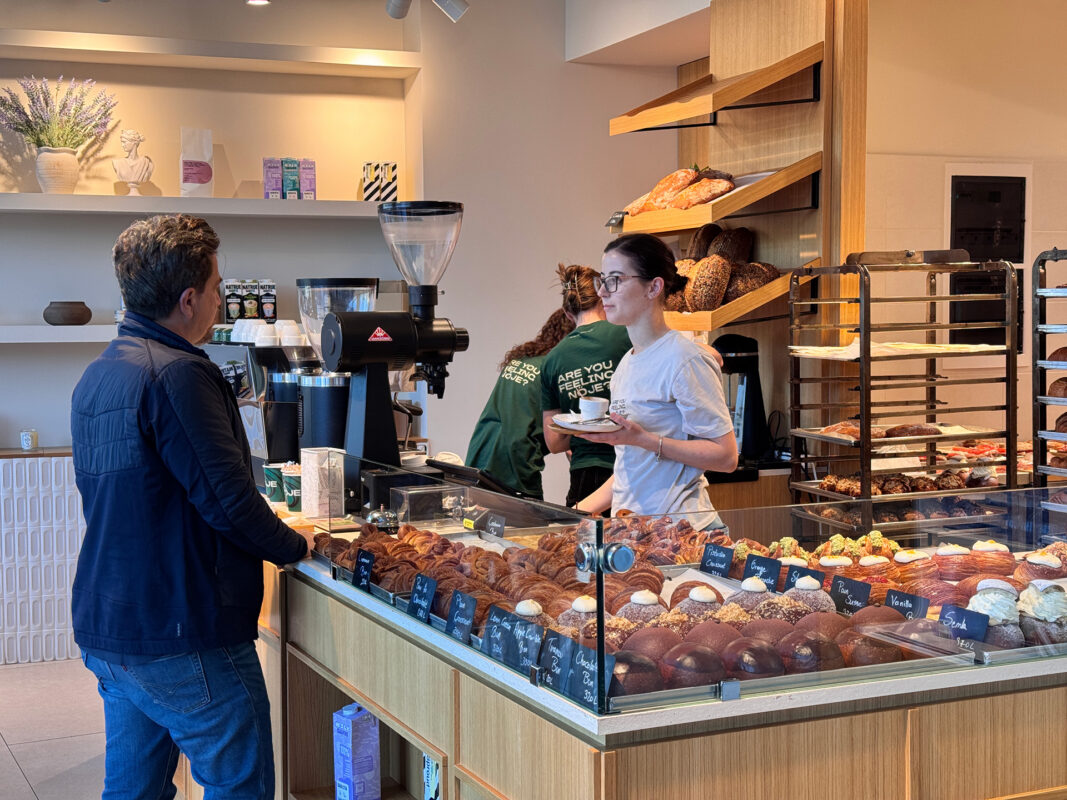
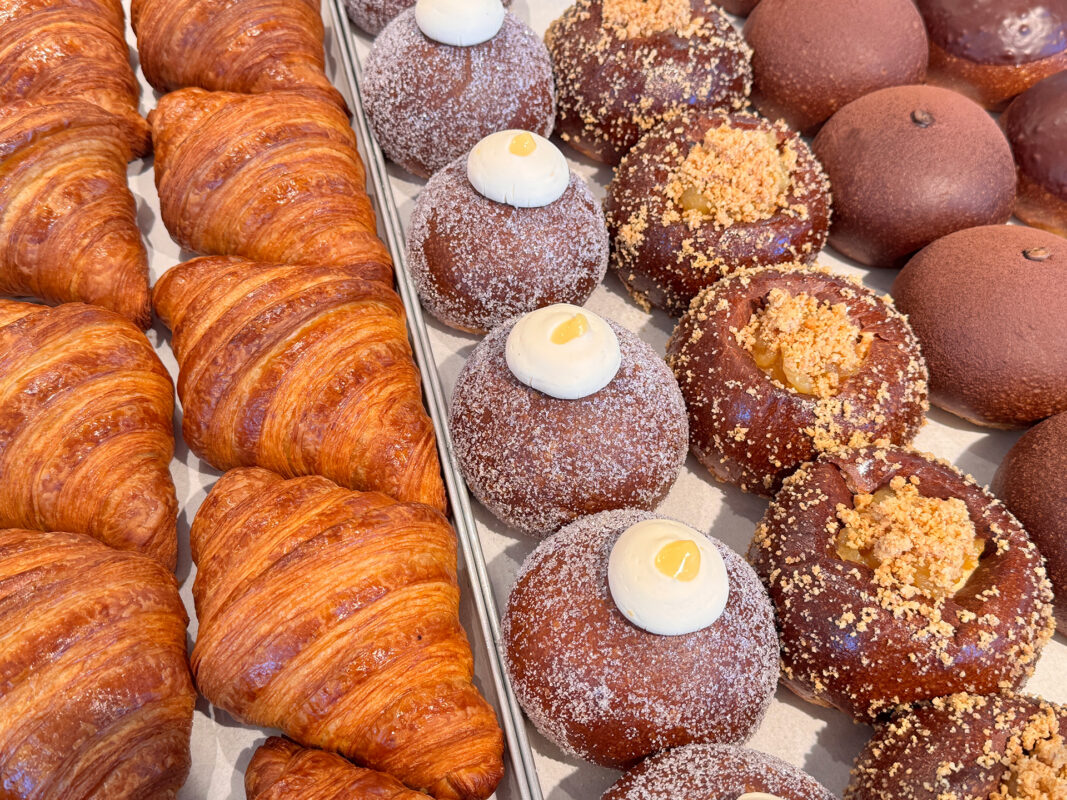
Simultaneously, the "Scandinavian bakery" trend has arrived via Nöje. Opened in 2025, Nöje mirrors the minimalist aesthetics and culinary focus found in Copenhagen. By partnering with Greek roasters like Omsom Coffee Roasters from Athens, Nöje emphasizes the pairing of floral, light-roast Ethiopian filter coffees with high-quality pastries. This reflects a broader European trend where the boundaries between high-end baking and specialty coffee are increasingly blurred.
Bridging the Gap: Hana Corner Cafe and Mimoza n’Qoshe
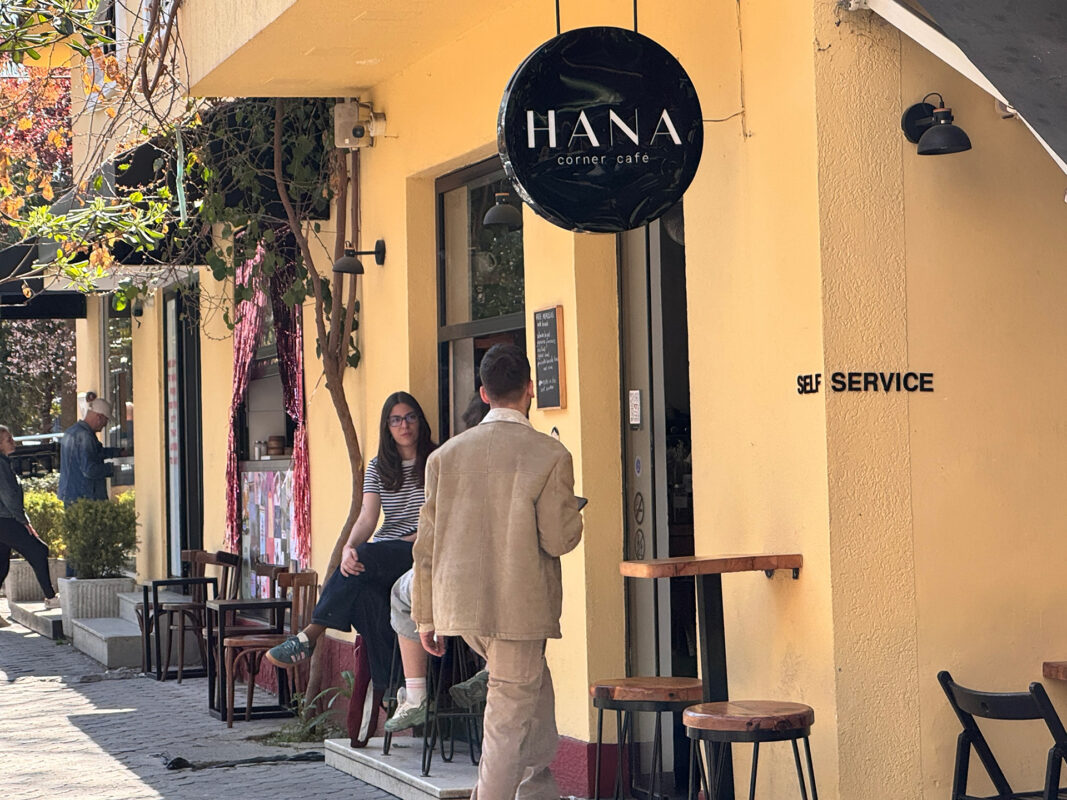
For the movement to survive in Tirana, it must address the "bridge" between traditionalists and reformers. Hana Corner Cafe occupies this middle ground. By maintaining a high-volume takeout window while offering a sophisticated menu that includes matcha and specialty espresso, Hana caters to the "hip" demographic of Blloku while remaining accessible to those on the move.
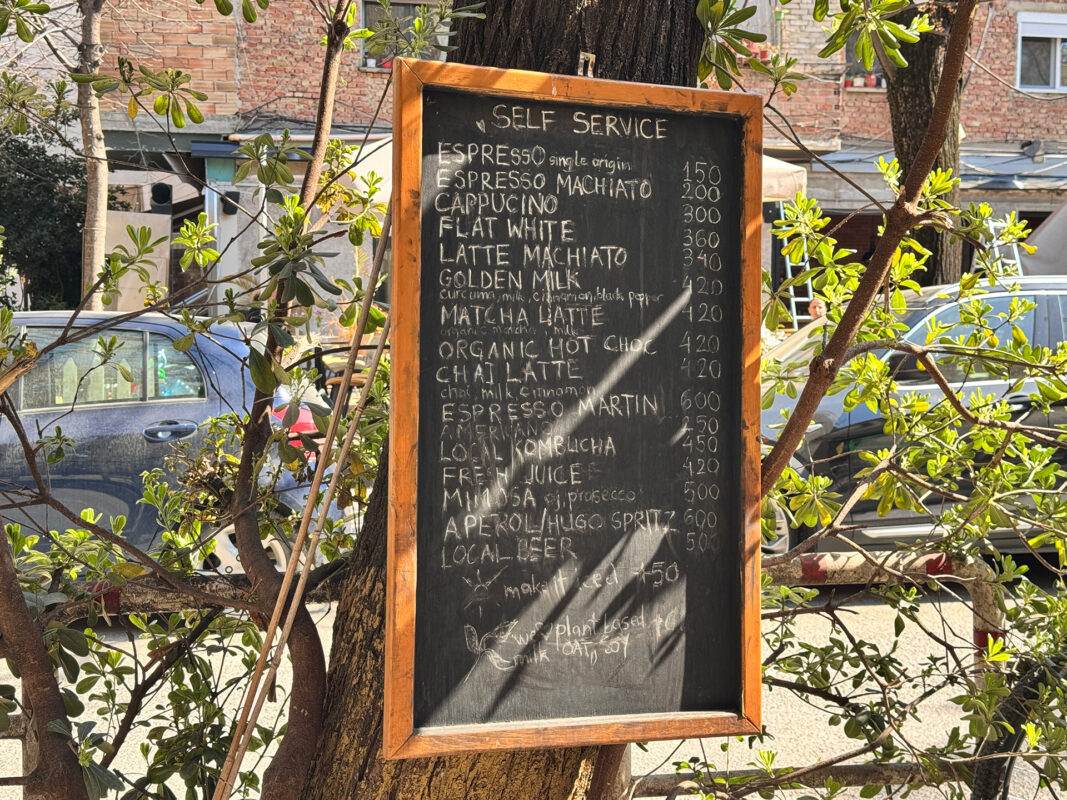
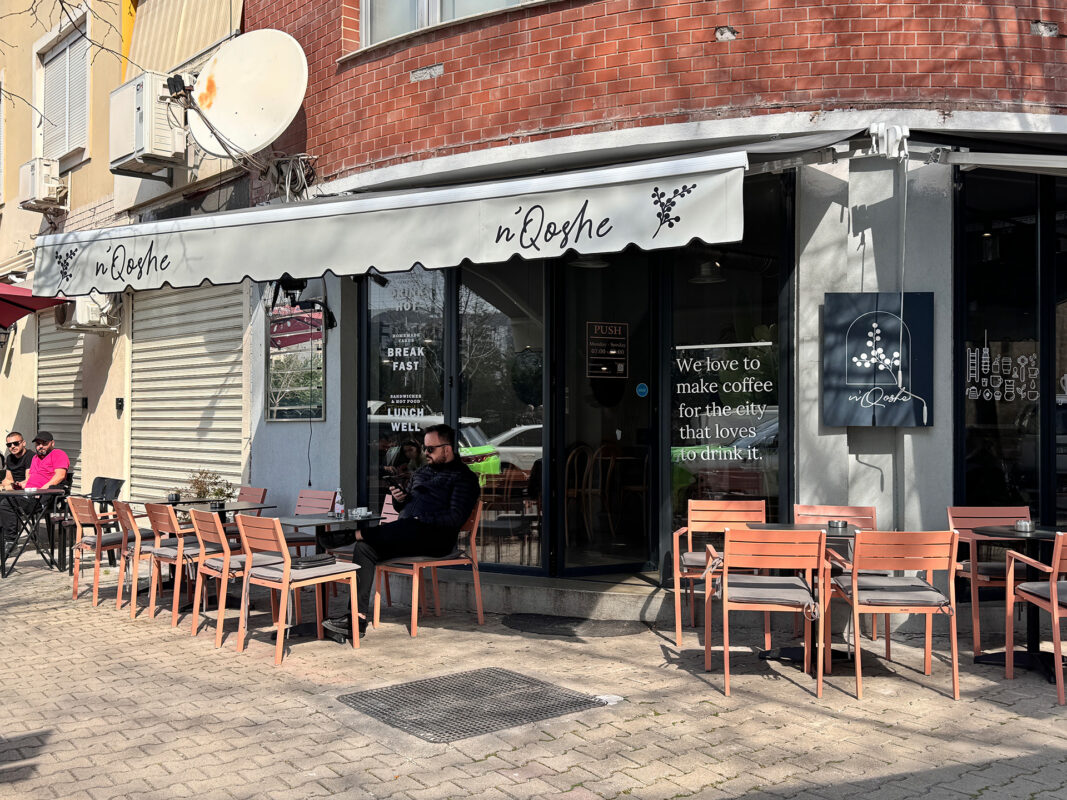
Further into the residential pockets, Mimoza n’Qoshe serves as a critical point of discovery. Sourcing beans from Nowhere Future Coffee Roasters in Milan, Mimoza represents the sophisticated evolution of the Italian influence—moving from dark, oily roasts to the complex, anaerobic fermentations that currently define the cutting edge of the industry. The staff at such establishments are increasingly acting as educators, explaining the differences between "washed" and "natural" processes to a curious public.
Supporting Data and Economic Implications
The emergence of this scene is supported by broader economic trends in Albania. The tourism sector has seen a significant uptick, with Tirana becoming a popular destination for "digital nomads" and European travelers seeking affordable yet culturally rich experiences. This international influx creates a consistent demand for specialty coffee that meets global expectations.
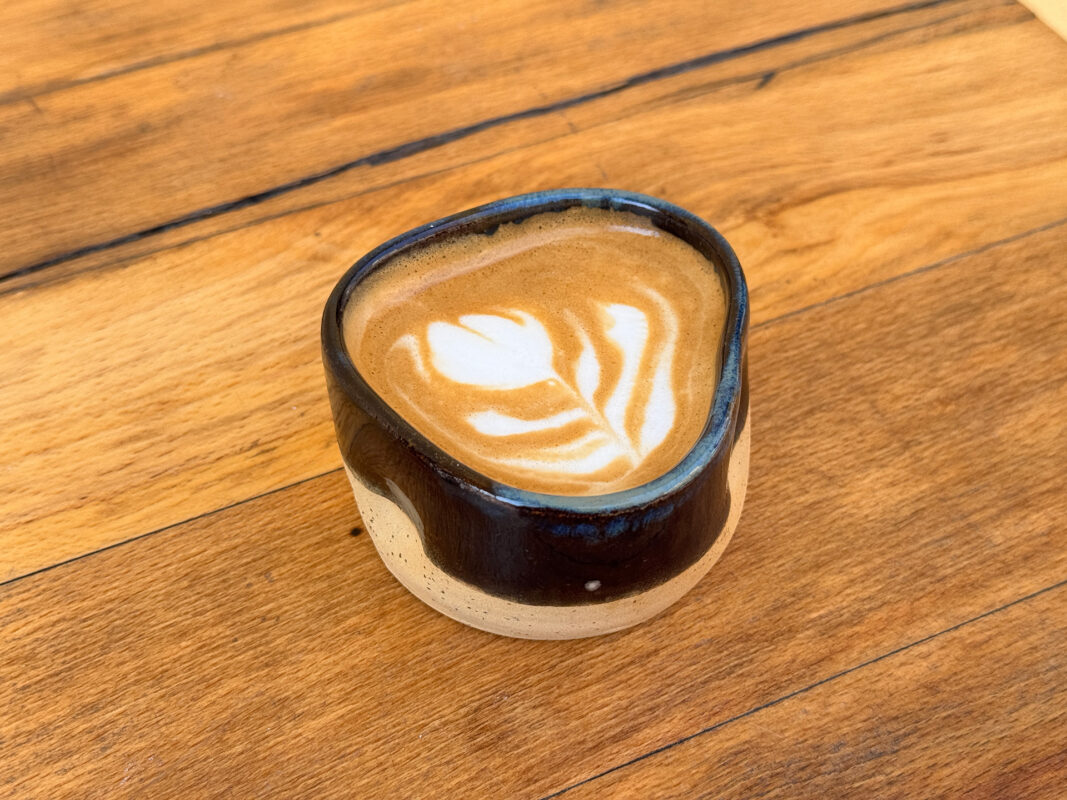
Data from regional market analysts suggests that while the "dark roast" market remains the largest by volume, the "value-added" coffee segment (specialty) is growing at an estimated annual rate of 12-15% in urban centers like Tirana. This growth is significant because specialty coffee typically commands a price point 30% to 50% higher than commodity espresso, suggesting an increasing willingness among the Albanian middle class to pay for quality and ethical sourcing.
Broader Impact and Future Outlook
The rise of specialty coffee in Tirana is more than a culinary trend; it is a symptom of the city’s rapid modernization and its desire to integrate into the global cultural economy. By moving away from the commodity-driven models of the past, Albanian entrepreneurs are creating a new narrative for the country—one that values precision, transparency, and international collaboration.
However, challenges remain. The "Balkans factor"—a culture where cigarette smoke is often synonymous with the cafe experience—can sometimes clash with the delicate sensory requirements of appreciating a high-altitude Gesha or a light-roast Ethiopian Yirgacheffe. Furthermore, the reliance on imported roasts from Denmark, Italy, and Greece highlights a gap in the local market: the lack of a large-scale, high-quality specialty roastery within Tirana itself.
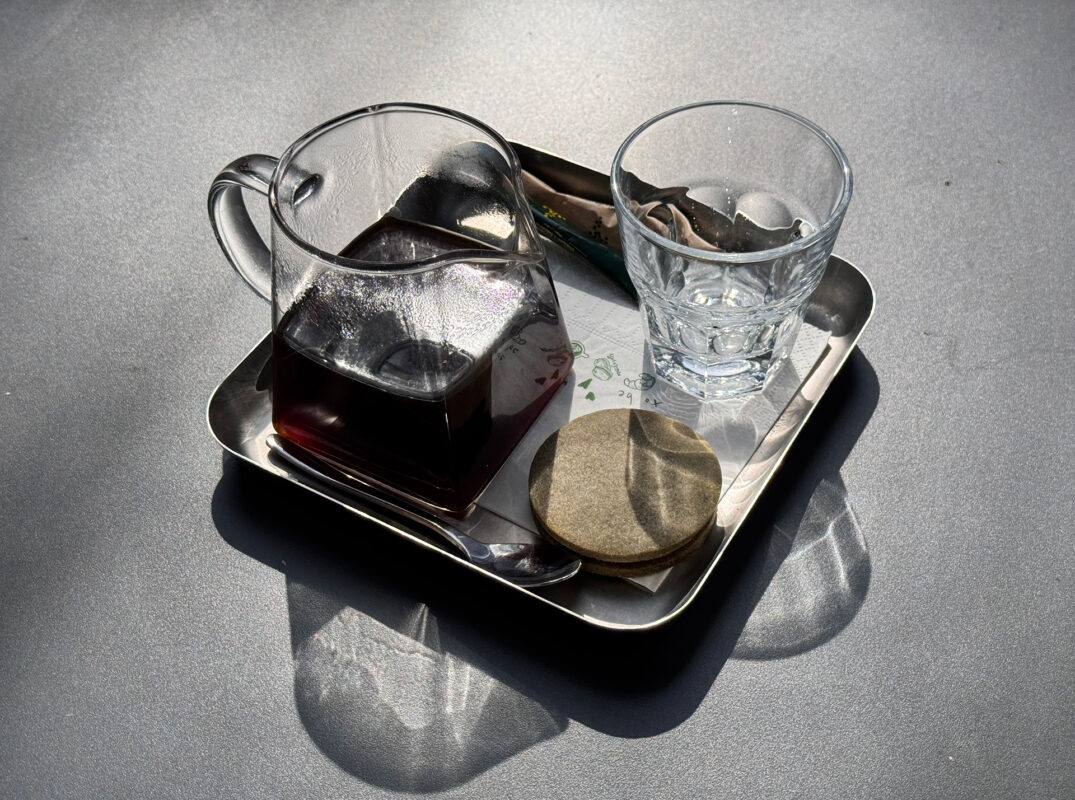
As the scene matures, the next logical step will likely be the emergence of local micro-roasteries that can reduce the carbon footprint and costs associated with importing. For now, Tirana remains an "emerging" scene, characterized by the raw excitement of discovery. It is a city where the past is visible in the concrete of its bunkers, but the future is being brewed, one carefully weighed gram at a time, in the cafes of Blloku and beyond. The slogan found on the window of Mimoza n’Qoshe perhaps best summarizes the current state of the capital: "We love to make coffee for the city that loves to drink it." In Tirana, that love is finally being matched by technical expertise.