Cintya Tara Annisa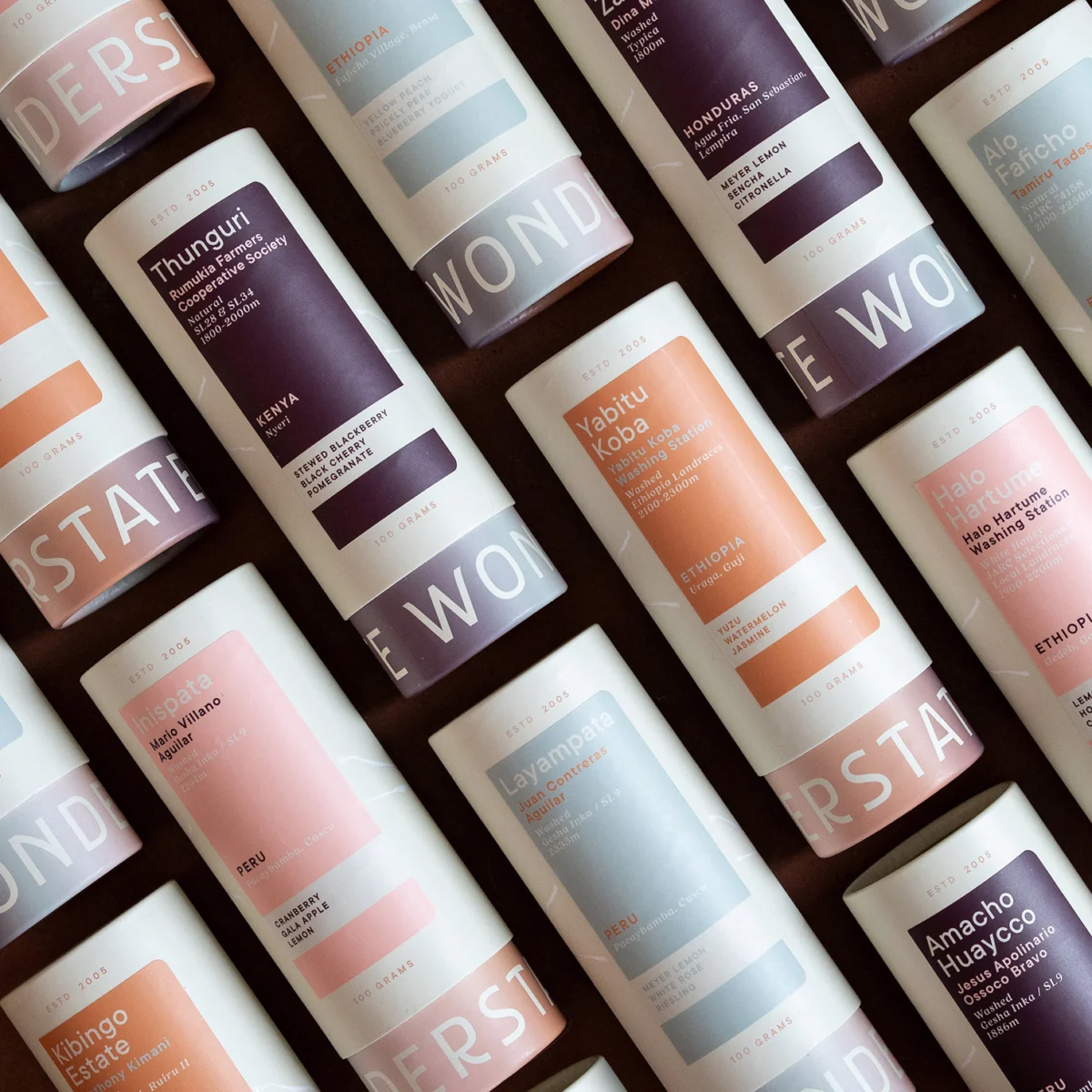
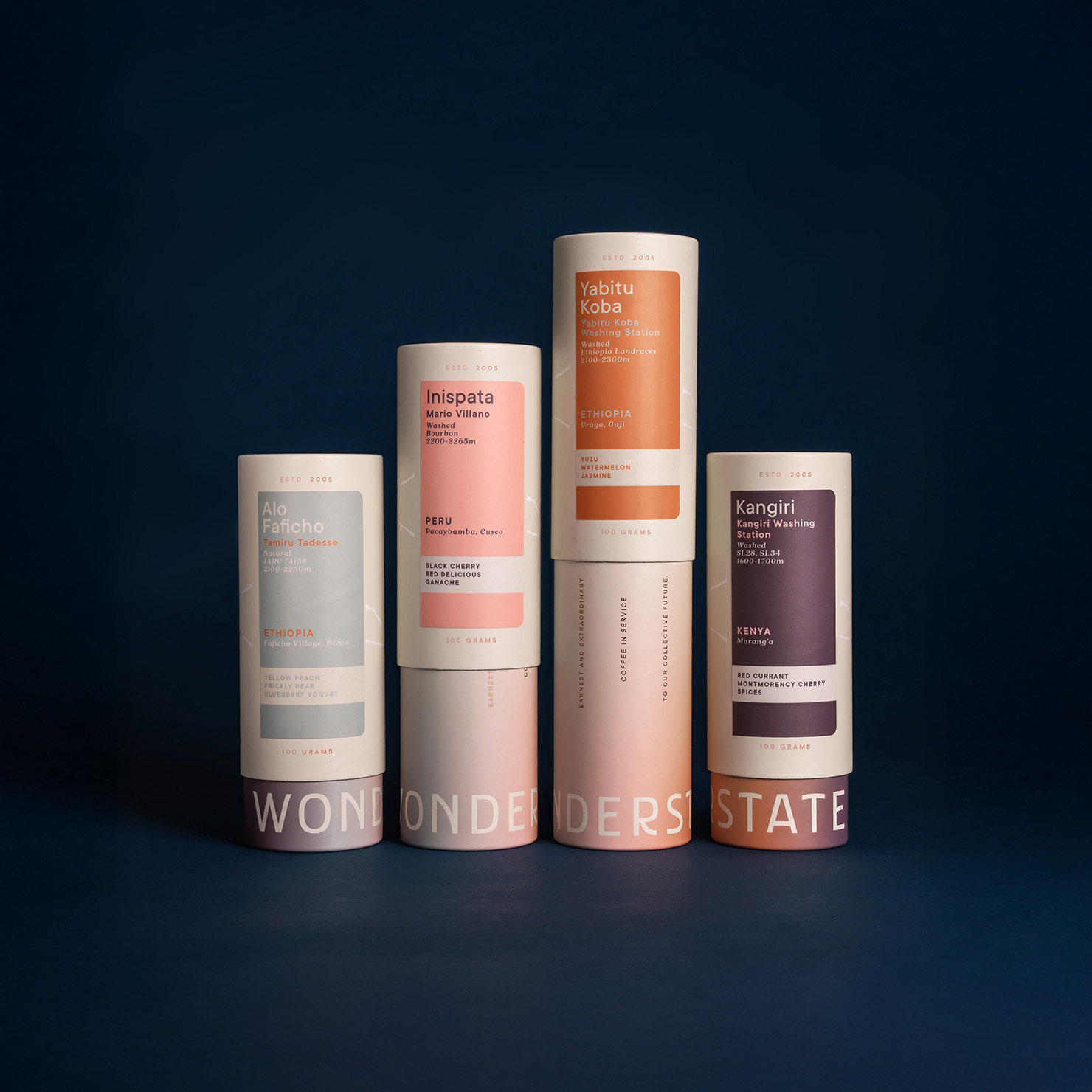
In a strategic move to differentiate its premium offerings and reinforce its commitment to environmental stewardship, Wonderstate Coffee has unveiled a new packaging architecture centered on the cylindrical tube. This design overhaul, specifically tailored for the company’s single-origin program, represents a departure from traditional flexible pouch packaging. The implementation aims to elevate the aesthetic profile of high-end coffees while addressing the complex logistics of sustainability in the global coffee supply chain. By utilizing a 100% curbside recyclable paper structure, the Wisconsin-based roaster is positioning itself at the forefront of a growing industry movement that prioritizes circular economy principles over conventional plastic-lined storage solutions.
The Evolution of the Vessel: From Pouch to Tube
The transition to tube-based packaging is the result of a multi-year development process led by Wonderstate’s internal creative and product teams. For years, the specialty coffee industry has relied on multi-layer laminate bags, which often include aluminum or plastic barriers to prevent oxidation. While effective for shelf life, these materials are notoriously difficult to recycle. Wonderstate’s new approach utilizes a structurally sound paper tube that emphasizes tactile comfort and a sleek, minimalist aesthetic.
According to Bobbi Griffin, Head of Brand at Wonderstate Coffee, the primary objective was to distinguish the single-origin program from the company’s standard blends. Historically, these two distinct categories shared similar packaging formats, which sometimes led to a lack of visual hierarchy on retail shelves. The new cylindrical form serves as a physical cue for consumers, signaling a higher-tier product that focuses on the specific nuances of a single farm or washing station.
The design features a "white-on-white" kintsugi motif—a subtle reference to the Japanese art of repairing broken pottery with gold. This imagery is deeply symbolic for the brand, representing its 2020 transition from its former name, Kickapoo Coffee, to Wonderstate. The kintsugi crack serves as a bridge between the company’s past and its future, acknowledging the labor involved in rebuilding a brand identity while maintaining a commitment to quality.
A Two-Year Development Timeline
The path to the final product was not instantaneous. The design and sourcing phase spanned nearly 24 months, as the company sought a manufacturing partner capable of meeting its rigorous sustainability and aesthetic standards. The collaboration involved Creative Manager Neal Olson and the in-house product team, who worked to ensure the packaging was not only visually appealing but also functional for both the roastery and the end consumer.
The timeline reflects the challenges inherent in specialty coffee packaging. Unlike standard commodities, high-end coffee requires packaging that can handle the off-gassing of carbon dioxide while protecting the beans from light and moisture. Wonderstate used this two-year window to test various materials, ultimately landing on a paper-based solution that aligns with modern perceptions of coffee "freshness."
Sustainability and the Recyclability Paradigm
One of the most significant aspects of the new packaging is its rejection of plastic and metal liners. In the current environmental landscape, many coffee companies have pivoted toward compostable materials. However, Wonderstate has taken a different stance, advocating for curbside recyclability as the "gold standard" of sustainability.
This decision is rooted in infrastructure data. While compostable plastics (often made from corn or soy) are marketed as eco-friendly, they typically require industrial composting facilities to break down properly. According to environmental impact studies, a vast majority of consumers do not have access to such facilities, leading many "compostable" bags to end up in landfills where they remain intact for years. Conversely, paper recycling infrastructure is well-established in nearly every municipality.
The Wonderstate tube is constructed entirely of paper, making it 100% curbside recyclable. Furthermore, the structural integrity of the tube encourages reusability. Consumers are more likely to repurpose a sturdy cardboard tube for household storage than a flexible plastic bag, extending the lifecycle of the material before it even enters the recycling stream.
Scientific Shifts in Freshness and Gas Management
The move to a paper tube also reflects a shift in the scientific understanding of roasted coffee. Traditionally, the industry prioritized "oxygen-proof" barriers to extend shelf life for months. However, as the specialty coffee community has evolved, there has been an increasing emphasis on "resting" coffee.
Freshly roasted coffee contains high levels of carbon dioxide, which can interfere with the extraction process during brewing, often leading to "sour" or uneven flavors. Many baristas and roasters now recommend resting coffee for one to two weeks after roasting to allow these gases to dissipate. Because the Wonderstate tube does not utilize an airtight plastic layer, it allows the coffee to "breathe" naturally. This design choice caters to the discerning consumer who intends to consume the coffee within a peak window of flavor rather than storing it indefinitely on a grocery shelf.
Enhancing Producer Visibility and Consumer Education
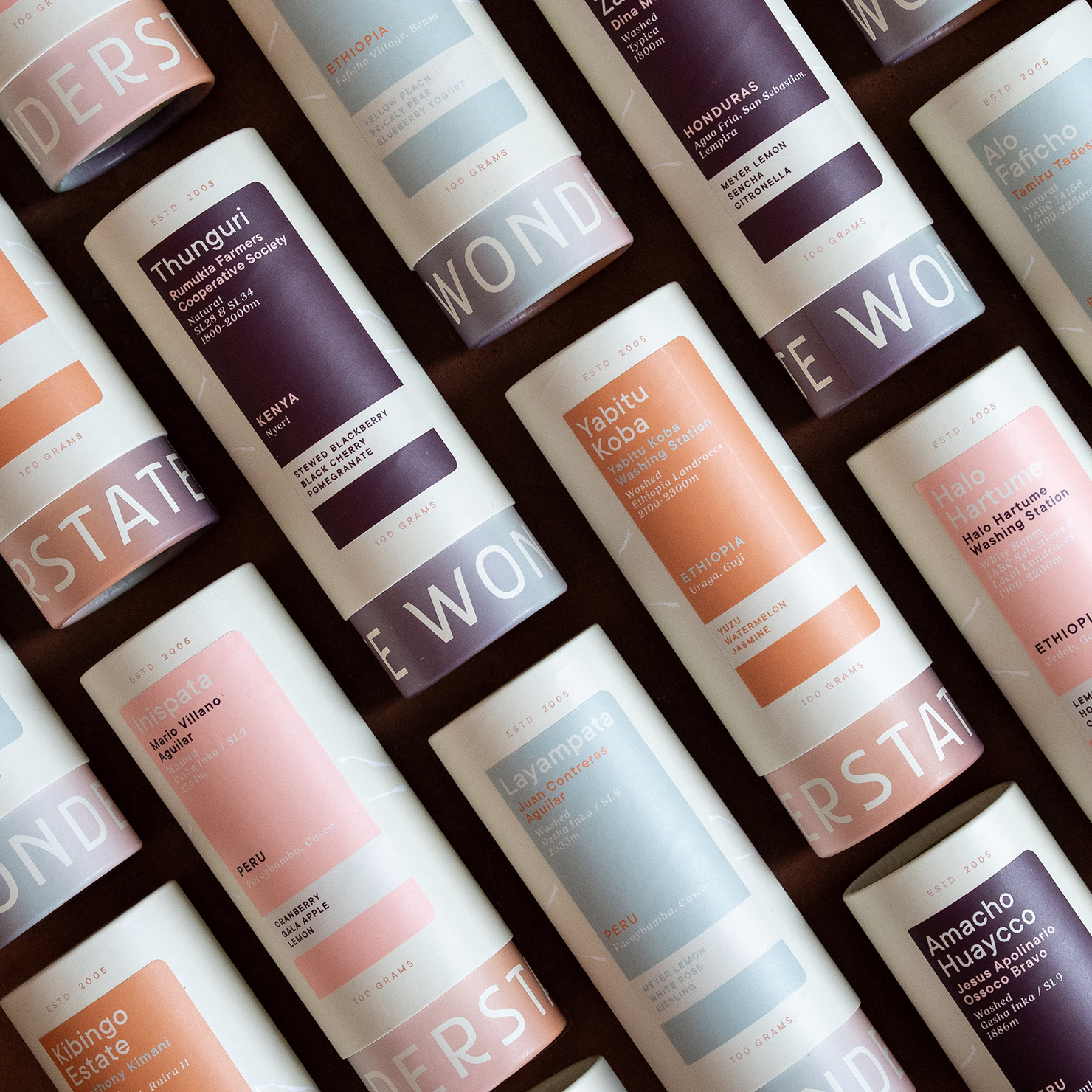
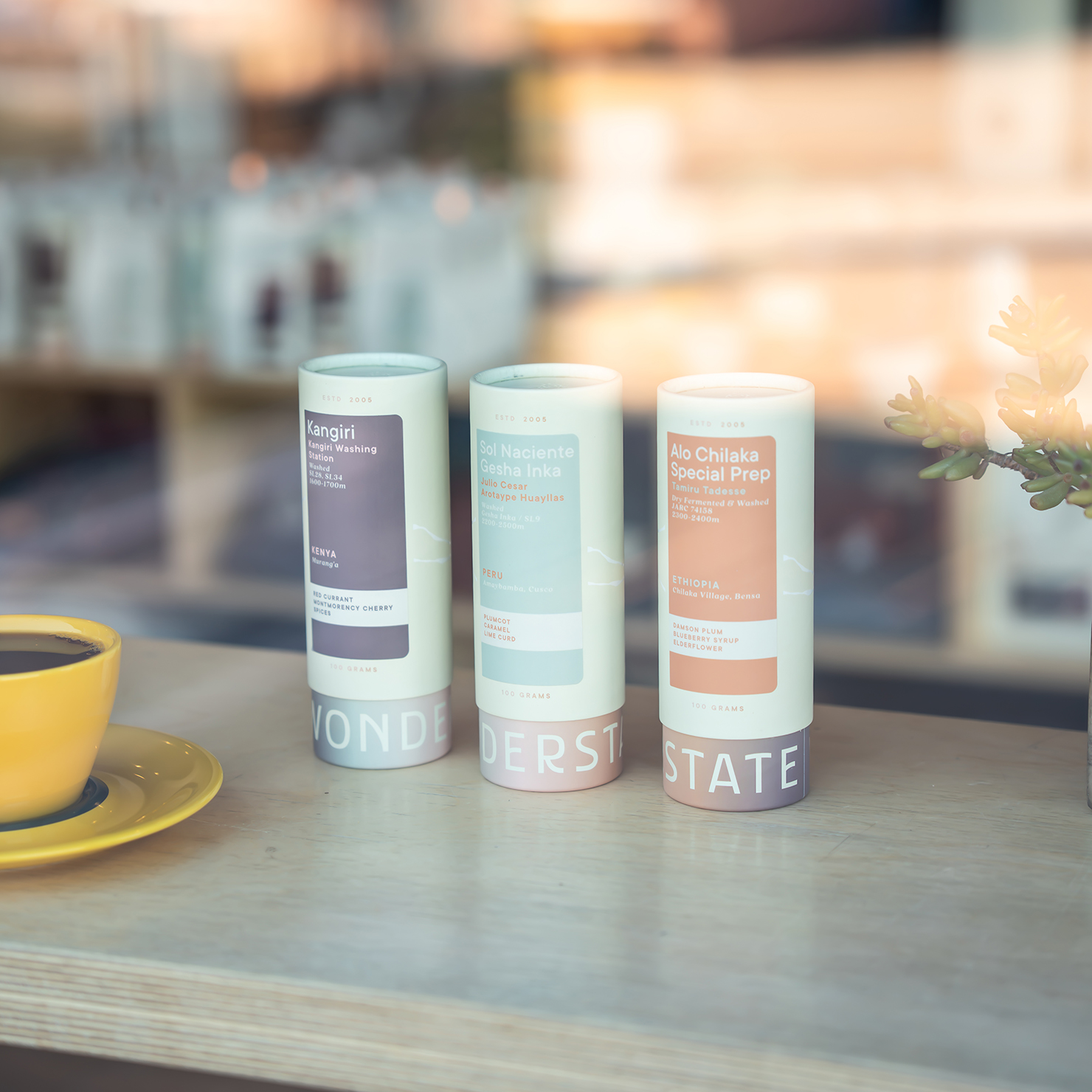
A core tenant of Wonderstate’s mission is transparency. The new packaging is designed to let the brand name take a "backseat" to the coffee producers. The labels on the tubes prioritize the name of the farm, the washing station, and the individual producers, providing as much specificity as possible.
The use of color also plays a functional role in consumer education. The tubes repurpose colors from the company’s seasonal blend program, creating a visual spectrum that denotes the flavor profile and character of the coffee inside. This helps consumers navigate the often-complex world of single-origin offerings, where flavor notes can range from bright, citric acidity to deep, chocolatey sweetness.
Furthermore, the introduction of a smaller "flight" size option is a strategic attempt to lower the barrier to entry for premium coffees. By offering smaller volumes in the tube format, Wonderstate allows customers to sample multiple varieties simultaneously. This "flight" approach encourages side-by-side tasting, which is one of the most effective ways for consumers to learn about the impact of terroir, processing methods, and varietals on the final cup.
Market Context and Industry Implications
Wonderstate’s decision to move toward tube packaging arrives at a time when the specialty coffee market is increasingly crowded. According to market research, the global specialty coffee market is expected to grow significantly through 2030, driven by a consumer base that values sustainability and origin stories.
The "premiumization" of coffee packaging has seen other brands experiment with tin cans, glass jars, and high-end cardboard boxes. However, the tube format offers a unique balance of weight, protection, and sustainability. It provides a premium "unboxing" experience that justifies the higher price point of single-origin beans while maintaining a lower carbon footprint compared to heavy glass or metal containers.
Industry analysts suggest that Wonderstate’s move could prompt other roasters to re-evaluate their reliance on compostable plastics. As the limitations of composting infrastructure become more widely known, the push for "true" recyclability—materials that can be processed by existing municipal systems—is likely to gain momentum.
Availability and Future Outlook
The new packaging is currently being integrated across Wonderstate’s distribution channels. The coffee flights, featuring the smaller tube sizes, are available exclusively through the company’s online store. Individual single-origin tubes are being rolled out to Wonderstate’s brick-and-mortar cafes in Wisconsin, as well as to their various wholesale partners across the United States.
As the company moves forward, the tube design is expected to become a hallmark of the Wonderstate brand. It serves as a physical manifestation of their philosophy: that high-end coffee should be an intersection of agricultural excellence, thoughtful design, and uncompromising environmental responsibility. By centering the "tube" in their packaging strategy, Wonderstate is not just selling coffee; they are advocating for a more transparent and sustainable model for the entire specialty coffee industry.
The success of this initiative will likely be measured by consumer adoption and the potential for other roasters to follow suit in abandoning multi-layer laminates for simpler, more recyclable materials. For now, Wonderstate remains a leader in the conversation regarding how the specialty coffee industry can reduce its environmental impact without sacrificing the quality or the narrative of the producers who make the industry possible.