rifanmuazin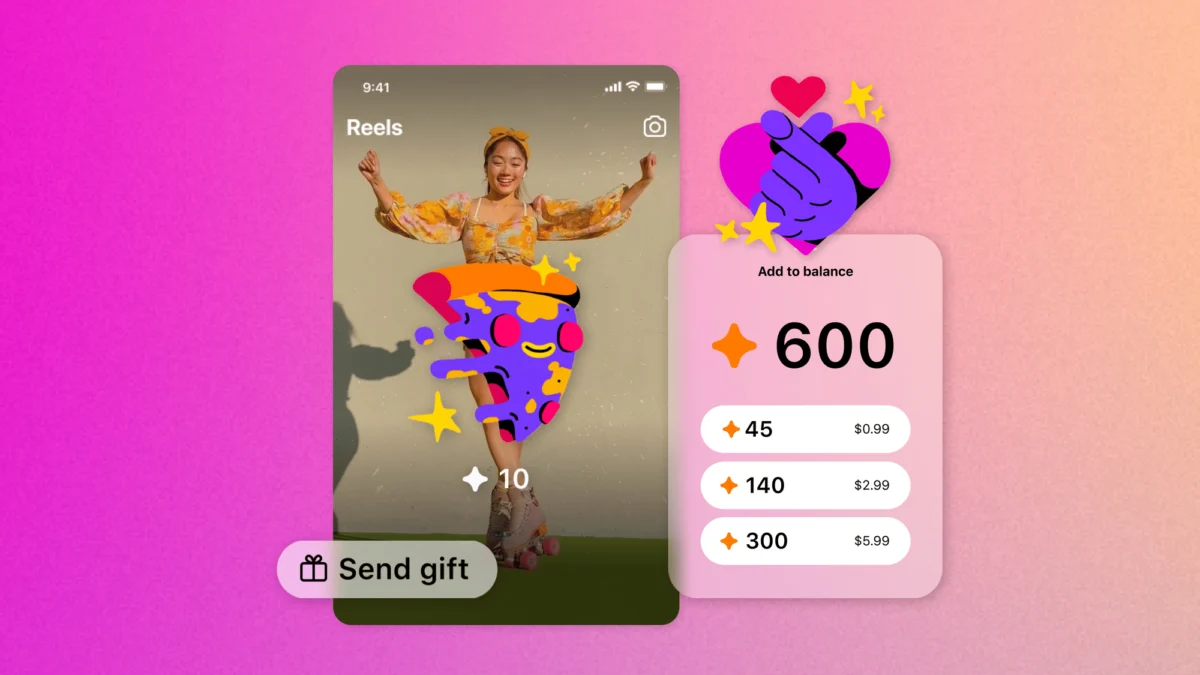
The Evolution of the Creator Economy on Instagram
Instagram, once primarily a photo-sharing application, has transformed into a robust economic engine for millions worldwide. This shift reflects the broader rise of the "creator economy," an ecosystem where individuals leverage their personal brand and digital content to earn revenue. Initially dominated by large-scale influencers and celebrities, the platform’s monetization opportunities have steadily democratized, driven by Instagram’s own feature development and a growing demand from brands for authentic, niche engagement. The global influencer marketing market, valued at approximately $16.4 billion in 2022, continues its rapid expansion, underscoring the substantial economic activity fueled by platforms like Instagram. This growth has created a fertile ground for creators with diverse audiences, emphasizing genuine connection over sheer numerical reach.
The journey to monetization on Instagram, as many creators attest, is not a path to "easy money." It demands consistent effort, strategic thinking, and a willingness to experiment with various income streams. Success hinges on understanding what genuinely resonates with an audience and how to translate that engagement into tangible financial returns. This article explores 12 of the most effective methods for generating income on Instagram, dissecting their operational mechanics, eligibility criteria, and strategic advantages for creators ranging from those just embarking on their digital journey to those with established followings.
Diverse Monetization Avenues: A Strategic Overview
Instagram’s monetization opportunities broadly categorize into three strategic pathways, each presenting distinct barriers to entry and payout models. Understanding these categories is crucial for creators developing a sustainable income strategy.
| Path | Methods Covered | Minimum Follower Threshold | Payout Model |
|---|---|---|---|
| In-App Features | Subscriptions, Gifts, Badges, Bonuses | 500–10K (varies by feature) | Audience purchases or seasonal bonus |
| Brand Collaborations | Sponsored Posts, UGC, Affiliate Links | No minimum (UGC/affiliate); 1K+ (sponsored) | Flat fee, product gifting, or commission |
| Self-Promotion | Instagram Shop, Own Products/Services, Courses, Ads, Merch | No minimum | Direct sales revenue |
It is important to note that specific eligibility criteria, particularly for in-app features, can vary by geographical region and are subject to platform policy updates. Regardless of the chosen path, sustained growth and monetization success are intrinsically linked to consistent engagement with a clearly defined audience. Content repurposing across different streams can significantly enhance the mileage of each piece of created content, maximizing its revenue potential.
Direct Monetization within the Instagram Ecosystem
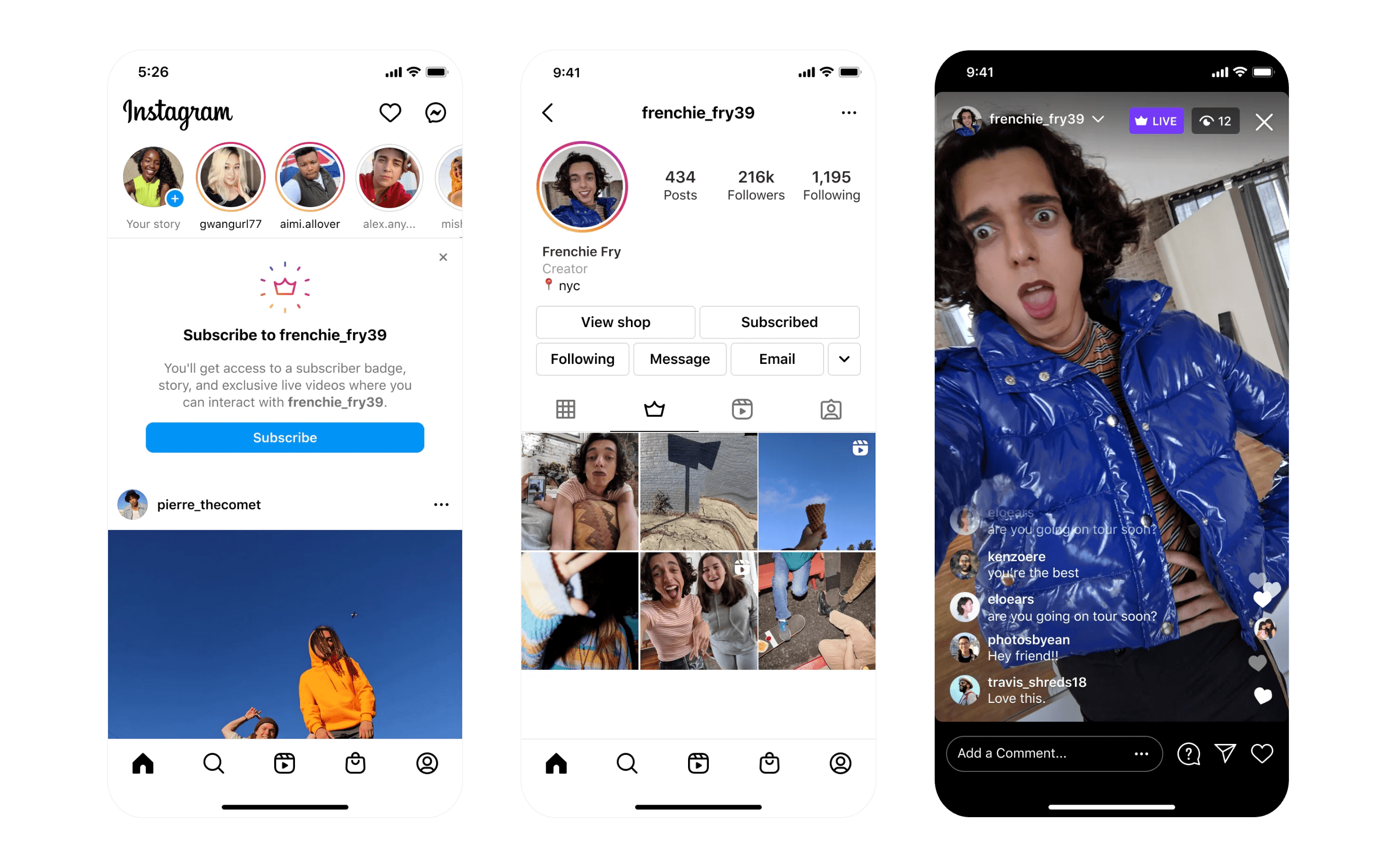
Instagram has increasingly invested in tools that allow creators to earn directly within the application, fostering a more robust creator economy. These "native" income streams facilitate direct financial support from an engaged audience or through platform-initiated programs.
1. Exclusive Content via Subscriptions:
Introduced as a direct competitor to third-party membership platforms, Instagram Subscriptions empower creators with over 10,000 followers to offer exclusive content—including posts, Reels, Stories, and Live sessions—for a recurring monthly fee. This feature creates a built-in membership program, providing a stable, predictable revenue stream. Creators set their own prices, typically considering the perceived value of the exclusive access they provide, such as behind-the-scenes content, tutorials, or personal updates that foster a deeper sense of community. Subscribers gain access to this content via a dedicated tab on the creator’s profile, identifiable by a crown icon. Industry observations indicate that subscribers often pay not just for content, but for "meaningful access" – a feeling of being part of an inner circle. Eligibility typically requires adherence to Instagram’s Content Monetization Policies, a professional account, and being at least 18 years old, with some content types (e.g., child-focused) excluded.
2. Receiving Gifts from Fans:
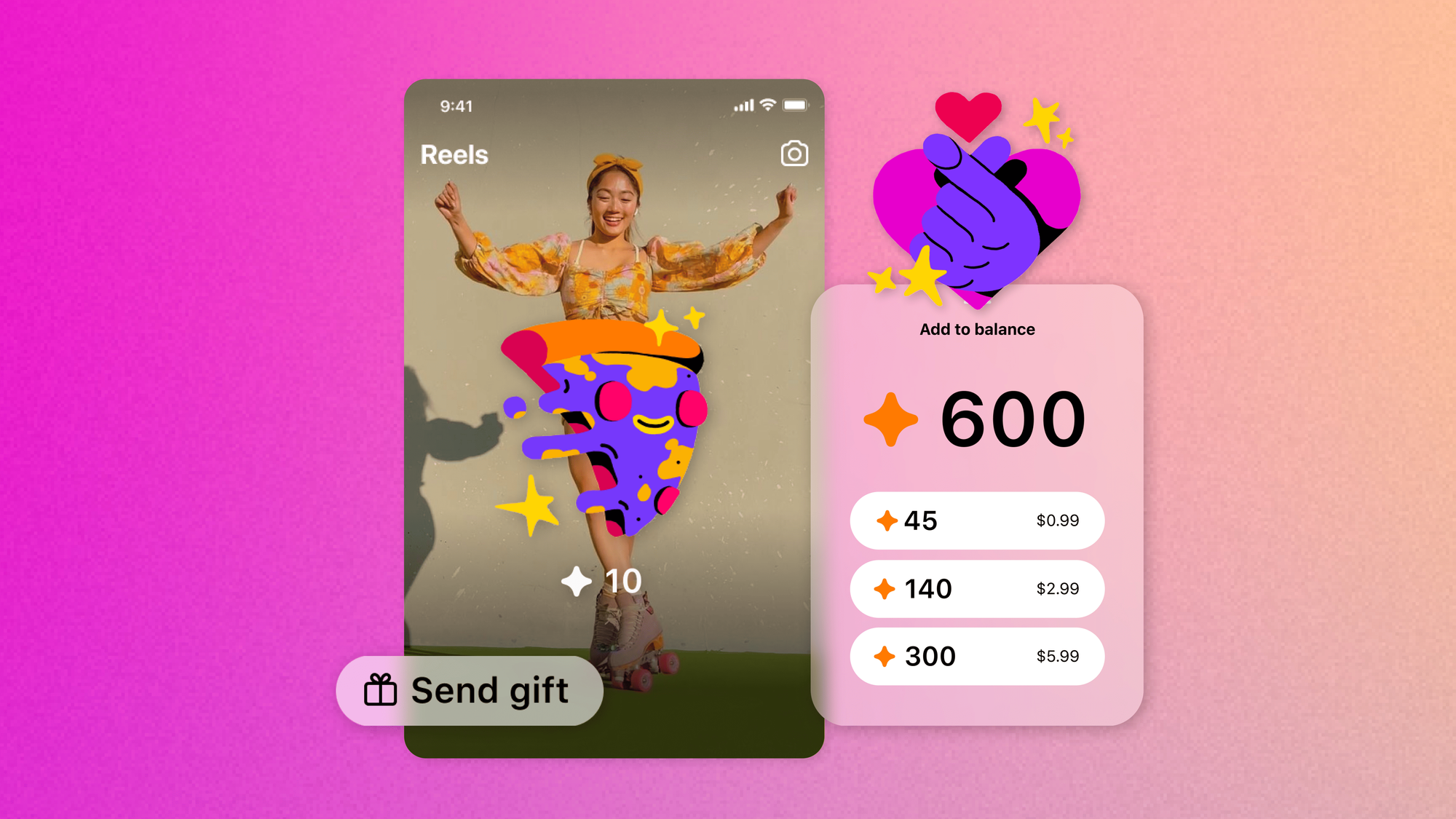
Instagram Gifts offer a low-barrier entry point for direct audience monetization. Professional accounts with at least 500 followers can enable this feature, allowing fans to send virtual "stars" on their Reels, which convert to cash at a rate of $0.01 per star. This mechanism functions as a digital tip jar, enabling viewers to financially acknowledge and appreciate content that entertains, inspires, or educates them. While individual gifts may be small, consistent content creation can lead to surprisingly substantial cumulative earnings over time. Creators often subtly encourage gifts in captions or during content, framing them as support for ongoing content production. This feature is available in selected countries, and creators must have a professional account to qualify.
3. Monetizing Live Sessions with Badges:
For creators hosting live broadcasts, Instagram Badges provide a real-time monetization option. Viewers can purchase digital badges during live sessions in increments of $0.99, $1.99, or $4.99, effectively buying a "front-row ticket" or showing direct support. This feature is exclusive to live content, distinguishing it from other in-app monetization methods. Successful creators often structure their live sessions around consistent themes or interactive experiences, fostering a sense of community. Notifying viewers about the availability of badges at the beginning and throughout the live session can maximize participation. Like other in-app features, badges are subject to age and geographical restrictions, requiring creators to be at least 18 and reside in an eligible country.
4. Qualifying for Instagram Bonuses:
Instagram Bonuses represent a direct payment mechanism from Instagram to creators, requiring no direct audience purchases. These performance-based incentives are typically offered on rolling cycles and apply to various content formats, including Reels, carousels, and single image posts. Bonuses are generally invitation-only programs, varying by region and platform focus (e.g., promoting Reels viewership). Creators are notified via their professional dashboard if they qualify. Once activated, the platform tracks the performance of a set number of content pieces over a specified period, with earnings directly tied to views or plays. While not a primary, predictable income stream, bonuses serve as a welcome reward for consistent, high-performing content.
- Instagram’s Payout per 1,000 Views: There is no fixed, publicly disclosed rate for Instagram’s payouts. However, past bonus programs have seen creators report earnings ranging from approximately $0.01 to $0.05 per 1,000 views, influenced by the specific program, region, audience demographics, and content format. Reels bonuses have historically offered higher rates per view compared to static image posts or carousels, reflecting Instagram’s strategic emphasis on short-form video. It is critical for creators to monitor their professional dashboards for bonus invitations and understand the specific terms, as these programs are seasonal and subject to change.
While in-app features offer valuable direct monetization, platform head Adam Mosseri has noted that for creators with only a few thousand followers, the primary focus should remain on audience growth and engagement rather than immediate monetization through these tools. However, understanding these options prepares creators for when their audience reaches the necessary thresholds.
Strategic Brand Collaborations: The Backbone of Creator Income
For many creators, particularly those in the micro and nano tiers, collaborations with brands represent the most accessible and often most lucrative path to monetization. These partnerships leverage the creator’s authentic voice and engaged audience to promote products or services.

5. Earning from Sponsored Posts and Brand Partnerships:
Sponsored posts are a cornerstone of influencer marketing. Creators produce content featuring a brand’s product or service, publishing it on their own feed in exchange for a fee. These posts are typically identified by a "paid partnership" tag or an #ad hashtag, adhering to transparency regulations. Brands seek creators whose audience demographics align with their target market, recognizing the power of authentic recommendations.
Earnings from sponsored posts vary widely based on several factors: the creator’s niche, geographic location, content quality, follower count, and crucially, their engagement rate and negotiation skills. Influencer Marketing Hub’s benchmark studies indicate that nano-influencers (1,000–10,000 followers) can command between $10 and $100 per post, while micro-influencers (10,000–50,000 followers) may earn $100–$500 per post. Rates escalate significantly for mid-tier, macro, and mega-influencers, potentially reaching five to six figures per collaboration. Buffer’s own analysis highlights that engagement rate often trumps raw follower count as a predictor of brand interest, enabling niche nano and micro-creators to secure premium rates.
- Finding Brand Partners: Brands often proactively identify creators with engaged communities that match their target audience, utilizing influencer discovery platforms. Creators can also attract attention by consistently tagging brands they genuinely use and love, showcasing their content creation capabilities. Instagram’s Creator Marketplace, available in eligible countries, serves as a hub connecting brands with suitable influencers. Direct outreach to brand marketing teams or even direct messages on Instagram can also initiate partnerships.
- Maintaining Authenticity: A critical aspect of sustainable brand collaborations is maintaining authenticity. Overloading a feed with inauthentic brand promotions can erode audience trust and engagement. Experts like Annie-Mai Hodge, founder of Girl Power Marketing, emphasize that "brands want creators who have influence, not just reach," advising creators to prioritize content that serves, entertains, or connects with their audience first, treating brand deals as a complementary layer. Genuine partnerships, often stemming from creators already using and endorsing a product, tend to perform best and lead to long-term collaborations.
6. Creating User-Generated Content (UGC) for Brands:
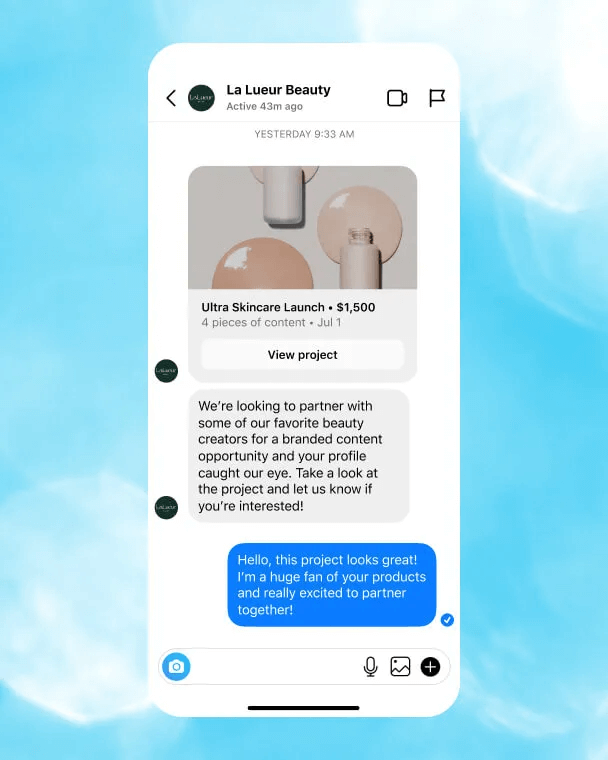
User-generated content (UGC) offers a distinct monetization path where creators produce branded video or photo content for brands to use on their own channels or in advertising. Unlike sponsored posts, UGC deals do not require the creator to publish the content on their personal feed, eliminating the need for a large follower count. Brands prioritize the creator’s production skills and aesthetic alignment. This method allows creators to earn income while maintaining their personal feed’s focus. Many creators secure UGC deals through direct pitches via Instagram DMs or email, showcasing a portfolio of high-quality content. This is an ideal route for "behind-the-scenes" creatives who excel at product demonstrations, unboxings, or tutorials without needing to be the face of a large personal brand.
7. Leveraging Affiliate Marketing:
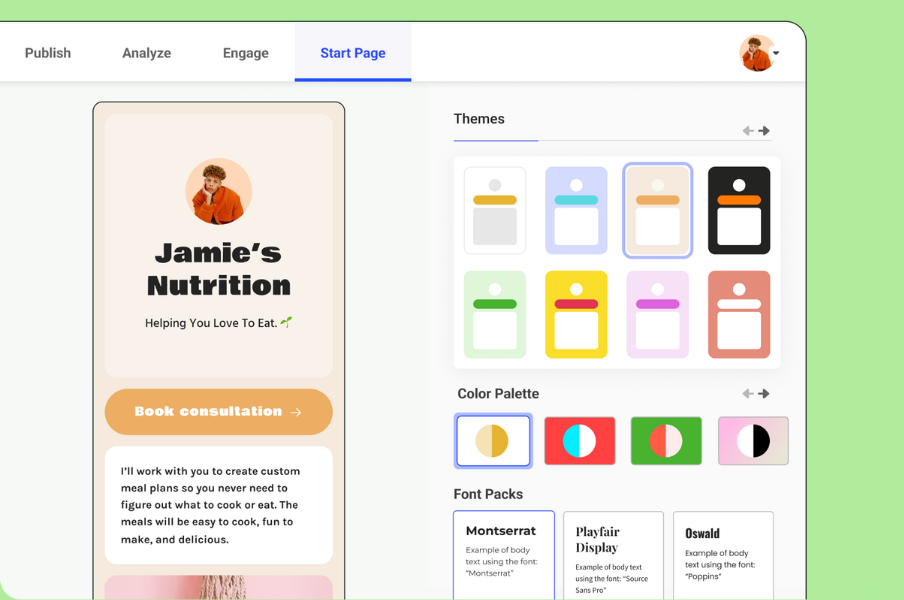
Affiliate marketing is a highly accessible monetization strategy, particularly for new creators. It involves earning a commission each time a product or service is purchased through a unique link or promotional code provided by the creator. These links often include discounts for the audience, incentivizing purchases. Creators frequently embed these trackable URLs in their Instagram bio (using a link-in-bio tool like Buffer’s Start Page) or share promo codes within their content.

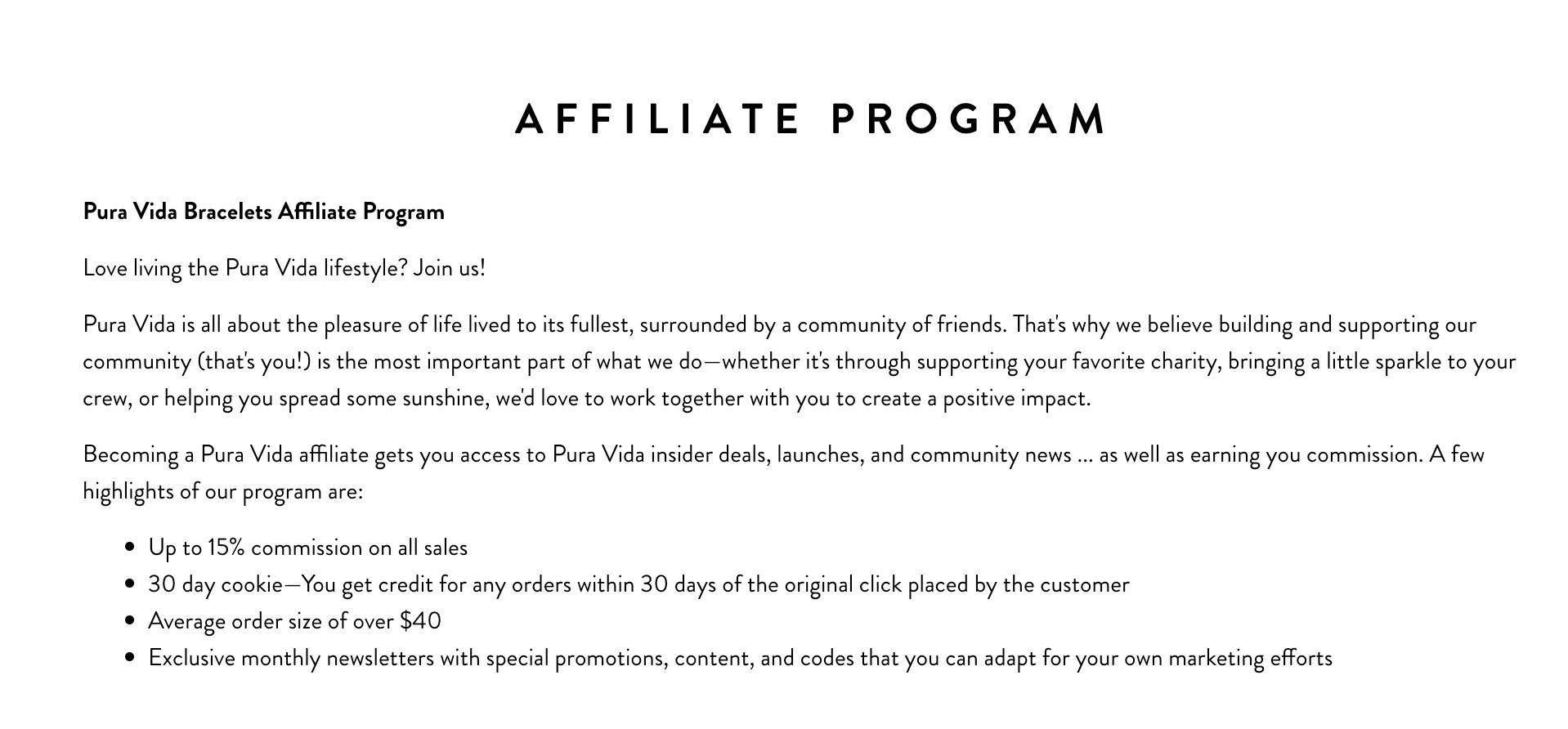
Authenticity is key here; successful affiliate marketers promote products they genuinely use and believe in, fostering trust with their audience. While initial payouts can be modest, consistent, genuine recommendations can lead to significant cumulative earnings. Many affiliate relationships evolve from existing brand partnerships, where successful sponsored content leads to performance-based incentives. Creators can also join open affiliate programs like Amazon Associates or specific brand programs (e.g., Pura Vida, offering 15% commission). These programs often provide a dashboard for tracking earnings, though creators typically purchase products themselves for content creation.
Building Independent Ventures: Beyond Platform Reliance
For creators looking to build a more independent and high-margin business, leveraging Instagram to promote their own products, services, or brands offers the greatest financial autonomy.
8. Setting Up an Instagram Shop and Shoppable Posts:
Instagram Shop transforms a creator’s profile into a digital storefront, allowing them to tag products directly in posts and Reels, linking to a product catalog. This feature is available to Instagram business accounts in select countries and streamlines the in-app shopping experience. Users can click on tagged products to view details and make purchases directly. For regions where Instagram Shop is unavailable, third-party solutions like Buffer’s Shop Grid offer a similar shoppable feed experience, providing clickable links to external product pages and enabling performance tracking. The strategic objective is to minimize friction in the customer journey, making the path from discovery to purchase as seamless as possible.
9. Selling Your Own Products or Services:
Promoting proprietary products or services on Instagram allows creators to retain 100% of the revenue, offering significantly higher margins than brand collaborations. This encompasses a vast array of offerings, from digital templates and handmade goods to coaching and consulting services. Success in this area hinges on compelling storytelling that articulates the "why" behind the product and the problem it solves for the audience. Creators like Modern Millie, who offer digital courses and templates for social media growth, exemplify how clear positioning and consistent content can drive substantial revenue without requiring a large team or complex infrastructure. Instagram becomes a powerful marketing channel for direct sales.
10. Selling Courses or Membership Programs:
Expert creators can monetize their knowledge by developing and promoting online courses or membership programs. These offerings allow audiences to learn specific skills or gain access to exclusive communities. Fitness coaches like Adriana Blanc successfully promote their membership programs on Instagram by highlighting the value proposition and addressing the pain points of their target audience. The strategy mirrors that of selling other products or services, focusing on showcasing the transformative benefits and unique value of the educational content or community experience.
11. Running Instagram Ads to Drive Sales:
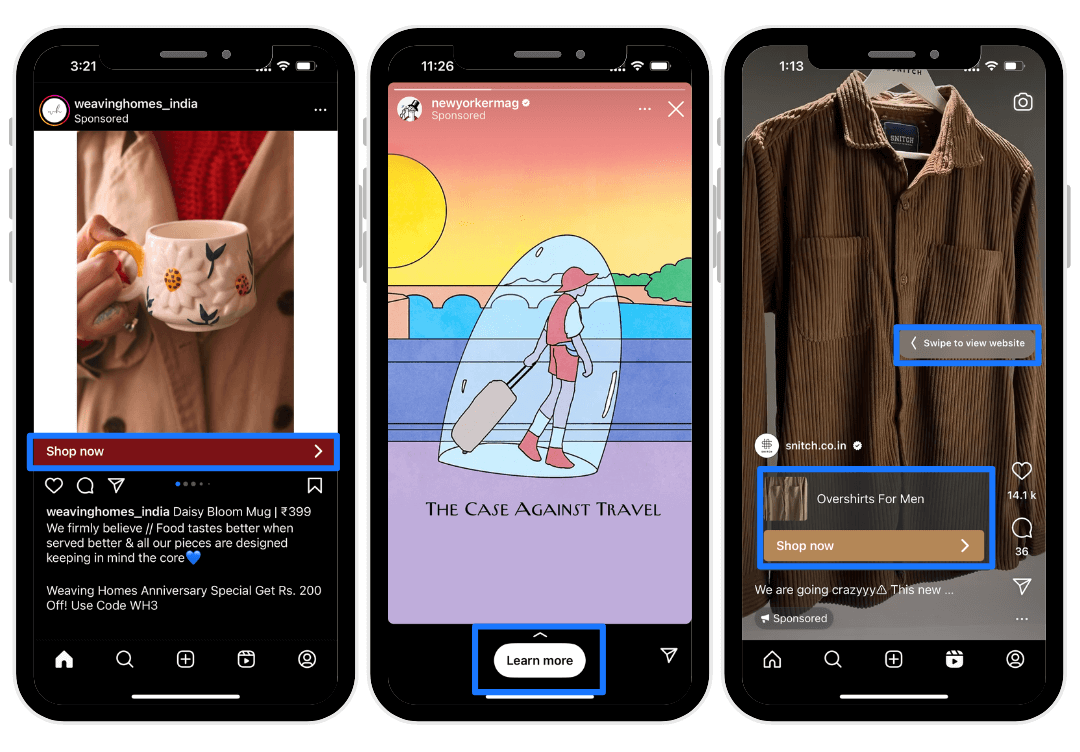
While organic reach is vital, strategically deployed Instagram advertising can significantly expand a creator’s audience and drive sales. By boosting high-performing organic content with a modest test budget (e.g., $50–$100), creators can identify which visuals, hooks, and messages resonate most with new audiences. This data-driven approach allows for the amplification of proven content, converting followers into customers more effectively. Instagram ads, whether in feed, Stories, or Reels, are particularly effective for digital products or services, offering precise targeting capabilities. The initial investment in advertising should be viewed as "tuition" for learning audience insights and refining content strategy, rather than a guaranteed immediate return.
12. Designing and Selling Merchandise:
For creators who have cultivated a strong personal brand or a distinct community identity, designing and selling merchandise can be a lucrative income stream. This often involves transforming recurring phrases, aesthetic elements, or inside jokes cherished by the audience into tangible products like apparel, accessories, or home goods. Sabrina Zohar, a dating coach, successfully monetized her podcast’s catchphrases by integrating them into recognizable merchandise, allowing her audience to express their connection to her brand. Merchandise sales capitalize on audience loyalty and provide a physical extension of the creator’s digital presence.
Navigating the Landscape: Key Success Factors and Challenges
The journey to monetization on Instagram is multifaceted, demanding more than just content creation. Creators must strategically combine various income streams and adhere to fundamental principles of audience engagement and business acumen.
- Niche and Authenticity: Success hinges on identifying a clear niche and consistently delivering authentic content that resonates with that specific audience. Brands and followers alike are drawn to genuine voices and expertise.
- Consistency and Community: Regular posting and active engagement (replying to comments, DMs, participating in conversations) are crucial for building a loyal community. A strong community is the bedrock for any monetization strategy, as it fosters trust and encourages financial support.
- Diversification: Relying on a single income stream on Instagram can be precarious due to algorithm changes or evolving platform policies. Stacking multiple income streams – a mix of in-app features, brand deals, and self-promoted products – builds financial resilience.
- Administrative Overhead: As an audience grows and monetization efforts scale, so does the administrative burden. Managing content calendars, analyzing performance data, responding to DMs, and scheduling posts become significant tasks. Tools designed for social media management can streamline these processes, freeing up creators to focus on their core strength: content creation.
The Future Outlook
Instagram’s role as a platform for economic empowerment is set to continue its expansion. As Meta invests further in creator tools and the global creator economy matures, opportunities for individuals to build sustainable careers through content will only grow. The emphasis will remain on authenticity, community building, and strategic diversification of income streams. For aspiring and established creators alike, understanding and adapting to this dynamic environment is paramount to converting digital engagement into tangible paychecks.
FAQ about Making Money on Instagram
Do Instagram users get paid directly by the app?
Yes, in some instances. Instagram offers direct payments through in-app tools such as Subscriptions, Gifts, Badges, and, periodically, through bonus programs. However, many creators derive the majority of their income from external sources like brand partnerships (sponsored posts, UGC), affiliate marketing, and the sale of their own products or services.
How much does Instagram pay for 1,000 views?
There is no fixed or guaranteed rate for Instagram payouts per 1,000 views. In practice, creators participating in bonus programs have reported approximate earnings between $0.01 and $0.05 per 1,000 views. This figure varies significantly based on the specific program, creator eligibility, audience demographics, and the content format, with Reels bonuses generally offering higher rates than static posts.
How many views on Instagram do you need to make money?
There isn’t a universal view threshold for making money. Instagram’s bonus programs are typically invitation-only and tied to overall content performance rather than a specific view count. For brand collaborations, a combination of views and engagement is often prioritized over a single numerical target. Historically, Instagram’s Reels bonus programs have favored creators whose Reels consistently achieve 10,000 or more plays, but eligibility criteria are subject to change by region and program.

How many followers do I need to get paid on Instagram?
A fixed follower count is not strictly necessary for all monetization paths. Instagram’s in-app features have specific thresholds (e.g., 500 followers for Gifts, 10,000 for Subscriptions, though these can vary). However, brand collaborations, user-generated content (UGC) work, and affiliate marketing often have no minimum follower requirement, focusing instead on niche relevance and engagement.
How much do nano-influencers make on Instagram?
Nano-influencers (creators with 1,000–10,000 Instagram followers) typically earn between $10 and $100 per sponsored post, according to industry benchmarks like Influencer Marketing Hub. These rates are influenced by factors such as the creator’s niche, engagement rate, content quality, and the scope of usage rights granted to the brand. Many nano-creators achieve sustainable income by combining multiple streams, such as sponsored posts, affiliate links, and UGC, rather than relying solely on individual post fees.
Can you make money on Instagram without a lot of followers?
Absolutely. The most accessible paths for creators with smaller followings include user-generated content (UGC), affiliate marketing, and selling their own products through an Instagram Shop or a link-in-bio page. Nano-influencers often achieve higher engagement rates within their specific niches, which can make them more attractive to brands prioritizing targeted reach and authentic connection over raw follower count.
Can you make money on Instagram without showing your face?
Yes. User-generated content (UGC) is a prominent avenue for creators who prefer to remain off-camera, as brands often hire them to produce product demonstrations, unboxings, or voiceover videos for the brand’s own channels. Other viable options include affiliate marketing, operating an Instagram Shop for physical or digital products, and selling courses or templates that do not require a personal brand tied to the creator’s face. Faceless accounts specializing in areas like finance tips, book reviews, recipe reels, or aesthetic curation regularly monetize through these methods.
What do I need to qualify for Instagram’s money-making tools?
Qualification for Instagram’s monetization tools typically requires meeting several criteria: being at least 18 years old, operating a professional Instagram account, adhering to Instagram’s Content Monetization and Partner Monetization policies, satisfying any specified follower or engagement thresholds, residing in a country where the feature is available, and setting up a payout account to receive earnings.
How do I start earning money on Instagram if I’m new?
New creators should begin by establishing a clear niche, consistently posting high-quality content, and actively engaging with their audience through comments and story replies. Subsequently, select one or two income paths to focus on initially, such as UGC, affiliate links, or promoting a small proprietary offering, and gradually expand from there. Utilizing scheduling and analytics tools can aid in maintaining consistency and tracking performance.