
 Indra Kusuma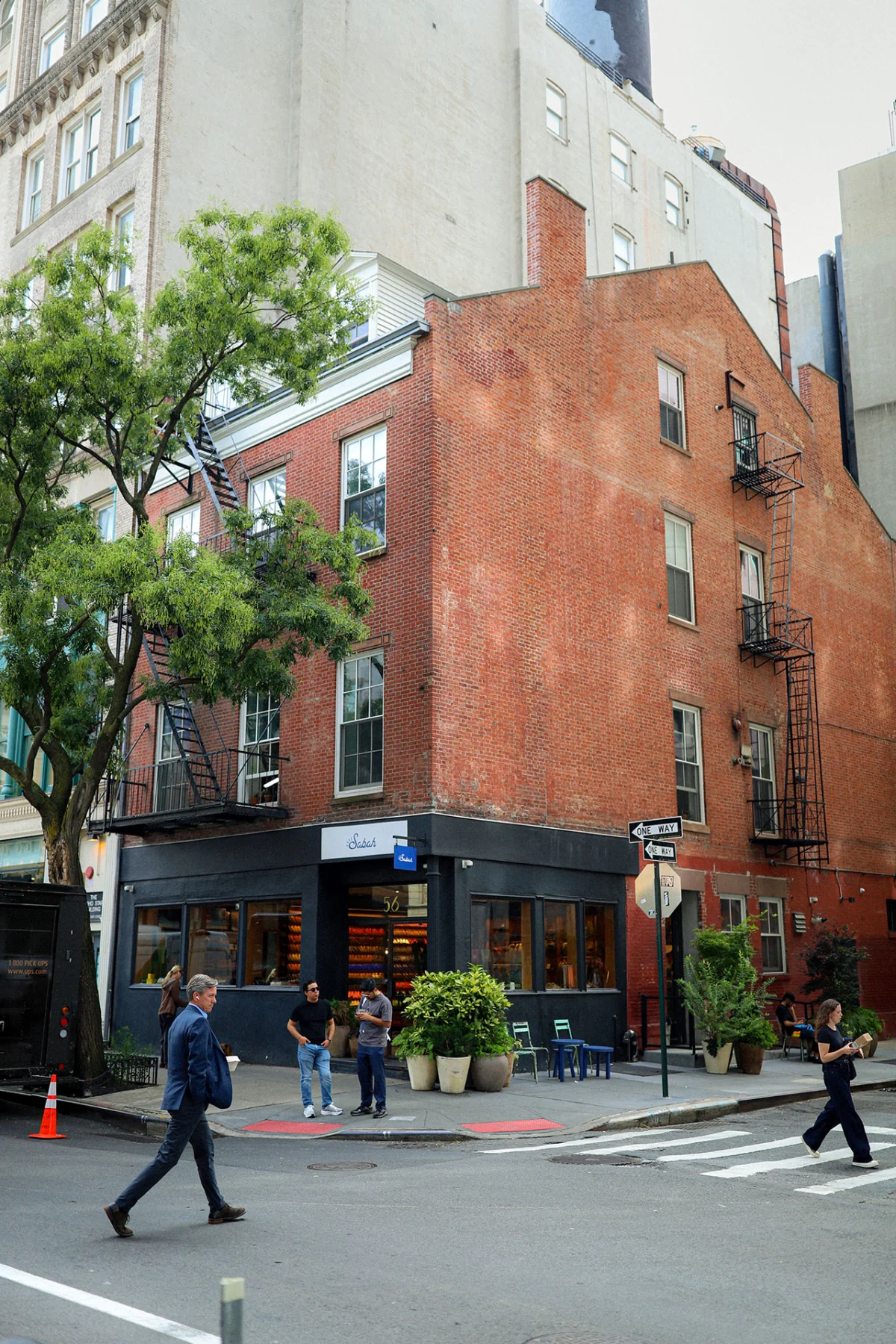
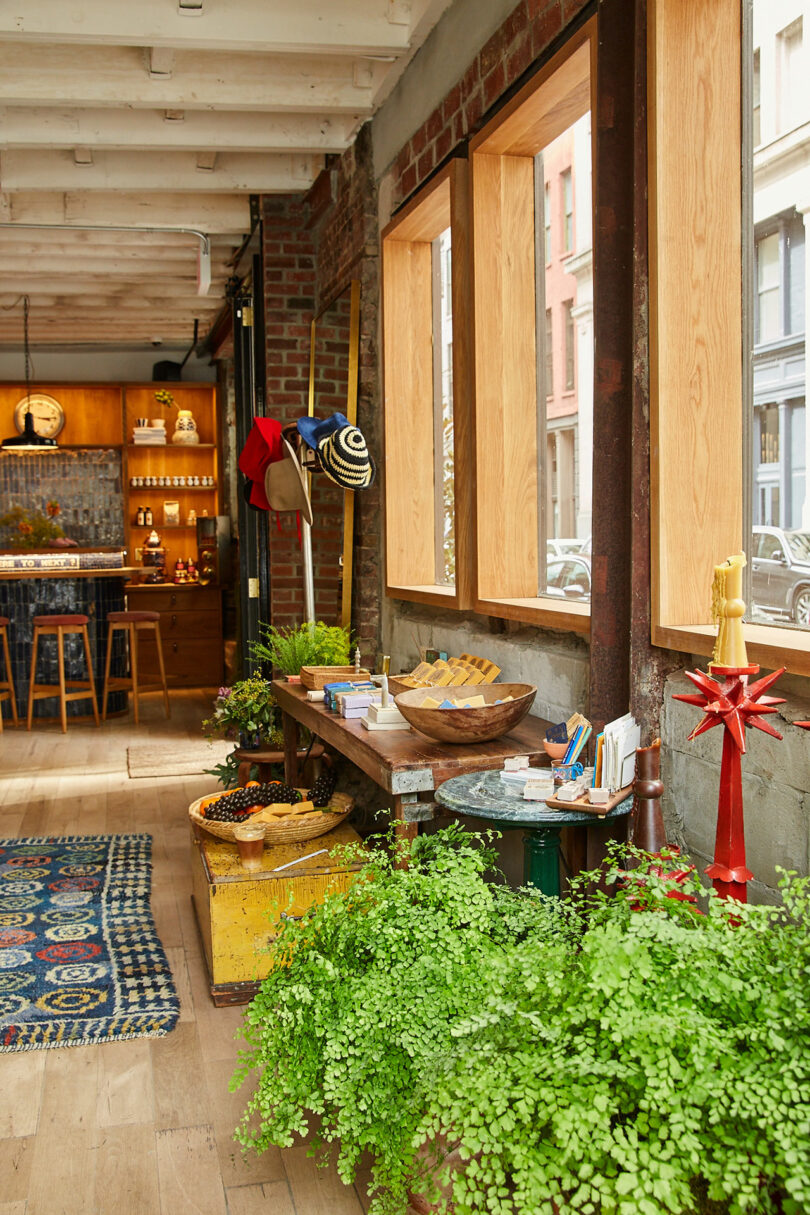
At the vibrant intersection of history and contemporary design stands 56 Bleecker Street, a building completed in 1823 and distinguished by its Flemish red brick façade. This architectural gem, remarkably preserved over two centuries, anchors the edge of what was once Manhattan’s most exclusive enclave, the Bond Street district, particularly during its zenith in the 1830s. Today, this storied address is home to Sabah House NYC, a retail concept that meticulously honors its historical roots while forging a unique path in modern commerce.
A Beacon of History: 56 Bleecker Street’s Enduring Legacy
The building at 56 Bleecker Street is not merely an old structure; it is a repository of American history. Its early occupants include Jacobus Roosevelt II, the great-grandfather of the 32nd U.S. President, Franklin D. Roosevelt. The Roosevelt family, a prominent Dutch-American clan, played a significant role in New York’s mercantile and political life from the colonial era onwards. Jacobus Roosevelt II, a successful businessman, would have overseen a household indicative of the city’s burgeoning elite. His residence in the Bond Street district underscored the neighborhood’s prestige, attracting other prominent families who sought both convenience to the city’s financial heart and the tranquility of a residential enclave. In the 1830s, Bond Street was characterized by its elegant Federal and Greek Revival townhouses, a testament to New York City’s rapid growth and increasing sophistication as a national and international hub. Preservationists and local historians often cite 56 Bleecker Street as a prime example of the architectural integrity and social fabric of this pivotal era, its Flemish red brick a classic marker of early 19th-century urban design.
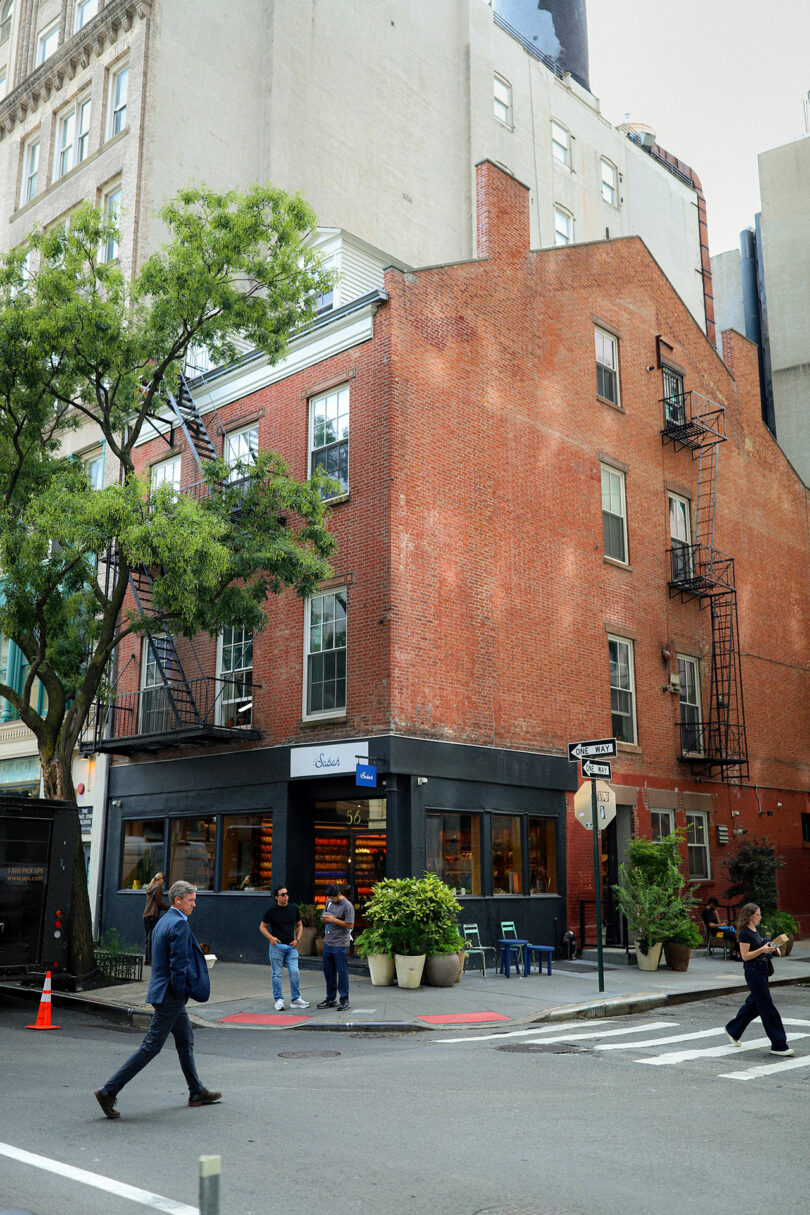
Adding another layer of profound historical significance, 56 Bleecker Street also housed the practice of Dr. Elizabeth Blackwell, a trailblazer who shattered societal barriers to become the first female physician in the United States. Dr. Blackwell’s journey was arduous, marked by rejection from numerous medical schools before she was controversially admitted to Geneva Medical College in upstate New York in 1847, graduating at the top of her class in 1849. Her subsequent establishment of a medical practice in New York City, particularly in a location like Bond Street, was a courageous act. In an era when medicine was an exclusively male domain and women were largely relegated to domestic roles, Dr. Blackwell’s presence challenged prevailing norms and paved the way for countless women to enter the medical profession. Her clinic in this building would have been a beacon of hope and a testament to her unwavering determination to provide healthcare and advocate for public health reforms. Her legacy extends beyond individual achievement, symbolizing a critical moment in the women’s rights movement and the broader struggle for equality in professional fields. The building’s continued existence, with its façade having "aged remarkably well, all things considered," serves as a tangible link to these intertwined narratives of power, progress, and perseverance.
Sabah’s Craftsmanship: A Return to Artisanal Roots
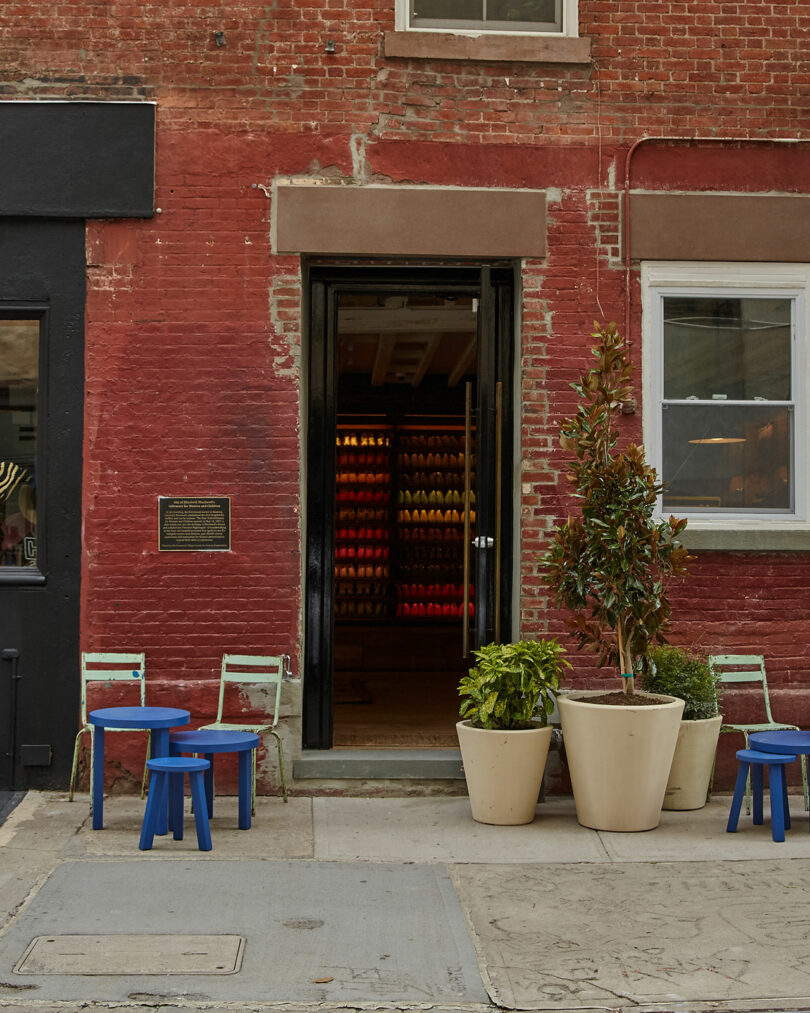
In a retail landscape increasingly dominated by mass production and disposable fashion, Sabah offers a refreshing counter-narrative, deeply rooted in the philosophy of handcrafted quality and enduring value. The brand’s signature shoes, known simply as Sabahs, are a testament to meticulous artistry, made entirely by hand from 100% leather. This commitment to traditional methods is split between two regions with distinct, yet deeply interwoven, relationships to leatherwork: Texas, USA, and Turkey.
In Texas, the heritage of leather craftsmanship is intrinsically linked to cowboy culture, ranching, and a rugged, practical approach to material durability. This tradition emphasizes robust construction and a deep understanding of leather’s properties for longevity and resilience. Conversely, Turkey boasts an ancient legacy of leather artistry, refined over centuries through Ottoman influence and a rich history of artisanal guilds. Turkish leather goods are often celebrated for their intricate detailing, supple textures, and vibrant color palettes, reflecting a sophisticated blend of utility and aesthetic appeal. By drawing on these diverse yet equally profound traditions, Sabah ensures that each pair of shoes carries a unique story, a subtle variation in stitching, finish, or fit that speaks to the individual artisan’s touch. This deliberate embrace of human idiosyncrasy, rather than seeking sterile uniformity, sets Sabah apart.
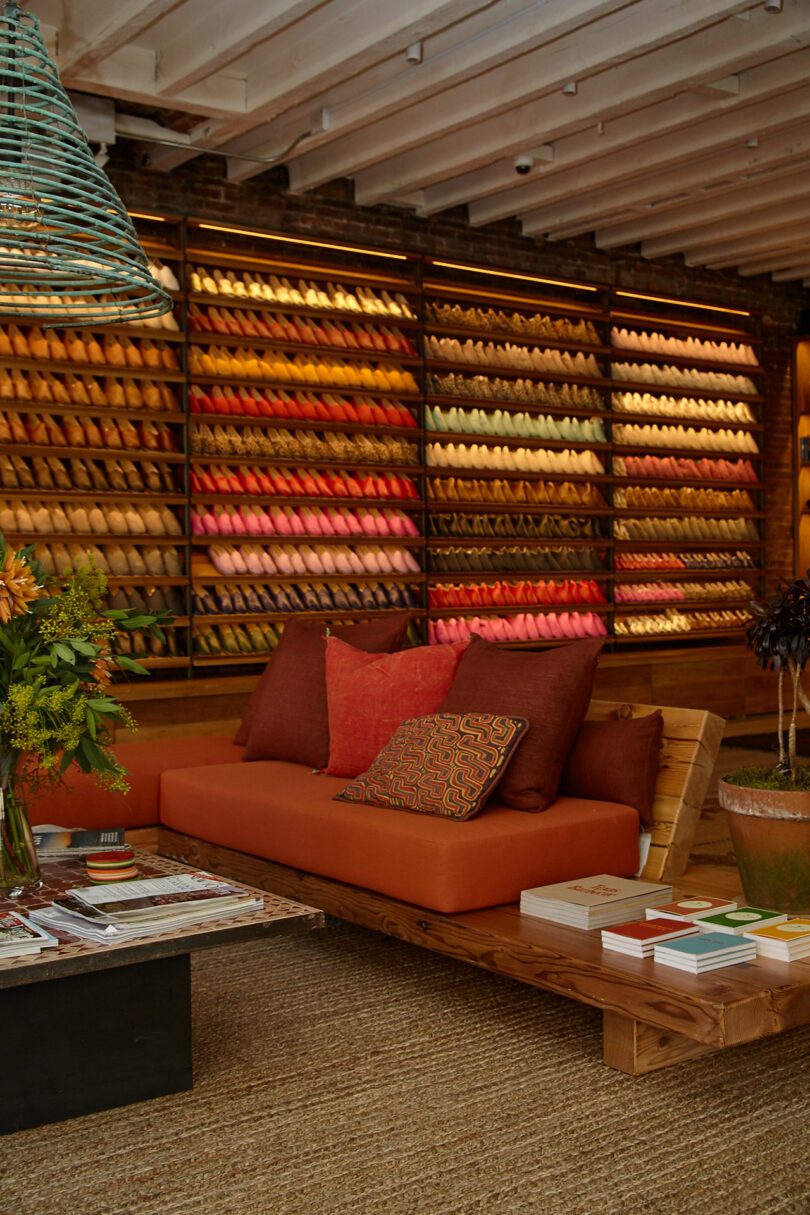
The result is a shoe that naturally varies subtly from pair to pair, even within the same size. This nuance is not seen as a flaw but as a defining characteristic, celebrating the "maker’s marks" that connect customers directly to the hands that crafted their footwear. This philosophy stands in stark contrast to the prevailing trends of ultra-fast fashion, where speed, low cost, and fleeting trends often supersede quality and provenance. Sabah revives an older paradigm, one that feels surprisingly radical today: celebrating human touch and individual craftsmanship as a feature, not a flaw.
The store experience at Sabah House NYC is designed to accommodate this artisanal nuance. Modern consumers are often accustomed to shoes that feel comfortable immediately, a byproduct of synthetic materials and standardized manufacturing processes. Sabah, with its all-leather construction, requires a break-in period, a concept that has become increasingly uncommon amid the rise of athleisure footwear, which prioritizes instant comfort and lightweight materials. To address this, the Sabah team often guides customers through trying on "upward of twenty pairs" to find the right fit. This meticulous, unhurried process transforms a simple purchase into a "Cinderella moment" – a personalized quest to discover the pair that truly conforms to the wearer’s foot, promising comfort and character that only improves with time. It is a deliberate invitation to slow down, appreciate the craft, and invest in a product designed for a lasting relationship.
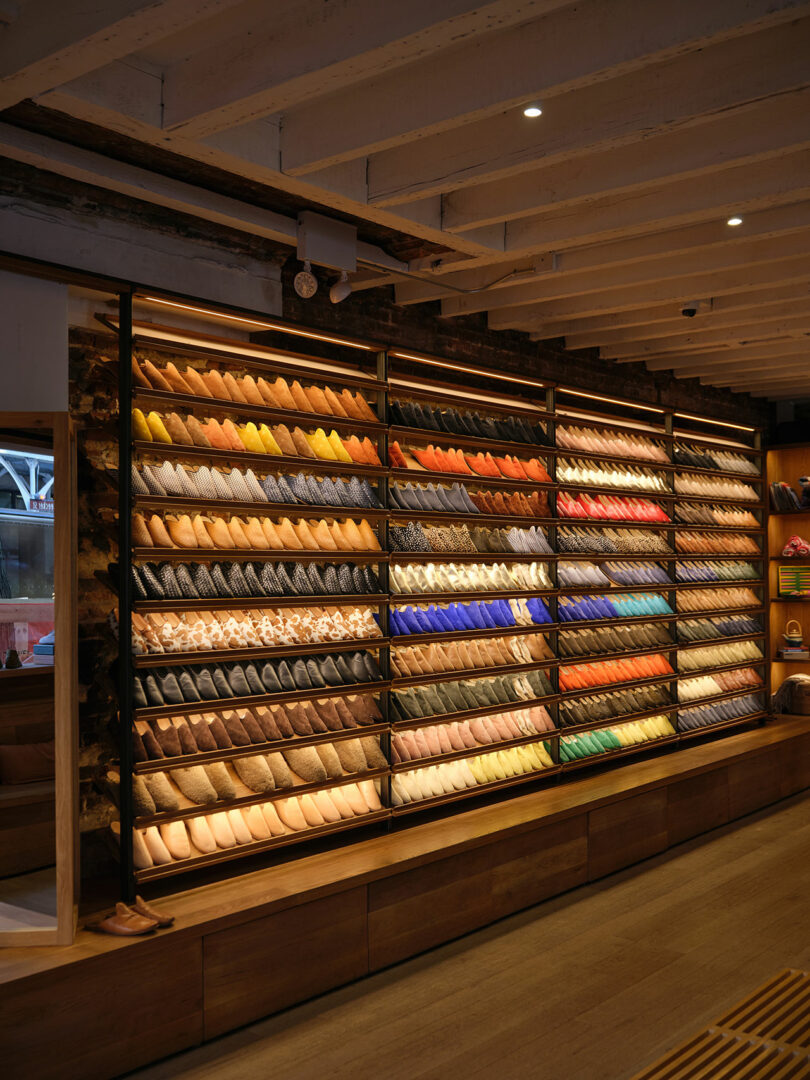
Beyond Retail: Cultivating a "Third Space" in Manhattan
In the bustling urban environment of New York City, where space is a premium and transactional efficiency often dictates commercial interactions, Sabah House NYC offers a distinctive and welcoming reprieve. It transcends the traditional retail model to function as a genuine "third space" – a communal hub distinct from home and work, where individuals can gather, relax, and connect. This intentional design fosters a sense of community and encourages lingering, a rarity in Manhattan’s high-speed consumer culture.
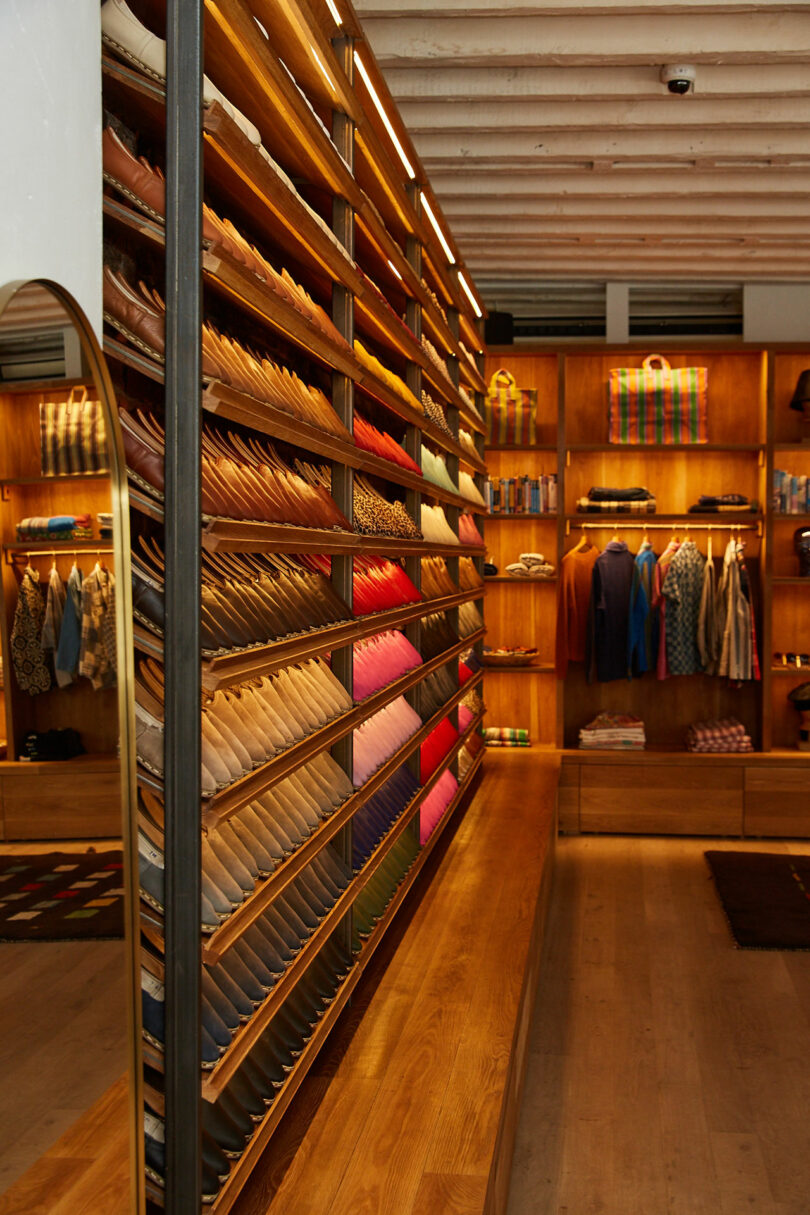
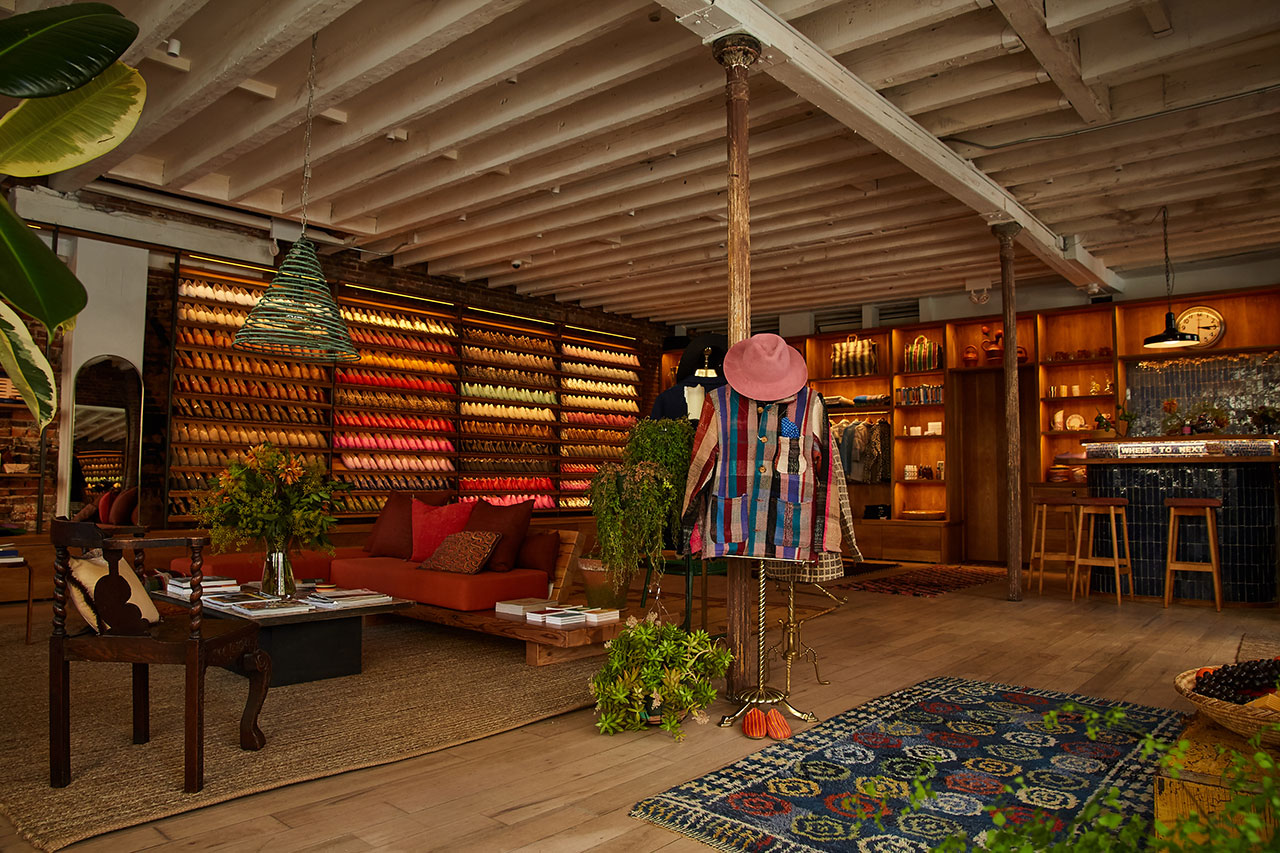
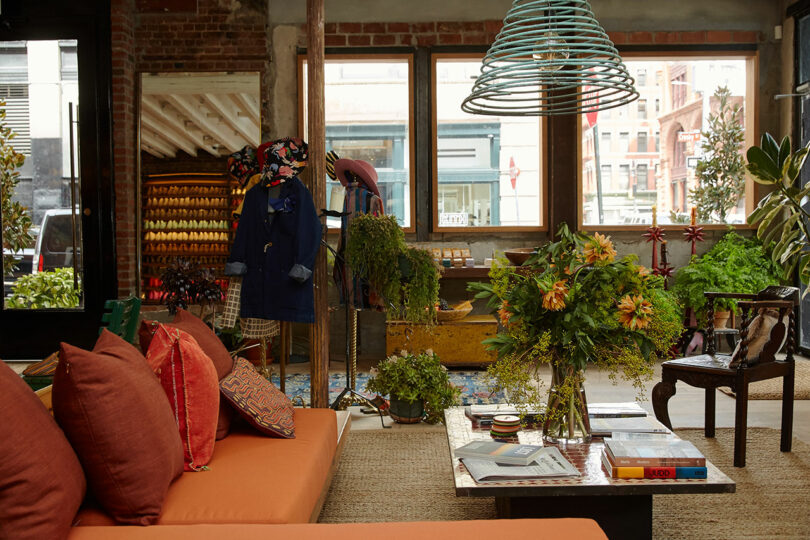
The interior design plays a crucial role in creating this inviting atmosphere. Bespoke lighting, crafted by next-door neighbor Jill Platner, casts each corner as a distinct vignette, illuminating the colorful array of Sabahs and other curated goods in a warm, intimate glow. This thoughtful illumination, combined with carefully arranged displays and comfortable seating areas featuring orange and red cushions, transforms the store into a series of cozy alcoves. Product ledges cleverly double as benches, with discreet storage tucked below for additional sizes, maximizing functionality without sacrificing aesthetics. This spatial generosity, evident throughout the walkways and merchandising, feels notably rare for the area, encouraging visitors to browse, shop, or simply sit and enjoy the ambiance.
The space is designed to feel aligned with centuries of use, echoing the building’s rich history. With prospective pairs of shoes often scattered across the floor during the extensive fitting process, the environment takes on an organic, lived-in quality, reinforcing the idea of a home rather than a sterile showroom. Visitors are invited to stay a while, perhaps enjoying a coffee or even a drink if it’s "after five – or even before." This hospitality element positions Sabah House not just as a store, but as a local gathering spot, enriching the neighborhood’s social fabric.
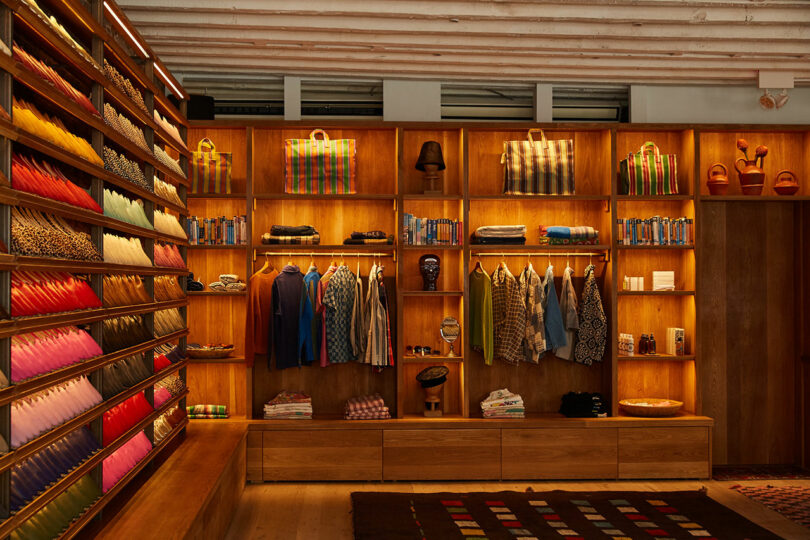
Central to this ethos is the bar area, which the team affectionately refers to as "the heart of Sabah House NYC." More than just a place for refreshments, it acts as a communal focal point, fostering conversations and connections among customers and staff. This thoughtful integration of hospitality into the retail experience exemplifies Sabah’s commitment to building relationships that extend beyond a mere transaction. It’s a deliberate effort to create an environment where the discovery of a perfect pair of shoes is intertwined with a pleasant, social experience, turning a shopping trip into a memorable outing.
A Family Affair: Engaging All Generations
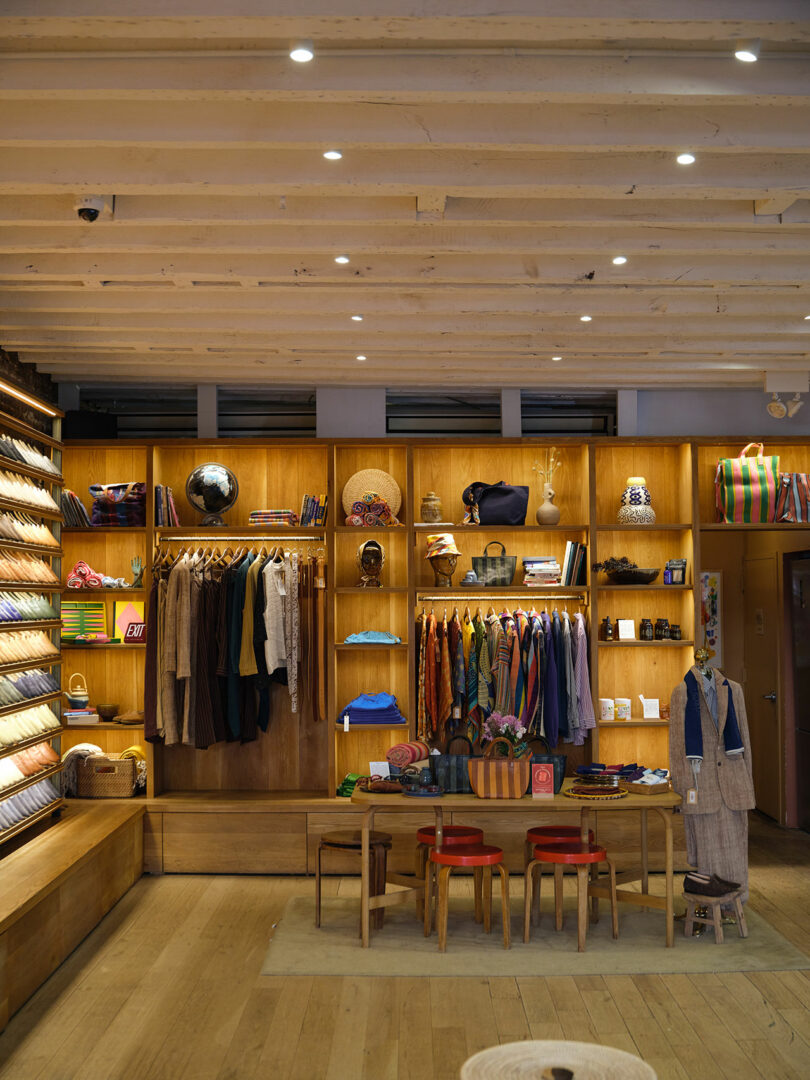
Sabah House NYC extends its welcoming embrace to visitors of all ages, distinguishing itself as a remarkably family-friendly destination. Recognizing that the timeless appeal of handcrafted goods can resonate across generations, the store has thoughtfully incorporated elements that cater specifically to children while charming adults alike.
A full range of kids’ sizing ensures that even the youngest members of the family can find their perfect pair of Sabahs, mirroring the quality and style of the adult collection. This encourages a shared experience of discovering and appreciating quality footwear from an early age. Beyond just product, the store features a delightful "mini stamp bar" adorned with playful, themed icons. This interactive station provides a creative outlet for children, allowing them to personalize their purchases or simply engage in a fun activity while parents browse. The stamps, however, are not just for kids; they tend to attract everyone, becoming a charming point of interaction and a source of shared enjoyment for families and individuals alike.
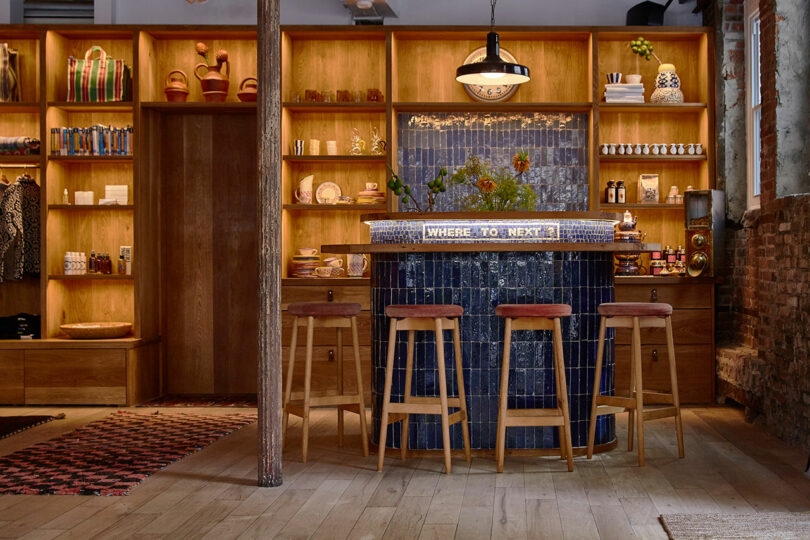
The interior design further supports this multi-generational appeal. Low seating, inviting and comfortable, naturally encourages climbing and exploration for younger visitors, transforming the retail space into an engaging playground where children feel at ease. Simultaneously, merchandising at multiple heights ensures the environment remains visually stimulating and accessible from every vantage point, captivating both adults seeking specific items and children exploring their surroundings. This thoughtful approach creates an inclusive atmosphere where families can comfortably spend time together, fostering a sense of belonging and making the Sabah House experience memorable for every member.
Mickey Ashmore and the Sabah Philosophy: Celebrating Provenance and Idiosyncrasy
The journey of Sabah, and consequently Sabah House NYC, is inextricably linked to its founder, Mickey Ashmore, affectionately known locally as "the Sabah Dealer." More than a decade ago, Ashmore began his venture by selling Sabahs out of his East Village apartment, a grassroots beginning that underscores the brand’s authentic, personal touch. This intimate origin story is foundational to the brand’s philosophy: a celebration of human idiosyncrasy as a feature, not a flaw.
Ashmore’s vision for Sabah was born from a desire to revive an older paradigm of consumption, one that prioritized quality, craftsmanship, and a direct connection to the maker. In an age of ultra-fast fashion, where garments are produced rapidly and often anonymously, Sabah champions provenance. Each pair of Sabahs carries distinct maker’s marks, subtle indicators that link the finished product directly to the skilled hands that crafted it in Texas or Turkey. This transparency and traceability are not just marketing ploys; they are core tenets of the brand’s identity, fostering a deeper appreciation for the labor and artistry involved in creating durable goods.
This emphasis on the human element challenges the prevailing indifference to provenance that often characterizes modern consumerism. By celebrating the individual variations inherent in handmade items, Sabah subtly critiques the pursuit of perfect, uniform mass-produced goods. It invites customers to appreciate the story behind their shoes, to understand the cultural traditions embedded in their creation, and to value the uniqueness that arises from human touch. This philosophy extends beyond the product itself to the retail experience at Sabah House NYC. The comfortable, unhurried atmosphere, the personal fitting process, and the communal "third space" environment all reflect Ashmore’s belief in fostering genuine connections – between customer and product, and between individuals within the community. In doing so, Sabah is not merely selling shoes; it is cultivating a lifestyle centered on mindful consumption, authentic craftsmanship, and the enduring beauty of human artistry.
Broader Impact and the Future of Retail
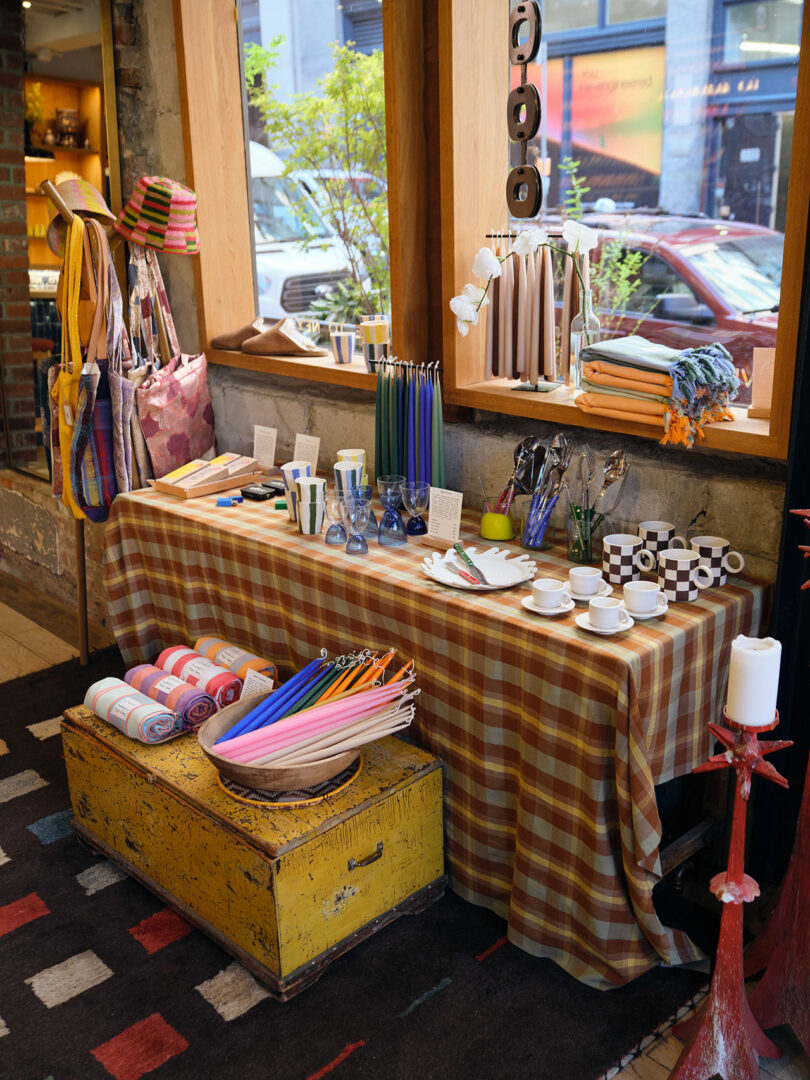
Sabah House NYC represents more than just a successful retail venture; it serves as a compelling case study for the evolving landscape of consumer culture and the future of brick-and-mortar retail. Its strategic location within a historically rich building, coupled with its distinctive operational philosophy, offers valuable insights into how brands can thrive by prioritizing authenticity, experience, and community.
Implications for Urban Development and Historical Preservation: The successful integration of Sabah House into 56 Bleecker Street demonstrates how commercial enterprises can become custodians of historical architecture. By maintaining the building’s integrity and celebrating its past, Sabah contributes to the preservation of New York City’s urban heritage. This model can inspire other businesses and developers to invest in adaptive reuse projects, breathing new life into old structures while honoring their historical significance. Local residents and preservation societies often laud such initiatives, recognizing their role in maintaining the unique character of neighborhoods.
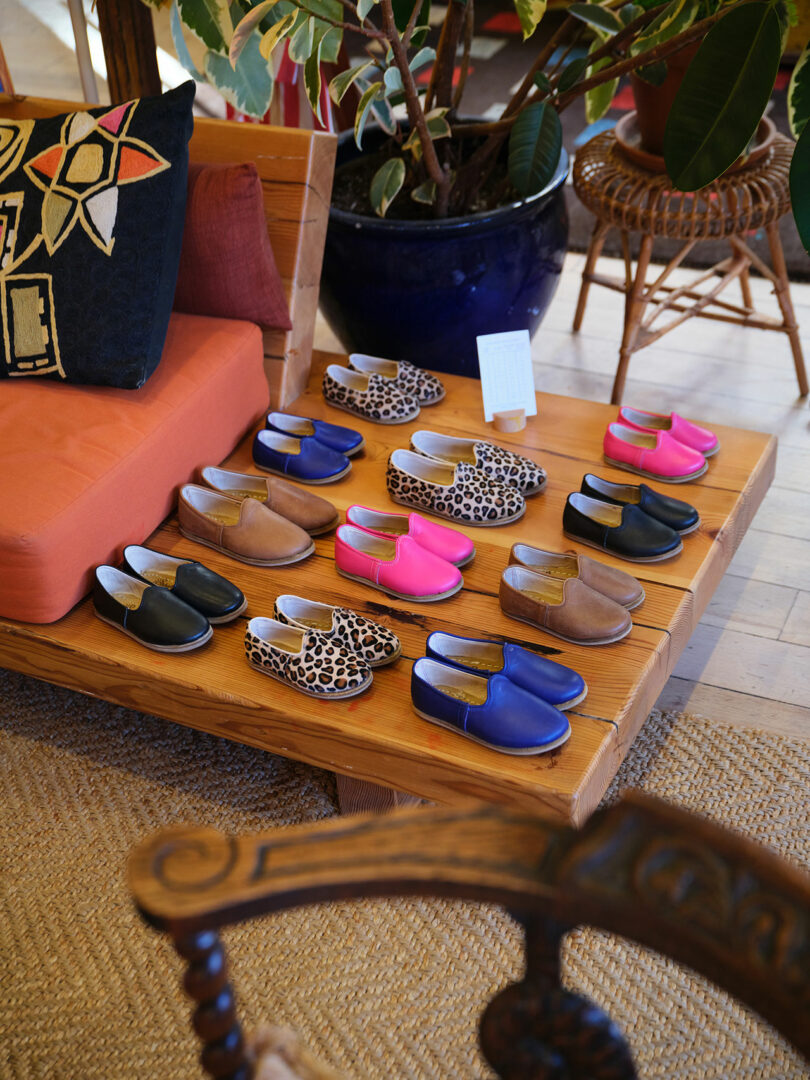
Shifting Retail Paradigms: In an era where e-commerce continues its rapid expansion, Sabah House highlights the enduring value of physical retail, especially when it offers an immersive and personal experience that digital platforms cannot replicate. The emphasis on a "Cinderella moment" fitting, the leisurely atmosphere, and the integration of a social bar area transforms shopping into an event. Industry analysts suggest that this experiential retail model is crucial for the survival and growth of physical stores, attracting consumers who seek engagement, authenticity, and human connection rather than mere transaction speed. Sabah’s approach counters the impersonal nature of online shopping, proving that a tangible, thoughtfully designed space can foster brand loyalty and deep customer relationships.
Sustainability and Mindful Consumption: Sabah’s commitment to handcrafted, 100% leather products made for longevity stands as a quiet rebellion against the environmental and ethical concerns associated with fast fashion. By encouraging customers to invest in durable goods that require a break-in period and improve with age, the brand promotes a more sustainable consumption pattern. This aligns with a growing consumer demand for ethically sourced, high-quality products that reduce waste and support traditional crafts. The "maker’s marks" and the transparency about production in Texas and Turkey also resonate with consumers who prioritize knowing the provenance of their purchases and supporting artisanal communities. This thoughtful approach contributes to a broader cultural shift towards mindful consumption, where value is placed on craftsmanship, durability, and the story behind a product.
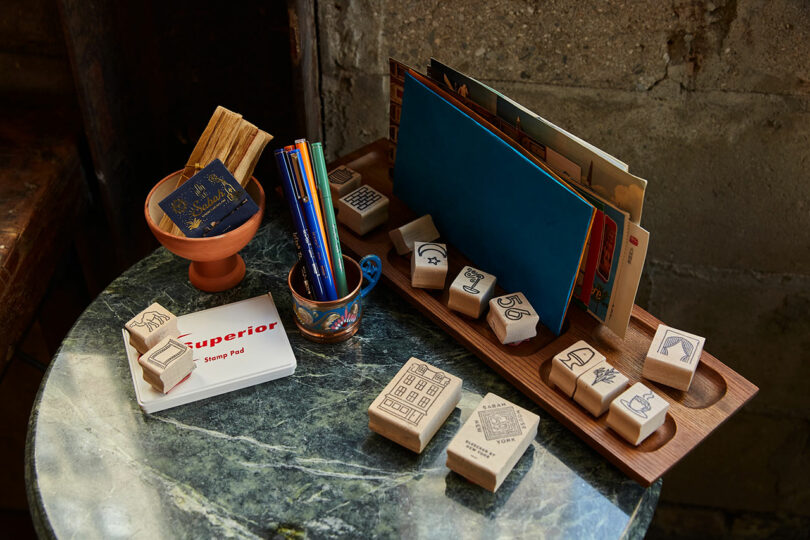
Community Engagement and Local Economy: The decision to collaborate with local artisans, such as Jill Platner for bespoke lighting, strengthens local economic ties and fosters a sense of community. Sabah House becomes a hub not just for its own brand but for a network of local creatives and businesses. The "third space" concept further embeds the store within the neighborhood, providing a valuable amenity for residents and contributing to the vibrancy of the Bond Street district. This community-centric model can inspire other businesses to think beyond their immediate offerings and consider their role in enriching the local ecosystem.
Founder Mickey Ashmore’s journey from selling shoes out of his apartment to establishing a flagship store in a historic building exemplifies the power of a clear vision rooted in quality, authenticity, and human connection. Sabah House NYC is more than just a place to buy shoes; it is a testament to enduring craftsmanship, a celebration of history, and a blueprint for a more engaging, community-oriented future for retail. It serves as a genuine refuge from the noise of modern life, a quiet corner where tradition and innovation coalesce to offer a truly unique experience.
To learn more about Sabah House NYC, visit sabah.am.







