rifanmuazin
The landscape of digital marketing has undergone a profound transformation, evolving from an era of guesswork and intuition to one fundamentally driven by empirical data. In this dynamic environment, social media analytics tools have emerged as indispensable assets, empowering businesses, marketers, and creators to transcend basic engagement metrics and unearth actionable intelligence from their online presence. This shift towards data-informed strategies is not merely a trend but a strategic imperative, allowing organizations to optimize content, refine audience targeting, measure return on investment (ROI), and ultimately, achieve their overarching marketing objectives with precision.
The Evolution of Social Media Measurement

The nascent days of social media marketing were often characterized by a focus on vanity metrics – likes, follower counts, and superficial shares – offering limited insight into actual business impact. As social media platforms matured and the digital marketplace became increasingly competitive, the need for more sophisticated measurement became evident. Early attempts to gauge performance relied heavily on manual data extraction from individual platform dashboards, a process that was not only time-consuming but also prone to inconsistencies and lacked the holistic view necessary for cross-platform campaigns.
The inherent limitations of native analytics, while offering a foundational understanding of post-performance, quickly became apparent. Platforms like LinkedIn, for instance, notoriously omit timestamps on past posts, obscuring crucial data points for identifying optimal posting schedules. Similarly, aggregating data from diverse platforms – Facebook, Instagram, X (formerly Twitter), TikTok, YouTube, Pinterest, and others – into a coherent, comparative report presented a significant logistical challenge. This fragmentation underscored the urgent demand for integrated, third-party solutions capable of consolidating, analyzing, and presenting social media data in a unified and actionable manner.
The Imperative of Data-Driven Social Media Strategies

Third-party social media analytics tools address these critical shortcomings by providing a centralized hub for comprehensive data aggregation and analysis. These platforms automate the collection of vast datasets, offering a panoramic view of performance across multiple channels. Beyond raw numbers, they delve into the "why" behind success or failure, identifying patterns in content types, posting times, audience demographics, and engagement drivers. This capability allows marketers to move beyond reactive adjustments to proactive, strategically informed decision-making.
Industry analysts consistently highlight the burgeoning market for social media analytics. Reports indicate that the global social media analytics market, valued at approximately $10 billion in 2023, is projected to grow at a compound annual growth rate (CAGR) exceeding 20% over the next five to seven years. This substantial growth is driven by the increasing digital advertising spend, the proliferation of social media users, and the heightened demand for measurable marketing outcomes across industries. Businesses are recognizing that investment in robust analytics software directly correlates with enhanced marketing effectiveness and optimized resource allocation.
Understanding the Spectrum of Social Media Analytics
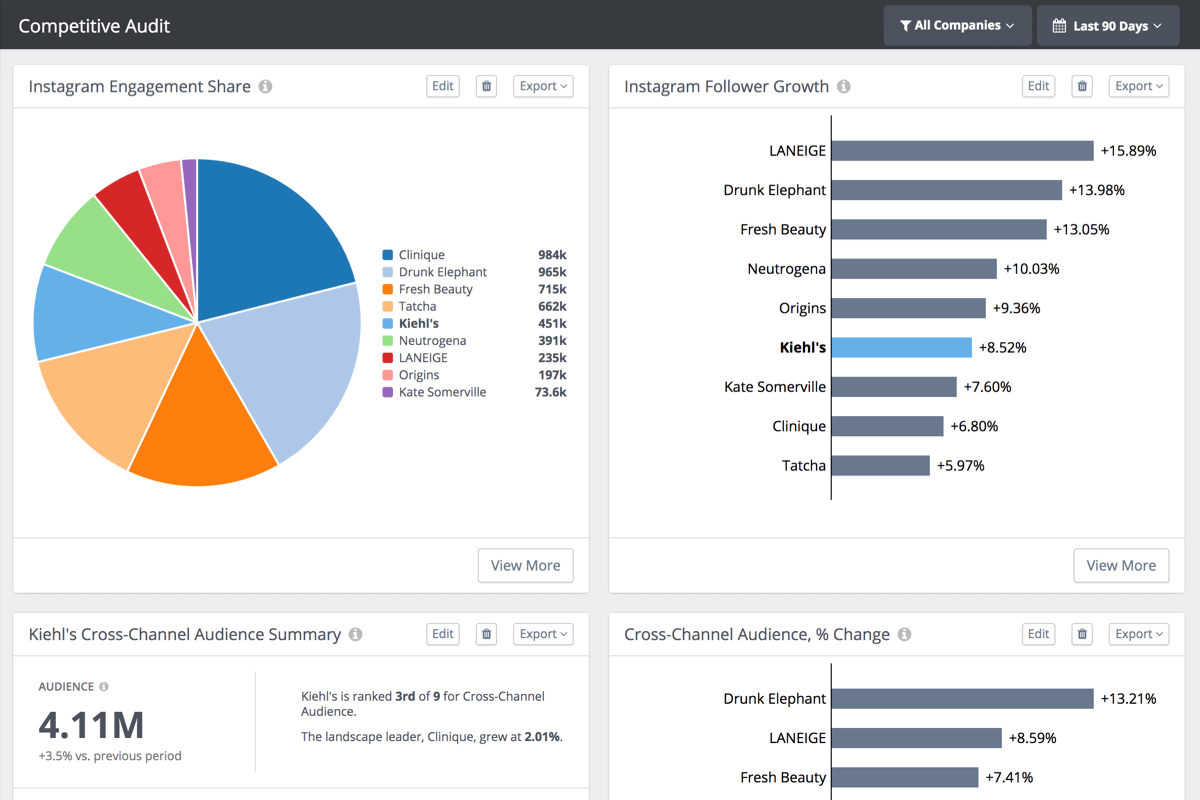
To effectively leverage these tools, it is crucial to differentiate between the various types of analytics they offer, each serving a distinct purpose in the strategic cycle:
- Descriptive Analytics: This foundational level answers the question, "What happened?" It involves collecting and summarizing raw data, such as impressions, reach, likes, comments, shares, and follower growth. Most native dashboards excel at descriptive analytics, providing a snapshot of past performance. For example, a descriptive report might show that a particular post received 1,000 likes and 50 comments.
- Diagnostic Analytics: Moving a step further, diagnostic analytics seeks to answer, "Why did it happen?" This involves deeper investigation into the factors influencing performance. For example, analyzing which content formats (e.g., video vs. image), topics, or posting times led to higher engagement rates. If the post with 1,000 likes was a video, diagnostic analytics would explore if videos generally perform better than static images for that audience, or if the topic resonated due to current events.
- Predictive Analytics: This advanced form endeavors to answer, "What will happen?" By applying statistical models and machine learning to historical data, predictive analytics forecasts future trends, audience behavior, and content performance. Tools employing AI can suggest optimal posting times or content themes likely to resonate with specific audience segments, based on past engagement patterns. For instance, a predictive model might forecast a surge in engagement for a certain topic next month.
- Prescriptive Analytics: The most sophisticated level, prescriptive analytics, tackles the question, "What should we do?" It provides actionable recommendations based on predictive insights, guiding marketers on the best course of action to achieve desired outcomes. For example, if a predictive model suggests a dip in engagement next quarter, a prescriptive tool might recommend specific adjustments to content strategy, such as increasing video content or focusing on user-generated campaigns.
While most accessible tools primarily offer descriptive and diagnostic capabilities, premium enterprise solutions are increasingly integrating predictive and prescriptive functionalities, providing a significant competitive edge through proactive strategy formulation.
Key Features Defining Leading Analytics Platforms
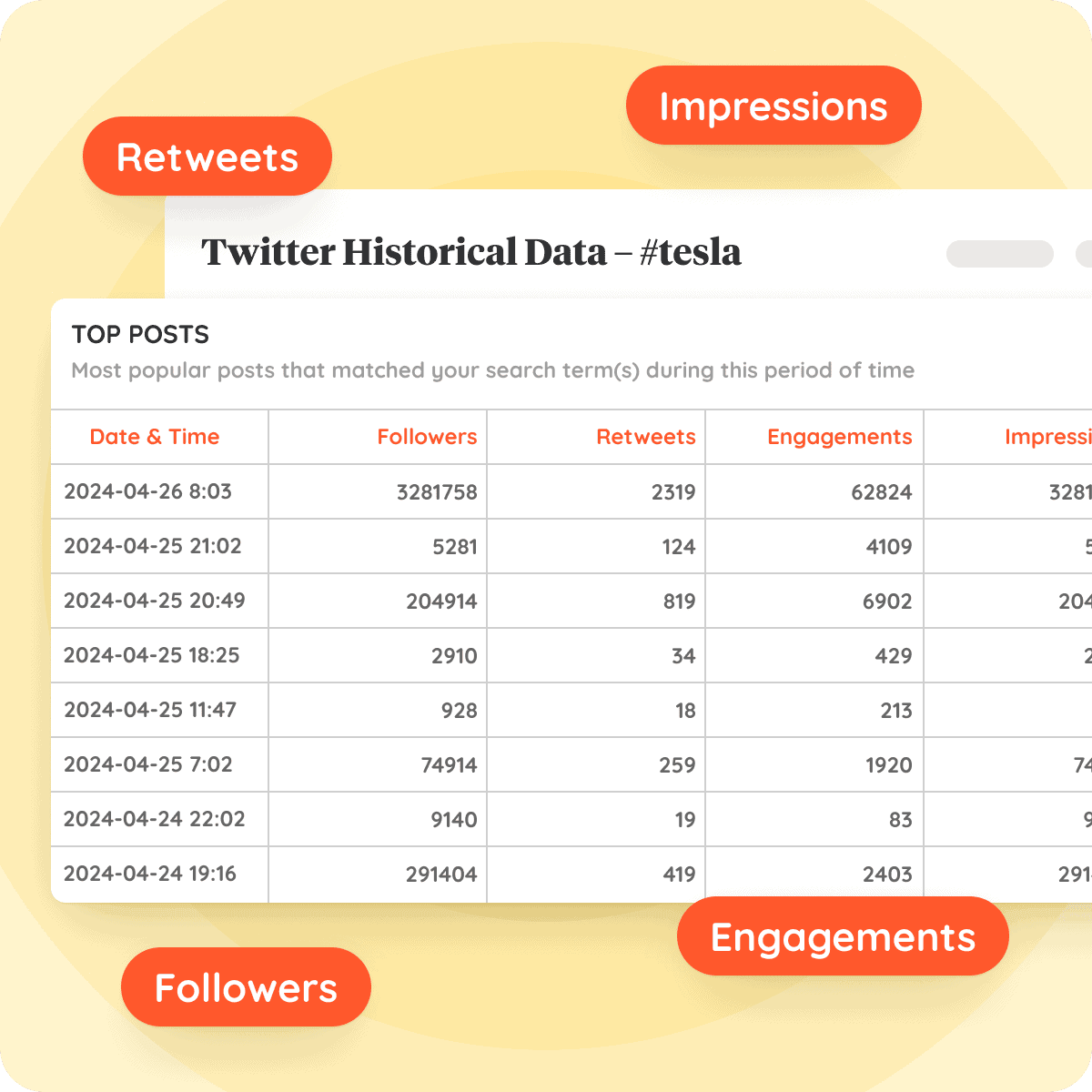
Modern social media analytics tools are characterized by a suite of powerful features designed to streamline data interpretation and reporting:
- Cross-Platform Aggregation: The ability to pull data from all major social networks into a single, unified dashboard, eliminating the need to toggle between multiple native interfaces.
- Performance Benchmarking: Comparing current performance against historical data, industry averages, and competitor metrics, providing crucial context for evaluating success.
- Audience Insights: Detailed demographics, interests, behaviors, and sentiment analysis of the target audience, enabling highly targeted content creation.
- Content Optimization Recommendations: Data-driven suggestions for ideal post types, lengths, visual elements, and topics based on past performance.
- Automated Reporting: Customizable, shareable reports (often white-label enabled) for stakeholders, clients, or internal teams, saving countless hours of manual compilation.
- Competitive Analysis: Monitoring competitor strategies, top-performing content, and audience engagement, offering competitive intelligence.
- Sentiment Analysis: AI-driven interpretation of the emotional tone in comments and mentions, gauging public perception and brand health.
- Influencer Tracking: Measuring the effectiveness of influencer campaigns and identifying relevant collaborators based on audience alignment and engagement metrics.
- Integration Capabilities: Seamless connection with other marketing tools, such as CRM systems, advertising platforms, and website analytics, for a truly holistic view of marketing efforts.
Choosing the Right Tool: A Strategic Framework
The selection of a social media analytics tool depends heavily on an organization’s specific needs, scale, and budget. The market offers a diverse range, from all-in-one social media management suites that include analytics to highly specialized tools focusing solely on deep data analysis.
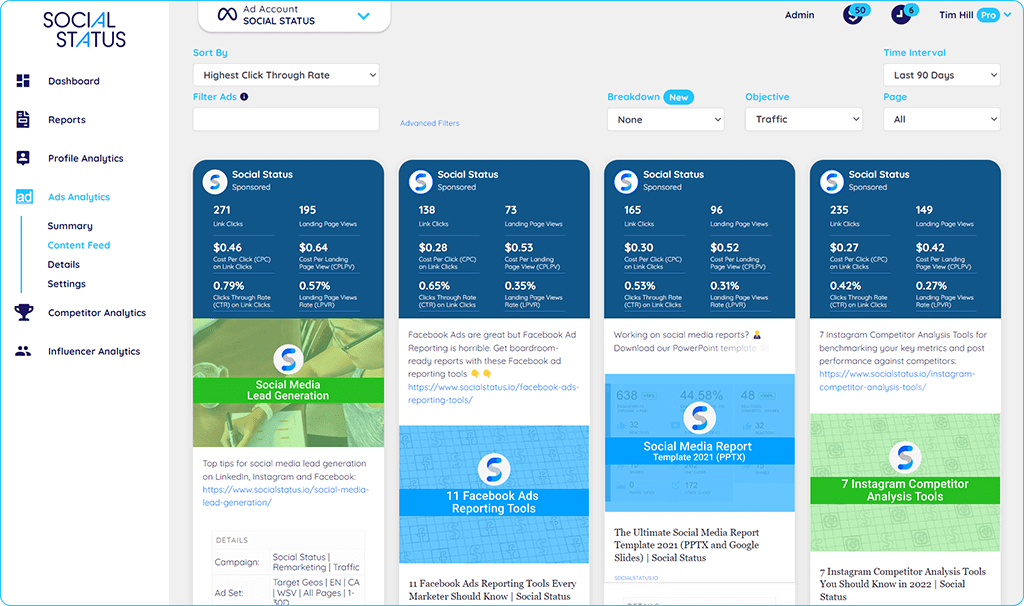
For solo creators, small businesses, or marketing teams managing their entire social media strategy, an integrated social media management software often proves most efficient. These platforms combine scheduling, community management, and analytics in one interface, simplifying workflows. Conversely, larger enterprises, agencies managing multiple clients, or businesses with highly specific data requirements (e.g., intensive market research, competitive intelligence) might benefit from dedicated analytics tools, sometimes in conjunction with a separate management platform.
Industry experts advise starting with a clear understanding of your core objectives. "Before investing, marketers must define their key performance indicators (KPIs) and the specific questions they need answers to," notes a spokesperson from a leading digital marketing consultancy. "The right tool isn’t necessarily the one with the most features, but the one that most effectively addresses your strategic priorities and integrates seamlessly into your existing workflow."
A Deep Dive into Leading Social Media Analytics Tools
The market currently features a robust selection of tools, each tailored to specific use cases and organizational sizes. Here, we examine a selection of prominent platforms, categorized by their primary strengths:
1. Comprehensive Management Suites with Robust Analytics
-
Buffer: As a long-standing player in social media management, Buffer is highly regarded for its user-friendliness, making it an excellent entry point for creators and small teams. Its analytics dashboard provides immediate, actionable insights into post types, optimal posting times, and content formats, presenting data in an intuitive, digestible manner. Beyond basic metrics like reach and engagement, it helps users understand the "best day to post" and "best content format" without extensive data interpretation. Buffer’s free plan offers basic analytics for up to three platforms, with advanced features available in paid plans starting from $6/month. It supports a broad spectrum of platforms including Bluesky, Facebook, Google Business, Instagram, LinkedIn, Mastodon, Pinterest, Threads, TikTok, X, and YouTube. Its integrated reporting capabilities allow for the quick generation of branded, shareable reports, a significant time-saver for busy professionals.
-
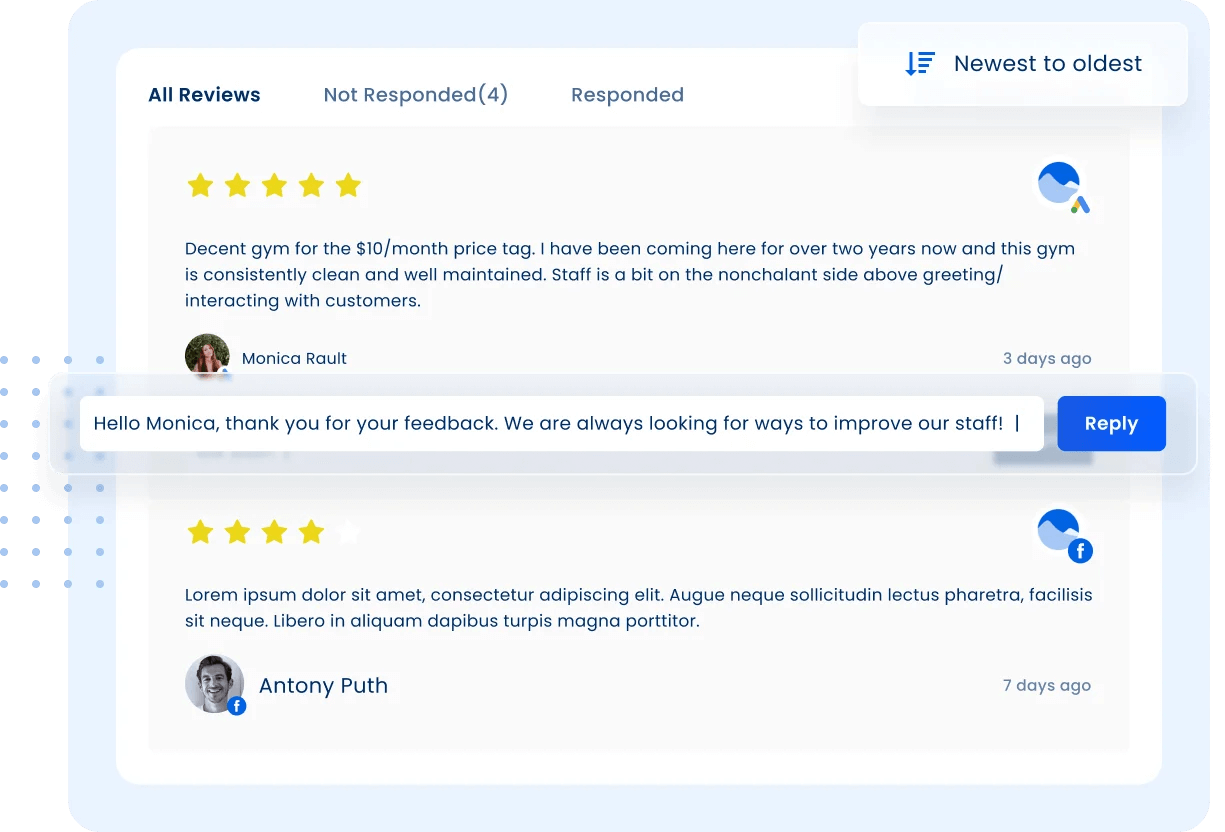
Vista Social: This platform transcends traditional analytics by offering a holistic social media management solution. Beyond scheduling and monitoring core social metrics, Vista Social excels in review management, aggregating feedback from various sites (Google Business, Yelp, TripAdvisor, etc.) into a single dashboard. This feature is invaluable for businesses focused on online reputation management, allowing them to track sentiment, respond promptly to reviews, and identify trends in customer feedback. With plans starting at $79/month, it supports an extensive list of platforms, including app stores, Reddit, and Yelp, making it a powerful tool for businesses requiring comprehensive digital presence management. Its ability to unify social media metrics with review data provides a more complete picture of a brand’s online health.
2. Specialized Analytics for Niche Applications
-
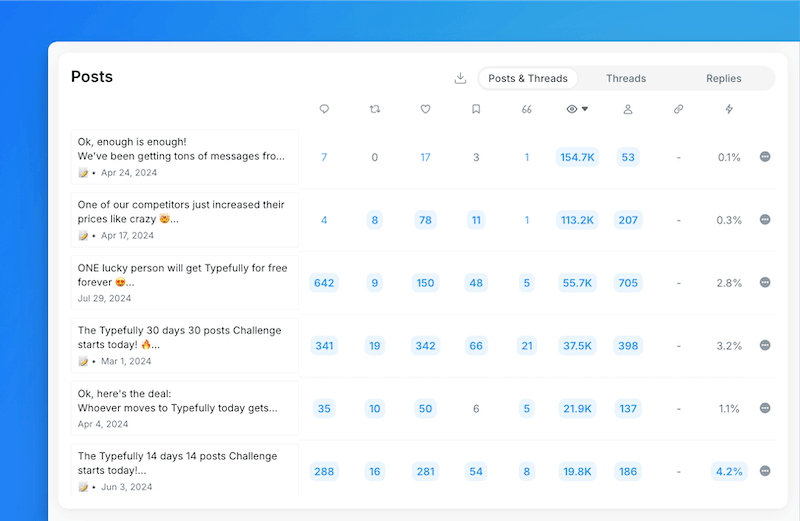
Typefully: For users primarily focused on X (formerly Twitter), Typefully offers unparalleled depth. While supporting other platforms like Bluesky, LinkedIn, Mastodon, and Threads, its core strength lies in X-specific analytics and content creation features, such as "viral thread hooks" for inspiration. A unique metric, "profile conversion rate," tracks how many profile visitors convert into followers, providing critical insights into profile optimization and audience appeal. This granular data helps users understand what drives follower growth and profile engagement on X, making it ideal for thought leaders, journalists, and businesses heavily invested in the platform. A free plan allows 15 posts/month, with paid plans starting from $16/month, billed yearly.
-
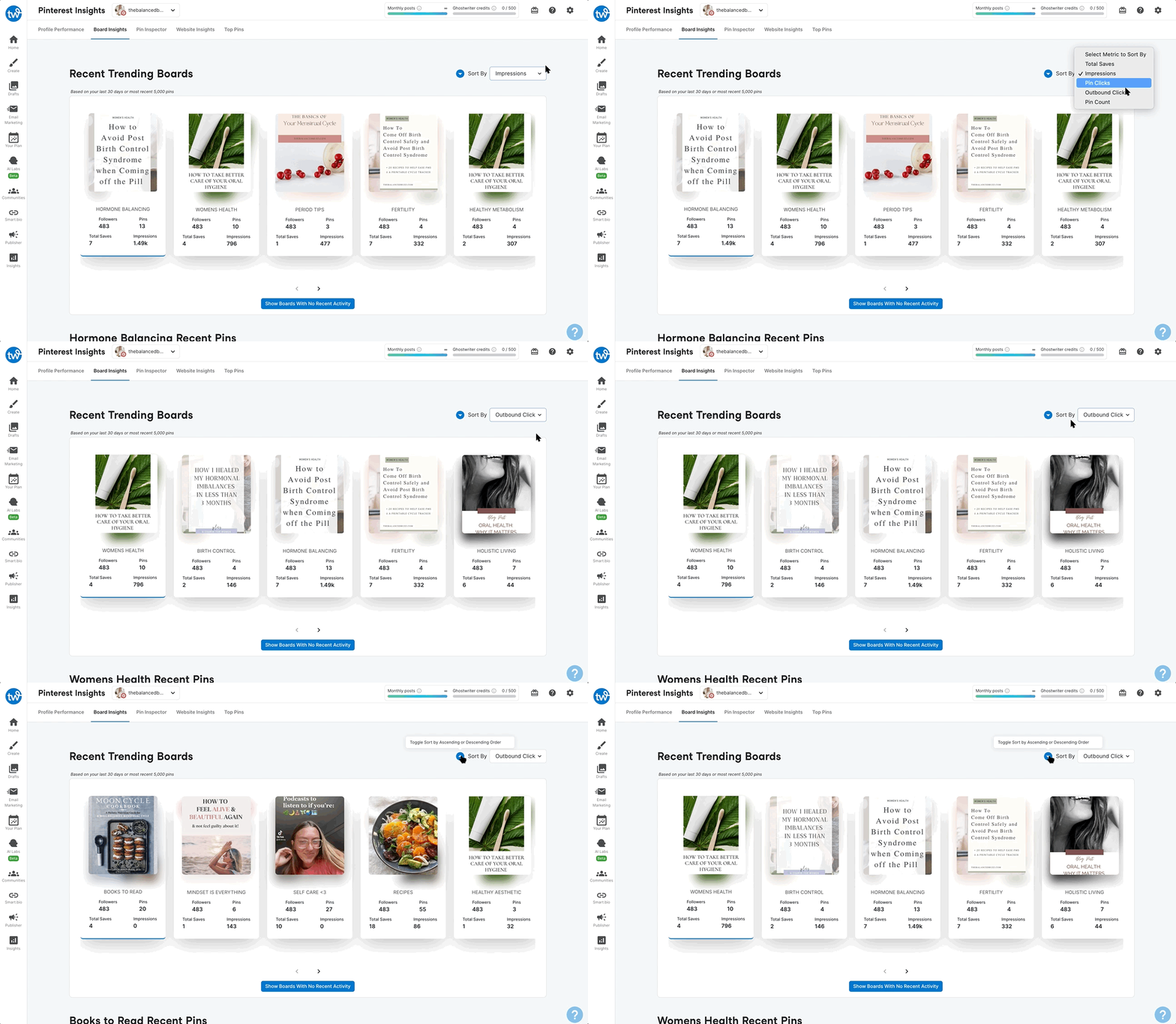
Tailwind: Designed specifically for businesses leveraging Pinterest for traffic generation, Tailwind stands out with its deep integration with Google Analytics. This enables users to directly attribute website traffic to specific Pinterest pins and boards, a crucial feature for e-commerce and content publishers. Its analytics encompass a wide array of Pinterest-specific metrics, from individual pin performance (saves, clicks, impressions) to overall board trends and audience engagement. Tailwind’s robust features for optimizing Pinterest strategy make it an indispensable tool for maximizing reach and conversions on the platform. It offers a free plan (5 posts/month) and paid plans beginning at $29.99/month, also supporting Facebook and Instagram analytics.
-
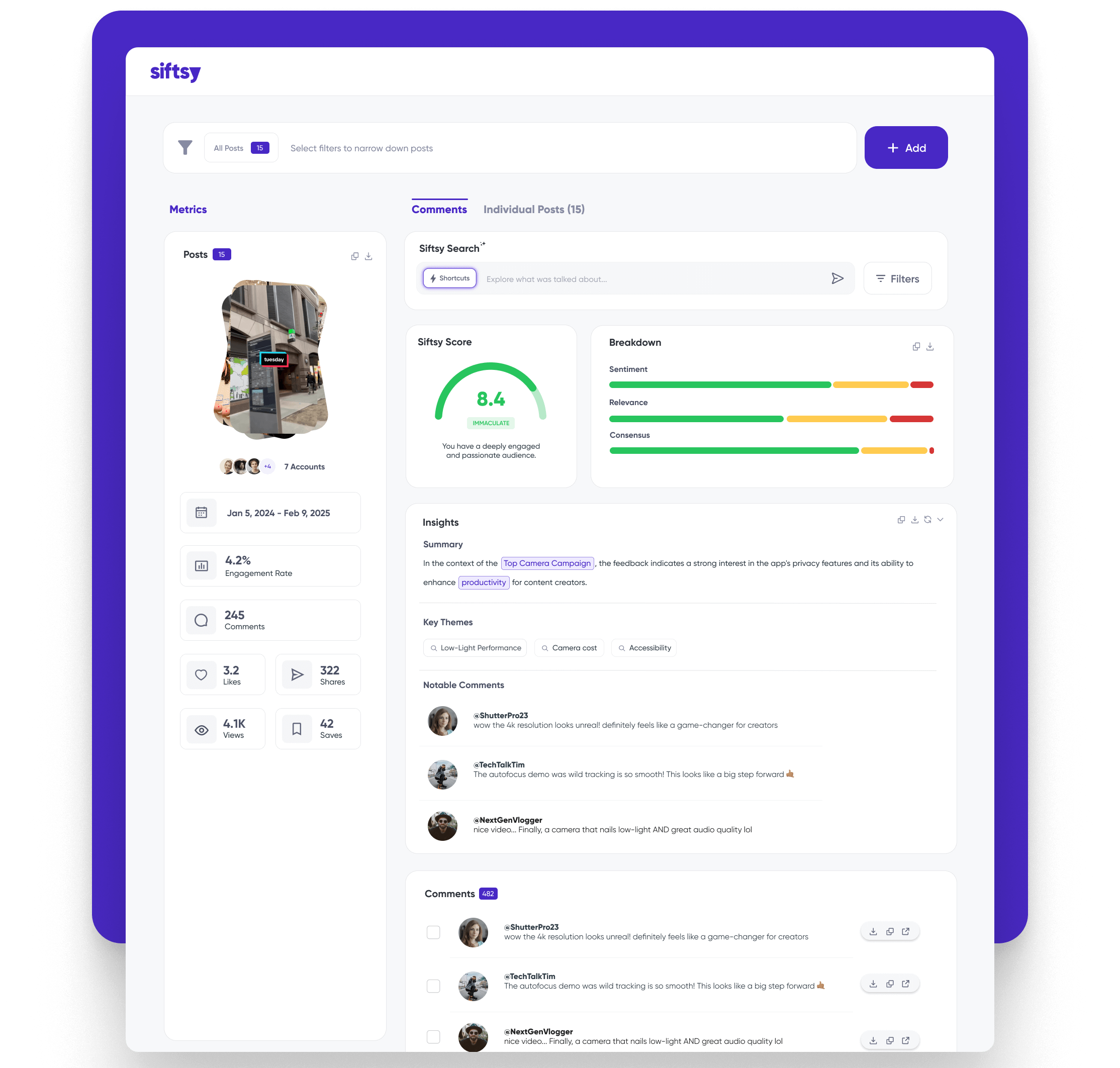
Siftsy: In an era where qualitative data complements quantitative metrics, Siftsy specializes in analyzing comments across multiple social channels. By leveraging AI, it extracts sentiment and key takeaways from audience feedback, providing insights into the "why" behind engagement numbers. This tool is particularly useful for understanding public perception of campaigns, identifying pain points in products or services, and gauging audience reactions to content. Siftsy transforms unstructured comment data into actionable intelligence, allowing marketers to refine their messaging and content strategy based on genuine audience sentiment. Pricing is not publicly available, reflecting its specialized, potentially custom-solution nature for Instagram, LinkedIn, TikTok, X, and YouTube.
3. Advanced Analytics for Enterprise and Market Research
-
Rival IQ: Positioned for large agencies, Rival IQ offers in-depth competitive benchmarking capabilities. It provides granular insights into competitor strategies, including likely boosted posts, brand positioning, and performance within specific social media niches. This tool is critical for agencies needing to inform client strategies with robust competitive intelligence and market context. Its features extend to social listening, offering a comprehensive view of the competitive landscape. With plans starting from $239/month, it caters to organizations with substantial competitive analysis needs across Facebook, Instagram, LinkedIn, TikTok, X, and YouTube, offering a 14-day free trial.
-
Keyhole: This platform excels in historical insights and market research, particularly for understanding long-term conversational trends. Keyhole can retrieve data dating back a decade, primarily for X, allowing users to trace the evolution of topics, audience sentiment, and engaging content over extended periods. Its machine learning system identifies emerging trends in real-time,