Ali Ikhwan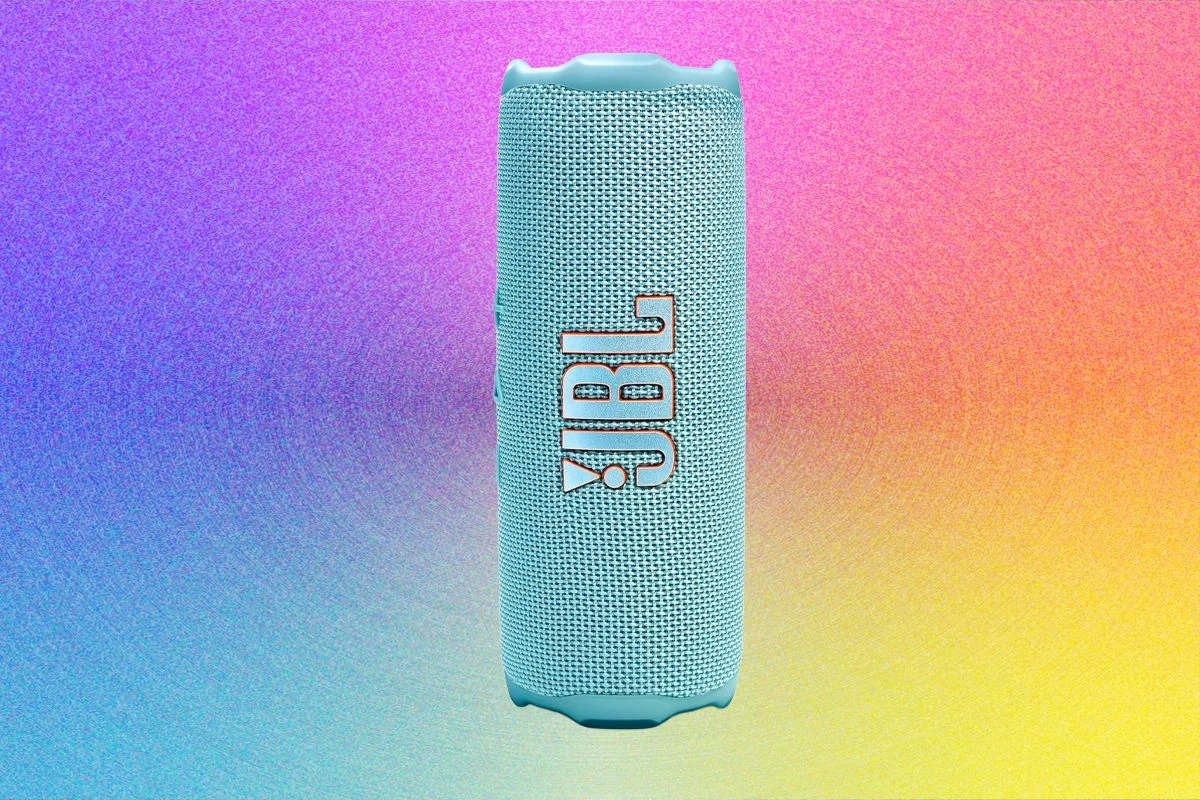
The global portable audio market has undergone a significant transformation in recent years, evolving from a niche segment of basic playback devices into a multi-billion-dollar industry characterized by sophisticated engineering, ruggedized builds, and seamless ecosystem integration. As consumer demand shifts toward versatile devices capable of transitioning from home offices to rugged outdoor environments, manufacturers are responding with hardware that prioritizes acoustic depth, battery longevity, and environmental resilience. Recent testing of the latest hardware from industry stalwarts like Bose, Sony, and JBL, alongside innovative entries from boutique firms like Brane Audio and DemerBox, reveals a market defined by three primary pillars: high-fidelity bass reproduction, sustainable modularity, and specialized utility.
The Evolution of Portable Bass and Acoustic Engineering
One of the most notable trends in the current audio landscape is the miniaturization of high-performance subwoofers. Historically, true low-frequency response required large enclosures to move the necessary volume of air. However, the introduction of the Brane Audio Brane X, priced at approximately $499, represents a technical milestone in the category. The device utilizes proprietary Repel Attract Driver (RAD) technology, a magnetic system designed to cancel internal air pressure, allowing the lunchbox-sized unit to house a functional subwoofer. This development addresses a long-standing consumer complaint regarding the "thin" sound of portable units, providing the punch and emotional resonance typically reserved for wired home systems.

Parallel to this, the Bose SoundLink Max, retailing for $329, has established a new benchmark for the "large portable" segment. While smaller than the iconic boomboxes of the late 20th century, the SoundLink Max utilizes a robust, rubberized chassis to house drivers capable of high-volume output without distortion. The device reflects a broader industry move toward "party-ready" hardware, featuring bold bass profiles optimized for outdoor dispersion. Furthermore, the inclusion of power-delivery features—allowing users to charge mobile devices via the speaker’s internal battery—highlights the growing expectation for multi-functional utility in high-end audio hardware.
A Chronology of the Portable Audio Revolution
To understand the current state of the market, it is necessary to examine the timeline of portable audio development over the last decade. The segment was largely defined in the early 2010s by the introduction of the original Beats Pill and the Ultimate Ears Boom series. These devices prioritized Bluetooth connectivity and portability over acoustic accuracy.
By 2018, the industry shifted toward "smart" integration, with Amazon Alexa and Google Assistant becoming standard features. However, the most recent era, beginning roughly in 2022, has seen a pivot back to "pure" audio performance and physical durability. The 2024 release of the updated Beats Pill ($100) and the Ultimate Ears Megaboom 4 ($170) exemplifies this trend. These newer iterations have abandoned extraneous "smart" features in favor of IP67 water and dust resistance, lossless audio support over USB-C, and refined driver arrays that deliver superior clarity compared to their predecessors.

Technical Specifications and Comparative Performance Data
In the mid-range segment, competition is increasingly dictated by battery life and connectivity standards. The JBL Charge 6, priced at $160, has become a reference point for the industry due to its 24-hour battery life and the implementation of Auracast technology. Auracast represents a significant leap in Bluetooth capability, allowing a single source device to broadcast audio to an unlimited number of nearby speakers, effectively creating a scalable public address system or a multi-room setup without the need for complex Wi-Fi configurations.
Comparatively, the Sony Ult Field 1 ($108) represents the entry-level of the premium portable market. While it features a dedicated "Ult" bass key to enhance low-end frequencies, technical analysis suggests a trade-off in midrange definition. Data from acoustic testing indicates that while the Sony unit excels in sheer volume for its size, it lacks the dynamic range found in the Ultimate Ears Megaboom 4, which offers 360-degree sound dispersion and a wireless range exceeding 150 feet.
| Model | Price | Battery Life | Key Feature |
|---|---|---|---|
| Brane Audio Brane X | $499 | 12 Hours | RAD Subwoofer Technology |
| JBL Charge 6 | $160 | 24 Hours | Auracast & Power Bank |
| Beats Pill (2024) | $100 | 24 Hours | Lossless USB-C Audio |
| DemerBox DB2 | $399 | 40 Hours | Pelican Case Integration |
| B&O Beosound Level | $1,900 | 16 Hours | Modular/Repairable Design |
Specialized Utility and Aesthetic Integration
Beyond pure performance, a subset of the market is catering to niche consumer needs through specialized design. The DemerBox DB2, priced at $399, merges professional-grade storage with audio. Built inside a genuine Pelican case, the unit is crushproof and waterproof, catering to the "overlanding" and maritime communities. Its 40-hour battery life is among the highest in the industry, reflecting a design philosophy that prioritizes reliability in extreme environments over sleek aesthetics.

Conversely, the Marshall Stockwell II ($150) appeals to the lifestyle and "prosumer" segment. By mimicking the aesthetic of the company’s legendary guitar amplifiers, Marshall has leveraged brand heritage to capture a demographic that values tactile controls and vintage design. The Stockwell II features analog knobs for volume, bass, and treble, offering a level of physical interaction that modern touch-interface speakers often lack.
Sustainability and the Premium Modular Segment
As electronic waste becomes a growing global concern, some manufacturers are experimenting with "circular economy" models. The Bang & Olufsen Beosound Level, which retails for a staggering $1,900, is the vanguard of this movement. Unlike most Bluetooth speakers, which are treated as disposable commodities once their internal batteries degrade, the Beosound Level is designed for a lifetime of use.
The device is modular; the battery, wood or fabric covers, and even the internal streaming module can be replaced or upgraded as technology advances. This "buy once, repair forever" philosophy is a direct response to the planned obsolescence that has plagued the consumer electronics industry. While the high entry price limits its market share, industry analysts suggest that the Beosound Level serves as a proof-of-concept for future regulations regarding the "right to repair" in the European Union and the United States.

Market Implications and Industry Outlook
The diversification of the portable audio market has significant implications for both consumers and manufacturers. For consumers, the "Honorable Mentions" of the current generation—those speakers that may not be the top overall picks but excel in specific categories—offer more choice than ever before. Budget-conscious buyers can now access stereo-pairing and synchronized lighting in devices like the Tribit Stormbox Mini+ for as little as $30, a level of functionality that cost five times as much only a few years ago.
For the industry, the focus is shifting toward software ecosystems and proprietary audio codecs. The ability of the Beats Pill to offer one-touch pairing for both iOS and Android devices signals a move away from "walled gardens" toward universal compatibility. Simultaneously, the push for lossless audio over wired USB-C connections suggests that even in a wireless-first world, there remains a dedicated cohort of audiophiles who demand the highest possible bitrates.
Conclusion
The current crop of portable speakers demonstrates that the industry has reached a level of maturity where "good" sound is now the baseline, and competition is won on the margins of durability, specialized features, and longevity. Whether it is the raw power of the Brane X’s subwoofer, the indestructible nature of the DemerBox, or the sustainable luxury of Bang & Olufsen, the market is no longer a one-size-fits-all landscape. As Bluetooth 5.3 and Auracast become the standard, the next frontier will likely involve even greater integration between portable devices and the broader smart home environment, further blurring the lines between mobile utility and high-fidelity home audio.