Cintya Tara Annisa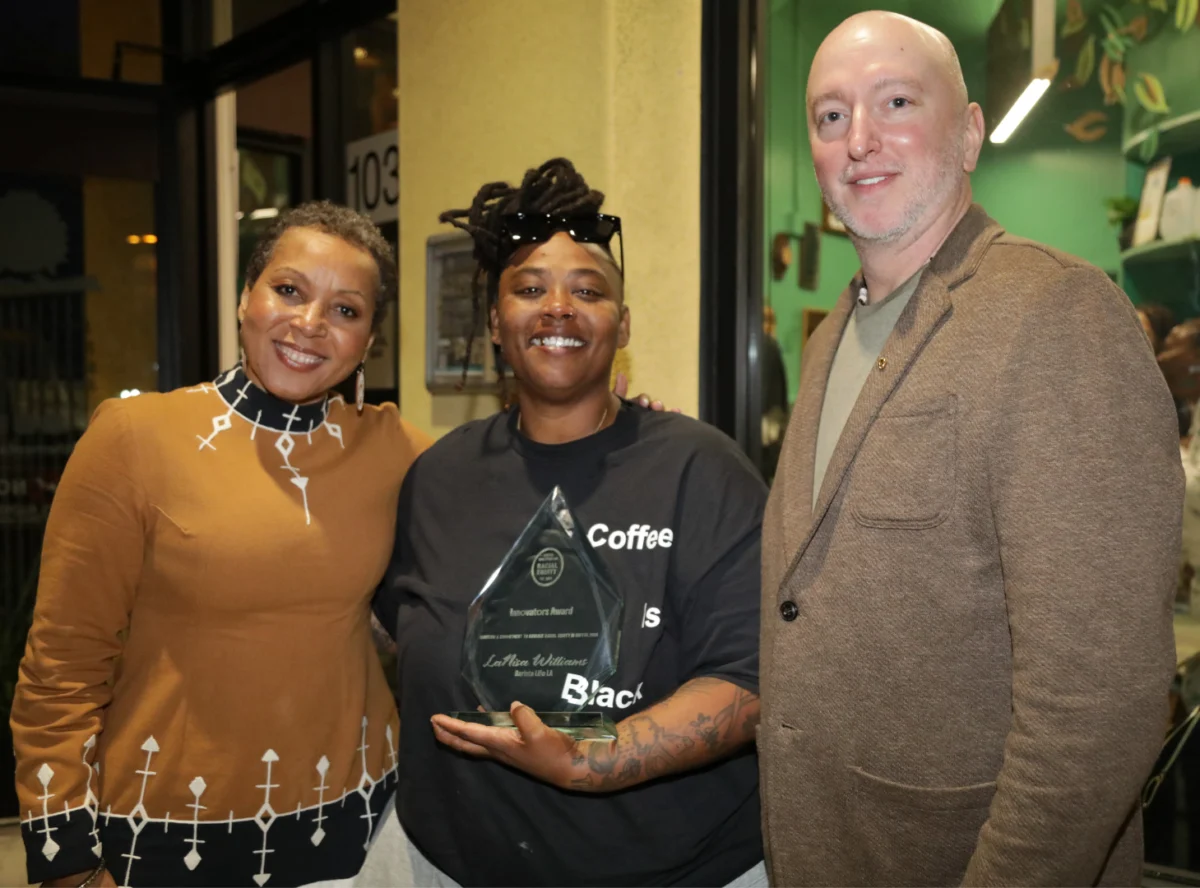
San Diego, Calif. — On April 10, 2026, the Coffee Coalition for Racial Equity (CCRE) convened a landmark gathering known as "The First Sip! 2026," bringing together a diverse assembly of coffee professionals, entrepreneurs, and equity advocates. Held in the heart of San Diego, California, the event served as a critical satellite gathering aligned with the larger World of Coffee 2026 exposition. The assembly focused on fostering deep community connections, addressing systemic barriers within the global coffee supply chain, and celebrating the achievements of Black and Brown professionals who are reshaping the specialty coffee landscape. By centering the dialogue on equity and representation, the CCRE provided a space for meaningful engagement that extended beyond the commercial transactions typically associated with major industry trade shows.
A Strategic Venue in the San Diego Black Arts and Culture District
The selection of the venue was a deliberate move by the CCRE to ground the event in local culture and history. Held at The Mental Bar, located within the San Diego Black Arts & Culture District, the setting reinforced the event’s mission of highlighting minority-owned spaces. The Mental Bar, a wellness-focused coffee and tea house, represents the type of entrepreneurial success the CCRE seeks to replicate across the industry. By hosting the event in this district, the CCRE bridged the gap between the high-level corporate environment of the World of Coffee conference and the grassroots community movements that sustain local economies.
The Black Arts & Culture District in San Diego has long been a hub for creativity and social advocacy. For attendees, many of whom traveled from across the globe, the venue provided a stark and necessary contrast to the sterile environment of convention centers. It allowed for a more intimate exchange of ideas, where the focus remained on the human element of the coffee trade—the farmers, the baristas, and the business owners who often operate on the margins of the multi-billion dollar specialty coffee sector.
Honoring Innovation: The 2026 Innovator’s Award
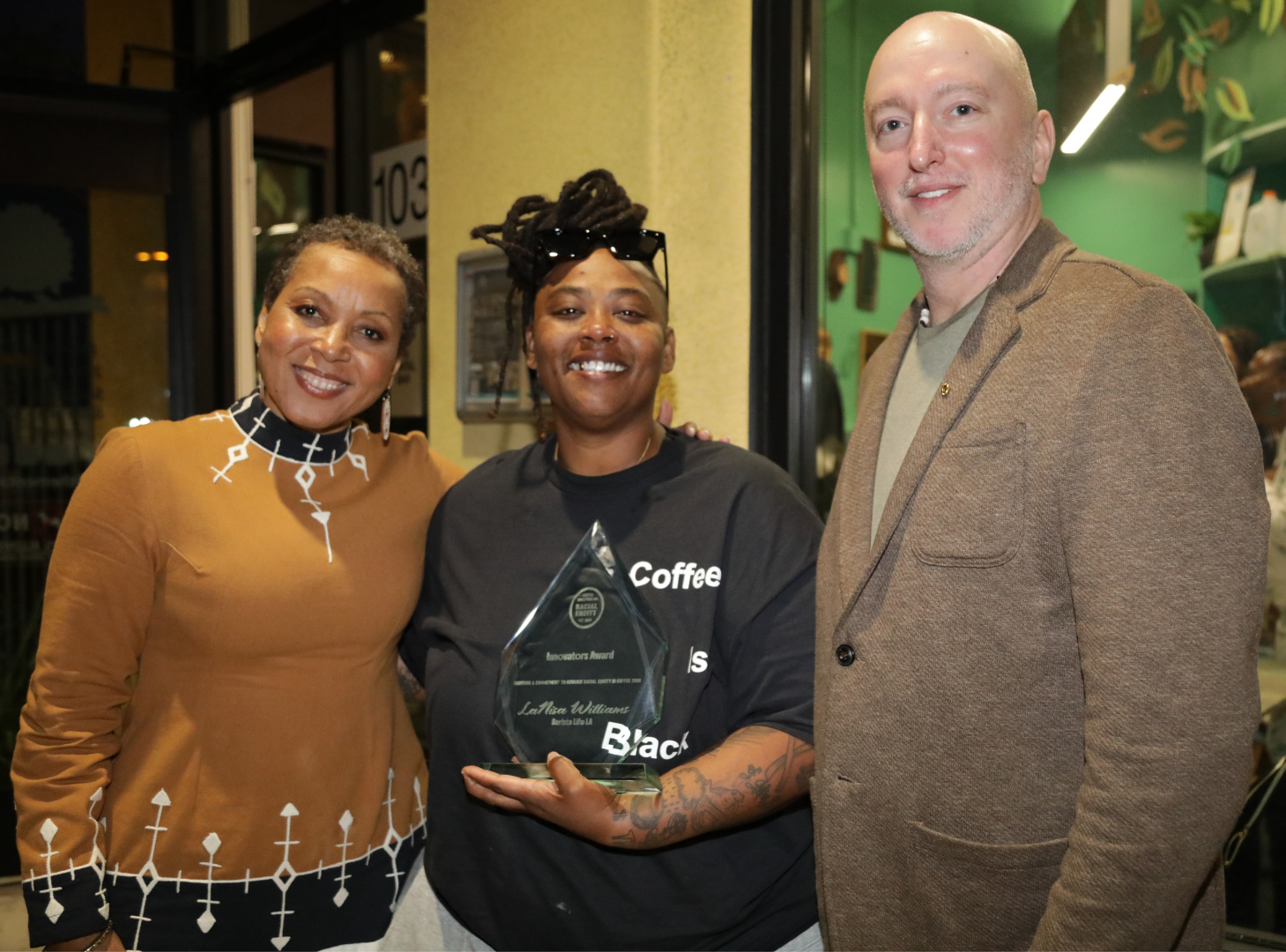
A central pillar of the evening’s program was the presentation of the Innovator’s Award, a distinction reserved for individuals who have demonstrated exceptional leadership and a commitment to transformative change. The 2026 recipient was LaNisa Williams, a highly respected coffee professional, trainer, and entrepreneur. Williams is the founder of Barista Life LA, an organization that has become a cornerstone for education and career development within the specialty coffee community in Southern California and beyond.
Williams was recognized for her tireless work in creating accessible pathways for underrepresented individuals to enter the industry. Her platform, Barista Life LA, does more than teach technical skills; it fosters a sense of belonging and professional identity for Black and Brown baristas who may not see themselves represented in traditional specialty coffee spaces. Through her "Giving It My All" (GIMA) scholarship program and various community initiatives, Williams has effectively lowered the barrier to entry for many aspiring professionals, ensuring that the next generation of coffee leaders is as diverse as the consumers they serve.
In her acceptance of the award, Williams emphasized the importance of mentorship and the need for established professionals to "reach back" as they climb the corporate or entrepreneurial ladder. Her work is viewed by industry analysts as a vital component of the "equity infrastructure" required to move the coffee sector toward a more sustainable and inclusive future.
Leadership Reflections and the "Moving Forward Together" Philosophy
Phyllis Johnson, the founder and President of the CCRE, addressed the gathering with a message of resilience and collective responsibility. Johnson, who has been a vocal advocate for racial equity in coffee for decades, reflected on the shared challenges faced by professionals of color within the industry. "As I look out and see many of you, I know we all struggle," Johnson remarked during the program. "We’re all in this together, and the way we get through it is by moving forward together."
Johnson’s leadership has been instrumental in shifting the industry conversation from vague notions of "diversity" to concrete actions regarding "equity." Under her guidance, the CCRE has moved beyond symbolic gestures, focusing instead on the redistribution of resources, the expansion of educational access, and the creation of mentorship networks. Her remarks in San Diego highlighted a sense of weary but determined optimism—a recognition that while the path to equity is fraught with systemic hurdles, the strength of the community provides the necessary momentum for progress.
The Brewing for Equity Fellowship: A Timeline of Impact
The event also served as a platform to highlight the progress of the Brewing for Equity Fellowship, a flagship program of the CCRE. The fellowship was first introduced in April 2025 and officially launched in July 2025, marking a significant milestone in the organization’s efforts to provide tangible support to emerging leaders.
The fellowship was designed to address the "opportunity gap" that frequently prevents talented Black and Brown professionals from advancing into leadership roles or owning their own businesses. By providing financial support, professional development, and direct access to a network of industry veterans, the program seeks to create a pipeline of diverse talent that can influence the industry at every level—from green coffee buying and roasting to retail management and corporate leadership.
The timeline of the fellowship reflects the CCRE’s rapid growth:
- April 2025: Concept introduction and initial fundraising at the SCA Coffee Expo.
- July 2025: Official launch and selection of the inaugural cohort.
- January 2026: Mid-term reviews and mentorship pairing completion.
- April 2026: Public recognition of fellows at The First Sip! in San Diego.
Industry observers note that the success of such fellowships is crucial for the long-term health of the specialty coffee market, which faces increasing pressure to demonstrate social accountability to a younger, more socially conscious consumer base.
Data and Context: The Economic Reality of Racial Equity in Coffee
To understand the significance of the CCRE’s work, one must look at the broader economic data surrounding the coffee industry. Despite coffee being a product primarily grown in the Global South by people of color, the ownership and leadership of the specialty coffee industry in consuming countries like the United States remain overwhelmingly white.
According to industry surveys conducted between 2022 and 2025, while the "front-of-house" workforce in urban coffee shops is increasingly diverse, Black and Brown professionals are significantly underrepresented in "back-of-house" roles such as roasting, quality control, and executive management. Furthermore, access to capital remains a primary obstacle for minority entrepreneurs. Data from the Small Business Administration (SBA) indicates that Black-owned businesses are historically less likely to receive conventional bank loans compared to their white counterparts, even when controlling for creditworthiness.
The CCRE’s initiatives, such as The First Sip! and the Brewing for Equity Fellowship, are designed to disrupt these trends. By facilitating high-level networking and providing educational resources, the CCRE helps minority professionals bypass traditional gatekeepers. The 2026 event in San Diego demonstrated that the demand for these resources is at an all-time high, with attendance numbers exceeding previous years’ satellite events.
Broader Implications for the Global Coffee Industry
The activities of the CCRE in San Diego carry implications that reach far beyond the borders of California. As the specialty coffee industry grapples with the impacts of climate change, fluctuating C-market prices, and labor shortages, the inclusion of diverse perspectives is increasingly seen as a business imperative rather than just a moral one.
Economists specializing in agricultural supply chains argue that racial equity in consuming countries is intrinsically linked to the welfare of producers in origin countries. When Black and Brown professionals hold positions of power in importing and roasting companies, there is a higher likelihood of "cultural competency" in trade relationships. This can lead to more equitable direct-trade models and a better understanding of the socio-economic challenges faced by coffee-growing communities in Africa, Latin America, and Southeast Asia.
Furthermore, the CCRE’s focus on education and innovation—embodied by LaNisa Williams—addresses the industry’s "skills gap." By training a more diverse workforce, the industry becomes more resilient and better equipped to innovate in brewing technology, flavor profiles, and customer engagement.
Future Outlook: Beyond 2026
As the Coffee Coalition for Racial Equity concludes its 2026 San Diego residency, the organization looks toward a future where its presence is not just a "special event" but a foundational part of the industry’s calendar. Plans are already in motion for expanded programming in 2027, with a focus on increasing the fellowship’s reach and deepening partnerships with international coffee bodies.
The First Sip! 2026 has set a new benchmark for how industry events can prioritize community and equity. By moving the conversation into the Black Arts & Culture District and honoring those who are doing the difficult work of ground-level education, the CCRE has reinforced its role as a vital catalyst for change. The message from San Diego is clear: the specialty coffee industry’s path to sustainability must be paved with equity, and that journey is best undertaken together.
In an era where corporate social responsibility is often scrutinized for lack of depth, the CCRE’s consistent focus on measurable outcomes—such as the Innovator’s Award and the Brewing for Equity Fellowship—provides a blueprint for genuine progress. As the industry departs San Diego, the connections made at The Mental Bar are expected to yield new collaborations, businesses, and advocacy efforts that will continue to reshape the world of coffee for years to come.