
 Ali Ikhwan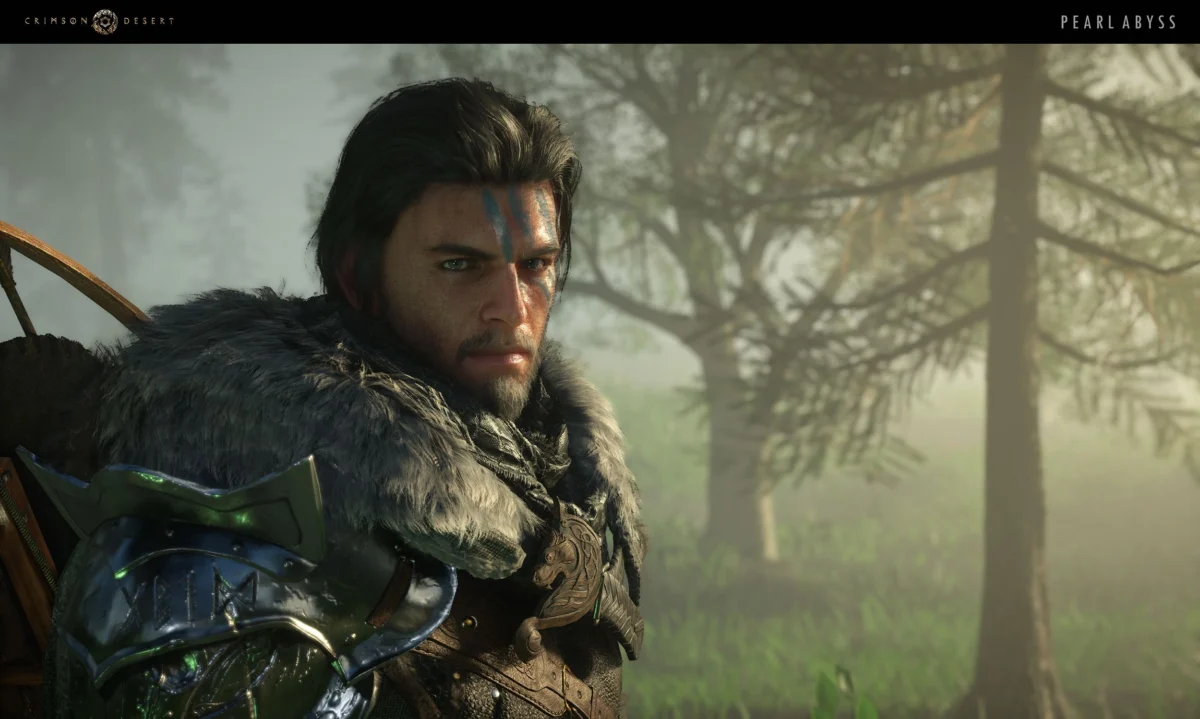
The global gaming landscape has witnessed a significant shift with the release of Crimson Desert, an ambitious open-world action-adventure title developed and published by the South Korean studio Pearl Abyss. Originally conceived as a prequel to the massively multiplayer online role-playing game (MMORPG) Black Desert Online, the project underwent a radical transformation during its development cycle, emerging as a standalone single-player experience that emphasizes narrative depth, complex physics-based combat, and an unprecedented level of environmental interaction. Set in the sprawling, war-torn continent of Pywel, the game follows Kliff, a mercenary leader navigating a world of political intrigue and mythical threats. While the title faced a challenging launch characterized by technical hurdles and user interface complexities, a series of rapid post-launch updates has solidified its position as a technically proficient "superbaby" of the genre, blending the systemic creativity of The Legend of Zelda: Breath of the Wild with the cinematic grandeur of Red Dead Redemption 2.
The Evolution of Crimson Desert: From Prequel to Standalone Epic
The development history of Crimson Desert is a testament to the evolving ambitions of Pearl Abyss. First announced at G-Star 2019, the game was initially presented as a narrative-driven prequel to the studio’s flagship MMORPG, Black Desert. However, by late 2020, the studio announced a strategic pivot, reclassifying the title as a primary single-player action-adventure game with potential multiplayer components to be added at a later date. This decision was driven by a desire to compete with high-end Western AAA titles and to showcase the capabilities of the studio’s proprietary BlackSpace Engine.
The transition was not without its delays. Originally slated for a 2021 release, the game was pushed back multiple times as the developers sought to deepen the "life" features of the world—systems that allow players to engage in activities beyond combat, such as fishing, trading, and animal husbandry. This extended development period allowed for the integration of advanced physics and AI systems that govern how the protagonist, Kliff, interacts with both the environment and the inhabitants of Pywel. The resulting product is a dense, systemic sandbox that rewards experimentation and slow-paced exploration as much as it does high-speed combat.
Mechanical Depth and the "Superbaby" Paradigm
Industry analysts have noted that Crimson Desert functions as a synthesis of the most successful mechanics found in contemporary gaming. This "superbaby" approach—taking the DNA of various masterpieces and fusing them into a singular entity—is evident in several key areas. The combat system, for instance, utilizes a "crunchy," visceral style reminiscent of Assassin’s Creed and Dragon’s Dogma, incorporating grappling, body slams, and environmental kills. Kliff is not merely a swordsman; he is a physical force capable of utilizing his entire body and the surrounding terrain to dismantle foes.
Beyond combat, the game’s traversal mechanics have received significant praise for their innovation. While most open-world titles treat horses as simple modes of transportation, Crimson Desert introduces advanced equestrian physics. Horses in the game are capable of "power slides" and "Tokyo-drifting" around corners, allowing for high-speed navigation through dense forests and mountain passes. Furthermore, the game incorporates supernatural traversal elements, including magical glides and multi-jump capabilities, which allow players to scale massive structures and natural landmarks with a fluidity rarely seen in the genre.

One of the most distinctive features of Crimson Desert is its comprehensive pet and animal interaction system. In a departure from the "can you pet the dog" trope common in modern gaming, Pearl Abyss has implemented a deep adoption mechanic. Players can adopt up to 30 animals—including cats and dogs—into their mercenary camp. These animals are not merely aesthetic; they require care, feeding, and interaction to build rapport. This system exemplifies the game’s "yes-and" philosophy of design, where developers strive to fulfill player desires for immersion through complex, interlocking systems rather than simple animations.
Technical Analysis of the Pywel Continent
The continent of Pywel serves as a showcase for the BlackSpace Engine’s rendering capabilities. The world is characterized by its sheer scale and verticality, with architectural set pieces that rival the iconic designs of epic fantasy cinema. The level of detail extends from the macro—towering citadels that can be seen from miles away—to the micro—leaves swirling in the wind and the realistic fur rendering on the game’s various fauna.
However, this technical ambition initially came at a cost. At launch, players reported a variety of bugs, including collision errors and performance dips in densely populated areas. The user interface was also criticized for being obtuse, requiring a steep learning curve for players accustomed to more streamlined Western designs. In response, Pearl Abyss initiated an aggressive patching schedule. Within weeks of launch, the studio released several updates targeting performance optimization and UI refinement. These patches addressed "strange design decisions" and directly incorporated player feedback, a move that has been viewed favorably by the gaming community and has helped stabilize the title’s reputation.
The Economic and Cultural Impact of South Korean AAA Development
The success and reception of Crimson Desert represent a broader trend in the global gaming industry: the rise of high-budget, single-player titles from East Asian studios that were previously known for mobile or MMO experiences. Following the success of titles like Black Myth: Wukong from China, Crimson Desert signals South Korea’s intent to dominate the premium console and PC market.
For Pearl Abyss, Crimson Desert is a critical pivot. As a publicly traded company, the studio’s financial health has historically been tied to the longevity of Black Desert Online. By diversifying into the single-player AAA space, the studio is tapping into a different demographic of players—those who prefer finite, high-quality narrative experiences over the "live service" model. While a multiplayer mode is planned for the future, the decision to lead with a robust single-player campaign has been interpreted as a commitment to artistic integrity and world-building.
Chronology of Key Milestones
To understand the current state of Crimson Desert, it is essential to review the timeline of its development and release:

- November 2019: Official reveal at G-Star in Busan, South Korea.
- December 2020: Debut of the gameplay trailer at The Game Awards, showcasing the shift to a single-player focus.
- July 2021: Pearl Abyss announces an indefinite delay to ensure the "safety and health" of the development team and to add more depth to the game’s systems.
- August 2023: A comprehensive gameplay trailer at Gamescom demonstrates the "BlackSpace Engine" and the game’s advanced physics.
- Launch Period: Release on major platforms, accompanied by a mix of high praise for mechanics and criticism for technical stability.
- Post-Launch (Present): Consistent deployment of patches to address UI, bugs, and performance, leading to a significant increase in positive player sentiment.
Official Responses and Future Outlook
In official communications, Pearl Abyss has emphasized that Crimson Desert is a "living project." A spokesperson for the studio stated, "Our goal was to create a world that feels reactive and alive. We acknowledge the initial hurdles our players faced at launch, and our development team remains dedicated to refining the experience. Pywel is a continent that will continue to grow."
The studio’s commitment to a single-player-first model has been lauded by critics who have grown weary of the "live service" fatigue currently affecting the industry. By focusing on a "sandbox of curiosity," Crimson Desert avoids the pitfalls of repetitive "icon-clearing" gameplay that plagues many modern open-world titles. Instead, it relies on the player’s innate desire to explore—whether that involves discovering a hidden mountain pass, mastering a complex combat maneuver, or simply tending to a growing collection of camp pets.
Looking forward, the potential addition of a multiplayer mode remains a point of interest for the community. However, the current consensus is that the game’s strength lies in its "weirder, interesting edges"—the specific, idiosyncratic details that might be lost in a more standardized multiplayer environment. As it stands, Crimson Desert is an "incredible sandbox" that captures the grandeur of classic epic fantasy while pushing the boundaries of what is technically possible in an open-world setting.
Implications for the Open-World Genre
Crimson Desert’s legacy will likely be defined by its refusal to compromise on complexity. By integrating disparate elements—from "Tokyo-drifting" horses to toxoplasmosis-adjacent pet mechanics—Pearl Abyss has created a title that feels uniquely personal despite its massive scale. It serves as a reminder that the open-world genre still has room for innovation, provided developers are willing to invest in the underlying systems that make a world feel truly "alive."
As the game continues to evolve through patches and potential expansions, it remains a benchmark for how modern studios can navigate the transition from MMO development to AAA single-player storytelling. For players, the result is a world where they can be a world-saving hero one moment and a dedicated pet owner the next, all within a visually stunning and mechanically dense environment that rewards every second of the 60-plus hours required to see its wonders.







