rifanmuazin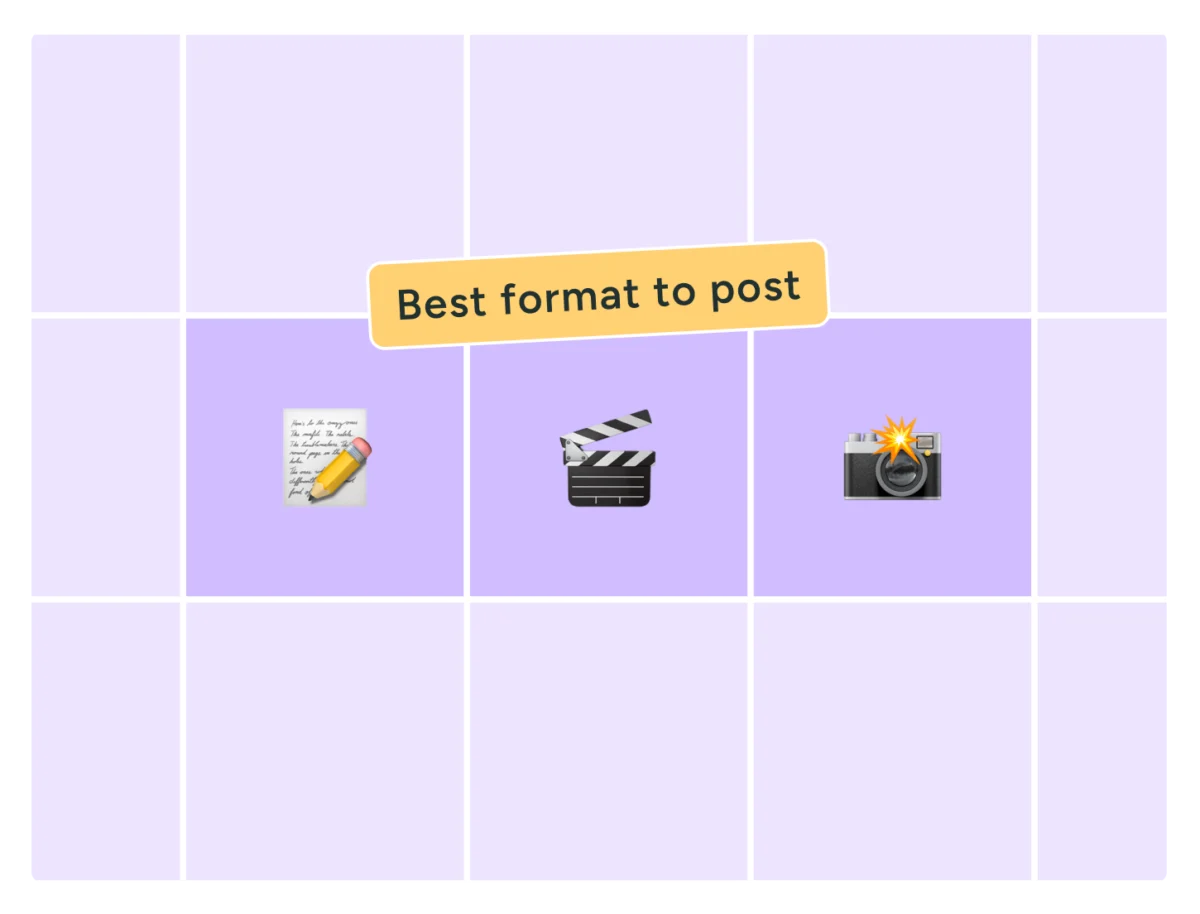
A comprehensive analysis of millions of social media posts by Buffer, detailed in their 2026 State of Social Media Engagement report, challenges the prevailing industry narrative that video is the undisputed champion of online engagement. While short-form video content from platforms like Instagram Reels, YouTube Shorts, and TikTok dominates media consumption, the data indicates a more complex landscape where optimal content formats vary significantly across different social media channels, often depending on specific strategic objectives such as reach versus deep engagement.
The report, which scrutinizes performance across Threads, TikTok, LinkedIn, X (formerly Twitter), Instagram, Facebook, Pinterest, and Bluesky, suggests that content creators and brands must adopt a highly tailored approach rather than a universal video-first strategy. The findings underscore that successful audience building and interaction are deeply tied to understanding platform-specific algorithms and user behaviors.
Methodology and Context: Unpacking the 2026 Engagement Landscape
The study analyzed a vast dataset, offering a median engagement rate for various content types, a statistical approach chosen to provide a more realistic picture by mitigating the influence of extreme outliers. This methodology offers crucial insights for marketers navigating an increasingly fragmented and algorithm-driven digital ecosystem. For Instagram, engagement rates were measured as a percentage of reach, acknowledging the platform’s distinct metrics. Bluesky, being an emergent platform, used median total interactions due to its early-stage data.
The general sentiment across the digital marketing sphere has long leaned towards video as the "be-all and end-all," driven by the explosive growth of platforms like TikTok and the strategic pivots of established giants such as Instagram and YouTube. However, Buffer’s 2026 report serves as a critical re-evaluation, indicating that while video undoubtedly holds immense power for discovery and reach, other formats frequently outperform it in fostering deeper engagement with existing audiences. This distinction between reach and engagement emerges as a central theme, demanding a more nuanced strategic framework from content creators.
Key Findings Overview: A Snapshot of Platform Performance
The report’s aggregated findings present a compelling, and at times surprising, overview of content efficacy across major platforms:
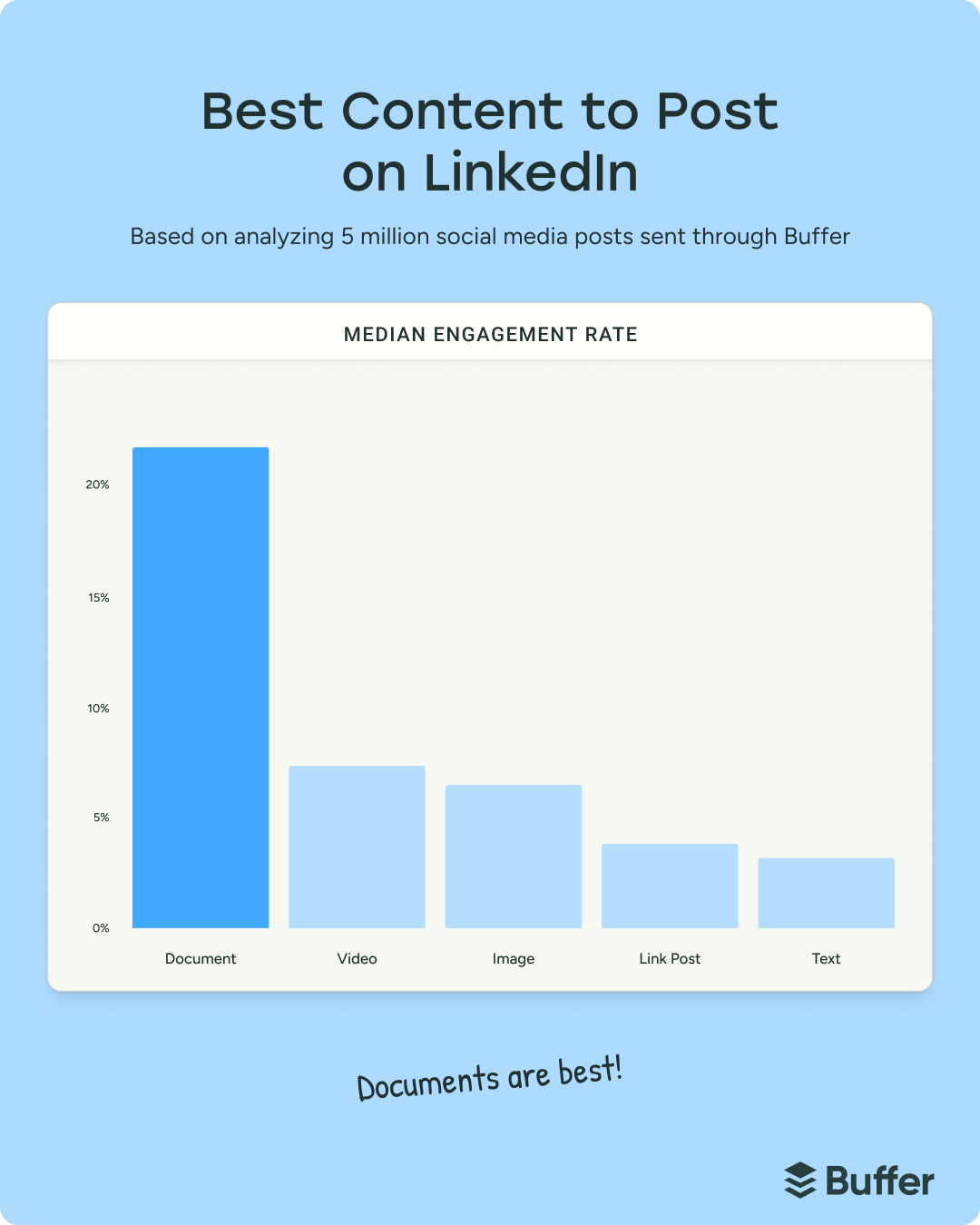
- LinkedIn: Carousels (PDF posts) emerged as the clear leader with an exceptional 21.77% engagement rate, dwarfing video at 7.35%.
- Pinterest: Counterintuitively, video led with 5.75% engagement, surpassing traditional images at 3.15%.
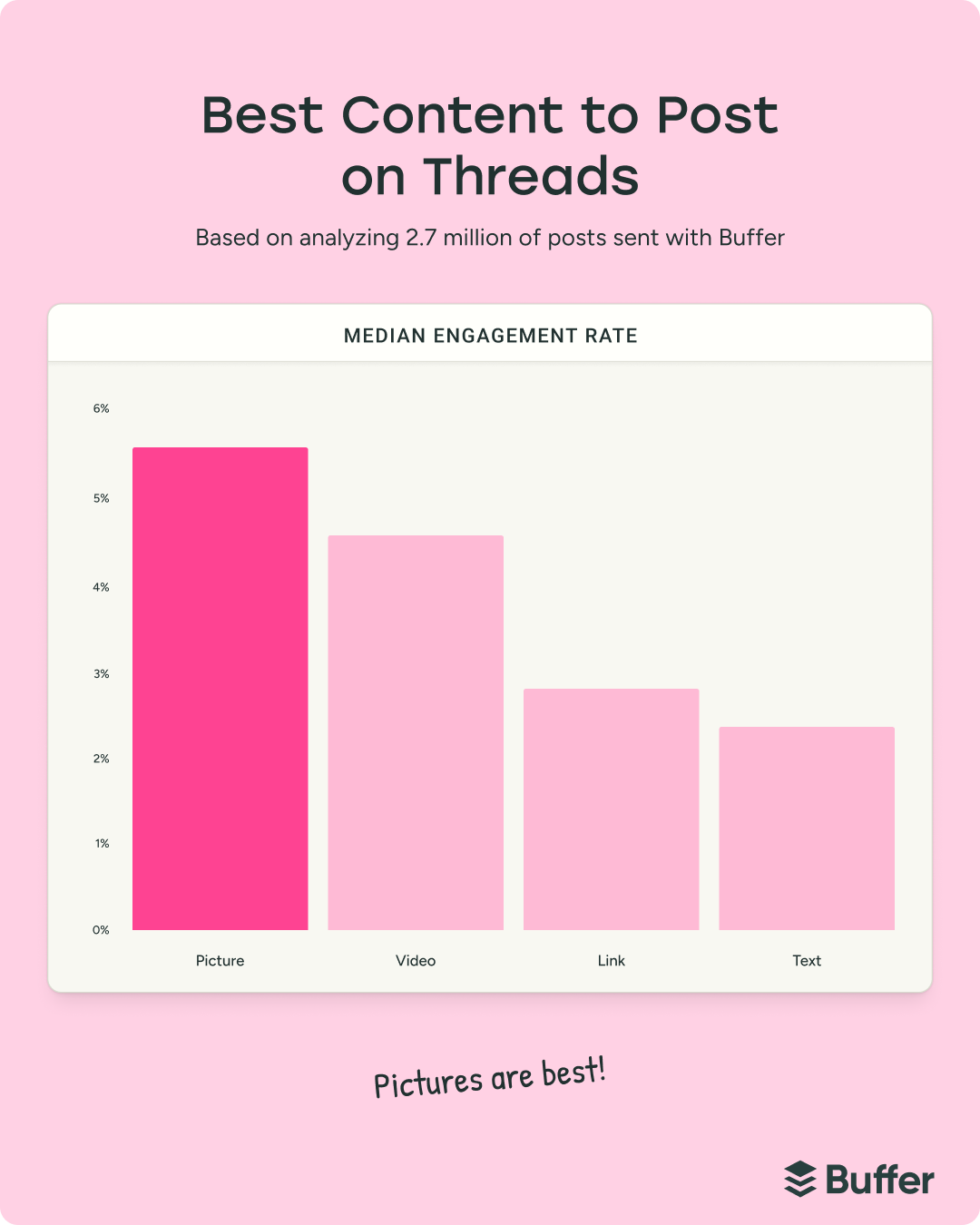
- Threads: Video secured the top spot at 5.55%, with images close behind at 4.55%.
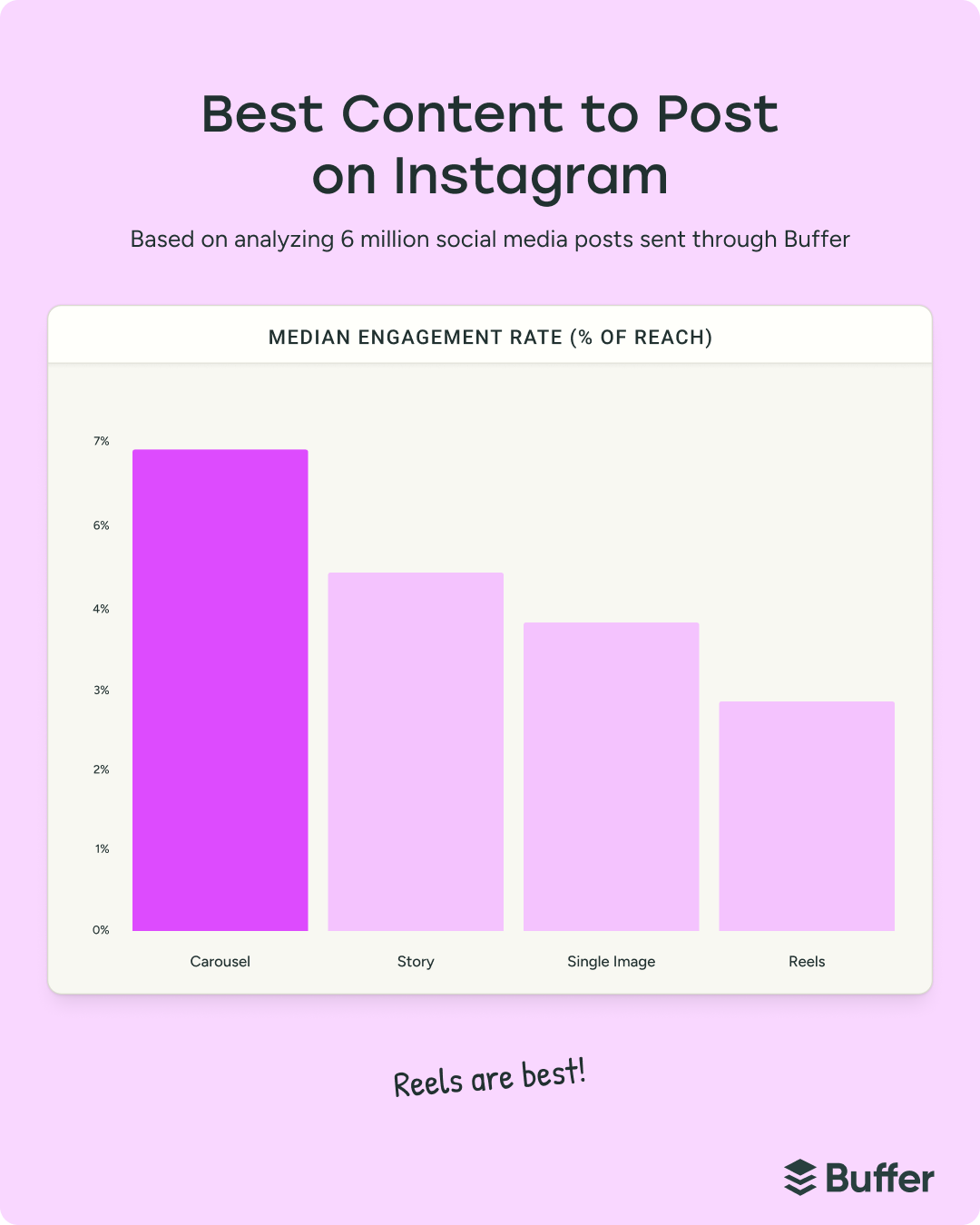
- Instagram: Carousels posted the highest engagement rate at 6.9% (as a percentage of reach), outperforming single images (4.4%). However, Reels significantly outperformed all formats for reach (2.25x more than single-image posts).
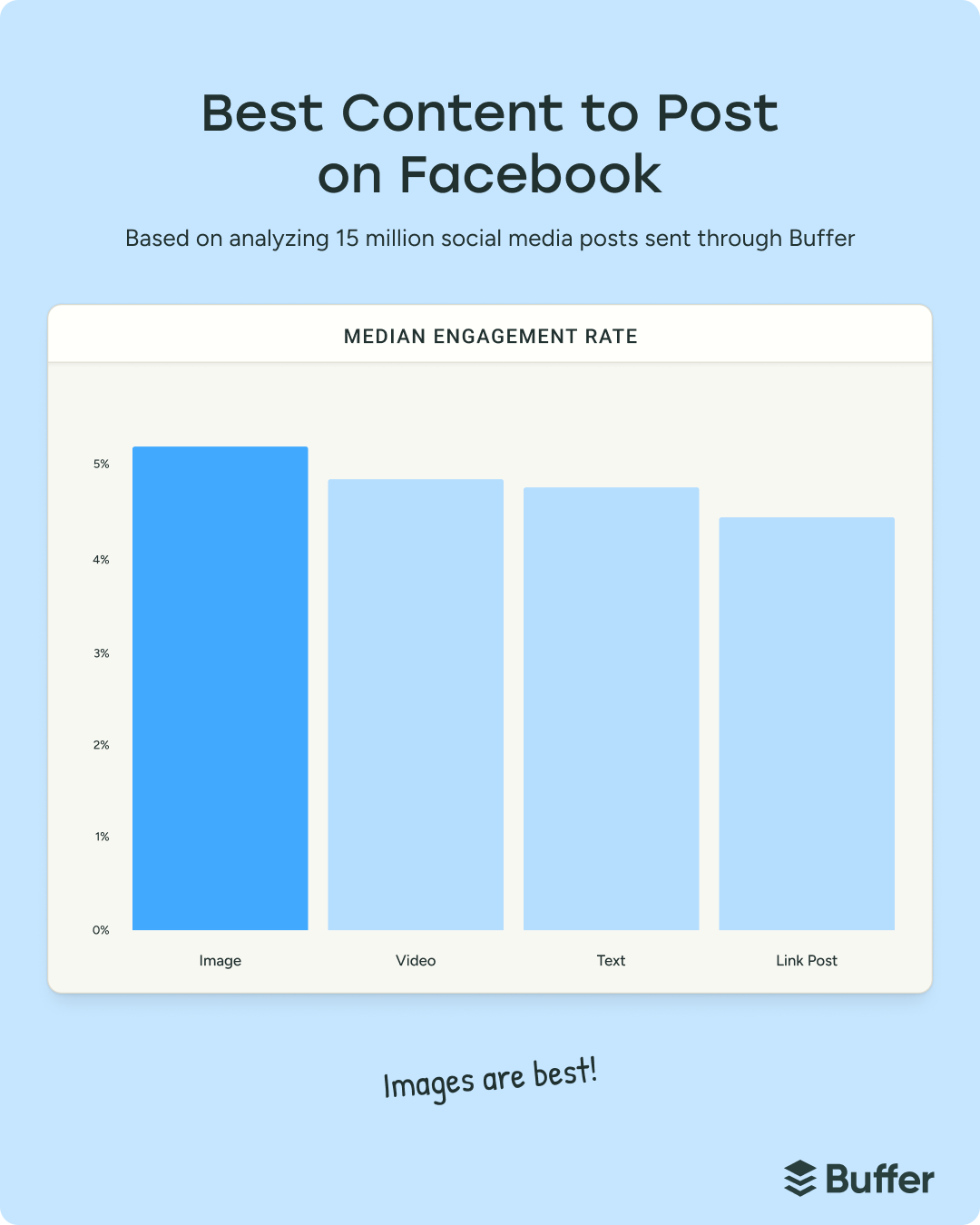
- Facebook: Images maintained a slight lead at 5.20%, closely followed by video at 4.84%.
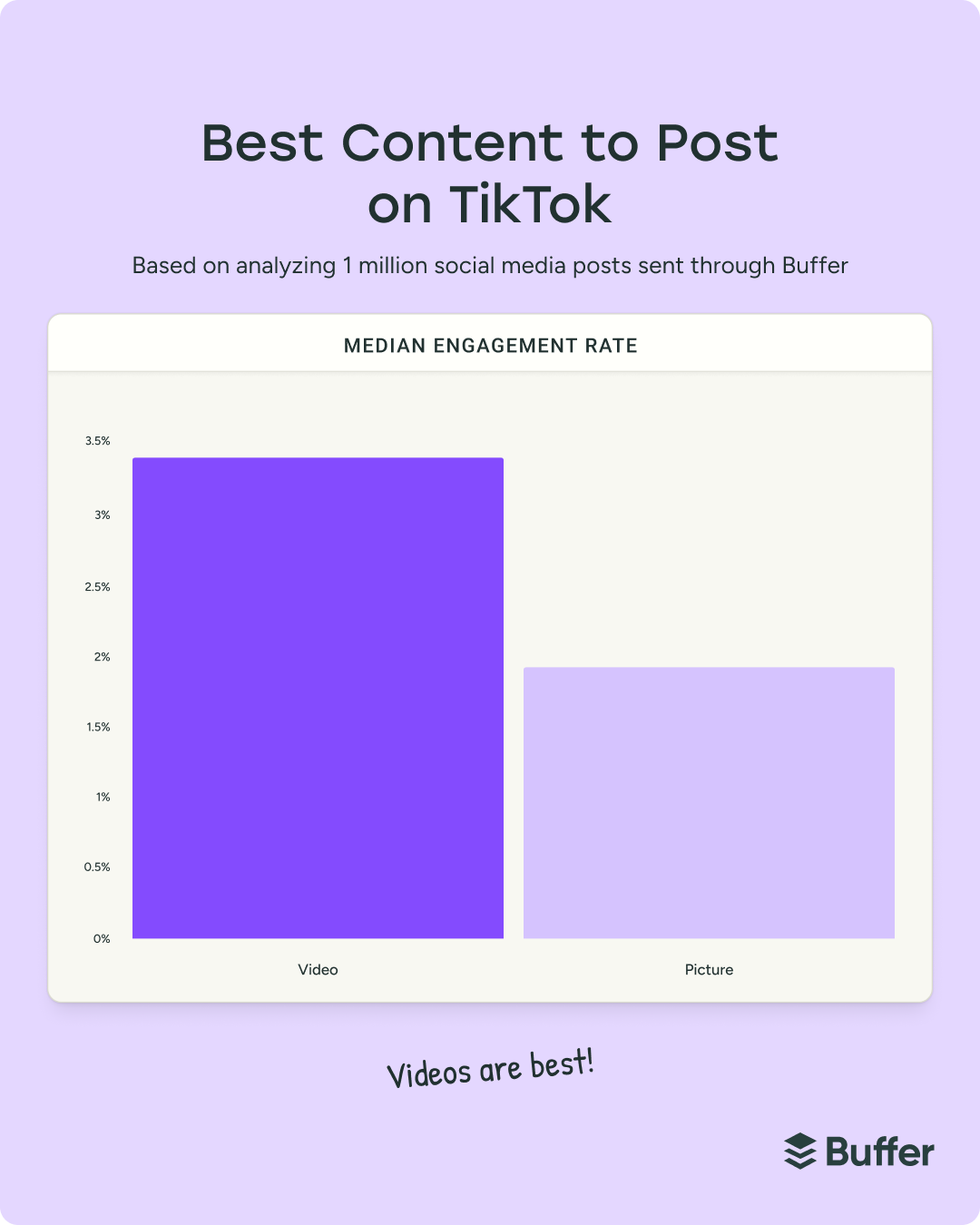
- TikTok: Video’s dominance was reaffirmed with a 3.39% median engagement rate, significantly higher than carousels/photos at 1.92%.
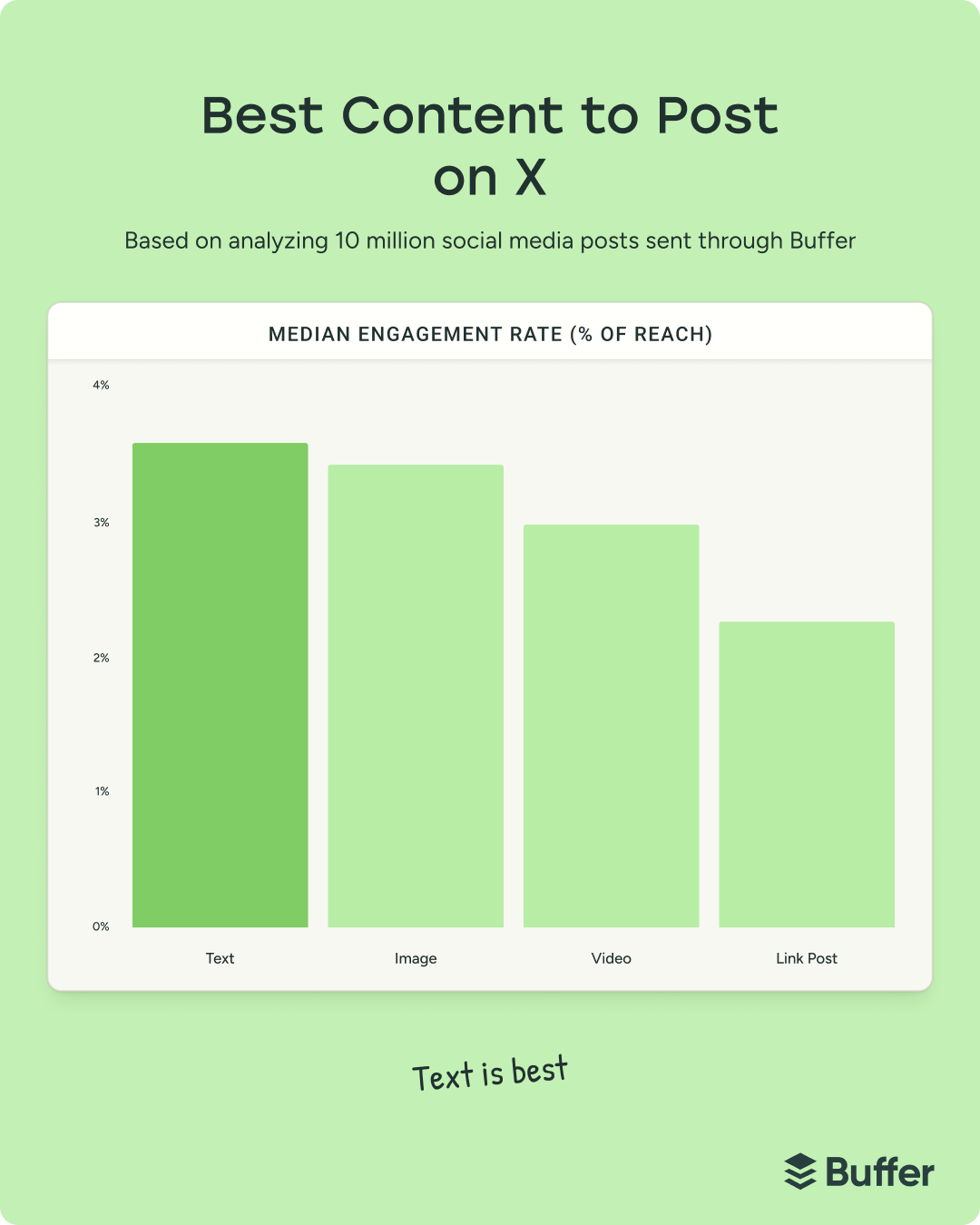
- X (formerly Twitter): Text posts continued to lead with 3.56% engagement, narrowly ahead of images at 3.40%.
- Bluesky: Early data suggests video leads with 5 median interactions, compared to images at 4 interactions.
These figures underscore the imperative for a data-driven content strategy, emphasizing that the "best" format is not universal but platform- and goal-dependent.
Platform-Specific Deep Dive: Tailoring Content for Maximum Impact
TikTok: The Uncontested Reign of Video
On TikTok, the platform explicitly built around short-form video, the data unequivocally confirms video’s supremacy. Video content achieved a median engagement rate of 3.39%, a striking 77% higher than carousels and photo posts, which registered 1.92%. This performance is largely attributed to TikTok’s core design and algorithmic preference, which prioritizes video for discovery and user experience. While the platform has introduced multi-photo carousels in recent years, they have yet to significantly challenge video’s stronghold. Industry analysts suggest that TikTok’s highly visual and dynamic interface trains users for rapid video consumption, making static or multi-image formats less compelling in the feed. For brands and creators aiming for engagement on TikTok, investing in high-quality, trend-aligned video content remains the most effective strategy.
Instagram: The Dual Mandate of Reach and Engagement
Instagram presents a particularly complex scenario, revealing a stark contrast between content types optimized for reach versus those driving deeper engagement. The report indicates that carousels deliver the highest median engagement rate at 6.9% (measured as a percentage of reach), significantly outperforming single images (4.4%). However, this finding exists alongside a separate analysis of over 4 million posts from 2022-2024, which confirmed that Instagram Reels achieve substantially greater reach—approximately 2.25 times more than single-image posts.
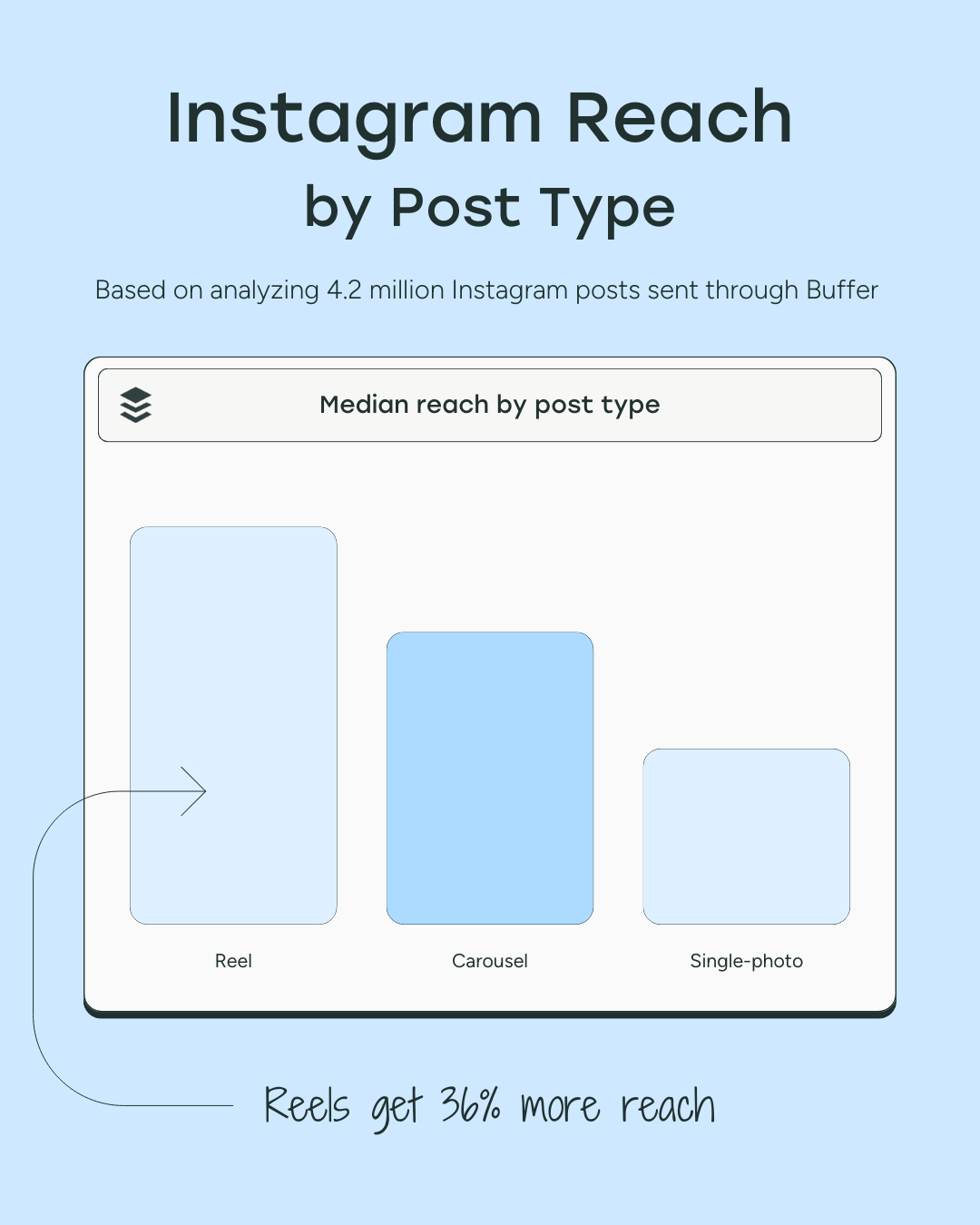
This dichotomy suggests Instagram operates almost as two distinct platforms within one: the primary feed, where carousels encourage prolonged interaction and multiple chances for reappearance due to their multi-slide nature, and the dedicated Reels discovery tab, which acts as a powerful engine for new audience acquisition. Marketing strategists note that Meta’s aggressive push for Reels, including a dedicated video editing app and prominent placement, has successfully positioned them as the go-to for discoverability. Consequently, brands must strategically deploy Reels for expanding their follower base and increasing brand visibility, while leveraging carousels to cultivate deeper connections, foster community, and encourage more profound interactions with their existing audience. The "best format" on Instagram is therefore not a singular entity but a strategic choice aligned with specific campaign objectives.
Facebook: The Enduring Power of Images and the Rise of Video
Facebook, often considered the "old faithful" of social media, shows a remarkably tight race for engagement. Images lead slightly with a 5.20% median engagement rate, closely followed by video at 4.84%, and text posts not far behind. This proximity suggests that Facebook’s diverse user base responds well to various visual formats, indicating a more balanced algorithm compared to other platforms. The most salient trend on Facebook, however, is the continued underperformance of link posts. Registering significantly lower engagement rates, links reinforce the broader industry trend towards "zero-click content," where platforms and users increasingly prefer content that keeps them within the native environment. This shift compels content creators to embed information directly into posts rather than driving traffic away, optimizing for in-app consumption.
Threads: Visuals Trump Text in the New Conversational Arena
Threads, the relatively nascent platform launched by Meta, continues to evolve its algorithmic preferences. In a notable shift from previous analyses, video has now ascended to the top spot, achieving a 5.55% median engagement rate, outperforming images (4.55%), text, and links. For a platform initially positioned as a text-heavy, conversation-centric alternative, this underscores the universal power of visuals in capturing attention. The data suggests that even in environments designed for discourse, engaging video and image content are more effective at stopping the scroll and initiating interaction. As Threads matures, monitoring its algorithmic development and user behavior will be crucial for marketers looking to grow their presence on the platform. The platform’s rapid evolution necessitates continuous analytical oversight from content strategists.
LinkedIn: Carousels Maintain a Dominant Professional Edge
On LinkedIn, the professional networking giant, carousels (specifically PDF document posts) continue their impressive reign as the engagement champion. Achieving an extraordinary median engagement rate of 21.77%, carousels significantly outpace video (7.35%) and text posts (585% higher). This remarkable performance is attributed to the format’s utility within a professional context; carousels effectively function as mini-presentations, reports, or educational guides, encouraging users to swipe through multiple slides for valuable insights. This interactive format fosters longer dwell times and deeper content consumption.
Despite this clear data, LinkedIn itself has been actively promoting video content. Callie Schweitzer, LinkedIn’s Head of Premium Content & Community Strategy, has explicitly advised creators to "Video, Video, Video, Video" for growth. This creates a strategic dilemma: while carousels deliver unparalleled engagement from existing networks, video might be the platform’s preferred vehicle for broader reach and discoverability. The optimal strategy for LinkedIn, therefore, involves a dual approach: leveraging carousels for in-depth engagement with professional connections and integrating video to expand reach and attract new followers, aligning with the platform’s strategic direction.
X (formerly Twitter): The Enduring Appeal of Text, with Visuals Gaining
X, the platform formerly known as Twitter, remains fundamentally a text-first environment. Text posts continue to secure the highest median engagement rate at 3.56%, reaffirming its microblogging roots where concise commentary, real-time reactions, and sharp opinions thrive. However, images are closing the gap, achieving a 3.40% engagement rate, indicating a growing appreciation for visual context alongside textual updates. While X’s ambition to become an "everything app" includes a stronger emphasis on video, the core user behavior still gravitates towards textual brevity. For effective engagement on X, content creators should prioritize impactful text, supplemented by compelling images or short video clips to enhance visibility and interaction where appropriate.
Pinterest: Video’s Unexpected Ascent in a Visual Catalogue
Perhaps one of the most surprising findings comes from Pinterest, a platform historically synonymous with static, inspirational images. The report reveals that video now leads in engagement, registering a 5.75% median rate compared to images at 3.15%. This shift reflects Pinterest’s strategic investments in video content, aiming to evolve beyond a purely static visual catalogue into a more dynamic and interactive discovery engine. For marketers, this data signals an imperative to experiment with video pins, particularly for product demonstrations, DIY tutorials, or aesthetic showcases, to capitalize on this emerging engagement trend. The platform’s evolution suggests a move towards more immersive and actionable content, where video can convey more information and inspiration than a static image.
Bluesky: Early Indicators Point to Video Dominance
Bluesky, the newest platform in the analysis, offers early-stage data that, while provisional, points towards video as the leading content format. Video posts recorded a median of 5 interactions, surpassing images at 4 interactions. It is crucial to contextualize this finding: Bluesky’s user base is still relatively small, and video content is significantly less common than images (253,000 video posts versus over 2 million image posts in the dataset). These factors suggest that while video shows early promise, its higher interaction rate might also be influenced by its novelty or perceived exclusivity on the platform. As Bluesky continues to mature and its content ecosystem diversifies, further analysis will be required to confirm these preliminary trends.
Broader Implications and Expert Commentary: Crafting a Cohesive Strategy
The 2026 State of Social Media Engagement report delivers a clear mandate for content strategists: a one-size-fits-all approach is obsolete. The data unequivocally demonstrates that while video is a powerful tool for reach and discoverability across nearly every platform, it does not universally guarantee the highest engagement. Carousels on LinkedIn and Instagram, images on Facebook, and text on X prove that diverse formats are crucial for deepening connections with existing audiences.
Industry experts emphasize the critical importance of understanding one’s target audience and the specific goals of each piece of content. "The ultimate success metric isn’t just a high engagement rate or massive reach in isolation, but how effectively your content contributes to your overarching business objectives," states a hypothetical senior marketing analyst. "If your goal is brand awareness, Reels are fantastic. If it’s community building and thought leadership, LinkedIn carousels are unparalleled. The key is intent."
Furthermore, the report subtly highlights the often-underestimated factor of consistency. Previous studies have shown a strong correlation between consistent posting and improved content performance, yielding up to five times more likes, comments, and shares across platforms. This suggests that even if a particular format technically offers a higher engagement rate, the format that a creator or brand can produce most reliably and authentically might ultimately deliver superior long-term results.
Conclusion: The Era of Strategic Specialization
In conclusion, the 2026 State of Social Media Engagement report serves as a vital compass for navigating the complex and ever-evolving social media landscape. It dispels the myth of video as a singular panacea for all marketing ills, instead advocating for a highly specialized, data-driven content strategy. Marketers must meticulously analyze their target audience, define clear content goals (whether reach, engagement, or conversion), and then select the most appropriate format for each platform. The era of generic content strategies is over; the future belongs to those who master the art of strategic specialization, leveraging each platform’s unique strengths and user preferences to build meaningful and impactful digital presences.