rifanmuazin
Instagram, a dominant force in digital communication and content sharing, has significantly increased transparency regarding the complex mechanisms that govern content visibility across its platform. This proactive disclosure, spearheaded by Head of Instagram Adam Mosseri through various public statements and the official @creators account, offers an invaluable roadmap for individuals and brands aiming to optimize their reach and engagement. While the sheer volume of information can appear daunting, this commitment to clarity is widely appreciated, empowering users to craft content strategically aligned with the platform’s ranking priorities.
The fundamental insight is that Instagram operates not on a singular "algorithm," but rather a sophisticated network of "AI systems" working in concert. As detailed in a 2023 blog post from Instagram, these systems comprise "a variety of algorithms, classifiers, and processes, each with its own purpose," meticulously designed to deliver highly personalized and relevant content to its vast user base. This multi-faceted approach, though seemingly intricate, is rooted in straightforward principles of user interest and interaction, ensuring that the most compelling content finds its intended audience. Recent deep dives by Mosseri have further illuminated these ranking mechanics, demystifying why some posts achieve widespread visibility while others languish. This article will dissect these algorithms, offering actionable strategies to enhance content reach and foster meaningful engagement on Instagram.
The Paradigm Shift: From Social Graph to Interest Graph
A pivotal evolution on Instagram is its transformation into a "recommendation-first" platform. Historically, user feeds were predominantly curated by a "social graph," prioritizing content from accounts users explicitly followed or frequently interacted with. This model fostered a sense of community among existing connections. However, the contemporary Instagram experience is increasingly driven by an "interest graph," where content recommendations are based on a user’s demonstrated behaviors—what they watch, engage with, and dedicate time to, irrespective of their follow list.
This strategic pivot is largely a response to the dynamic competitive landscape of social media, particularly the rise of platforms like TikTok, which excel at algorithmic discovery. By shifting towards an interest-based model, Instagram aims to enhance user discovery of novel content and creators, thereby increasing overall time spent on the app. This is particularly evident in Reels, Explore, and even the main feed, where a significant portion of content now originates from unfollowed accounts. The implication for creators is profound: content must now compete not merely on existing relationships but on inherent interest, demanding clearer thematic focus, niche definition, and strong engagement signals.
Understanding Instagram’s Multi-Faceted Algorithmic Systems
The notion that a single algorithm dictates content performance across Instagram is a common misconception. The platform is compartmentalized, with distinct algorithms governing different sections of the app: the Main Feed, Stories, Reels, and the Explore page. This design philosophy stems from varying user intentions for each section. As Mosseri explains, "People tend to look for their closest friends in stories, use explore to discover new content and creators, and be entertained in reels." Recognizing these distinct user behaviors is crucial for tailoring content effectively.
1. The Instagram Main Feed Algorithm
Often considered the default experience, the main feed presents a mix of photos, videos, carousels from followed accounts, and increasingly, recommended content from unfollowed profiles, interspersed with sponsored posts. Instagram employs thousands of "signals" to personalize this feed, prioritizing content deemed most relevant to a user’s interests and past interactions.
Key Ranking Signals (by importance):
- Activity: A user’s past engagement (likes, comments, shares, saves) with similar content and creators.
- Information about the Post: Details like content type, popularity, time of posting, and associated accounts.
- Information about the Creator: The creator’s engagement history with other users.
- User Interaction History: How often a user has interacted with the specific creator in the past.
Based on these signals, Instagram makes "educated guesses" about a user’s likelihood to interact with a post. The five most critical interactions monitored are: spending a few seconds on a post, commenting, liking, sharing, and tapping on the profile photo. The higher the predicted likelihood of these actions, the higher the post’s placement in the feed.
Strategies to Enhance Main Feed Reach:
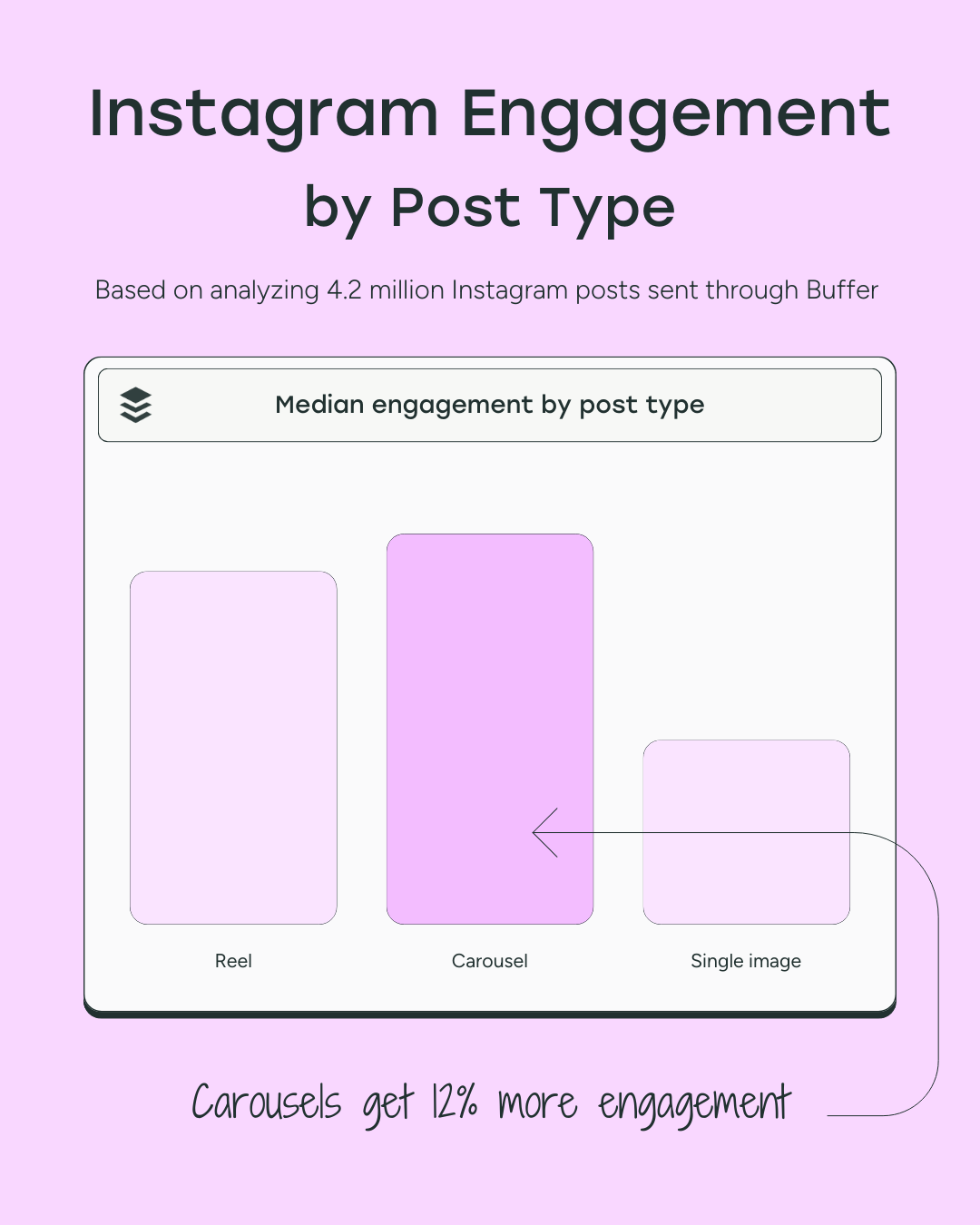
- Leverage Carousels for Deeper Engagement: Carousels, which allow up to 20 photos or videos in a single post, have shown superior engagement rates. A Buffer analysis of over 4 million Instagram posts revealed carousels outperform single images and videos in terms of engagement. Their unique mechanism allows Instagram to re-present unseen slides to users who didn’t complete the carousel, offering multiple opportunities for interaction.
- Integrate Audio into Posts: Beyond videos, adding soundtracks to single photos and carousels can significantly boost engagement. Mosseri notes that audio captures the attention of users browsing with sound enabled. Furthermore, posts with audio can gain discoverability within the Reels feed, expanding their potential audience.
- Adhere to Recommended Post Dimensions: Utilizing Instagram’s ideal image sizes ensures content is displayed without awkward cropping or pixelation. Polished visuals are more likely to command attention and encourage engagement, directly influencing algorithmic favorability.
- Content Moderation Awareness: Instagram downranks content that merely seems likely to violate Community Guidelines, even before formal confirmation. Creators must be mindful of these subtle boundaries to avoid unintentional suppression of their content.
2. The Instagram Stories Algorithm
Stories, ephemeral photos and videos disappearing after 24 hours, serve a distinct purpose: fostering intimate connections with existing followers. While not primarily a discovery tool, Stories appear prominently at the top of the feed, offering a valuable touchpoint for consistent engagement. Instagram recognizes Stories as a space for close friends, making it a challenging arena for brands to achieve broad organic reach.
Key Ranking Signals:
- Viewing History: How often a user views stories from a particular account.
- Interaction History: Past interactions with a creator’s stories (e.g., replies, sticker taps).
- Closeness to Author: The perceived strength of the relationship between the user and the creator, based on direct interactions across the platform.
These signals inform Instagram’s predictions about which stories a user will find most relevant, influencing their placement within the stories tray. Mosseri has affirmed that Stories are less about reaching new audiences and more about deepening existing relationships.
Strategies to Maximize Story Engagement:
- Prioritize Interactive Stickers: Polls, questions, quizzes, and "add yours" stickers are powerful tools for eliciting direct engagement. These interactions not only signal interest to the algorithm but also provide valuable audience insights, allowing creators to tailor future content more effectively.
- Vary Story Content Beyond Feed Shares: Simply resharing feed posts to Stories offers limited value. Creators should integrate unique, easy-to-produce content such as behind-the-scenes glimpses, text-based information, or quick updates that complement their main feed content, providing fresh reasons for followers to tap through.
- Reshare User-Generated Content (UGC): Amplifying content where followers tag your brand or celebrate your products/services builds community, acts as social proof for potential customers, and encourages further UGC. This authentic interaction strengthens connections and signals active community engagement to the algorithm.
3. The Instagram Reels Algorithm
The Reels feed, accessed via the video icon, is Instagram’s primary engine for discovering new creators and entertaining users. This section is entirely recommendation-driven, making it crucial for audience growth.
Key Ranking Signals:
- User Activity: Which Reels a user has liked, commented on, saved, or shared.
- Interaction History: How a user has engaged with the creator’s Reels in the past.
- Information about the Reel: Audio track, visual content, popularity, and thematic relevance.
- Information about the Creator: The creator’s engagement history and overall content quality.
A critical ranking factor for Reels is its "share-ability." Mosseri has emphasized that short-form video’s strength lies in connecting people with their friends. Content that prompts users to share it via direct message or other channels significantly boosts its algorithmic performance, reflecting Instagram’s foundational goal of fostering social connections.
New User Controls for Reels: Instagram is actively testing features that allow users to explicitly select topics of interest or indicate content they wish to see less of. This development underscores the importance of clear content topicality, niches, and keywords for creators, enabling Instagram to more accurately match content with interested audiences.
Strategies to Optimize Reels Reach:
- Capitalize on Momentum: If a Reel goes viral, a timely follow-up (within a day or two) can leverage existing audience interest and signal continued relevance to the algorithm, boosting subsequent posts.
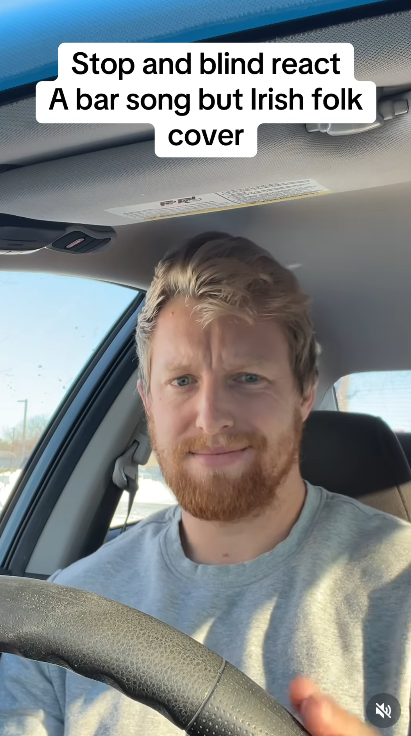
- Design for Diverse Viewing Habits: Approximately half of Instagram videos are watched without sound. Reels require strong visual hooks and clear text overlays in the opening frames to immediately convey their message, ensuring engagement from both sound-on and sound-off viewers.
- Avoid Third-Party Watermarks: Instagram explicitly penalizes Reels featuring logos or watermarks from other video editing apps (e.g., TikTok). To maximize reach, creators should upload clean versions of their videos, free from such branding, especially when cross-posting across platforms.
- Optimal Length: While Reels can be up to three minutes, shorter videos (ideally 30-90 seconds) generally perform better in terms of engagement and completion rates, which are critical signals for the algorithm.
4. The Instagram Explore Page Algorithm
The Explore page, accessed via the magnifying glass icon, is a dedicated discovery hub. Its primary function is to introduce users to new accounts and content based on their past activity—likes, saves, shares, and comments. This makes it a high-potential area for creators and brands seeking to expand their audience.
Key Ranking Signals:
- Post Information: Details about the post’s content, its popularity among similar users, and its overall engagement.
- User Activity: A user’s past interactions on Instagram, particularly with content similar to the one being considered for Explore.
- Interaction History: How a user has previously engaged with the specific creator’s content.
- Creator Information: The creator’s history of engagement and content performance.
Instagram’s example clarifies this mechanism: if a user frequently likes posts from a San Francisco dumpling chef, the algorithm identifies other accounts favored by that chef’s audience (e.g., a popular SF dim sum spot) and recommends their content on the Explore page. This "lookalike audience" approach is central to its functionality.
Strategies to Increase Explore Page Visibility:
- Integrate Trending Audio: Utilizing popular audio tracks in Reels, photo posts, and carousels significantly increases the likelihood of content being surfaced to new audiences. Trending audio acts as a powerful signal for the algorithm, indicating topical relevance.
- Adhere to Optimal Reel Lengths: For Explore, Reels between 30 and 90 seconds are ideal. This length provides enough time to convey a message or entertain while retaining viewer attention, a crucial factor for discovery.
- Monitor and Replicate Shareable Content: Shares, particularly direct messages from non-followers, are a potent signal of quality for the Explore algorithm. Creators should regularly review their post insights to identify content that resonates strongly enough to be shared, then strategically create more of it.
- Leverage Instagram SEO: The Explore page also houses Instagram’s search function. Incorporating relevant keywords into post captions, alt-text, and profile bios is vital for discoverability through direct searches, complementing algorithmic recommendations.
Recommendation Guidelines: Content Boundaries and Safety
Instagram’s commitment to user safety and experience extends beyond removing content that violates Community Guidelines. The platform also "downranks" content that, while not explicitly illegal or prohibited, falls outside its "recommendation guidelines." Such content will not appear on the Explore page or Reels tab, significantly limiting its organic reach.
Categories of Content Not Recommended:
- Sensitive Topics: Content depicting self-harm, suicide, eating disorders, or graphic violence.
- Adult Content: Sexually explicit or suggestive imagery and themes.
- Regulated Goods: Promotion or depiction of tobacco, vaping products, pharmaceuticals, or other restricted items.
- Integrity Violations: Content flagged as misinformation, false claims, or unverified health advice.
This policy emphasizes the importance of understanding not just what is allowed but what is promoted on Instagram, guiding creators toward content that aligns with the platform’s vision for a positive and safe user environment.
Strategic Imperatives for Creators in an Algorithmic Era
Despite the dynamic nature of Instagram’s algorithms, several evergreen best practices form the bedrock of a successful content strategy, all centered on delivering engaging and relevant content.
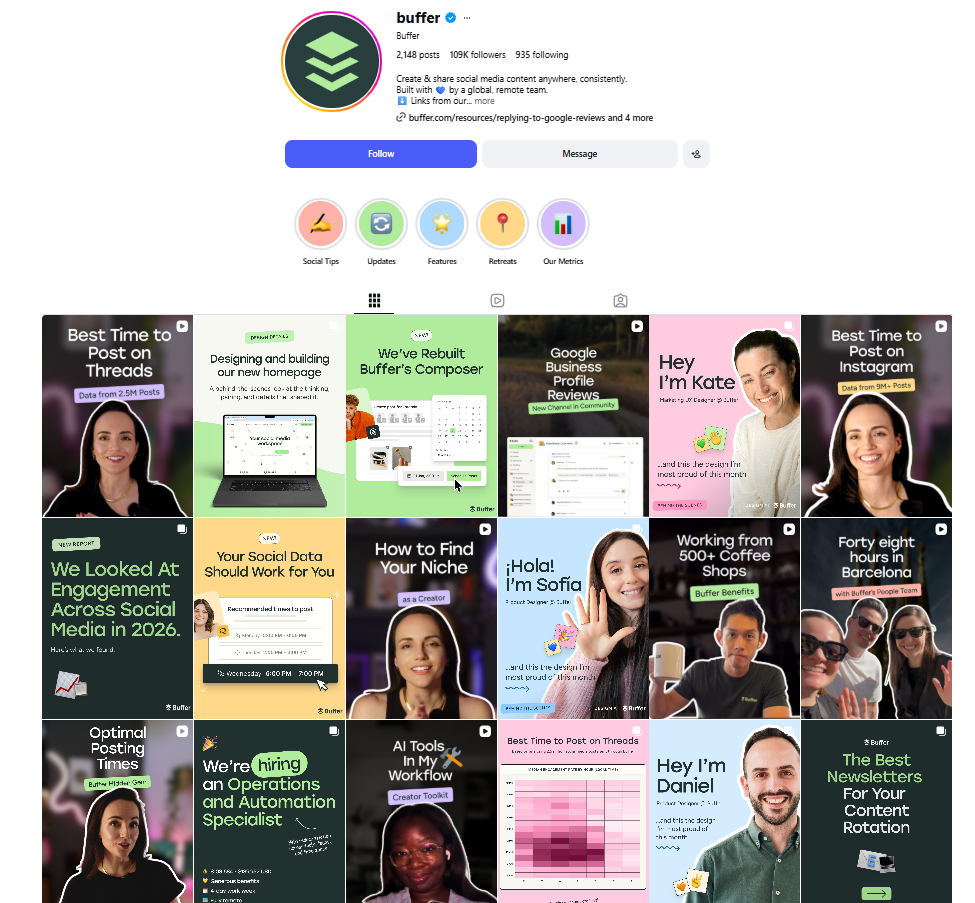
1. Maintain Consistency: Regular posting signals to Instagram that a creator is active and producing fresh content. Buffer’s analysis of over 100,000 social media users demonstrated that consistent posters achieve nearly five times more engagement per post. This sustained activity is rewarded by the algorithms, increasing content visibility. Establishing a realistic, long-term posting schedule is key to harnessing this benefit without risking burnout.
2. Prioritize Original Content: Instagram actively rewards unique, authentic content. Posts that originate from the creator—whether personal snapshots, original tutorials, or distinctive creative works—are favored over aggregated or repurposed content from other accounts. This encourages genuine creativity and prevents the platform from becoming a repository of duplicated material.
3. Embrace New Features: Instagram strategically highlights its newest features to drive adoption. While this doesn’t automatically mean new content types are algorithmically favored, their prominent placement (e.g., Stories at the top, Reels icon centrally) offers creators an immediate advantage in visibility. Experimenting with these features early can provide a competitive edge.
4. Diversify Content Formats: Employing a variety of post types—single images, carousels, Reels, Stories, and Live videos—is crucial for navigating Instagram’s multi-algorithm environment and reaching diverse audience segments. Content repurposing, such as transforming a Reel into a carousel or sharing feed posts to Stories with added context, maximizes the utility of each piece of content.
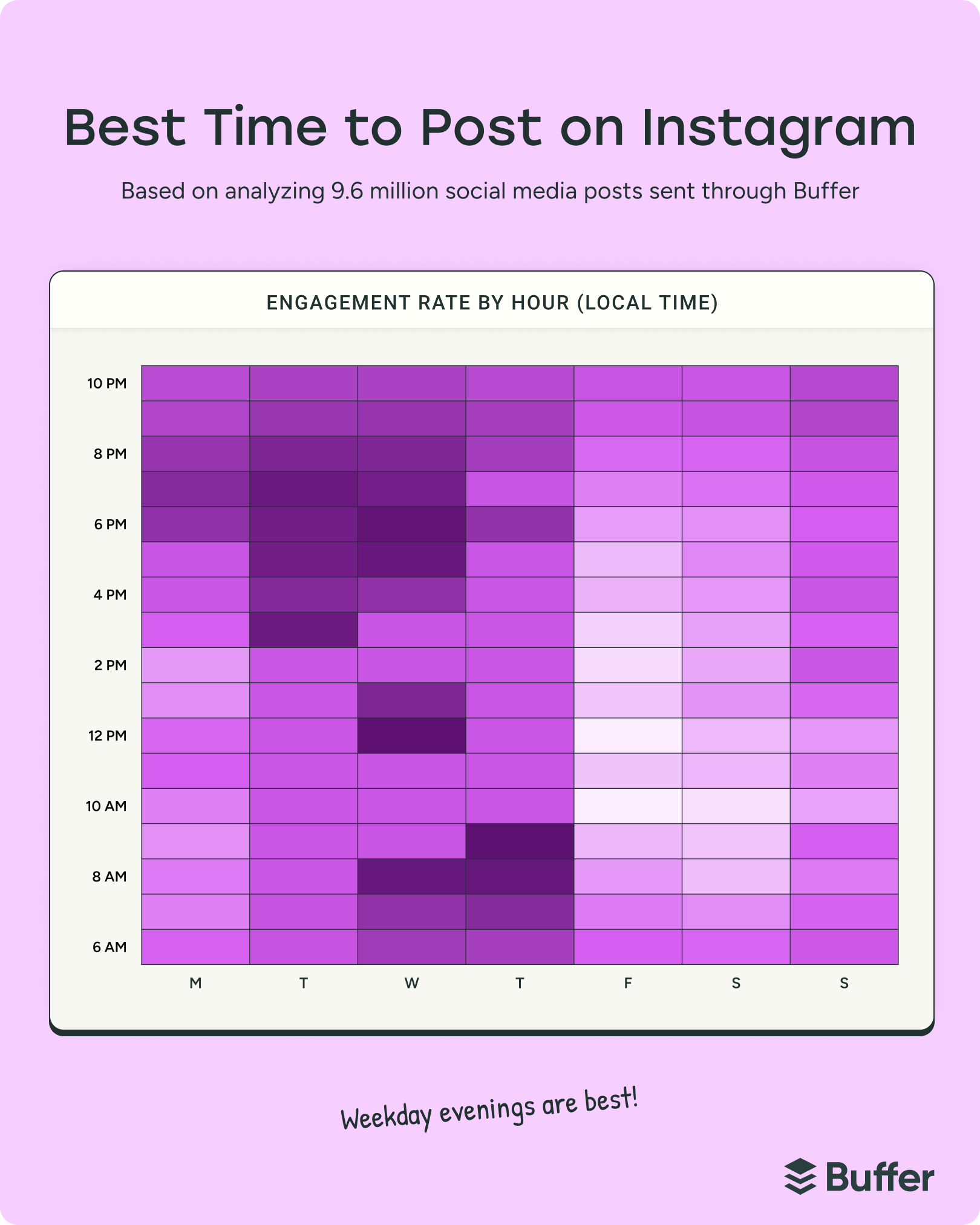
5. Optimize Posting Times: While general "best times" exist (e.g., Buffer’s data suggests Thursday at 9 a.m. or Wednesday at 12 p.m. and 6 p.m. based on engagement), personalized data from Instagram Insights is more valuable. Analyzing follower activity patterns allows creators to schedule posts when their specific audience is most active, significantly boosting initial engagement.
6. Evolve Keyword and Hashtag Strategy: The role of hashtags has evolved. Instagram has de-emphasized their impact on broad reach and removed the ability to follow them (as of December 2024). Instead, focus on incorporating relevant keywords into captions and profiles to enhance discoverability via Instagram’s search function. Hashtags still serve a purpose for niche searches but should be used sparingly (3-5 relevant tags per post) rather than in large, generic blocks.
7. Foster Authentic Engagement: Direct interaction with the audience is paramount. Actively replying to comments and direct messages, utilizing interactive Story stickers, and generally fostering a conversational environment signals strong community building to the algorithms. Tools like Buffer’s engagement features can help manage and respond to comments efficiently.
8. Leverage Analytics for Data-Driven Decisions: Regular analysis of Instagram Insights and third-party analytics tools is indispensable. Identifying top-performing posts by engagement rate, comments, or saves allows creators to pinpoint what resonates most with their audience. This data-driven approach enables the refinement of content strategy, leading to more algorithmically favored content.
The Overarching Philosophy: User Experience and Authenticity
Ultimately, Instagram’s algorithms are designed to enhance the user experience by delivering highly personalized and engaging content. For creators, this means that focusing on authentic connection and producing compelling, high-quality content is the most sustainable and effective strategy. As the Instagram Creators account emphasizes, "Authenticity and transparency are key to building sustainable engagement." Attempting to "game the system" with short-term tactics rarely yields lasting success. By prioritizing audience engagement and creating value, creators naturally align with the algorithms’ core objectives, ensuring their content consistently reaches a receptive audience.
Addressing Common Creator Queries
Do Instagram algorithms prefer videos?
No, Instagram does not inherently favor any specific content format. The algorithms prioritize content based on individual user engagement patterns. If a user frequently watches and shares videos, they will see more videos. Conversely, if they primarily interact with photos, they will see more photos. While videos (especially Reels) often achieve broader reach, this is typically due to their propensity to generate higher engagement (watches, shares) rather than an intrinsic algorithmic bias toward the format itself. Buffer’s analysis found videos to be top, followed by carousels, then images, but this reflects user behavior, not platform preference.
Does posting too frequently impact ranking?
Yes, it can. Instagram’s algorithms aim to provide a balanced and diverse feed. "Dumping" multiple posts in quick succession can lead to some content being hidden to prevent overwhelming users. It is advisable to space out posts, allowing each piece of content sufficient time to garner individual likes, comments, and shares. Instagram recommends spreading out publications rather than posting several back-to-back.
Are business, creator, and personal accounts ranked differently?
No, a content’s reach is determined by its engagement and relevance, not the type of account it originates from. TechCrunch reported that "Instagram doesn’t give extra feed presence to personal accounts or business accounts, so switching won’t help your reach."
Will posting Instagram Stories or Live videos affect ranking in the main feed?
Directly, no. Creating Stories or broadcasting live does not inherently alter how your content ranks within the main feed. However, consistently utilizing a wide variety of content formats—including Stories and Live—increases your overall presence across the app, offering more touchpoints for engagement and potentially improving your creator history, which indirectly benefits all your content.
What is the 5-3-1 rule on Instagram?
The 5-3-1 rule is a strategic engagement guideline: for every post you share, you actively interact with other users by liking 5 posts, commenting on 3 posts, and following 1 new account. This routine encourages genuine community interaction and helps increase your visibility to new audiences.
What is the 3-second rule on Instagram?
The 3-second rule pertains specifically to Reels and refers to the critical opening moments of a video. These first three seconds are crucial for "hooking" a viewer and determining whether they continue watching or scroll away. A strong visual, a captivating headline, or an intriguing statement within this initial timeframe is essential for capturing attention and maximizing watch time.