Susilo Wagino Mulyo
The emergence of Glucagon-like peptide-1 receptor agonists (GLP-1s), such as Ozempic, Wegovy, and Zepbound, has introduced a new paradigm in the management of chronic conditions, particularly type 2 diabetes and obesity. Their profound efficacy in promoting significant weight loss has naturally led to exploration of their benefits in weight-related comorbidities, most notably obstructive sleep apnea (OSA). While these medications offer a promising avenue for improving sleep apnea symptoms, especially those exacerbated by weight gain, the landscape of insurance coverage remains complex and often presents a substantial financial barrier for patients. This article delves into the specifics of GLP-1s, their role in sleep apnea, the intricate details of FDA approvals, and the challenging journey of securing insurance coverage.
Understanding the Interplay: GLP-1s, Obesity, and Obstructive Sleep Apnea
Obstructive sleep apnea (OSA) is a chronic and progressive sleep disorder characterized by recurrent episodes of upper airway collapse during sleep, leading to partial (hypopnea) or complete (apnea) cessation of breathing. These interruptions cause fragmented sleep, nocturnal hypoxemia, and increased sympathetic nervous system activity, contributing to a range of adverse health outcomes including cardiovascular disease, hypertension, stroke, type 2 diabetes, and impaired cognitive function. The global prevalence of OSA is significant and on the rise, mirroring the escalating rates of obesity worldwide.
A strong and well-documented correlation exists between obesity and OSA. Excess adipose tissue around the neck and pharynx can mechanically obstruct the airway, making it more prone to collapse during sleep. Studies indicate that approximately 31% of individuals with OSA are classified as obese, while 44% are overweight. This physiological link underscores why weight management is a cornerstone of OSA treatment. Research has consistently demonstrated that even modest weight loss can significantly improve OSA severity. For instance, a review of multiple studies found that a 20% reduction in Body Mass Index (BMI) could lead to an impressive 57% decrease in sleep apnea symptoms, as measured by the apnea-hypopnea index (AHI).
GLP-1 receptor agonists mimic the action of natural incretin hormones, primarily by enhancing glucose-dependent insulin secretion, suppressing glucagon secretion, slowing gastric emptying, and promoting satiety. While initially developed for type 2 diabetes, their potent effects on appetite regulation and subsequent weight loss have garnered widespread attention. Drugs like semaglutide (Ozempic, Wegovy) and tirzepatide (Mounjaro, Zepbound) have shown remarkable efficacy in clinical trials, leading to average weight reductions of 15-20% or more, depending on the specific medication and dosage.
Given the clear relationship between weight loss and improved sleep apnea outcomes, experts began investigating whether GLP-1s could directly impact OSA symptoms by facilitating weight reduction. The hypothesis was straightforward: if GLP-1s could help patients lose substantial weight, the mechanical burden on the airway would decrease, thereby alleviating OSA.
The Regulatory Landscape: FDA Approvals and "Off-Label" Prescribing

The journey of GLP-1 medications through the U.S. Food and Drug Administration (FDA) approval process is critical to understanding insurance coverage decisions. Each GLP-1 drug is approved for specific indications, and these approvals directly influence whether an insurer will cover the cost for a particular condition.
- Ozempic (semaglutide): Approved by the FDA in 2017 for the treatment of type 2 diabetes. Its primary function is to improve glycemic control. While weight loss is a common and significant side effect, Ozempic is not FDA-approved for weight loss or for the treatment of sleep apnea.
- Wegovy (semaglutide): A higher-dose formulation of semaglutide, Wegovy received FDA approval in 2021 specifically for chronic weight management in adults with obesity (BMI ≥30 kg/m²) or overweight (BMI ≥27 kg/m²) with at least one weight-related comorbidity.
- Saxenda (liraglutide): Approved in 2014 for chronic weight management in adults with obesity or overweight with at least one weight-related comorbidity.
- Zepbound (tirzepatide): Tirzepatide, also known as Mounjaro when prescribed for type 2 diabetes, was approved under the brand name Zepbound in 2023 for chronic weight management. A landmark development occurred in March 2024 when the FDA approved Zepbound specifically for the treatment of moderate to severe obstructive sleep apnea in adults with obesity. This approval was based on robust data from the SURMOUNT-OSA clinical trials, which demonstrated significant reductions in AHI and improvements in sleep apnea severity following tirzepatide treatment, directly linking its weight-loss effects to OSA resolution.
The distinction in FDA approvals is paramount for insurance purposes. When a healthcare provider prescribes a medication for a condition not explicitly listed in its FDA-approved indications, it is considered "off-label" use. While off-label prescribing is a common and legitimate practice in medicine, insurance companies typically do not cover drugs used off-label. This is the primary reason why insurance generally will not cover Ozempic for sleep apnea: it lacks FDA approval for that specific condition. However, if a patient has type 2 diabetes, for which Ozempic is approved, their insurance may cover it, with the added benefit of weight loss and potential improvement in sleep apnea symptoms.
The Clinical Evidence: GLP-1s and OSA Outcomes
The recent FDA approval of Zepbound for OSA underscores the growing body of evidence supporting the use of GLP-1s in this context. The SURMOUNT-OSA trials, pivotal for Zepbound’s approval, involved adults with moderate-to-severe OSA and obesity who either used or were unable to use CPAP therapy. The results were compelling: participants receiving tirzepatide experienced a significantly greater reduction in AHI compared to those on placebo, indicating a substantial improvement in sleep apnea severity. These improvements were directly correlated with the significant weight loss achieved by patients on tirzepatide. Beyond AHI reduction, studies have also noted improvements in secondary outcomes such as daytime sleepiness, blood pressure, and other obesity-related comorbidities, which frequently co-occur with sleep apnea.
While tirzepatide has shown strong results, other GLP-1s have also been investigated. A study review comparing different GLP-1s found that tirzepatide appeared to offer greater improvements in OSA symptoms than liraglutide (Saxenda), suggesting potential differences in efficacy among these medications. This highlights the ongoing research and the potential for a new class of pharmacological agents to complement or even transform existing OSA treatment paradigms.
Navigating the Insurance Coverage Maze
The journey to obtaining insurance coverage for GLP-1s, particularly for sleep apnea, can be arduous. With Zepbound’s recent approval for OSA, the landscape is evolving, but significant hurdles remain.
1. Formularies and Tiers: Every insurance plan has a formulary—a list of prescription drugs covered by the plan. These drugs are often categorized into tiers, which dictate the patient’s out-of-pocket cost (copay or coinsurance). Medications like GLP-1s, especially newer ones, are frequently placed in higher tiers, meaning higher costs for the patient.
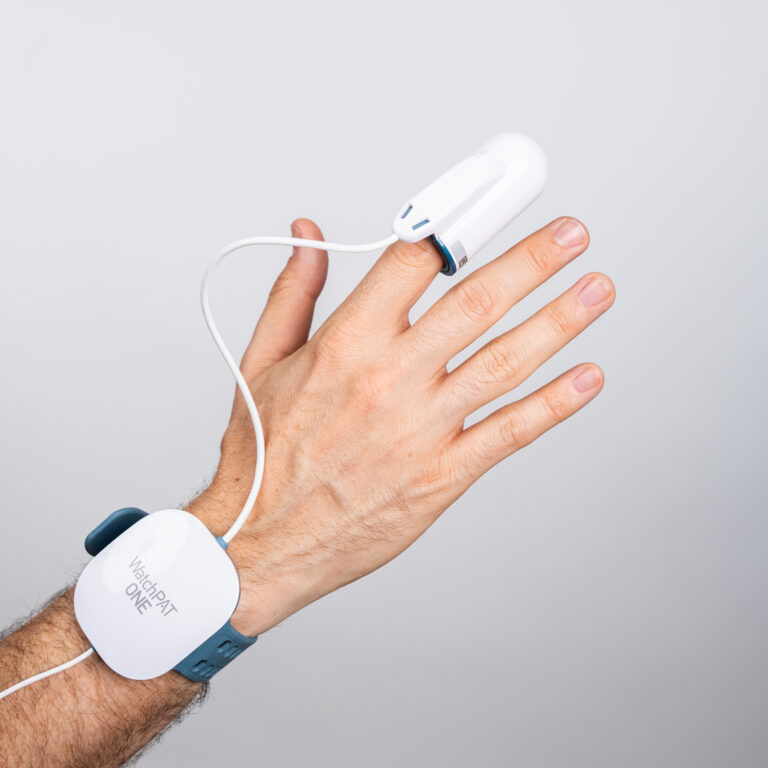
2. Prior Authorization (PA): For high-cost or specialized medications, insurers almost always require prior authorization. This means the healthcare provider must submit documentation to the insurance company demonstrating the medical necessity of the drug for the patient. For Zepbound for OSA, prior authorization requirements typically include:
- BMI Threshold: The patient must meet specific BMI criteria for obesity.
- Diagnosis of Moderate to Severe OSA: Confirmation of the sleep apnea diagnosis, often through a polysomnography (sleep study).
- Documentation of CPAP Intolerance or Failure: Many plans will require patients to have attempted and failed or been intolerant to Continuous Positive Airway Pressure (CPAP) therapy, which is the gold standard treatment for OSA, before approving a GLP-1.
- Proof of Structured Weight Loss Attempts: Some insurers may require documentation of previous attempts at supervised diet and exercise programs.
- Absence of Contraindications: Ensuring the patient has no medical conditions that would make the GLP-1 unsafe.
3. Medical Necessity: This is the cornerstone of any insurance approval. For Ozempic, coverage for sleep apnea is generally denied unless the patient has type 2 diabetes, for which Ozempic is FDA-approved. In such cases, the weight loss and subsequent sleep apnea improvement are considered beneficial side effects. For Zepbound, its FDA approval for OSA strengthens the case for medical necessity, but providers must still meticulously document the patient’s condition and meet all prior authorization criteria.
4. Medicare and Medicaid: Medicare Part D plans generally cover prescription drugs. While Ozempic is covered for type 2 diabetes, its coverage for weight loss or OSA is typically denied unless it is for an FDA-approved indication. However, with Zepbound’s approval for OSA, Medicare Part D plans are beginning to add it to their formularies. Patients under Medicare Part D can expect to pay around $50 per month for Zepbound, though this can vary based on their specific plan and whether they qualify for low-income subsidies. Medicaid programs also have formularies, and coverage for GLP-1s varies by state, often with strict criteria similar to private insurers.
5. The Appeals Process: If an initial request for coverage is denied, patients and their providers have the right to appeal.
- Internal Appeal: The provider can submit an internal appeal to the insurance company, providing additional documentation and a letter of medical necessity explaining why the GLP-1 is essential for the patient’s health. This often requires a detailed explanation of the patient’s medical history, prior treatment failures (e.g., CPAP intolerance), and the potential benefits of the GLP-1. Most plans allow six months to file an internal appeal.
- External Review: If the internal appeal is denied, patients can request an external review by an independent third party. This external reviewer assesses the medical necessity of the treatment based on all submitted documentation and makes a binding decision.
Financial Realities and Alternatives
Without insurance coverage, the out-of-pocket costs for GLP-1s are substantial. Ozempic can cost approximately $499 per month. Wegovy and Zepbound also carry high price tags, often exceeding $1,000 per month without discounts. Some pharmaceutical manufacturers offer savings programs or discount cards that can reduce the monthly cost for eligible patients, but even with these, the financial burden can be significant.
For patients unable to secure insurance coverage or afford GLP-1s, several effective alternatives and adjunctive therapies for sleep apnea and weight management exist:
1. Lifestyle Interventions:

- Dietary Changes: Creating a calorie deficit by consuming fewer calories than expended is fundamental for weight loss. Emphasizing nutrient-dense foods, portion control, and reducing intake of processed foods, sugary beverages, and excessive alcohol can be highly effective. Consulting a registered dietitian or nutritionist can provide personalized guidance.
- Exercise: The U.S. Department of Health and Human Services recommends 150 to 300 minutes of moderate-intensity exercise or 75 to 150 minutes of vigorous exercise weekly, along with muscle-strengthening activities at least two days per week. Increased muscle mass can boost metabolic rate, aiding in weight loss. Lifestyle changes are crucial for all patients, including those on GLP-1s, as they enhance the overall health benefits and sustainability of weight management.
2. Traditional Sleep Apnea Treatments:
- Continuous Positive Airway Pressure (CPAP): This remains the gold standard for moderate to severe OSA. CPAP machines deliver a continuous stream of air through a mask, keeping the airway open during sleep.
- Oral Appliances: Custom-fitted dental devices can reposition the jaw and tongue to keep the airway open for mild to moderate OSA.
- Positional Therapy: For patients whose OSA is worse when sleeping on their back, devices or techniques can encourage side sleeping.
- Surgical Interventions: Options range from procedures to remove excess tissue in the throat (e.g., uvulopalatopharyngoplasty – UPPP) to bariatric surgery for significant weight loss in morbidly obese individuals, and hypoglossal nerve stimulation, which uses an implanted device to stimulate airway muscles.
- Addressing Underlying Conditions: Treating conditions like allergies or nasal congestion can also improve breathing during sleep.
Future Outlook and Broader Implications
The approval of Zepbound for OSA marks a significant turning point. It legitimizes a pharmacological approach to OSA treatment, particularly for patients with obesity who may struggle with other therapies or need additional support. This development is likely to spur further research into the direct and indirect effects of GLP-1s on sleep architecture, respiratory drive, and airway inflammation.
The broader implications are substantial:
- Public Health: Increased access to effective weight management and OSA treatment could lead to significant reductions in associated comorbidities, improving overall public health and reducing healthcare burdens.
- Pharmaceutical Market: The success of Zepbound for OSA will likely encourage other pharmaceutical companies to seek similar approvals for their GLP-1s, potentially expanding treatment options.
- Healthcare Policy: Insurers will face increasing pressure to cover these medications, especially as their long-term benefits in reducing cardiovascular events and improving quality of life become more evident. This may lead to adjustments in formulary design and prior authorization criteria.
- Patient Advocacy: Patients and advocacy groups will continue to push for equitable access and reduced financial barriers to these transformative medications.
In conclusion, while Ozempic is not typically covered for sleep apnea unless a patient also has type 2 diabetes, the landscape is shifting with the FDA approval of Zepbound for moderate to severe OSA in adults with obesity. Patients seeking GLP-1 treatment for sleep apnea should engage in detailed discussions with their healthcare providers to explore all treatment options, understand the intricacies of their insurance plan’s formulary, and be prepared to navigate the prior authorization and appeal processes. A comprehensive approach combining medication with lifestyle modifications and traditional OSA therapies offers the most promising path toward improved sleep health and overall well-being.