
 Ali Ikhwan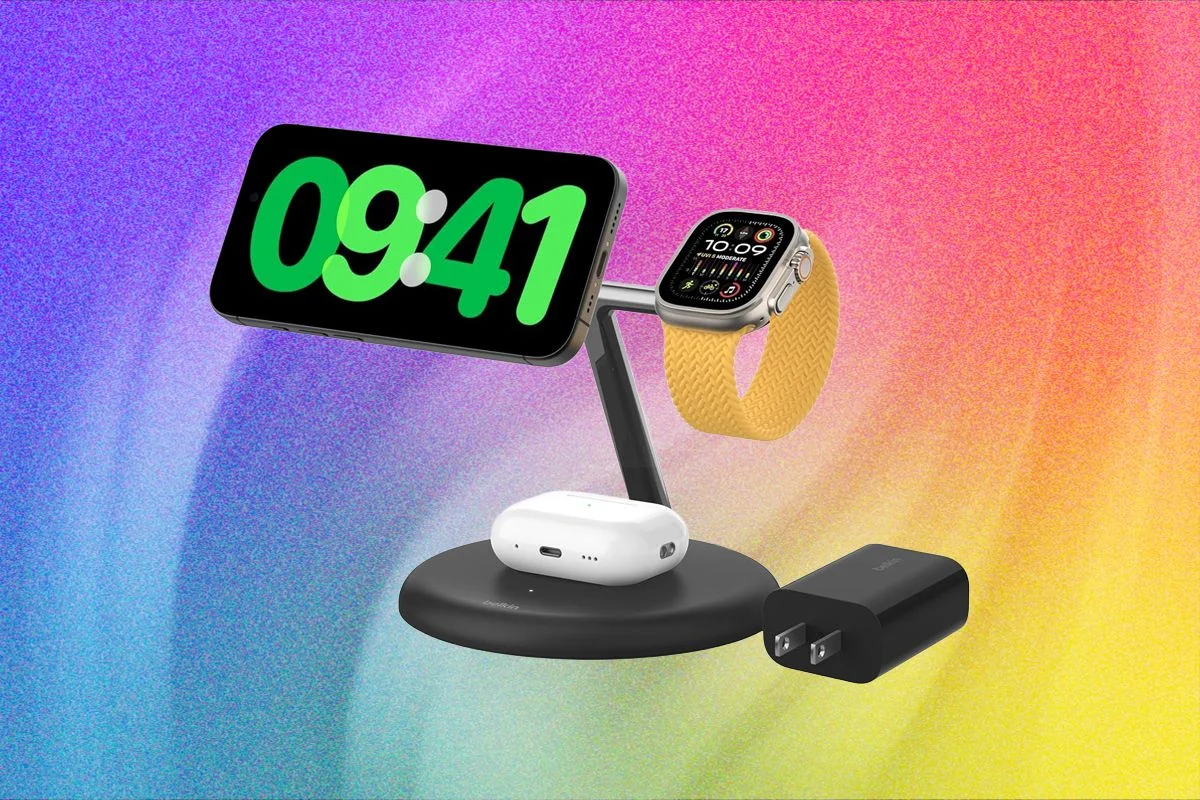
The Apple Watch has solidified its position as the preeminent leader in the global smartwatch market, serving as both a sophisticated communication hub and a comprehensive fitness tracker for millions of iPhone users. Since its initial release in 2015, the device has transitioned from a niche luxury item to an essential component of the Apple ecosystem. As the hardware continues to iterate—most recently with the introduction of the Series 10, the Ultra 2, and the updated SE—the secondary market for accessories has expanded into a multi-billion-dollar industry. This growth is driven by a consumer desire for personalization, enhanced protection, and improved charging efficiency. Industry data from International Data Corporation (IDC) confirms that Apple remains the dominant force in the smartwatch category, largely due to its seamless integration with iOS and a robust third-party accessory market that allows users to tailor the device to specific professional and athletic environments.

The Strategic Importance of the Accessory Ecosystem
For Apple, the watch is more than a standalone product; it is a gateway to a broader ecosystem of services and peripherals. The ability to swap bands and add protective cases has transformed the Apple Watch into a highly versatile tool. According to market analysts, the "stickiness" of the Apple Watch is significantly bolstered by the variety of available accessories. Users who invest in high-quality bands, such as the Nike Sport Loop, or advanced charging solutions, such as the Belkin 3-in-1 Qi2 Charging Stand, are statistically more likely to remain within the iOS ecosystem when upgrading their mobile devices.
The accessory market is currently categorized into three primary segments: ergonomic straps, power management solutions, and physical protection. Each segment addresses specific pain points identified by long-term users, particularly regarding battery longevity and the vulnerability of the device’s glass face. As repair costs for out-of-warranty devices continue to rise, with some screen repairs approaching the cost of a new unit, the demand for preventative accessories has reached an all-time high.

A Chronology of Apple Watch Development and Accessory Evolution
The evolution of the Apple Watch accessory market has closely mirrored the technological milestones of the watch itself. Understanding this timeline is crucial for comprehending how the current market reached its present state of sophistication.
- 2015: The Launch Era. Apple introduced the original Apple Watch with a proprietary lug system for bands. This move initially restricted the market but eventually gave rise to a massive industry of third-party "lugs" and adapters.
- 2016-2018: Fitness and GPS Integration. With the Series 2 and Series 3, Apple pivoted toward health and fitness. This era saw the rise of breathable sport bands and ruggedized cases as users began wearing the device during high-intensity interval training (HIIT) and outdoor swimming.
- 2019-2021: The Large Screen Shift. The introduction of the Series 4 and later the Series 7 brought larger displays and thinner bezels. This necessitated a new generation of screen protectors and cases that could accommodate the curved edges without interfering with touch sensitivity.
- 2022-Present: The Ultra and Qi2 Revolution. The launch of the Apple Watch Ultra introduced a new form factor, while the industry-wide adoption of the Qi2 charging standard has revolutionized how users power their devices. Current flagship accessories, like the Anker MagGo Power Bank, now leverage these standards to provide faster, more reliable energy transfer.
Supporting Data: Market Share and Consumer Trends
Recent data highlights the sheer scale of the wearable market. According to IDC’s Worldwide Quarterly Wearable Device Tracker, Apple consistently maintains a significant lead in the smartwatch sector, often capturing over 25% of the total market share by volume and a much higher percentage of total revenue. In the third quarter of 2023 alone, the global wearables market grew by 5.9% year-over-year, driven largely by the refresh cycles of premium smartwatches.
-Reviewer-Photo-(no-border)-SOURCE-Simon-Hill.jpg)
Consumer spending patterns indicate that the average Apple Watch owner purchases at least two additional bands within the first year of ownership. Furthermore, the rise of "desk culture" and hybrid work has seen a 15% increase in the sale of multi-device charging stations. The Belkin 3-in-1 Qi2 Charging Stand represents the pinnacle of this trend, offering a centralized hub for the iPhone, Apple Watch, and AirPods. The adoption of the Qi2 standard is particularly significant as it utilizes magnetic alignment to ensure optimal charging efficiency, reducing heat waste and preserving battery health over the long term.
Technical Analysis of Leading Accessory Solutions
Ergonomics and Athletics: The Nike Sport Loop
The Nike Sport Loop remains a top-tier choice for athletes due to its breathable nylon weave and highly adjustable hook-and-loop fastener. Unlike traditional silicone bands, which can trap sweat against the skin, the Sport Loop allows for moisture wicking. This is a critical factor for users utilizing the Apple Watch’s advanced heart rate monitoring and ECG features, as a secure, comfortable fit is necessary for sensor accuracy.

Power Management: The Shift to Qi2 and Portable Solutions
Charging remains the primary concern for power users, especially those using the "Always-On" display or GPS tracking. The Belkin 3-in-1 Qi2 Charging Stand addresses this by providing 15W fast charging for compatible iPhones while simultaneously powering the Apple Watch. For users on the move, the Anker MagGo Power Bank for Apple Watch provides a compact 10,000mAh reservoir. This device is officially certified, ensuring it meets Apple’s stringent safety and performance standards, which prevents the overheating issues often found in uncertified third-party chargers.
Physical Defense: Cases and AppleCare
Despite the use of Ion-X strengthened glass and sapphire crystal on various models, the Apple Watch is susceptible to impact damage. The Hontao Ultra Thin Case has emerged as a popular solution for users who want protection without the bulk of a traditional rugged case. However, industry experts and Apple itself emphasize that physical accessories should be complemented by AppleCare. Service pricing for Apple Watch repairs is notoriously high; for instance, an out-of-warranty screen replacement for an Apple Watch Ultra can cost upwards of $499, making the $79 to $99 investment in an extended warranty plan a statistically sound decision for most consumers.

Official Responses and Industry Standards
Apple has historically maintained a complex relationship with third-party accessory manufacturers. Through the "Made for Apple Watch" (MFi) program, the company provides hardware specifications and certified components to partners. This ensures that accessories do not interfere with the device’s sensitive antennas or sensors.
In recent statements regarding sustainability, Apple has moved away from leather accessories, opting instead for recycled textiles and carbon-neutral manufacturing processes. This shift has forced third-party manufacturers to innovate with materials. Brands like Belkin and Anker have responded by incorporating post-consumer recycled plastics into their charging hubs and power banks. This alignment with environmental standards is not merely a marketing tactic but a response to increasing regulatory pressure in the European Union and North America regarding electronic waste and sustainable production.

Broader Impact and Future Implications
The continued growth of the Apple Watch accessory market has broader implications for the consumer electronics industry. It demonstrates a shift from "planned obsolescence" toward "modular longevity." By allowing users to refresh the look and functionality of a three-year-old watch with a new band or a more efficient charger, the accessory market extends the lifecycle of the primary device.
Furthermore, the integration of health-focused accessories is expected to be the next frontier. Analysts predict that future bands may incorporate additional sensors for blood glucose monitoring or hydration tracking, effectively turning the strap into a secondary diagnostic tool. As the Apple Watch Series 10 and its successors continue to integrate artificial intelligence and machine learning into health data analysis, the role of the accessory will evolve from a passive aesthetic choice to an active component of the wearable’s hardware suite.
-Reviewer-Photo-SOURCE-Ryan-Waniata.jpg)
In conclusion, the Apple Watch accessory market is a vital ecosystem that enhances the utility, durability, and style of the world’s most popular smartwatch. From the high-performance Nike Sport Loop to the technologically advanced Qi2 charging stands by Belkin, these products allow users to maximize their investment. As Apple continues to innovate with new materials and thinner form factors, the accessory industry will undoubtedly follow suit, maintaining its role as an essential partner in the wearable technology revolution. For the consumer, the combination of robust physical protection, efficient power management, and the safety net of AppleCare remains the most effective strategy for navigating the complexities of modern wearable ownership.







