Pranda Michaela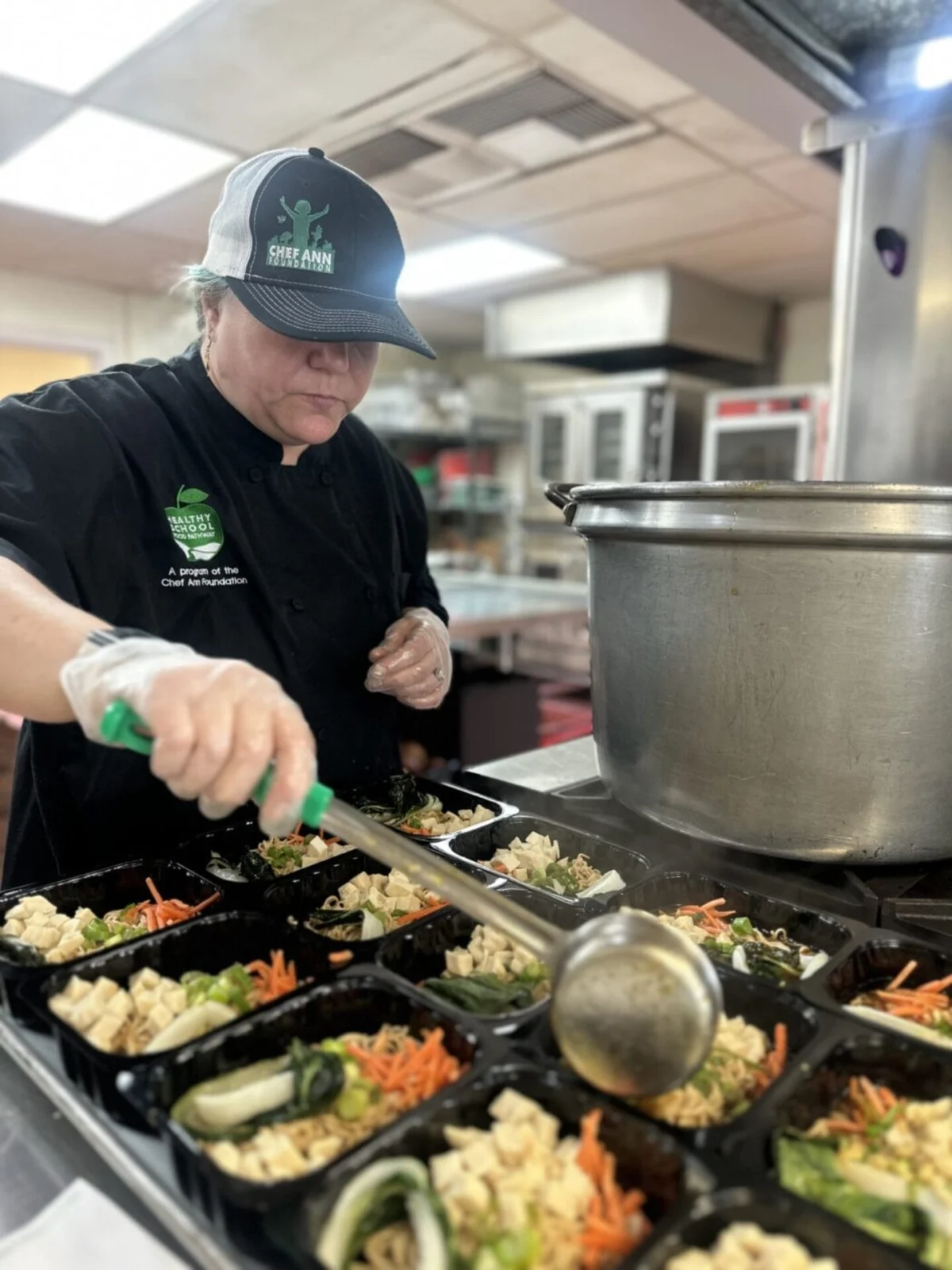
The alarming reality is that over 60% of a typical child’s diet consists of ultra-processed foods. This statistic, while stark, often fails to capture the tangible impact on what’s served on school lunch trays. Imagine chicken nuggets laden with fillers like soy, gums, and starches, designed for freezer longevity rather than nutritional value. Consider a "crispy chicken salad" that’s actually an ultra-processed patty on a bed of greens, doused in a dressing with an unpronounceable ingredient list. Even seemingly innocent items like fruit yogurt can contain more sugar than a soda. These are not meals; they are food products engineered for shelf stability, and with children consuming up to half their daily calories at school, the implications for their health and development are profound.

This pervasive issue of ultra-processed foods in children’s diets is not solely a home-kitchen problem. The current discourse often places the burden on parents to meticulously read labels and pack lunches. However, with nearly 30 million children relying on school meals daily, a significant portion of their nutritional intake is beyond parental control. The question then becomes: why does school food often fall short of providing wholesome, nourishing options? The answer lies not in a lack of care from food service professionals, but in a deeply entrenched, systemic issue.

The Challenge of the System: A Cost-Constrained Environment

"School food professionals deeply care about the kids they serve, and most want to feed them the best meals possible," explains Lori Nelson, Chief School Food Operations Officer at the Chef Ann Foundation and a former school food director with over 25 years of culinary experience. "They are not your adversaries—they are stuck in a broken school food system, where change is daunting and complex."

The financial constraints are significant. The federal reimbursement for a school lunch currently stands at $4.60. This modest amount must cover not only the food itself but also labor, equipment maintenance, utilities, and administrative overhead. Compounding this challenge, most school kitchens were designed for reheating pre-prepared items, not for cooking from scratch with fresh ingredients. This infrastructure limitation, coupled with underpaid and undertrained staff, creates a system that defaults to shrink-wrapped, heat-and-serve meals. This is not a conscious choice made by those on the ground, but rather a consequence of the existing infrastructure and resource limitations.

The Promise of Scratch Cooking: A Proven Path to Improvement

Nelson outlines a continuum for transforming school food, ranging from fully pre-packaged meals to scratch-made meals prepared with whole, raw ingredients. Many districts find themselves in the middle, utilizing ready-made products without incorporating fresh elements or culinary techniques. However, districts that commit to shifting towards scratch cooking are witnessing tangible improvements.

A compelling case study is the Dryden Central School District in Tompkins County, New York. By transitioning from individually wrapped breakfast items to scratch-made French toast casserole, and replacing pre-made macaroni and cheese with a version using fresh pasta and a house-made cheese sauce, the district saw remarkable engagement. They also began preparing baked ziti from scratch using local beef. The results were striking: by the end of the 2024-25 school year, average daily participation increased by an impressive 21.8% for breakfast and 39.1% for lunch.

This success underscores a fundamental principle: when children are offered food that is appealing and tastes good, they are more likely to eat it. Increased participation not only leads to better nutrition for students but also generates higher reimbursement revenue. This, in turn, can provide the financial resources needed to further invest in scratch cooking initiatives.

Nelson’s own experience as a school food director in Texas highlights the potential within the existing reimbursement structure. She recounts preparing Pork Tacos Al Pastor for $4.60 per meal. This involved slow-roasting commodity pork shoulder overnight, finishing it with a scratch-made marinade of achiote, fresh pineapple, cilantro, onion, and garlic, and serving it in locally sourced tortillas with house-made lime-cilantro slaw, scratch-made black beans, fresh fruit, and local milk. Such examples demonstrate that with culinary expertise and strategic sourcing, nutritious and appealing meals are achievable even within budgetary constraints.

The Policy Landscape: Progress and Persistent Challenges

While there’s growing awareness of the need for healthier school food, policy changes are a complex and often slow-moving process. For the first time, the Dietary Guidelines for Americans recommend avoiding highly processed foods, a significant milestone in acknowledging the issue. However, simultaneous developments like the cutting of over $1 billion in local food funding and the cancellation of significant farm-to-school programs create counteracting challenges, making it harder for schools to procure fresh, whole ingredients.

Banning specific food dyes or defining "ultra-processed food" are steps in the right direction, but they do not address the root causes of the problem. Nelson cautions, "Without addressing outdated school kitchens, undertrained and underpaid staff, and low meal reimbursement rates, we’ll be stuck in a ‘whack-a-mole’ loop where this or that unpronounceable additive is banned but then replaced with something else that might also get banned down the road." The fundamental solution lies in empowering schools to cook with whole ingredients, ensuring transparency and control over what is served.

Empowering Parents: A Partnership for Change

Parents play a crucial role in advocating for better school food. The most effective approach, according to experts, is one of partnership rather than confrontation.

-
Connect with School Food Professionals: Identify your district’s food service or child nutrition director. Their contact information is typically available on the district’s website. Reach out to introduce yourself and request a brief meeting or a kitchen visit. The goal is to understand their objectives, challenges, and any initiatives they’ve attempted. Approaching them as experts with valuable insights, rather than adversaries, fosters a more collaborative environment.

-
Engage with School Wellness Committees: Many school districts are mandated by federal law to have wellness committees. These committees often discuss food policies and decisions, providing a platform for parent voices to influence change. Inquiring about joining or attending a meeting can be a direct avenue for advocacy.

-
Leverage Parent-Teacher Associations (PTAs): PTAs can serve as a powerful collective voice for parents, enabling coordinated efforts to improve school food programs.

-
Ask "How Can I Help?": Nelson emphasizes that successful advocacy hinges on collaboration. Parents who approach school food directors with questions like "What do you need?" and "How can I help?" are more likely to achieve meaningful results than those who present demands. This collaborative spirit opens doors to tangible improvements.

A Call to Action: The Chef Ann Foundation Webinar

For parents eager to become effective advocates for better school food, the Chef Ann Foundation, in partnership with Motherly, is hosting a free live panel discussion on April 8th at 1 p.m. ET. Titled "What Parents Need to Know to Improve School Food," the event will feature insights from Motherly CEO Lindsey Abramo, National PTA’s president-elect Dr. William Datema, Jenné Claiborne of Sweet Potato Soul, and Lori Nelson. This webinar offers a valuable opportunity to gain knowledge and connect with experts and fellow advocates. Registration is available at [link to registration].

By understanding the systemic challenges, supporting the dedicated professionals within school food services, and engaging in constructive dialogue, parents can become powerful agents of change, ensuring that school cafeterias provide nutritious meals that nourish children’s bodies and minds for a healthier future.