Cintya Tara Annisa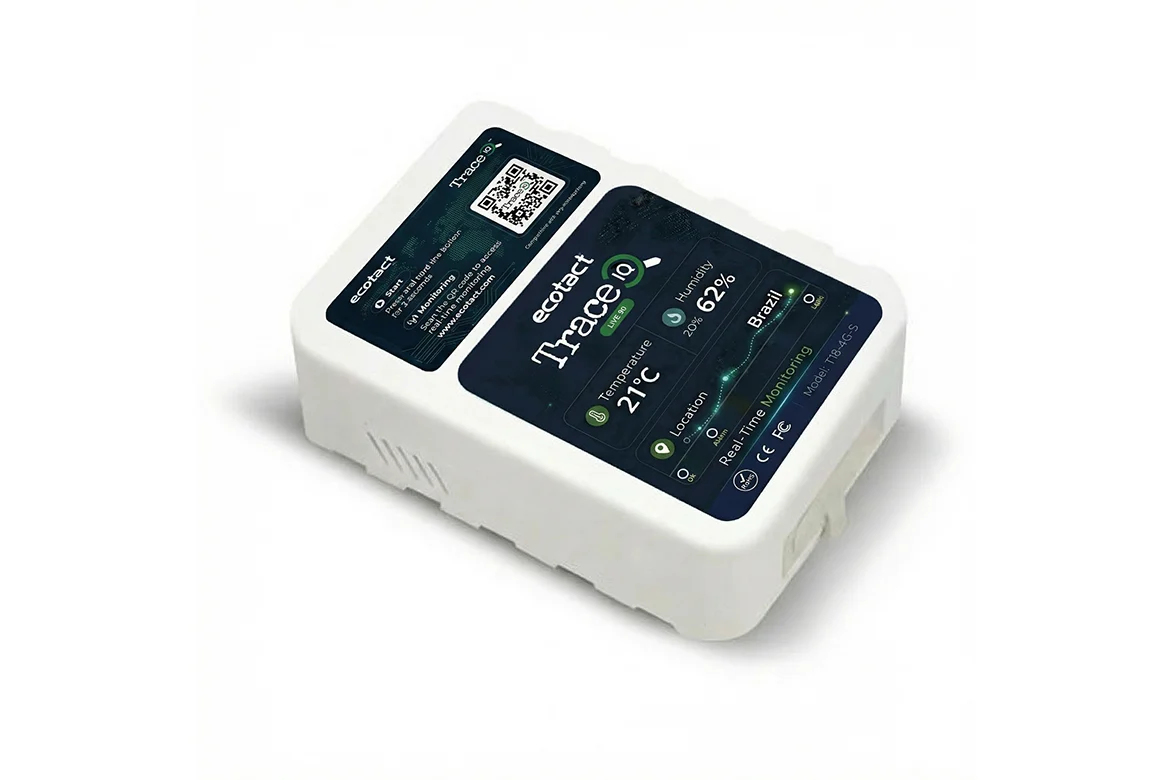
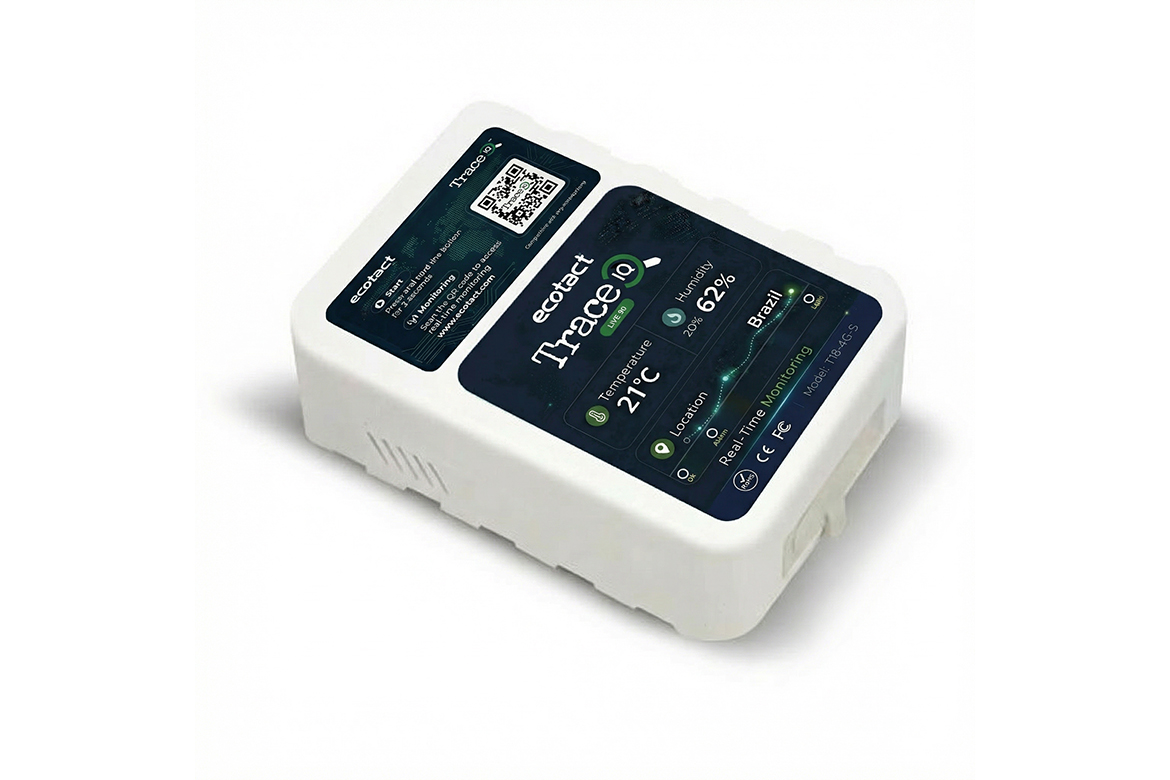
In a strategic move to address the long-standing vulnerabilities of global agricultural logistics, Ecotact has officially announced the launch of Trace IQ, a sophisticated real-time monitoring system designed to safeguard coffee quality from origin to destination. Announced in New Delhi in March 2026, this technological intervention marks a pivotal shift for Ecotact, transitioning the company from a specialist in hermetic packaging into a provider of integrated, data-driven supply chain solutions. Trace IQ is engineered to track critical environmental parameters, including temperature and humidity, while providing precise location data to mitigate the risks associated with transit losses and quality degradation.
The global coffee industry has historically struggled with the "black box" of international shipping. Once a container of high-value specialty coffee leaves a port in Ethiopia, Colombia, or Vietnam, stakeholders often have little to no visibility into the conditions the beans endure during their multi-week journey across oceans. Fluctuating temperatures and humidity levels can trigger condensation within containers—a phenomenon known as "container sweat"—which leads to mold growth, mustiness, and the structural breakdown of the coffee’s cellular integrity. By the time the coffee reaches a roaster in Europe or North America, the sensory profile may have deteriorated significantly, leading to financial disputes and a loss of brand reputation. Trace IQ seeks to eliminate this uncertainty by providing a continuous stream of actionable data.
The Technical Architecture of Trace IQ
Trace IQ is not merely a tracking device but a comprehensive quality assurance ecosystem. The hardware consists of compact, high-precision sensors that are placed within coffee shipments. These sensors are calibrated to monitor the specific atmospheric conditions that affect coffee’s chemical stability. Temperature and relative humidity are recorded at frequent intervals, allowing the system to flag deviations from the "safe zone" for green coffee storage—typically between 11% and 12.5% moisture content and stable temperatures below 25 degrees Celsius.
The integration of Global Positioning System (GPS) technology ensures that environmental data is always tied to a specific location. This enables exporters and importers to identify exactly where a breach in quality protocols occurred. If a container is left on a sun-drenched tarmac in a transit port or stored near the engine room of a cargo ship, the resulting spike in temperature is logged in real-time. The cloud-based platform associated with Trace IQ aggregates this data, providing stakeholders with a digital "passport" for every shipment. This level of transparency is becoming a prerequisite in a market where buyers increasingly demand proof of stewardship throughout the supply chain.
A Chronological Evolution of Coffee Preservation
The development of Trace IQ is the culmination of over two decades of innovation in coffee preservation. To understand its significance, one must look at the timeline of coffee packaging and the industry’s gradual move toward technological integration:
- Early 2000s: The Era of Jute and Sisal. For over a century, coffee was shipped almost exclusively in porous jute bags. While traditional, these bags offered zero protection against moisture, odors, or insect infestation, leading to high rates of spoilage.
- 2005–2015: The Rise of Hermetic Storage. Ecotact and similar pioneers introduced multilayered hermetic (airtight) liners. These bags transformed the industry by creating a modified atmosphere that preserved the freshness of green coffee for more than a year. This period saw a dramatic increase in the viability of the specialty coffee market.
- 2020–2024: Supply Chain Volatility. The COVID-19 pandemic and subsequent geopolitical tensions led to unprecedented port congestion and shipping delays. Coffee that was supposed to spend 30 days in transit was often stuck for 90 days or more. This period highlighted the limitations of passive protection and created an urgent demand for active monitoring.
- 2025: Research and Development of Trace IQ. Ecotact spent the year collaborating with roasters and exporters to identify the specific data points necessary for effective risk management. The goal was to move beyond "post-mortem" analysis and toward real-time intervention.
- March 2026: Official Launch. The system is introduced to the global market, positioning Ecotact as a leader in the "Internet of Coffee" (IoC) space.
- June 2026: Public Debut. Trace IQ is scheduled for its first major industry showcase at the World of Coffee event in San Diego, California.
Supporting Data: The Economic Imperative for Monitoring
The financial implications of transit-related quality loss are staggering. Industry data suggests that approximately 5% to 10% of specialty coffee shipments experience some form of quality degradation during transit that affects their final cupping score. For a container carrying 18 metric tons of specialty coffee valued at $6.00 per pound, a reduction in quality that forces the coffee to be sold at a "commodity" price (e.g., $2.50 per pound) represents a potential loss of over $130,000 for a single shipment.
Furthermore, the logistical costs of disputes and insurance claims add a layer of inefficiency to the global trade. Insurance providers are increasingly looking for "verifiable data" before settling claims related to moisture damage. Trace IQ provides a definitive record of the shipment’s journey, which can expedite the claims process or, more importantly, provide the evidence needed to hold logistics providers accountable for negligence.
Environmental data also plays a role in sustainability. By reducing the volume of coffee that is discarded or downgraded due to spoilage, the industry can lower its overall carbon footprint. The resources—water, labor, and land—used to produce a bag of coffee are effectively wasted if that coffee becomes unpalatable during its journey to the consumer.
Official Responses and Strategic Vision
Hanuman Jain, the Founder and CEO of Ecotact, emphasized that the development of Trace IQ was a direct response to the specific needs of the coffee sector. Unlike general-purpose logistics trackers, Trace IQ was designed with the nuances of coffee chemistry in mind.
"We’re focused on becoming specialists for the coffee industry rather than offering broad, one-size-fits-all solutions," Jain stated during the launch. "While technologies like this are already well established in other sectors, we saw that coffee lacked a similar layer of visibility. Conversations with roasters and our partners at origin consistently highlighted this gap, and that’s what shaped the development of Trace IQ."
Industry analysts have reacted positively to the announcement. Logistics experts suggest that the integration of IoT (Internet of Things) devices into standard shipping protocols is the next logical step for high-value agricultural commodities. By providing a "single source of truth," Trace IQ can foster greater trust between producers in the Global South and buyers in the Global North. This transparency is expected to be particularly beneficial for smallholder cooperatives, who often bear the brunt of the financial risk when quality issues are detected at the destination.
Broader Impact and Industry Implications
The introduction of Trace IQ arrives at a time when the coffee industry is facing a transformative era of transparency. Regulations such as the European Union Deforestation Regulation (EUDR) are already pushing the industry toward more rigorous traceability. While Trace IQ focuses on environmental quality, its location-tracking capabilities complement broader efforts to map the journey of coffee from the farm to the cup.
The move from passive packaging to active monitoring also signals a change in the competitive landscape. Ecotact’s expansion into technology-driven solutions suggests that the future of coffee preservation lies in the fusion of material science and digital intelligence. As roasters become more data-savvy, they will likely prioritize suppliers who can provide comprehensive data packages alongside their coffee beans.
In the long term, the data collected by thousands of Trace IQ devices could provide the industry with a macro-level view of global shipping routes. This "big data" approach could identify systemic issues in specific ports or shipping lines, allowing exporters to choose the safest routes for their most sensitive harvests. It could also lead to the development of "smart" containers that automatically adjust ventilation or cooling based on the real-time feedback provided by sensors inside the bags.
Looking Ahead to World of Coffee San Diego 2026
The upcoming showcase at World of Coffee San Diego 2026 will be a critical milestone for Ecotact. This event, one of the most significant gatherings in the specialty coffee calendar, will allow roasters, importers, and tech enthusiasts to see the Trace IQ hardware and software in action. Live demonstrations are expected to show how the system handles real-world scenarios, such as sudden humidity spikes or unexpected route diversions.
As the industry moves toward 2030, the reliance on real-time data is expected to become the standard rather than the exception. With the launch of Trace IQ, Ecotact has positioned itself at the forefront of this digital transition, offering a tool that not only protects the physical product but also preserves the economic value and sensory integrity of one of the world’s most beloved commodities. The success of this initiative will likely be measured by the reduction in "past crop" flavor profiles and the strengthening of the bonds of trust across the global coffee supply chain.