
 Indra Kusuma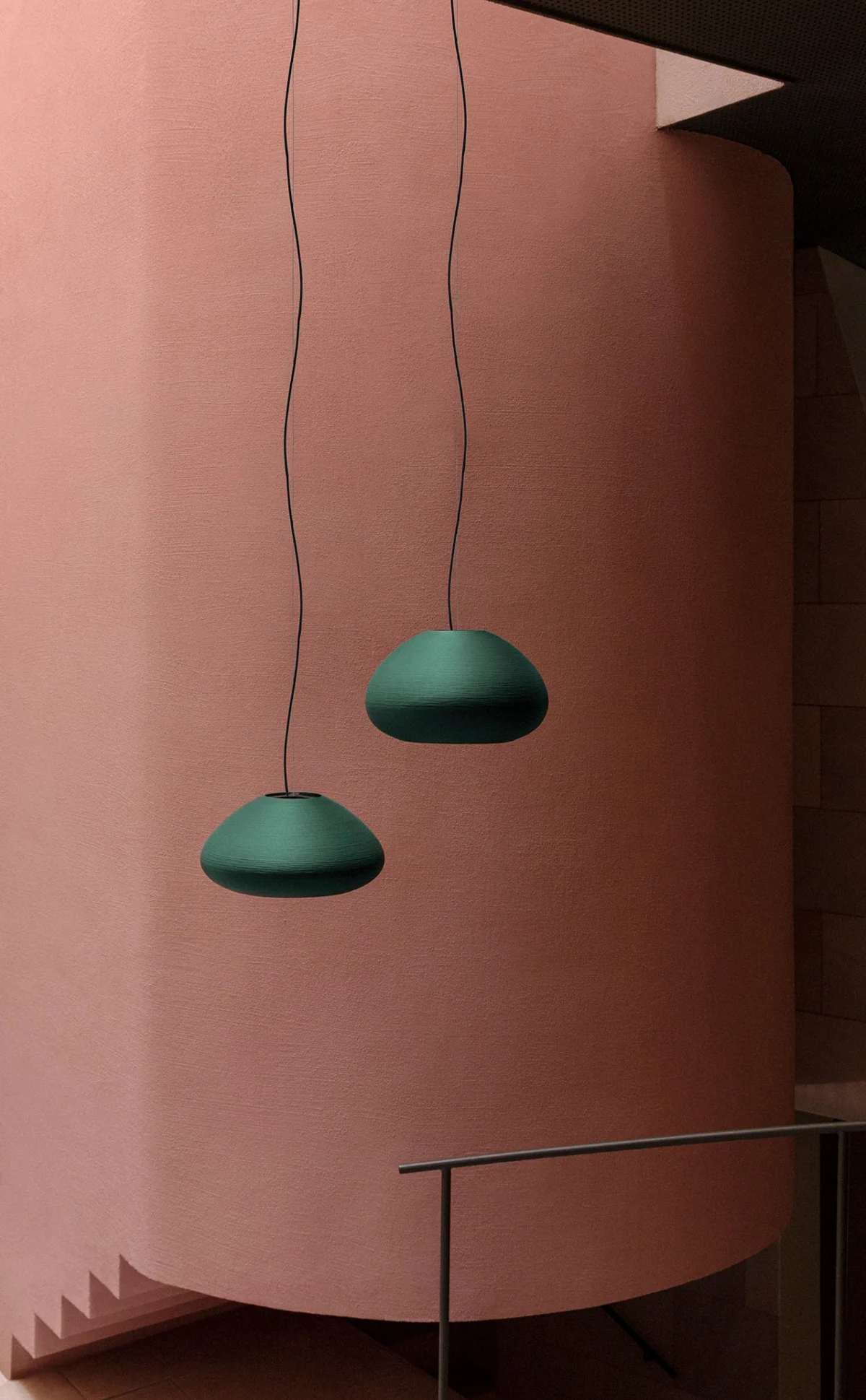
In a significant stride towards redefining sustainable design, Héctor Serrano, in collaboration with Faro Barcelona, has introduced "Tierra, Mar, y Aire" – a groundbreaking lighting collection that seamlessly blends ecological responsibility with cutting-edge manufacturing. This collection transcends conventional design paradigms, offering a tangible vision of how product development can harmonise with the planet’s finite resources. At its core, "Tierra, Mar, y Aire" champions the principles of circularity, utilising advanced materials and innovative production methods to challenge the linear "take-make-dispose" model prevalent in industrial design. The collection not only showcases beautiful, nature-inspired forms but also serves as a powerful statement on the imperative for a systemic overhaul in how goods are conceived, produced, and consumed.
The Genesis of a Sustainable Vision: Nature as the Ultimate Designer
The inspiration for "Tierra, Mar, y Aire" is deeply rooted in the philosophy that nature itself is the most ancient and proficient designer. For centuries, artists, engineers, and designers have drawn structural integrity, material intelligence, and even ethical frameworks from the organic rhythms and intricate systems of the natural world. This collection embodies a profound respect for these inherent efficiencies, striving to emulate nature’s waste-free cycles within a commercial context. True sustainability, as conceptualised by Serrano, demands an intimate understanding of these natural parameters, advocating for the simultaneous use of recycled and inherently recyclable materials. This philosophy aims to dissolve the traditional boundaries between interior and exterior spaces, fostering a metabolic relationship with materiality where every component is considered for its entire lifecycle. The collection’s name, meaning "Earth, Sea, and Air," directly references the fundamental elements from which its material innovations are drawn, establishing an immediate connection to the environmental ethos it champions.
Materiality Reimagined: The Elements of Circularity
The "Tierra, Mar, y Aire" project places materiality at the very heart of its design process, mirroring the continuous cycles observed in our natural world. Each piece in the collection is meticulously composed of materials whose properties directly relate to the element it represents, showcasing a thoughtful integration of form, function, and ecological impact.
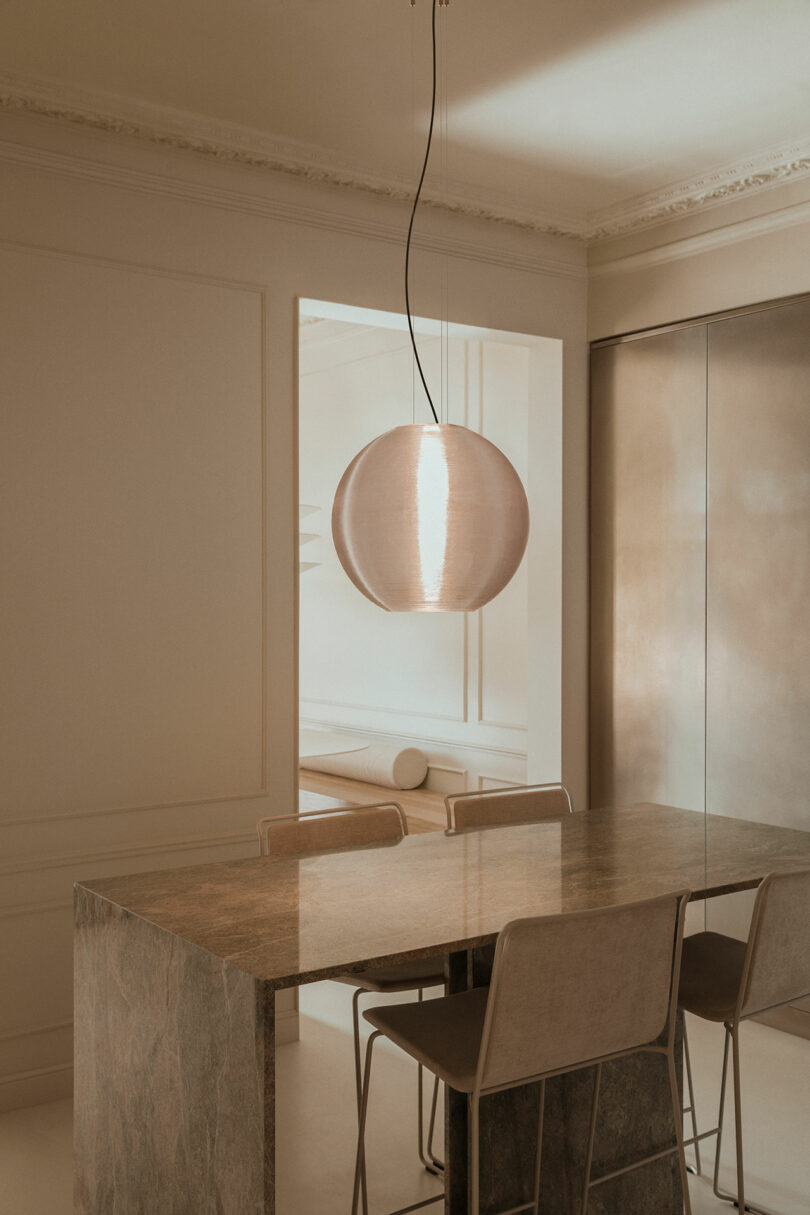
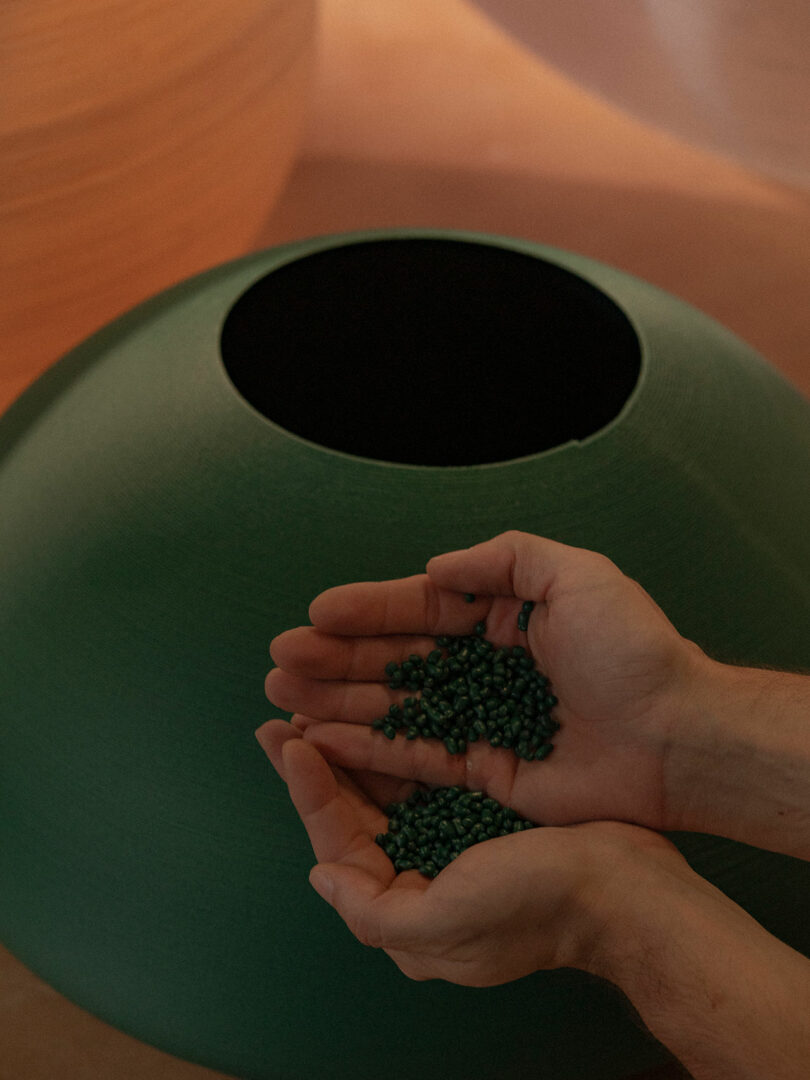
For the "Tierra" component, a bioplastic derived from Polylactic Acid (PLA) and cellulose is employed. PLA, a polyester made from renewable resources like corn starch or sugarcane, is renowned for its biodegradability and compostability under industrial conditions. When combined with cellulose, a natural polymer found in plant cell walls, the resulting bioplastic offers a robust yet environmentally benign alternative to traditional fossil-fuel-based plastics. The choice of this material for "Tierra" underscores a commitment to returning materials to the earth, completing a natural cycle of decomposition and renewal. This is particularly relevant in an era where global plastic waste generation continues to escalate, with an estimated 380 million tonnes produced annually, a significant portion of which ends up in landfills or oceans. The adoption of biodegradable bioplastics represents a crucial step in mitigating this environmental burden, offering a pathway to products that can eventually nourish the earth rather than pollute it.
The "Mar" elements of the collection are crafted from polypropylene meticulously salvaged from recycled fishing nets. The problem of "ghost fishing gear"—abandoned, lost, or discarded fishing equipment—is a critical environmental issue, contributing to approximately 10% of all ocean plastic pollution. These nets continue to trap marine life for decades, causing immense ecological damage. By repurposing this highly durable and often problematic waste stream, Serrano and Faro Barcelona not only divert material from landfills and oceans but also transform it into valuable design objects. Polypropylene is a thermoplastic polymer known for its strength, flexibility, and resistance to chemical solvents, making it an ideal candidate for recycling into new, long-lasting products. The transformation of ocean-polluting waste into elegant lighting fixtures serves as a powerful symbol of regeneration and responsibility.
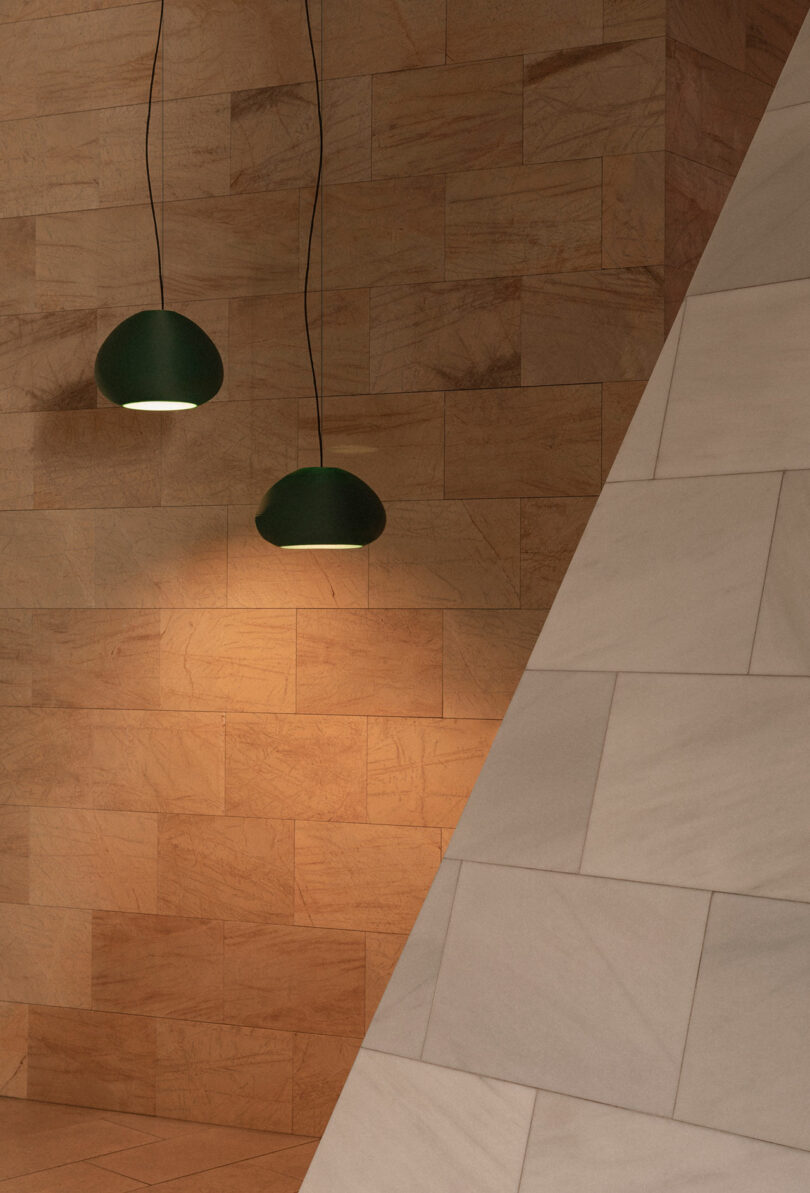
Finally, the "Aire" components are produced using 100% recycled PETG. Polyethylene terephthalate glycol (PETG) is a thermoplastic polyester frequently used in packaging and 3D printing due to its durability, chemical resistance, and ease of thermoforming. Critically, PETG is one of the most commonly recycled plastics globally, making it an excellent choice for a circular design approach. Its high recyclability ensures that the "Aire" lights can be reintegrated into the material stream at the end of their life, minimising resource depletion and waste generation. This commitment to using fully recycled materials, particularly those with established recycling infrastructures, demonstrates a pragmatic and impactful approach to sustainable manufacturing, acknowledging the current realities of global waste management while actively contributing to its improvement.
Beyond Materials: Embracing True Circularity through Systemic Change
While the choice of sustainable materials is paramount, Héctor Serrano emphasizes that true circularity extends far beyond the composition of a product. "Circularity must be embedded throughout our entire consumption system; it is no use using sustainable materials if we then then continue to live in a throwaway culture," Serrano states, encapsulating a profound challenge to contemporary consumerism. His perspective highlights the critical need for a holistic rethinking of the entire product lifecycle—from conceptualisation and production to transportation, consumption, and end-of-life management.
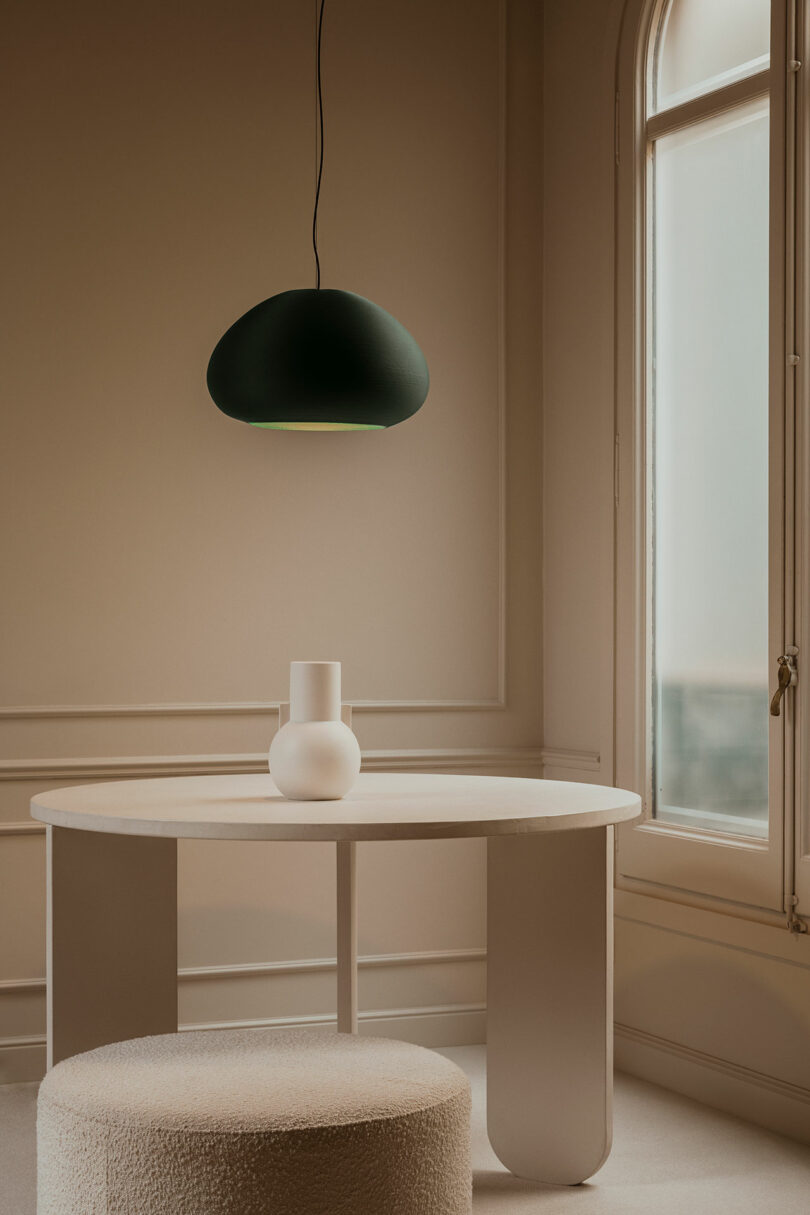
The prevailing linear economic model, characterised by "take-make-dispose," has led to unprecedented resource depletion and waste accumulation. A truly circular economy, by contrast, aims to keep resources in use for as long as possible, extract the maximum value from them whilst in use, then recover and regenerate products and materials at the end of each service life. This paradigm shift requires not just innovative materials but also fundamental changes in manufacturing processes, business models, and consumer behaviour. The "Tierra, Mar, y Aire" collection is not merely a product line; it is a manifestation of this broader philosophy. By advocating for on-demand, compact, and automated production through technologies like 3D printing, Serrano points to a future where manufacturing is more agile, less wasteful, and intimately connected to actual demand, thereby reducing overproduction and the associated environmental footprint. This approach minimizes the need for extensive warehousing and long-distance shipping, further cutting down on carbon emissions. The implications are far-reaching: a move away from mass production in distant factories towards more localised, responsive manufacturing hubs. This shift necessitates a cultural transformation, moving consumers away from a mindset of disposable convenience towards an appreciation for longevity, repair, and responsible end-of-life management for products.
The Dawn of Digital Craftsmanship: 3D Printing’s Transformative Role
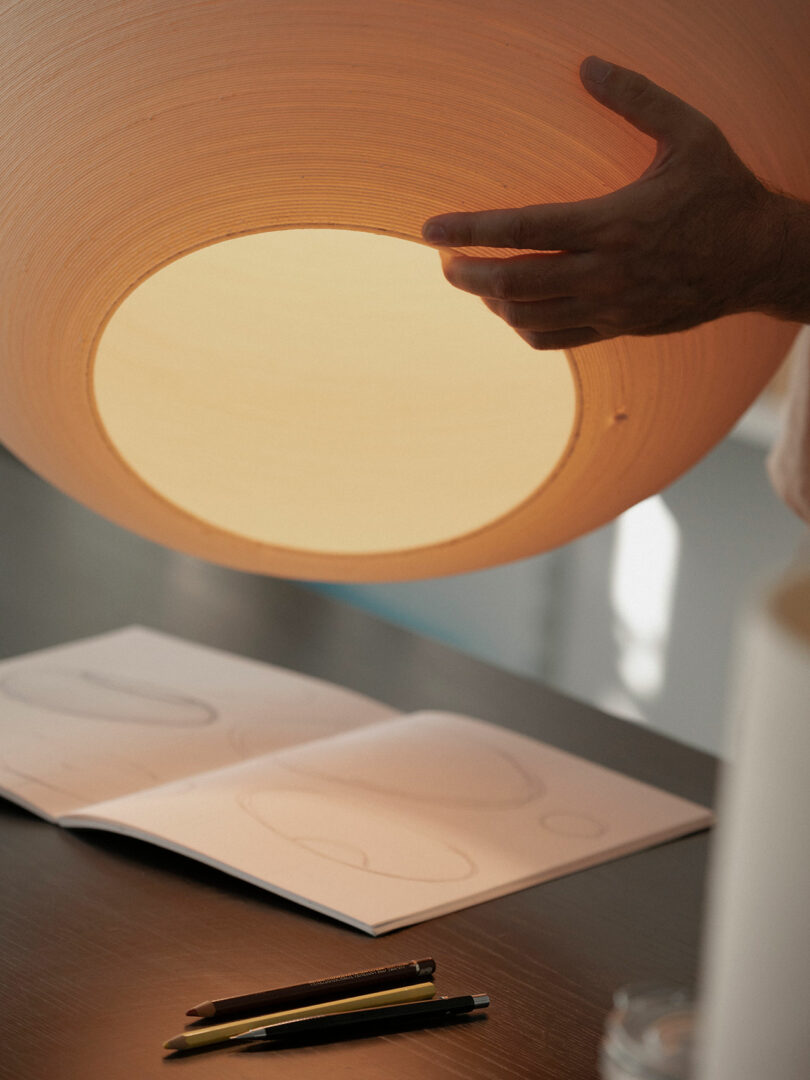
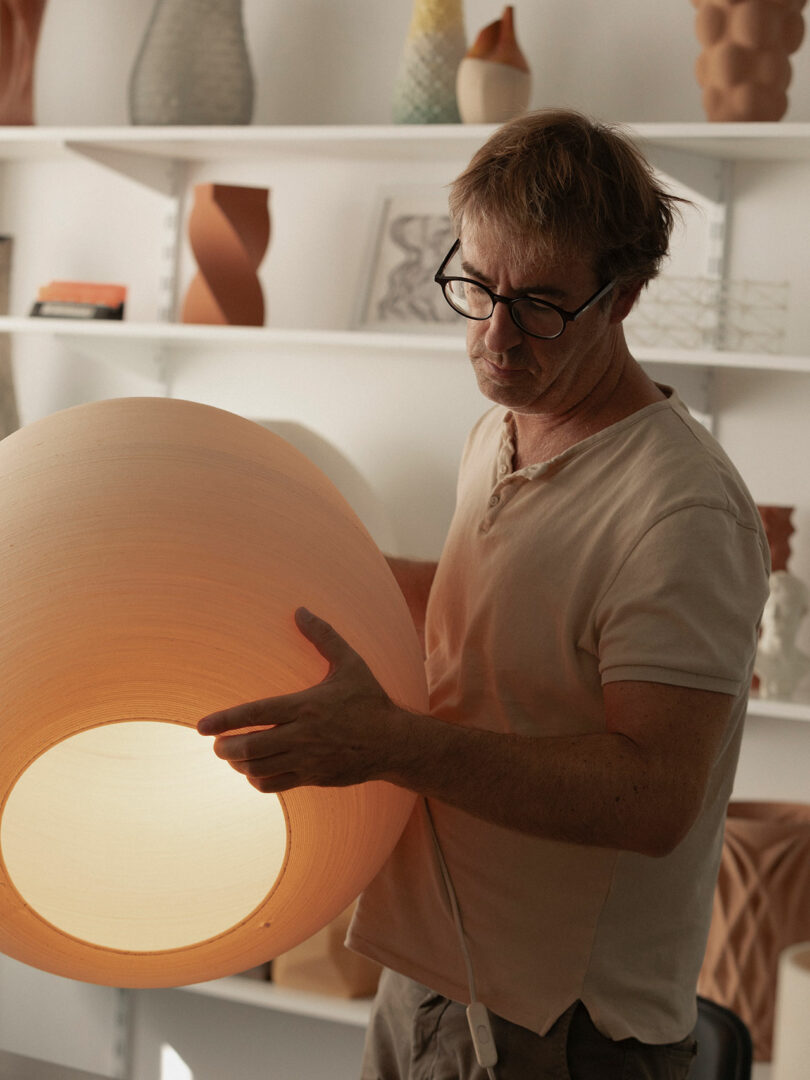
Central to the innovative ethos of "Tierra, Mar, y Aire" is the strategic embrace of 3D printing, a technology Serrano champions as the cornerstone of "digital craftsmanship." This approach signals a significant shift in manufacturing, effectively returning a degree of production power—if not directly into the hands of individuals, then certainly under their direct control or within more accessible frameworks. Additive manufacturing, as 3D printing is formally known, is inherently suited for circular economy principles. Unlike subtractive manufacturing methods that produce waste by cutting away material, 3D printing builds objects layer by layer, generating minimal material scrap during production. This efficiency aligns perfectly with the goal of reducing waste throughout the manufacturing process.
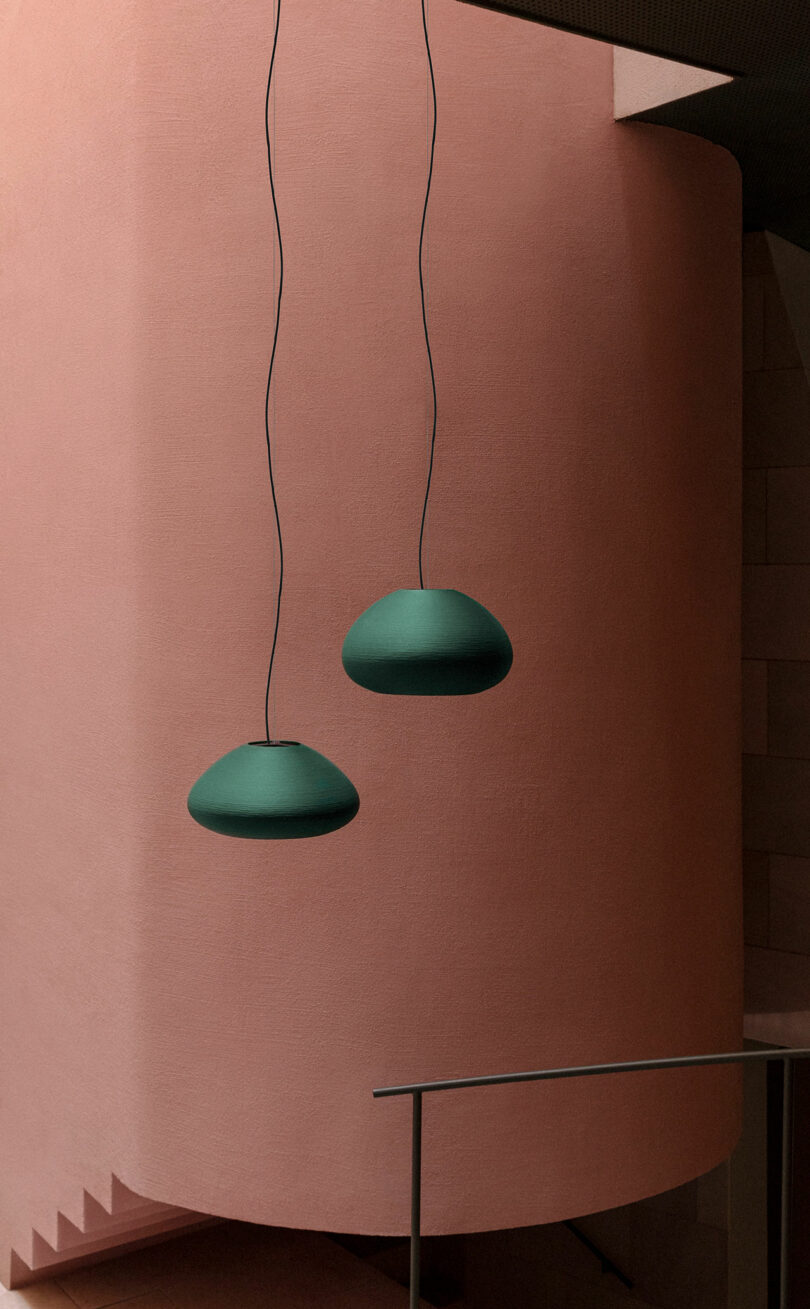
The benefits of 3D printing for collections like "Tierra, Mar, y Aire" are manifold. It enables on-demand production, meaning items can be manufactured only when needed, drastically reducing inventory waste and the environmental impact associated with overproduction. This contrasts sharply with traditional mass production, which often leads to surplus goods that eventually become waste. Furthermore, 3D printing facilitates compact and automated production, allowing for manufacturing facilities to be smaller, more localised, and less energy-intensive than conventional factories. This decentralisation of production can shorten supply chains, decrease transportation costs and emissions, and foster greater regional economic resilience.
The concept of "digital craftsmanship" also implies a democratisation of large-scale manufacturing. As Serrano notes, "the traditional, top-down approach to design is being upended through additive manufacturing, allowing technical infrastructure to be created with surprising speed, in compact spaces." This technological shift empowers designers and smaller enterprises to produce complex, high-quality goods without the prohibitive capital investment traditionally required for industrial manufacturing. As demand for 3D printed goods grows, the technology itself becomes more widespread, cheaper, and more accessible, creating a positive feedback loop. This accessibility invites a broader range of innovators and designers to participate in sustainable manufacturing, fostering a more diverse and adaptable design ecosystem. The global market for 3D printing, valued at approximately $15 billion in 2022, is projected to grow substantially, highlighting its increasing integration into various industries, including design and consumer goods. This growth is driven by advancements in material science, printer technology, and a growing recognition of 3D printing’s potential for sustainable and customised production.
Form and Function: Echoes of the Natural World
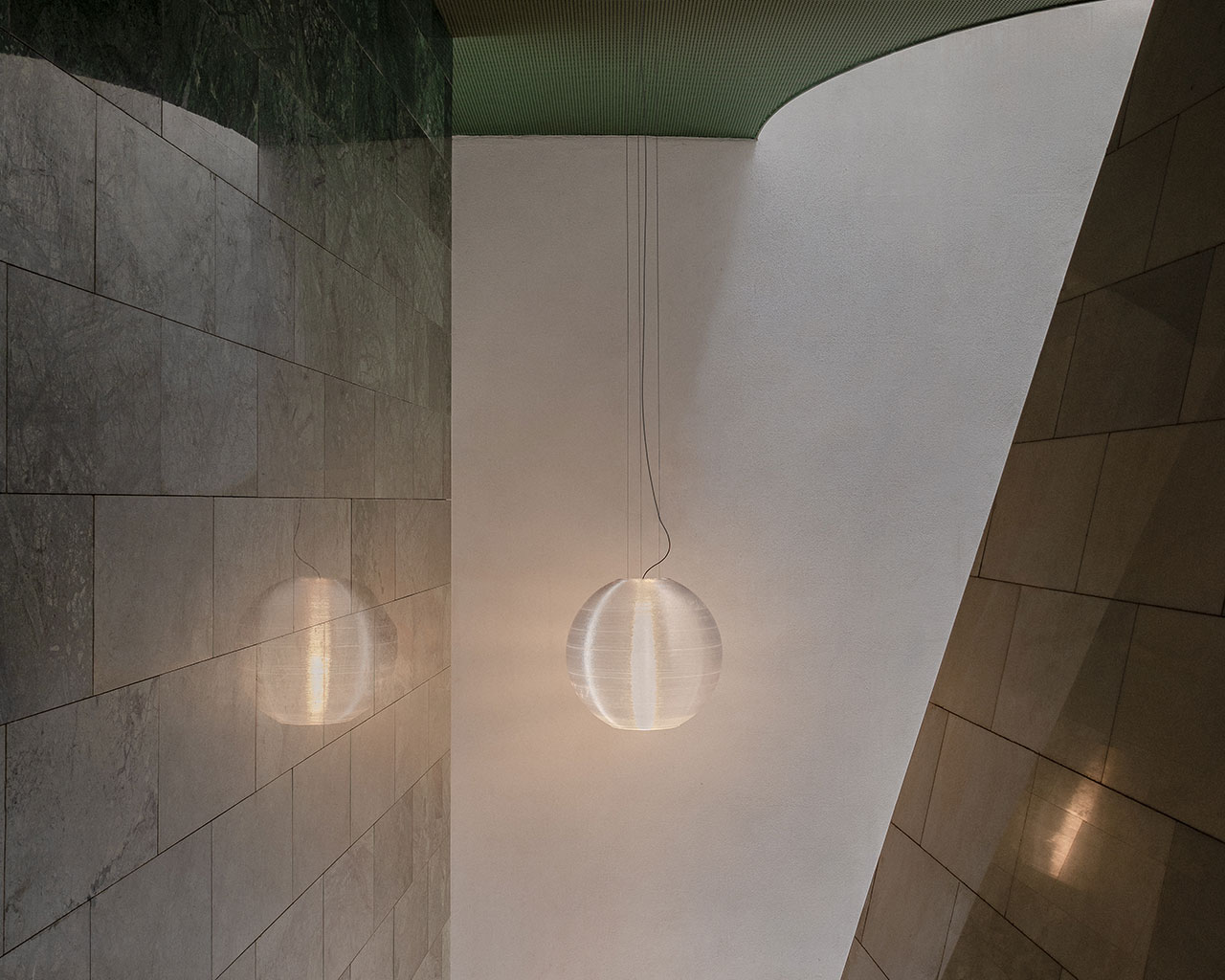
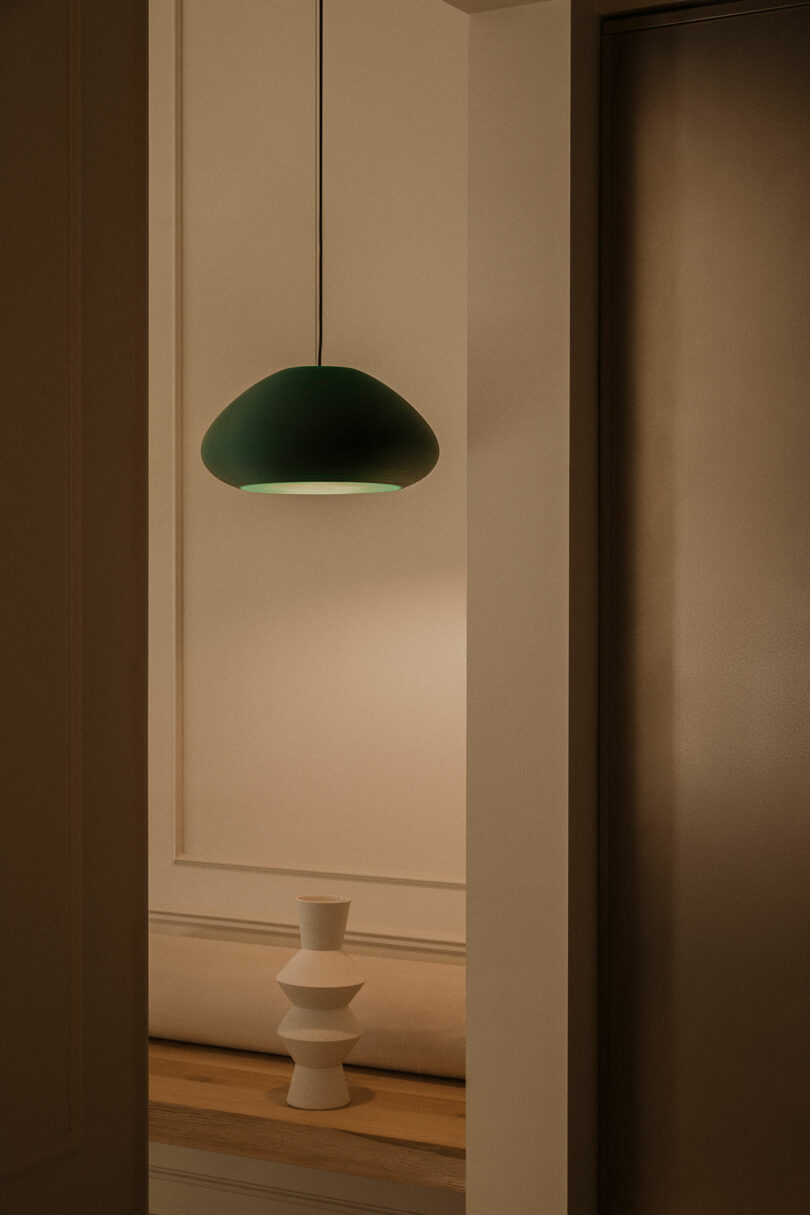
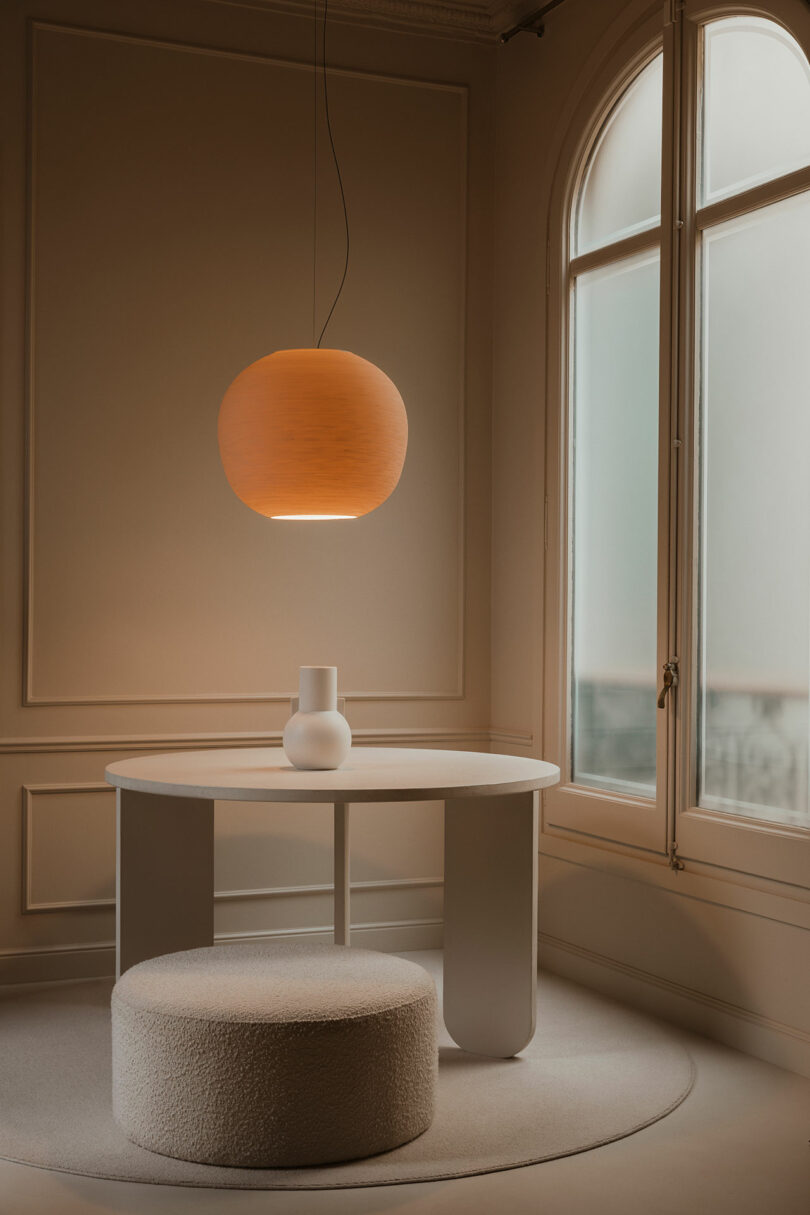
Beyond the revolutionary materials and manufacturing processes, the aesthetic of "Tierra, Mar, y Aire" is a deliberate reflection of the structures found in nature. The collection features forms that evoke hive structures, bubble-like volumes, and subtle marine references. These design choices are not merely decorative; they are deeply intentional, leveraging biophilic design principles that suggest humans have an innate tendency to connect with nature. By incorporating natural forms, textures, and patterns, the collection aims to create interior environments that are more calming, engaging, and emotionally resonant.
The familiarity of these shapes—the intricate geometry of a beehive, the organic fluidity of water bubbles, the subtle undulations reminiscent of underwater flora—ignites emotional bonds within our synapses. Millions of years of evolution have perfected the designs we observe in the natural world, imbuing them with inherent efficiency, beauty, and resilience. As we look to our natural environment, we observe a perfect balance, where waste is virtually non-existent, and flora and fauna exist in a dynamic, self-sustaining harmony. The challenge for human designers, Serrano posits, is to embody these characteristics and translate them into tangible products within the constraints of our modern industrial capabilities. The collection’s aesthetic serves as a constant reminder of this ideal, creating pieces that are not just functional but also serve as a visual and tactile connection to the ecological principles they represent. This integration of natural aesthetics with sustainable practices ensures that the lighting fixtures are not only environmentally responsible but also contribute positively to the well-being of those who interact with them, fostering a deeper appreciation for the beauty and wisdom of the natural world.
Faro Barcelona’s Vision: A Commitment to Sustainable Futures
Faro Barcelona, as the presenter of "Tierra, Mar, y Aire," reinforces its position as a forward-thinking leader in the lighting industry, demonstrating a profound commitment to innovation and sustainability. Their collaboration with Héctor Serrano on this collection is a strategic alignment with their broader corporate vision to integrate ecological responsibility into their product development and business practices. Faro Barcelona has consistently shown an interest in exploring new materials and production techniques that minimise environmental impact while maintaining high standards of design and quality.
By investing in and championing projects like "Tierra, Mar, y Aire," Faro Barcelona sends a clear message to the market and to its peers: sustainable design is not a niche pursuit but a fundamental imperative for the future. This move is indicative of a growing trend among established brands to not only offer "green" products but to embed sustainability deeply into their core operations and design philosophy. Such partnerships are crucial for bringing innovative, environmentally conscious solutions to a wider audience, leveraging the brand’s reach and distribution capabilities. Faro Barcelona’s involvement helps to validate and scale the concepts of digital craftsmanship and circular materiality, transforming them from theoretical ideals into commercially viable and aesthetically appealing products for residential and commercial spaces. This commitment positions Faro Barcelona not just as a manufacturer of lighting, but as a proponent of a more responsible and harmonious future for industrial design.
Implications for the Design Industry and Consumers
The launch of "Tierra, Mar, y Aire" carries significant implications for both the design industry and the broader consumer market. For designers and manufacturers, this collection sets a new benchmark for what is achievable when sustainability is prioritised at every stage of product development. It demonstrates that aesthetic excellence, functional integrity, and ecological responsibility are not mutually exclusive but can be synergistically combined to create superior products. This initiative will likely inspire other companies to re-evaluate their material sourcing, manufacturing processes, and end-of-life strategies, accelerating the industry’s transition towards more circular models. The emphasis on 3D printing also highlights the potential for greater supply chain resilience, allowing for more localised production and reducing reliance on complex global logistics, a vulnerability exposed during recent global disruptions.
For consumers, "Tierra, Mar, y Aire" represents a tangible shift in what constitutes value in a product. Beyond mere aesthetics or utility, consumers are increasingly seeking products that align with their ethical values and environmental concerns. This collection offers transparency in its material origins and manufacturing, empowering consumers to make informed choices that support sustainable practices. As the market for eco-conscious products expands, collections like this help to educate and shape consumer expectations, fostering a greater demand for truly circular and responsibly produced goods. The shift away from a "throwaway culture" towards one that values longevity, repairability, and the regenerative potential of materials is not just an industry trend but a societal imperative. Héctor Serrano, through "Tierra, Mar, y Aire," paints a compelling vision of the future—one where harmony in process and practice is not an aspiration but an achievable reality, ensuring that design continues to enrich lives without depleting the planet.
About the Collaborators
Héctor Serrano is an acclaimed designer known for his innovative approach to product design, frequently exploring the intersection of technology, sustainability, and human interaction. His work consistently challenges conventional manufacturing paradigms, advocating for more responsible and efficient design solutions. "Tierra, Mar, y Aire" is a testament to his dedication to pushing the boundaries of what is possible in sustainable product development.
Faro Barcelona is a leading Spanish lighting manufacturer with a rich history of producing high-quality and contemporary lighting solutions. The company is recognised for its commitment to design, innovation, and increasingly, sustainability, collaborating with prominent designers to bring cutting-edge and environmentally conscious products to market.
To learn more about Tierra, Mar, y Aire by Héctor Serrano for Faro Barcelona, visit hectorserrano.com.
Photography by Javier Márquez.







