rifanmuazin
Understanding the intricacies of TikTok’s dynamic ecosystem, particularly when to deploy content for maximum impact, is a strategic imperative for content creators and small business owners navigating the platform. While the allure of endless scrolling offers constant entertainment, the science behind pinpointing the most effective posting times is a nuanced endeavor, crucial for ensuring diligently crafted content reaches its widest potential audience.
A recent comprehensive analysis by Buffer, a leading social media management platform, delved into an extensive dataset of over 7.1 million TikTok posts – encompassing videos, carousels, photos, and text – to unearth discernible patterns in engagement. This deep dive, conducted by Buffer’s data scientist Julian Winternheimer, meticulously examined the median engagement rates across various posting times, revealing key insights into audience behavior and algorithmic preferences. The findings are poised to equip creators with data-driven strategies to elevate their content’s visibility and cultivate stronger online communities.
The Algorithmic Imperative: Why Timing is Paramount on TikTok
The significance of posting time on TikTok is inextricably linked to the platform’s sophisticated algorithm. Unlike traditional broadcast models, TikTok employs an initial "test group" approach. When a video is published, it is first shown to a small, diverse segment of users. The algorithm closely monitors their immediate reactions: watch-through rates, likes, shares, comments, and re-watches. If this initial cohort demonstrates strong engagement, it signals to the algorithm that the content is compelling, prompting its wider distribution onto the coveted For You Page (FYP) of a broader audience. Conversely, a lack of initial engagement can lead to a video being quickly sidelined, effectively "buried" before it gains traction.
This mechanism underscores the critical role of timing. Posting when a larger segment of the target audience is actively browsing the app increases the probability of hitting that crucial initial engagement threshold. It ensures that the content, even if exceptionally well-produced, isn’t released into a digital void but rather into a receptive environment where it has the best chance to resonate and trigger algorithmic promotion. While content quality remains the foundational element for viral success, optimal timing acts as a powerful accelerant, giving good content the necessary initial boost to break through the noise.
Key Findings: Unveiling the Peak Engagement Windows
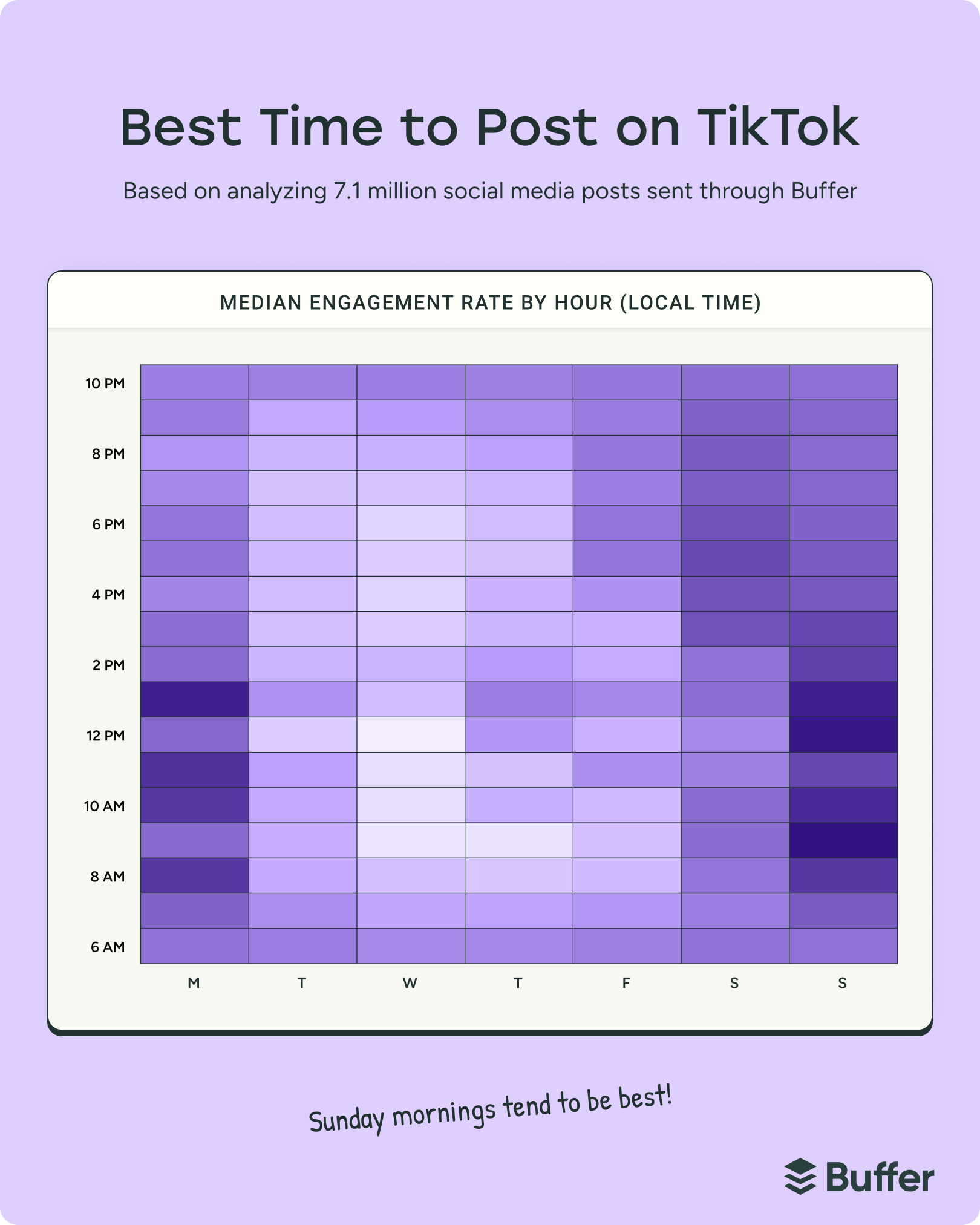
Buffer’s extensive analysis, designed to be universally applicable across time zones, identified several standout periods for TikTok engagement in 2026. The study’s heatmap visualizations distinctly illustrate these patterns, with darker blocks indicating higher engagement.
Overall Best Times and Days:
The data unequivocally points to Sunday at 9 a.m. as the single most effective time to post throughout the entire week, yielding the highest median engagement rates. This is closely followed by Monday at 1 p.m. and Sunday at 1 p.m.
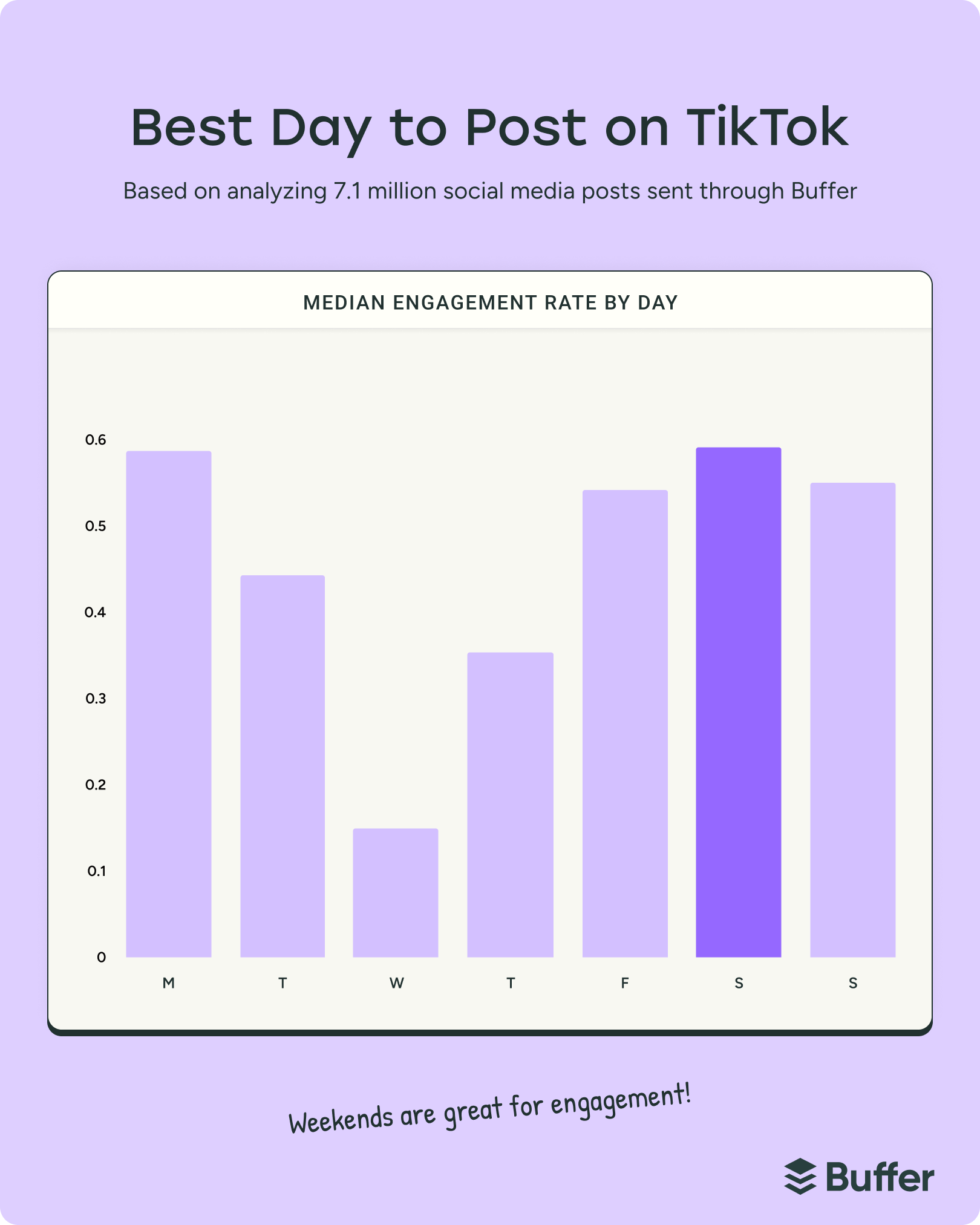
When considering entire days, Saturday emerged as the strongest day of the week for TikTok engagement across all content types. This is a notable deviation from trends observed on many other social media platforms, where weekend engagement often sees a decline. Monday secured the second spot, with Sunday following closely behind. Conversely, Wednesday and Thursday generally exhibited lower engagement levels, suggesting these might be less optimal days for critical content releases.
General Trends and Demographic Insights:
A broader observation from the study is the tendency for views to surge during evening hours, specifically between 6 p.m. and 11 p.m. Conversely, afternoon slots (12 p.m. to 5 p.m.) generally recorded lower engagement across most days.
This distinct pattern, particularly the strong weekend performance, offers a window into TikTok’s unique user demographic. With a significant portion of its global user base falling within the 18-24 age bracket, as highlighted by statistics from platforms like Statista, TikTok users often maintain less rigid schedules compared to professional network users. This demographic flexibility allows for more active engagement during non-traditional hours, such as weekends and late evenings, which contrasts sharply with the weekday peaks often seen on platforms like LinkedIn or even Instagram, where professional and daytime usage is more prevalent. This youth-centric usage pattern is a critical factor for creators to consider when tailoring their content release strategies.
Daily Breakdown of Optimal Posting Times:
- Monday: The best time to post on Monday is 1 p.m. This day consistently ranks among the strongest for overall engagement, making it a prime candidate for high-priority content. Secondary strong times include 11 a.m. and 8 a.m.
- Tuesday: On Tuesday, the optimal window shifts to 6 a.m., capturing early morning risers. Other high-performing times are 10 p.m. and 7 a.m.
- Wednesday: Wednesday generally presents a quieter landscape for engagement. The best time identified is 10 p.m., followed by 6 a.m. and 9 p.m. Creators might consider this a day for less critical or experimental content, given the overall lower engagement.
- Thursday: Similar to Wednesday, Thursday typically sees lower engagement. The peak time is 1 p.m., with 10 p.m. and 6 a.m. also showing some activity.
- Friday: As the week draws to a close, Friday engagement picks up, with the best time at 6 p.m. Other robust slots are 10 p.m. and 8 p.m., aligning with the start of weekend leisure time.
- Saturday: Saturday is a powerhouse day for TikTok. The best time to post is 5 p.m., followed closely by 4 p.m. and 3 p.m. This concentrated afternoon-to-evening window makes Saturday an ideal day for scheduling content that aims for broad reach.
- Sunday: The week culminates with Sunday offering the single best posting time: 9 a.m. This early morning slot provides unparalleled engagement potential. Additional strong times include 1 p.m. and 12 p.m., reinforcing the weekend’s importance for TikTok visibility.
Strategic Implications for Content Creators and Businesses
These data-backed insights offer a robust framework for creators and businesses to refine their TikTok content strategies. Understanding these peak times allows for more deliberate scheduling, moving beyond guesswork to a data-informed approach.
- Optimized Content Distribution: By aligning content releases with peak activity, creators can significantly improve their chances of initial algorithmic favor, leading to greater FYP exposure, increased views, and ultimately, accelerated follower growth and brand recognition.
- Efficient Resource Allocation: For businesses with limited resources, knowing the most impactful times can help prioritize content creation and scheduling, ensuring maximum return on investment for their efforts. Instead of posting randomly, they can focus their energy on creating high-quality content for the most opportune moments.
- Audience Understanding: The distinct weekend and evening peaks highlight the importance of understanding target audience lifestyles. Brands targeting younger demographics can tailor their messaging and content style to resonate with these leisure-time consumption patterns.
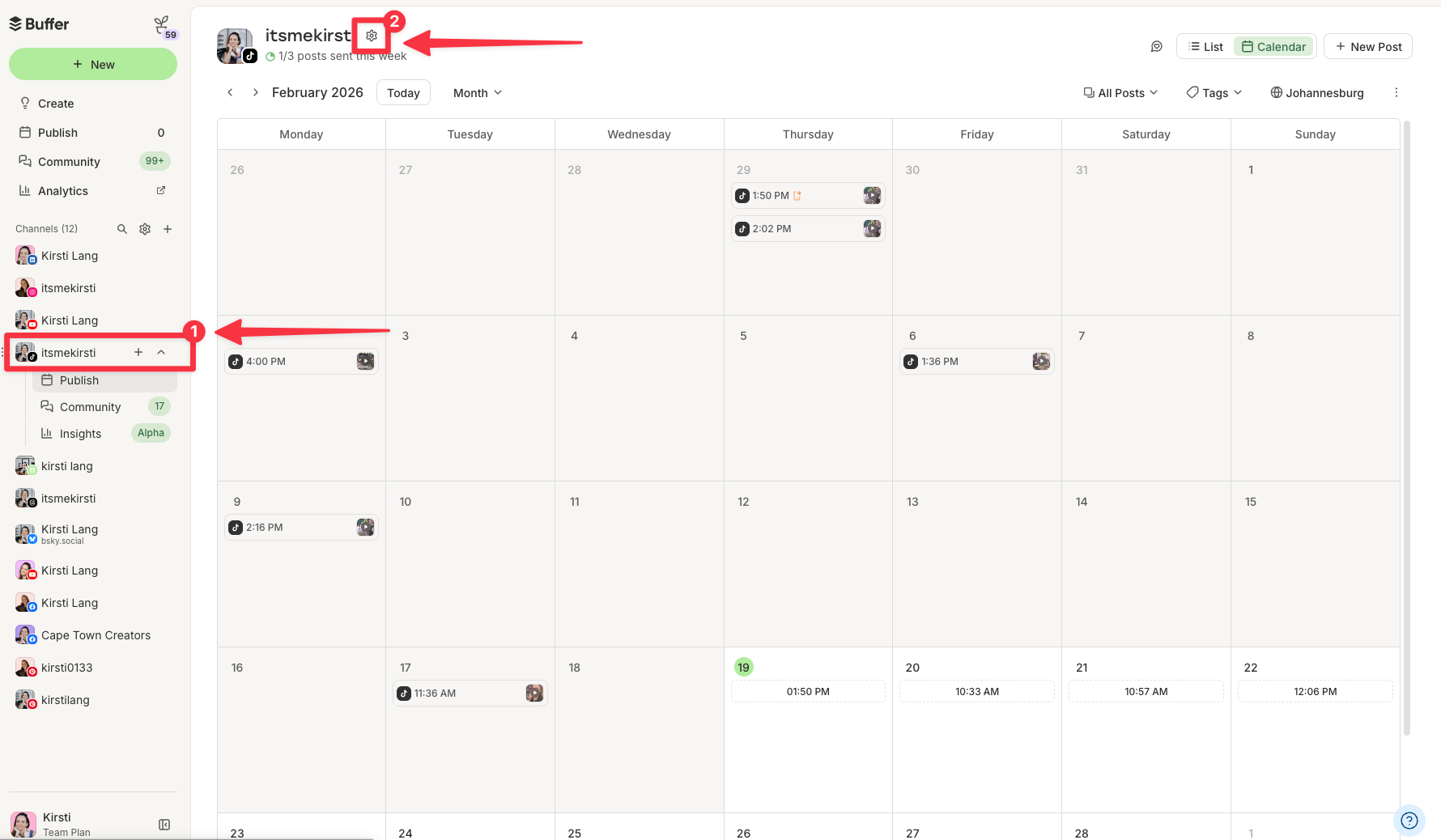
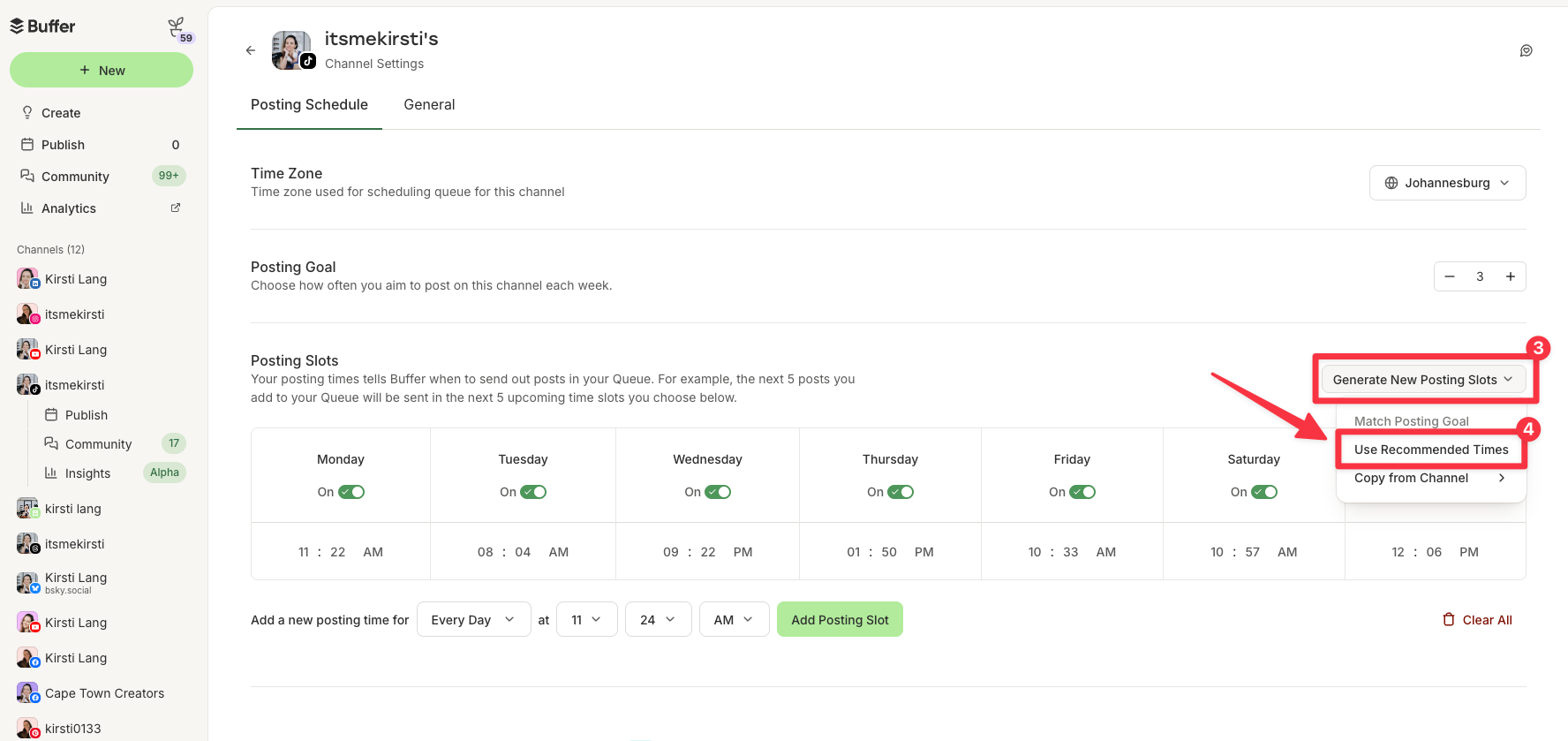
- Leveraging Scheduling Tools: The practical application of these findings is greatly facilitated by social media scheduling tools like Buffer. These platforms allow creators to pre-schedule content for precise release times, even those outside of typical working hours, ensuring consistent presence without constant manual intervention. This is particularly valuable for capturing early morning or late-night peaks, or for creators operating in different time zones than their primary audience.
Beyond the General: Finding Your Niche Optimal Times
While Buffer’s aggregated data provides an invaluable starting point, the ultimate "best time" is often audience-specific. TikTok itself offers built-in analytics that empower creators to fine-tune their strategies.
Steps to Discover Your Personal Best Times:
- Access TikTok Analytics: Creators can navigate to their TikTok account’s "Creator Tools" or "Business Suite" and then to the "Analytics" section. Within analytics, the "Followers" tab provides a retrospective overview of when an account’s specific followers have been most active on the app over the past seven days.
- Identify Follower Activity Patterns: Carefully observe the spikes in activity within your follower analytics. Are there consistent peaks on specific days or during particular hours? This data is crucial because it reflects the behavior of your existing audience, which often mirrors the broader demographic you aim to attract.
- Integrate General Trends with Personal Data: Cross-reference your personal follower activity data with Buffer’s general findings. If your audience is highly active at 9 a.m. on Sunday, and Buffer’s data confirms this as a peak, you have a strong validated window. If your audience shows a unique peak at a different time, prioritize that.
- Strategic Scheduling and Experimentation: Based on these insights, begin scheduling posts slightly before your identified peak activity times. This allows the algorithm to pick up initial engagement as your audience begins to come online. Social media management tools facilitate this experimentation by allowing A/B testing of different posting times with similar content.
- Continuous Performance Analysis: After implementing a new schedule for several weeks, return to TikTok Analytics. Examine key metrics such as views, average watch time, total play time, and follower growth for each post. This iterative process of posting, analyzing, and adjusting is fundamental for sustained success on TikTok. The platform’s trends and algorithm are constantly evolving, necessitating ongoing adaptation of content and scheduling strategies.
The Role of Sustainable Content Creation
It’s crucial to balance the pursuit of optimal timing with a sustainable content creation workflow. Burnout is a significant challenge for creators. While consistency is vital, attempting to post every day at every peak time can be overwhelming. Creating a well-structured social media calendar allows for planned content batching and scheduling, reducing stress and ensuring content quality isn’t compromised by rushed production. Tools that offer notification-based posting for TikTok can further streamline the process, allowing creators to add trending audio or native effects at the last minute while still adhering to a pre-set schedule.
Broader Impact and Future Outlook
The insights from Buffer’s analysis underscore a broader shift in digital consumption patterns, particularly among younger demographics. The blurring lines between weekdays and weekends, and the prevalence of mobile-first content consumption, demand a flexible and data-driven approach from marketers. As TikTok continues to evolve, these granular data analyses will remain indispensable for creators aiming to cut through the noise, foster genuine engagement, and convert viewers into loyal followers or customers. The emphasis is no longer solely on what to post, but increasingly on when and how to post it for maximum algorithmic advantage and audience resonance.
In an increasingly competitive digital landscape, leveraging such precise data offers a significant strategic advantage. It transforms the act of posting from a hopeful guess into a calculated move, propelling content onto the global For You Pages and solidifying a brand’s presence on one of the world’s most influential social platforms.