Reynand Holland
The journey of parenthood, while filled with immeasurable joy, is undeniably accompanied by a significant environmental and health challenge: the sheer volume of waste generated by infant care. Babies, in their rapid growth and development, rely on a constant supply of diapers, a necessity that has become a major contributor to landfill overflow and raises concerns about the chemical composition of these everyday products. An average baby will utilize approximately 6,000 diapers within their first two years of life. While reusable cloth diapers have long been presented as an eco-friendly alternative, their practical application often proves challenging for modern, busy families who prioritize convenience. This reality has cemented the dominance of traditional single-use disposable diapers in the market, a convenience that comes at a considerable environmental and potential health cost.
Beyond the sheer volume of waste, traditional disposable diapers present a multifaceted concern. Their construction often involves a complex array of materials, including plastics and synthetic fibers, alongside chemicals used for absorption and fragrance. The lack of comprehensive regulation regarding the ingredients in disposable diapers exacerbates these worries. Unlike menstrual products, for instance, baby diapers are not subject to stringent ingredient disclosure requirements by regulatory bodies such as the Consumer Product Safety Commission. Currently, the primary safety mandate for diapers is testing for lead content. This limited oversight means that a host of other potentially harmful substances, including carcinogens and endocrine-disrupting chemicals (EDCs), may go unchecked.
The potential health implications associated with these chemicals are a growing area of concern among health professionals and parents alike. Studies have linked exposure to certain chemicals found in disposable diapers to a range of adverse health outcomes, including endocrine and reproductive disorders, acute skin rashes, and even a potential increased risk of testicular cancer later in life. The presence of fragrances in diapers, a common feature aimed at masking odors, is particularly scrutinized, as these can be a source of irritants and allergens.
The disposal of these used diapers adds another layer to the environmental burden. Each week, countless plastic-laden diapers are collected with municipal trash, contributing to the ever-growing volume of waste destined for landfills. These landfills not only occupy valuable land but also pose risks of soil and groundwater contamination as the diapers slowly decompose, releasing microplastics and other potentially harmful substances into the environment.
The genesis of Dyper, a company dedicated to rethinking the diaper industry, can be traced back to this very observation. Tony Patron, the founder of REDYPER™ and co-founder of Dyper, experienced firsthand the overwhelming sight of overflowing trash bins laden with plastic diapers. This personal realization, coupled with his background as an engineer, ignited a drive to find a more sustainable and healthier alternative for parents and their children. The initial vision was to collaborate with existing manufacturers of compostable diapers, but this evolved into a more ambitious undertaking: the creation of Dyper, a company committed to innovating safe, high-performance, and non-toxic diaper solutions.
The Evolution of Dyper: From a Problem to a Solution
The journey of Dyper began with a clear objective: to address the significant waste and potential health hazards associated with conventional diapers. Tony Patron, alongside his business partner, recognized the urgent need for a product that could meet the demands of modern parenting without compromising on environmental responsibility or infant well-being. This realization marked the inception of a company that would strive to redefine the diaper industry.

The initial exploration into the market revealed a gap for diapers that were not only effective but also consciously designed with biodegradable materials and a reduced chemical footprint. Patron’s engineering acumen proved invaluable in navigating the complexities of material science and manufacturing processes. The company’s pivotal moment arrived through a strategic merger, solidifying its commitment to producing non-toxic, biodegradable diapers that aimed to mitigate both household and environmental waste. This union of vision and expertise laid the groundwork for what Dyper is today: a leader in sustainable diaper solutions.
Dyper’s Commitment to Sustainability and Safety
Dyper’s product development philosophy is centered on a rigorous approach to material selection and transparency. The company’s product team diligently works to ensure that nearly all components of their diapers are biodegradable. While acknowledging that certain technological limitations currently prevent complete biodegradability in all aspects, such as the fastening mechanisms (like velcro), Dyper strives for maximum environmental responsibility.
"Our goal is to provide a diaper that performs equally to any other diaper on the market in terms of absorbency, fit, and comfort, and ensuring that we don’t have any skin irritation," states Tony Patron, emphasizing the brand’s dedication to a holistic approach. This commitment extends to the core materials used in their diapers, which are primarily derived from plant-based sources.
Key among these materials are FSC-certified bamboo and eucalyptus fibers, sourced responsibly and grown in the United States. The viscose bamboo used in Dyper products comes from an Oeko-Tex certified supplier, signifying adherence to strict environmental and social standards. In a move to foster complete transparency with environmentally conscious parents, Dyper meticulously labels each layer of their diapers with its specific components. This detailed information allows consumers to make informed decisions about the products they are using for their children.
Dyper’s commitment to sustainability is further underscored by its certifications. Their diaper products are Certified USDA BioPreferred, with the diapers themselves meeting a 55% biobased content threshold and their accompanying wipes boasting an impressive 95% biobased content. Furthermore, the diaper products adhere to Oeko-Tex standards, ensuring they are free from harmful substances. Adding to their credentials, Dyper recently achieved the DermaTest 5-Star Certification. This prestigious accreditation is a testament to the diapers’ hypoallergenic properties, guaranteeing they are unlikely to cause any skin reactions, a critical consideration for infants with sensitive skin.
Beyond material sourcing and certifications, Dyper employs rigorous third-party laboratory testing to validate the non-toxic and compostable claims of their products. This multi-pronged approach to safety and sustainability ensures that parents can trust the integrity of the diapers they choose for their babies.
The "Plants Over Plastic" Philosophy: A Healthier Choice for Babies and the Planet
The guiding principle behind Dyper’s mission is a powerful and succinct slogan: "plants over plastic for happy babies." This philosophy translates into a tangible product that prioritizes natural, plant-based materials over conventional plastics and harmful chemical additives. By consciously avoiding phthalates, latex, parabens, and other common irritants found in many supermarket diapers, Dyper offers a gentler alternative for a baby’s delicate skin. The natural fibers not only reduce the risk of skin irritation but also ensure that the materials used are responsibly sourced, aligning with a broader commitment to environmental stewardship.
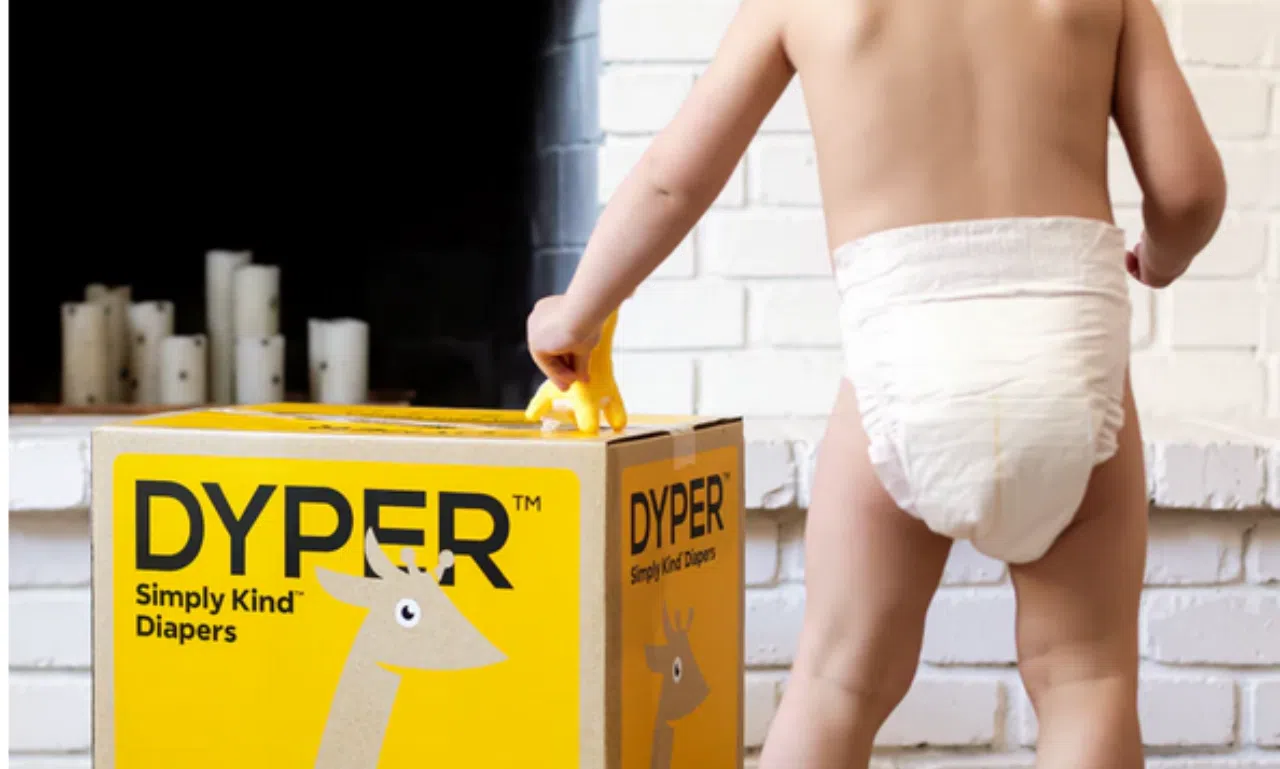
The benefits of Dyper’s approach extend beyond skin health. The diapers are engineered for high performance, effectively preventing leaks and minimizing the occurrence of diaper rash, thus contributing to a baby’s overall comfort and well-being. This focus on functionality ensures that parents do not have to compromise on the essential performance aspects of a diaper when opting for a more sustainable choice.
A standout feature of Dyper’s commitment to a circular economy is their optional REDYPER program. This innovative service, available in select regions, provides a convenient solution for the disposal of used diapers and wipes. Through partnerships with regional composting facilities, the REDYPER program facilitates the composting of materials that can break down within a 14- to 16-week timeframe. Materials that are not suitable for composting are carefully removed and disposed of through alternative means, ensuring a more responsible waste management process. To date, the REDYPER program has successfully diverted over 14 million pounds of waste from landfills, demonstrating a significant positive impact on waste reduction efforts.
Dyper’s "plants over plastic" philosophy is also evident in their packaging. The company actively seeks out and utilizes sustainable materials wherever possible to minimize its environmental footprint throughout the entire product lifecycle. This holistic approach to sustainability, encompassing product composition, disposal solutions, and packaging, positions Dyper as a truly comprehensive provider of eco-conscious baby care.
Making Sustainable Diapering Accessible
Dyper recognizes that convenience is a paramount concern for parents. To this end, the company offers flexible purchasing options, including convenient subscriptions and one-time purchases, available in a wide range of sizes to accommodate babies as they grow. For parents in areas where the REDYPER service is available, Dyper provides a weekly or bi-weekly pickup service for used diapers and wipes, further simplifying the process of responsible disposal.
The brand’s partnership with regional composting facilities is a critical component of the REDYPER program. These facilities are equipped to process the compostable materials, breaking them down into nutrient-rich compost. The remaining non-compostable components are then separated and managed through appropriate disposal channels, ensuring that the environmental impact is minimized. The impressive milestone of diverting over 14 million pounds of waste from landfills highlights the tangible success of this program and Dyper’s dedication to a more sustainable future.
By choosing Dyper, parents are not merely selecting a high-performing diaper; they are making a conscious decision to support a company that champions sustainability, transparency, and superior baby care. The brand’s commitment to providing safe, effective, and environmentally responsible products empowers parents to nurture their children while simultaneously contributing to a healthier planet. This integration of parental needs with ecological responsibility represents a significant advancement in the baby care industry, offering a viable and accessible path towards a more sustainable future for generations to come. The ongoing innovation and expansion of their services, particularly the REDYPER program, signal Dyper’s intent to remain at the forefront of eco-friendly diapering solutions, continuously seeking ways to reduce waste and promote healthier alternatives.