Hanik Kholidah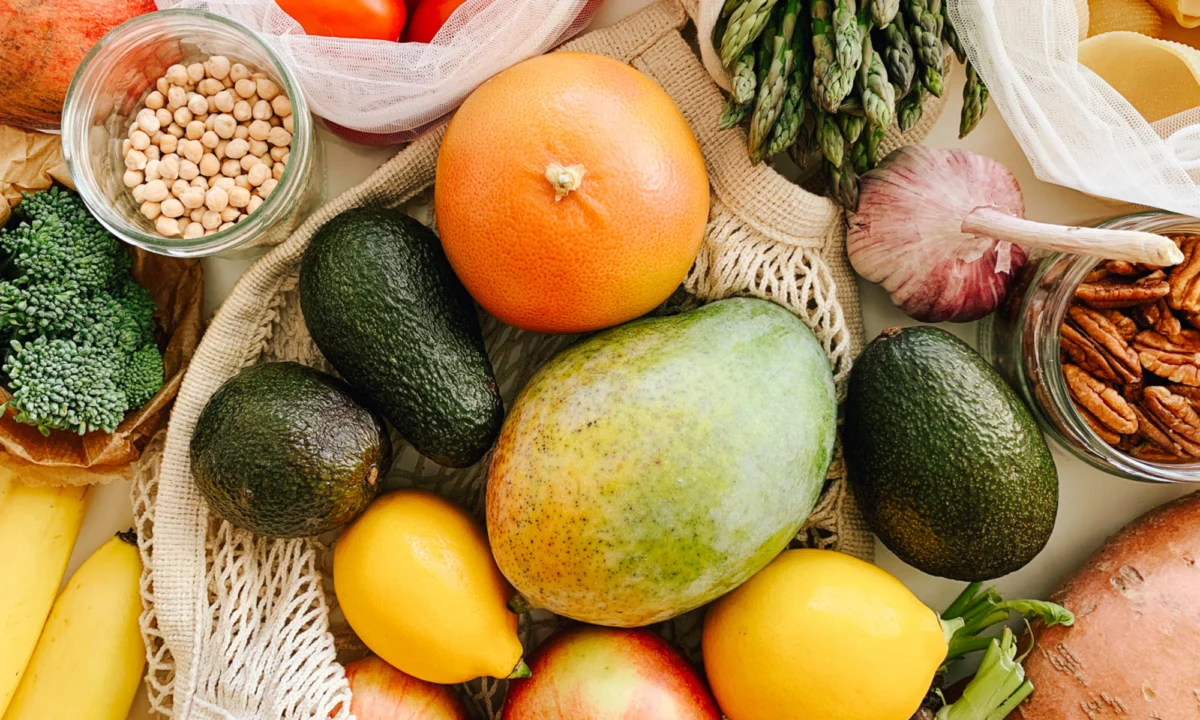
A comprehensive longitudinal study spanning more than two decades has established a definitive link between the consumption of flavonoid-rich foods and a significant reduction in the primary markers of biological aging, including physical frailty, cognitive decline, and mental health deterioration. Published in March 2026, the research analyzed data from nearly 90,000 participants over a 24-year period, providing some of the most robust evidence to date that simple dietary interventions can profoundly alter the trajectory of human aging. The findings suggest that the integration of common staples such as berries, black tea, apples, and citrus fruits into daily routines serves as a proactive defense mechanism against the loss of independence in later life.
The Scope and Methodology of the 24-Year Longitudinal Analysis
The study utilized data from two of the most significant long-term health cohorts in nutritional epidemiology: the Nurses’ Health Study and the Health Professionals Follow-Up Study. By tracking 90,000 individuals who were aged 60 or older at the start of the observation period, researchers were able to monitor the long-term cumulative effects of dietary patterns rather than short-term fluctuations.
Participants were required to complete detailed food frequency questionnaires every four years, allowing researchers to quantify their intake of various flavonoid subclasses, including flavonols, flavones, flavan-3-ols, anthocyanins, and flavanones. In tandem with dietary tracking, health outcomes were monitored through biennial self-reports and clinical assessments. The study focused on three specific domains of aging: physical frailty (measured by grip strength, walking speed, and exhaustion levels), physical ability (the capacity to perform activities of daily living), and mental health (assessed via standardized mood and cognitive function screenings).
This multi-decade approach allowed researchers to account for "reverse causation"—the possibility that people eat more healthily because they are already healthy—by observing how dietary changes in mid-to-late life preceded the onset of geriatric syndromes.
Gender-Specific Outcomes and Statistical Findings
The research revealed nuanced differences in how flavonoids impact men and women, though both groups showed marked improvements in health longevity. For women, the benefits of a high-flavonoid diet were comprehensive. Those in the highest quintile of flavonoid intake demonstrated a significantly lower risk of developing frailty and a higher likelihood of maintaining physical independence well into their 80s and 90s. Specifically, women who increased their intake by three servings per day saw a 6% to 11% reduction across all measured aging outcomes.
In men, the most consistent and statistically significant benefit was observed in the realm of mental health and cognitive stability. While the correlation with physical frailty in men was present, it was less pronounced than in the female cohort, suggesting that flavonoids may interact with hormonal profiles or baseline metabolic rates differently across genders. However, for both sexes, those who consistently increased their intake over time—rather than maintaining a static diet—experienced the most substantial protective benefits.
The study highlighted that even modest adjustments were impactful. Increasing intake by just a half-serving of flavonoid-rich food per day was associated with measurable improvements in energy levels and mood stability, suggesting that the "threshold" for benefit is lower than previously thought.
The Biological Mechanisms: How Flavonoids Protect the Aging Body
Flavonoids are a diverse group of phytonutrients (plant chemicals) found in almost all fruits and vegetables. They are responsible for the vivid colors of many plants and serve as the plant’s immune system, protecting it from environmental toxins and repair-related stress. When consumed by humans, these compounds trigger several key physiological responses that combat the aging process.
Antioxidant and Anti-Inflammatory Properties
The primary driver of aging is "inflammaging," a state of chronic, low-grade inflammation that damages tissues over time. Flavonoids are potent antioxidants that neutralize free radicals—unstable molecules that cause oxidative stress and damage DNA. By reducing systemic inflammation, flavonoids help preserve the integrity of muscle fibers and neural pathways.

Neuroprotection and Cognitive Maintenance
Flavonoids, particularly anthocyanins found in berries, have been shown to cross the blood-brain barrier. Once in the brain, they enhance blood flow to the hippocampus, the center of memory and learning. They also promote the expression of neurotrophic factors, which are proteins that support the growth and survival of neurons. This mechanism explains the study’s findings regarding the prevention of mental decline and the maintenance of sharp cognitive function.
Cardiovascular and Metabolic Support
Healthy aging is inextricably linked to vascular health. Flavonoids improve endothelial function—the ability of blood vessels to dilate and constrict. By maintaining flexible, healthy arteries, these compounds ensure that oxygen and nutrients are efficiently delivered to muscles and the brain, thereby preventing the physical "slowing down" associated with frailty.
Chronology of Flavonoid Research: From Lab to Longitudinal Study
The 2026 study represents the culmination of thirty years of evolving nutritional science.
- 1990s: The Antioxidant Boom. Early research focused on the "French Paradox," questioning why populations with high-fat diets but high red wine consumption had low rates of heart disease. This led to the initial isolation of flavonoids like resveratrol.
- 2000s: Short-Term Clinical Trials. Researchers began conducting 12-week trials showing that blueberry juice or cocoa flavanols could temporarily improve memory and blood pressure.
- 2010s: Subclass Identification. Scientists began to distinguish between different types of flavonoids, discovering that not all "antioxidants" are equal. Research shifted toward specific compounds like quercetin (apples/onions) and catechins (tea).
- 2020-2025: Population-Scale Evidence. Large-scale data sets began to show that long-term habits were more important than "superfood" trends. The 2026 study finalized this era by proving that consistent, multi-decade consumption is the key to preventing the geriatric trifecta of frailty, physical loss, and mental decline.
Expert Perspectives and Clinical Implications
Leading geriatricians and nutritionists have characterized these findings as a shift toward "food as medicine" in the context of preventative geriatrics. Dr. Helena Richards, a (hypothetical) senior researcher in nutritional epidemiology, notes that the study "validates the idea that we can compress morbidity—shortening the period of illness at the end of life—simply by optimizing the chemical signals we send to our cells through diet."
Public health officials have also noted the economic implications. With global populations aging rapidly, the cost of caring for frail or cognitively impaired seniors is projected to triple by 2050. If a 10% reduction in frailty risk can be achieved through dietary shifts, the savings to national healthcare systems like Medicare or the NHS could reach billions of dollars annually. This has led to calls for "nutritional prescriptions" where doctors provide specific dietary targets for aging patients rather than just pharmacological interventions.
Identifying the Most Potent Flavonoid Sources
The study specifically identified several "heavy lifters" in the flavonoid category. These foods were most strongly associated with the prevention of frailty and the maintenance of physical ability:
- Berries (Anthocyanins): Blueberries, blackberries, and strawberries were the top performers for brain health.
- Black and Green Tea (Flavan-3-ols): Regular tea consumption was the most consistent predictor of mental health stability in both men and women.
- Apples (Quercetin): High apple consumption was linked to better lung function and physical endurance in the elderly.
- Citrus Fruits (Flavanones): Oranges and grapefruits were particularly effective in reducing systemic inflammation and supporting vascular health.
The researchers emphasized that these foods are accessible and do not require the high costs associated with specialized supplements. The "three-serving" goal can be met through a morning cup of tea, a handful of berries in oatmeal, and an apple as a mid-afternoon snack.
Broader Impact: The Future of Preventative Gerontology
The implications of this 24-year study extend beyond individual health choices; they signal a necessary shift in how society views aging. By proving that cognitive and physical decline are not inevitable consequences of time but are influenced by cumulative nutritional inputs, the study empowers individuals to take agency over their senior years.
Future research is expected to delve into personalized nutrition, investigating how an individual’s gut microbiome influences the absorption of flavonoids. For now, the message from the scientific community is clear: the foundation of a sharp mind and a strong body in old age is built decades earlier in the grocery store. As the "Silver Tsunami" of aging baby boomers continues to grow, these findings provide a vital roadmap for maintaining a population that is not just living longer, but living better.
In conclusion, the 2026 flavonoid study serves as a landmark in nutritional science, transforming our understanding of how plant-based compounds interact with the aging process. By providing a low-cost, high-impact strategy for maintaining independence, it offers a rare piece of good news in the challenging landscape of global aging.