
 Ali Ikhwan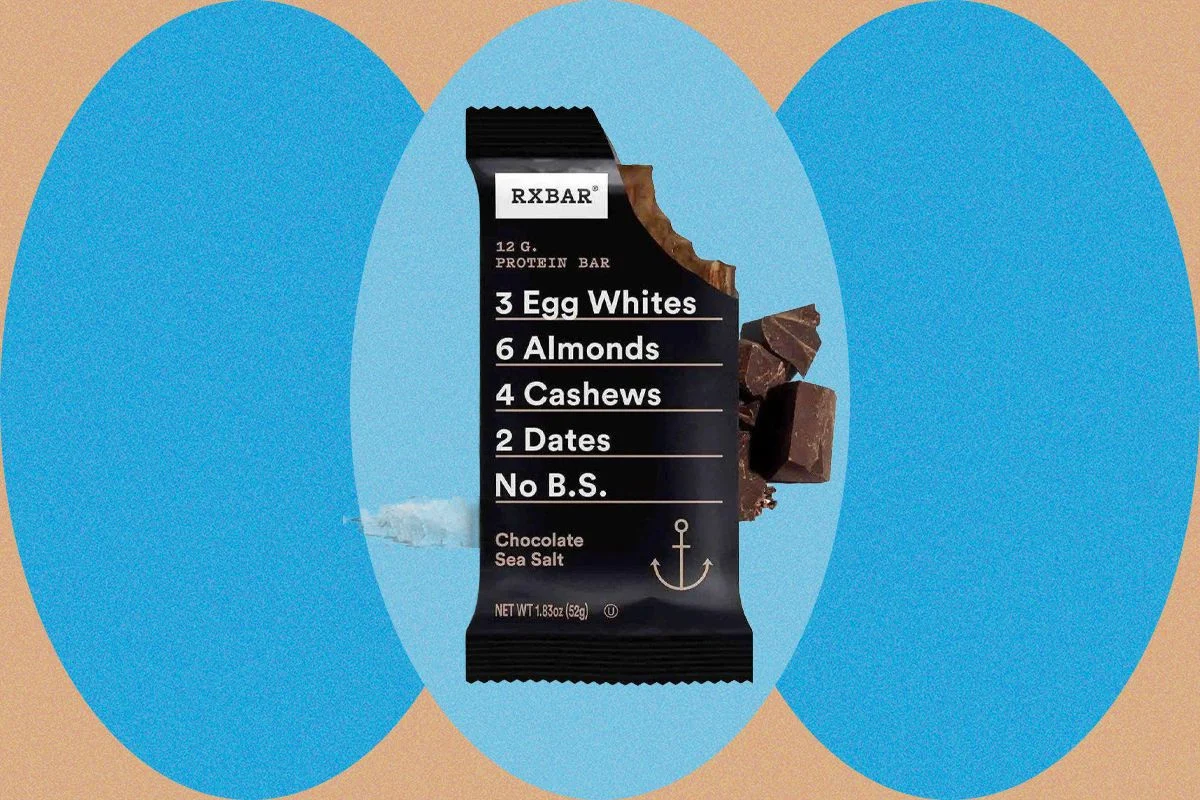
Protein bars have evolved from niche supplements used primarily by bodybuilders into a multi-billion-dollar global industry catering to busy professionals, athletes, and health-conscious families. As of 2026, the market for convenient high-protein snacks continues to expand, yet the gap between marketing claims and nutritional reality remains a point of contention for health experts. Registered dietitians emphasize that while these bars offer a "grab-and-go" solution, they should be categorized strictly as snacks rather than sustainable meal replacements. The most beneficial nutrition comes from whole-food sources—such as lean meats, legumes, and nuts—which provide a complex matrix of fiber, healthy fats, and micronutrients that ultra-processed alternatives often lack.
The Evolution of the Protein Bar Market
The trajectory of the protein bar industry reflects broader shifts in consumer behavior and food technology. In the late 20th century, protein bars were often criticized for their "chalky" texture and heavy reliance on artificial sweeteners and soy isolates. By the early 2010s, brands began pivoting toward "clean label" formulations, emphasizing recognizable ingredients like egg whites, dates, and nuts. This shift was largely pioneered by companies like RxBar, which famously listed its core ingredients on the front of its packaging.
By 2024, the global protein bar market reached an estimated valuation of approximately $5.1 billion, with a projected compound annual growth rate (CAGR) of 6.2% through 2030. This growth is driven by a rising awareness of protein’s role in satiety and muscle maintenance, as well as an increasing demand for vegan and gluten-free options. However, as the market becomes more crowded, regulatory scrutiny regarding labeling accuracy and the use of "natural flavors" has intensified, leading to a new era of consumer skepticism and a demand for higher transparency.
Nutritional Benchmarks for the Modern Consumer
Navigating the protein bar aisle requires an understanding of macronutrient balance and ingredient quality. Health experts, including Jamie Mok, a registered dietitian and spokesperson for the Academy of Nutrition and Dietetics, suggest that a high-quality bar should ideally contain between 10 and 20 grams of protein. The source of this protein—whether grass-fed whey, egg whites, or plant-based blends like pea and brown rice—is as critical as the quantity.
Fiber is another essential metric. A benchmark of 5 grams of fiber per bar is recommended to stabilize blood sugar and support digestive health. Conversely, added sugars should be kept to a minimum, ideally 5 grams or fewer. Many manufacturers circumvent high sugar counts by using sugar alcohols like erythritol or maltitol, which provide sweetness without the caloric load of sucrose but can cause significant gastrointestinal distress in sensitive individuals.
Leading Market Contenders and Performance Analysis
To determine the most effective options currently available, extensive testing has been conducted across various categories, including plant-based, meal replacement, and balanced macro profiles. The following analysis highlights the top performers based on ingredient integrity, nutritional density, and consumer feedback.
RxBar: The Standard for Minimalist Ingredients
The RxBar Classic 12G remains a dominant force in the industry due to its whole-food base. Utilizing a simple combination of egg whites for complete protein, dates for binding and sweetness, and various nuts for healthy fats, the bar avoids the common pitfalls of highly processed isolates. While the texture is notably chewy and "sticky," it appeals to those who prioritize transparency. The brand’s commitment to providing clarity on its "natural flavors" is a rare practice in an industry often criticized for proprietary secrecy. However, the reliance on dates makes these bars less suitable for individuals on strict ketogenic diets due to the natural sugar content.
Aloha: Advancing Plant-Based Nutrition
For the vegan demographic, Aloha Organic Protein Bars have emerged as a frontrunner. These bars utilize a blend of brown rice and pumpkin seed protein to deliver 14 grams of protein per serving. A standout feature of the Aloha line is its high fiber content, which ranges from 6 to 10 grams depending on the flavor. By excluding soy, dairy, gluten, stevia, and sugar alcohols, Aloha caters to a wide range of dietary restrictions. Sweetness is derived from monk fruit and organic syrups, though the inclusion of "natural flavors" remains the only processed outlier in an otherwise clean profile.
Promix Protein Puff Bars: Optimized Macro Balancing
Promix has targeted the "balanced macro" segment with its Protein Puff Bars, which offer a texture reminiscent of traditional rice cereal treats. With approximately 150 calories and 15 grams of grass-fed whey protein, these bars provide a substantial protein-to-calorie ratio. Promix is notable for excluding seed oils and added gums, which are frequently linked to inflammatory responses in the gut. However, the inclusion of inulin—a prebiotic fiber—requires caution for those with Irritable Bowel Syndrome (IBS), as it can trigger bloating.

Perfect Bar: The Heavyweight Meal Supplement
When a snack must bridge the gap between meals, the Perfect Bar is often cited for its caloric density. Containing between 310 and 340 calories and up to 17 grams of protein, it is more substantial than its competitors. Its "clean" profile is maintained through the use of organic honey rather than artificial sweeteners. A significant drawback for some consumers is the high sugar content—averaging 19 grams per bar—and the requirement for refrigeration, which limits its portability.
Mush Protein Bars: Post-Workout Recovery
Mush, a brand known for its overnight oats, has entered the protein bar space with an oat-based, gluten-free option. These bars combine whole-grain oats, dates, honey, and milk protein concentrate. With a calorie count between 260 and 280, they are positioned as effective post-workout fuel. However, the presence of saturated fat from coconut oil (up to 31% of the daily value) and the use of milk protein make them less ideal for those monitoring LDL cholesterol or lactose intolerance.
Industry Scrutiny: The David Protein Lawsuit
The integrity of nutritional labeling has recently come under fire, most notably with the class-action lawsuit filed against David Protein. The complaint alleges that the company significantly underreported the caloric and fat content of its bars. According to third-party testing cited in the legal filings, some bars contained as much as 83% more calories and 400% more fat than stated on the label.
In an official response, David Protein denied the allegations, stating that the discrepancies are a result of different testing methodologies and maintaining that their labels comply with FDA standards. This legal battle highlights a critical issue in the industry: the lack of rigorous, independent verification of nutritional facts before products reach the market. Until there is a legal resolution, industry analysts suggest that consumers should exercise caution with brands that claim exceptionally high protein-to-calorie ratios that seem "too good to be true."
Understanding Additives and Digestive Health
A significant portion of the protein bar market relies on additives to improve shelf life and flavor. Consumers are increasingly advised to look for "red flag" ingredients:
- Sugar Alcohols: Erythritol and maltitol can lead to osmotic diarrhea and gas.
- Artificial Sweeteners: Sucralose and acesulfame potassium are common but are increasingly scrutinized for their impact on the gut microbiome.
- Processed Oils: Hydrogenated or partially hydrogenated oils are often used as stabilizers but contribute to poor cardiovascular health.
- Soluble Corn Fiber and Xanthan Gum: While generally recognized as safe, these can cause discomfort in high doses.
Brands like Ghost and Misfits, while popular for their candy-bar-like flavors, frequently utilize these additives to achieve their taste profiles. For consumers with sensitive digestive systems, the trade-off between flavor and gut health is a primary consideration.
Broader Implications and Future Outlook
The protein bar industry is at a crossroads. As consumers become more educated about "ultra-processed foods" (UPFs), there is a growing movement toward bars that resemble "real food." This shift is likely to pressure manufacturers to reduce their reliance on industrial isolates and synthetic fibers.
Furthermore, the rise of GLP-1 medications for weight loss is expected to shift market demand. Patients on these medications often require high-protein, low-volume snacks to maintain muscle mass while experiencing reduced appetite. This demographic will likely prioritize high-quality protein sources with minimal gastric irritants, further pushing the industry toward cleaner formulations.
In conclusion, while protein bars offer a convenient tool for meeting nutritional goals, they are not a panacea. The best strategy remains a "food-first" approach, using these bars as a strategic supplement rather than a dietary staple. By prioritizing fiber, monitoring sugar alcohols, and demanding label transparency, consumers can navigate this complex market to find options that truly support their long-term health objectives. The ongoing litigation in the sector serves as a reminder that the responsibility of verification often falls on the consumer, making informed decision-making more important than ever.







