Clara Fransiska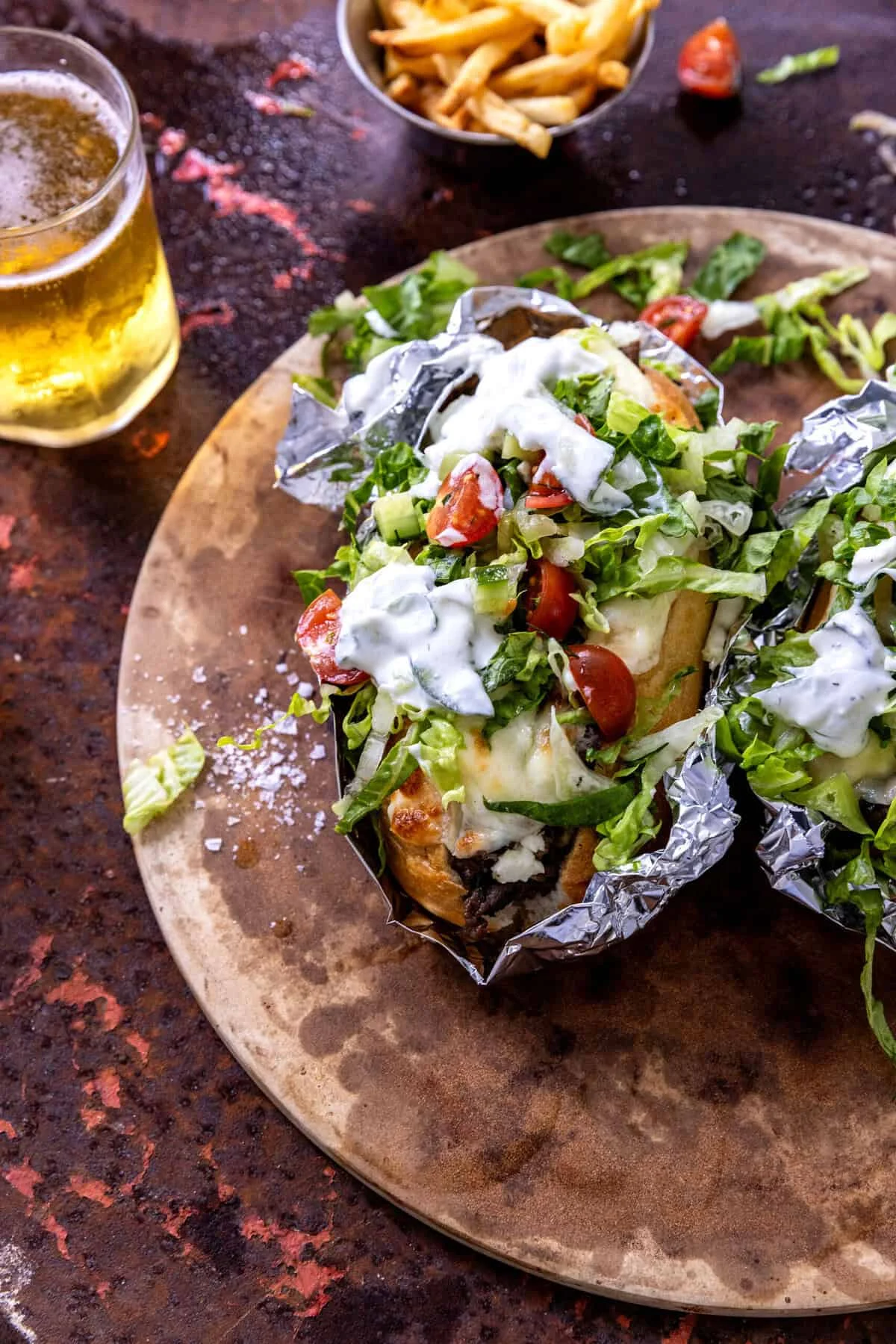
The culinary landscape of American street food is constantly evolving, with innovative chefs and home cooks alike seeking to put their unique spin on beloved classics. One such fusion that has garnered significant attention is the Greek-inspired American-style cheesesteak. This innovative dish reimagines the iconic Philadelphia cheesesteak, infusing it with the vibrant flavors of Greece, offering a delightful twist for weeknight dinners and casual gatherings. The result is a flavorful, fun, and surprisingly easy-to-prepare meal that promises to tantalize taste buds and expand the horizons of traditional comfort food.
The genesis of this particular culinary creation can be traced back to a family gathering, where the desire to recreate a beloved American classic with a Mediterranean flair took center stage. The traditional cheesesteak, a sandwich characterized by thinly sliced steak, melted cheese, and often onions and peppers nestled in a long roll, has a rich history rooted in Philadelphia. While its exact origins are debated, the sandwich rose to prominence in the early 20th century, becoming a symbol of the city’s working-class culinary heritage. The adaptation of this classic into a Greek-inspired version speaks to a broader trend in fusion cuisine, where global flavors are increasingly blended to create novel and exciting dishes.
This Greek-style cheesesteak takes the core elements of its predecessor and elevates them with a distinct Mediterranean sensibility. Instead of the typical beef, the recipe often calls for seared, seasoned, and shaved lamb or beef, introducing a richer, more complex protein profile. The cheese selection is also a departure from the norm, featuring a combination of salty feta and melty Gouda. This pairing offers a delightful contrast between the crumbly, tangy feta and the smooth, creamy melt of the Gouda, creating a more nuanced cheesy experience.
Beyond the protein and cheese, the additions further cement the Greek influence. Warm hoagie rolls serve as the foundation, but the true magic lies in the toppings and accompaniments. Fresh elements like lettuce, tomatoes, and a hint of oregano and dill add a bright, herbaceous counterpoint to the savory meat and cheese. The recipe often emphasizes a quick preparation and easy cleanup, with many components cooked in a single skillet, making it an attractive option for busy individuals and families seeking flavorful yet convenient meal solutions.
The Culinary Evolution of the Cheesesteak

The concept of the cheesesteak itself is deeply embedded in American culinary history, particularly within the vibrant food culture of Philadelphia. Its emergence in the early 20th century is often attributed to Pat Olivieri, a hot dog vendor who, with his brother Harry, began grilling beefsteak sandwiches. The addition of cheese, a crucial evolution, is thought to have been introduced later, possibly by restaurateur Joe "Gooey" Luciscio in the 1940s. Over the decades, the cheesesteak has transcended its Philadelphia origins to become a national icon, inspiring countless variations across the United States.
This Greek-inspired adaptation represents a natural progression in the ongoing evolution of this classic sandwich. It reflects a growing appreciation for international flavors and the desire to inject new life into familiar dishes. The choice of lamb as a primary protein, for instance, taps into the widespread popularity of Mediterranean lamb dishes. Feta cheese, a staple of Greek cuisine, provides a salty, briny counterpoint to the richness of the meat and the melty quality of the Gouda. This combination is not merely a superficial addition of Greek ingredients but a thoughtful integration that enhances the overall flavor profile and textural complexity of the sandwich.
A Family Affair: From Cleveland to the Kitchen
The personal narrative behind this specific recipe adds a layer of warmth and relatability. The inspiration, as shared by the recipe’s creator, stems from a long-standing request from an older brother. This brother, a self-proclaimed enthusiast of generously filled meat and cheese sandwiches, has been requesting a "real" Philly cheesesteak since childhood. While the family was living in Cleveland at the time, this early exposure to the allure of the cheesesteak laid the groundwork for future culinary experiments.
Over the years, numerous iterations of the cheesesteak have been prepared for this discerning brother. These home-cooked versions, while perhaps not adhering strictly to Philadelphia’s authentic preparation methods, have always been characterized by thinly sliced, seasoned meat, caramelized onions, and an abundance of melted provolone, all tucked into a warm hoagie roll, often accompanied by lettuce and tomatoes, and sometimes peppers. This history highlights a common theme in home cooking: adapting beloved restaurant fare to suit personal tastes and available ingredients. The creator acknowledges that their homemade versions deviate from the traditional Philadelphia style, expressing a future aspiration to experience the authentic cheesesteak in its city of origin.
The Greek Infusion: A Flavorful Pivot

The turning point, leading to the development of the Greek Feta and Melty Gouda Cheesesteak, occurred during a period when the entire family was together. This convivial setting provided the perfect opportunity to deviate from the norm and experiment with new flavor combinations. The decision was made to reimagine the cheesesteak through a Greek lens. This involved substituting the traditional beef with shaved lamb, a choice that immediately signaled a departure from the conventional.
The preparation process involved sautéing onions, a common element in cheesesteaks, but the subsequent addition of crumbled feta and melty Gouda introduced a novel cheesy dimension. The inclusion of fresh toppings, along with the proposed accompaniment of oregano fries, further solidified the Greek theme. This culinary pivot was not just about changing ingredients; it was about creating a cohesive flavor profile that paid homage to both the familiar comfort of a cheesesteak and the bright, zesty essence of Greek cuisine.
The successful outcome of this experiment was met with enthusiastic reception, described as "really, really good" and "fun to eat." The creator suggests that these Greek-inspired cheesesteaks are particularly well-suited for the warmer months of spring and summer, when casual, flavorful, and slightly unconventional dining options are highly sought after. The ease of preparation and the inherent playfulness of the dish make it an ideal candidate for relaxed outdoor meals or lively indoor gatherings.
Key Components and Preparation
The preparation of the Greek Feta and Melty Gouda Cheesesteak is designed for efficiency and flavor. The process begins with the onions. A small amount of butter is melted in a large skillet over medium heat, and thinly sliced onions are added. The key here is to allow the onions to soften and develop a light golden hue, a process that enhances their natural sweetness through a degree of caramelization. This step, while seemingly simple, is crucial for building a foundational layer of flavor that permeates the entire sandwich.
Following the onions, the shaved lamb or skirt steak is introduced to the same skillet. The meat is seasoned generously with paprika, cayenne pepper, salt, and black pepper. A critical technique employed is to allow the meat to cook undisturbed for a minute or two. This allows for the development of crispy edges, a textural element that adds significant appeal. The browned bits that form at the bottom of the pan, known as the fond, are packed with flavor and contribute to the overall deliciousness of the dish. Once the meat is adequately browned, fresh herbs – parsley, oregano, and dill – are stirred in. These herbs are instrumental in imparting the distinct Greek character to the sandwich, infusing it with aromatic and fresh notes. Once the mixture is fragrant, the skillet is removed from the heat.

The next stage involves preparing the rolls. Hoagie rolls or pitas are split and then generously filled with the warm meat and onion mixture. This is followed by a liberal sprinkling of feta cheese, providing its characteristic salty tang. A slice of Gouda cheese is then added, which, upon melting, creates a luscious, gooey texture that binds the ingredients together. The filled sandwiches are then transferred to a baking sheet and placed in the oven for approximately five minutes. The brief period in the oven is sufficient to melt the Gouda, creating a bubbly, irresistible topping.
While the sandwiches are in the oven, the complementary components are prepared. A small amount of extra feta is stirred into tzatziki sauce. This addition not only enhances the creaminess and tanginess of the sauce but also helps to harmonize the flavors of the sandwich. Simultaneously, a simple topping of diced cucumbers and tomatoes is prepared. These vegetables are tossed with a pinch of oregano and dill, a quick step that infuses them with subtle herbaceous notes, ensuring they provide a fresh and bright contrast to the richness of the meat and cheese.
Upon removal from the oven, the sandwiches are assembled. A layer of crisp lettuce is placed inside the warm rolls, followed by a generous spoonful of the feta-enhanced tzatziki. The prepared cucumber and tomato mixture is then added, bringing a refreshing element. A final flourish of fresh lemon juice and a sprinkle of flaky sea salt complete the sandwich, adding a burst of acidity and a delicate crunch.
Serving Suggestions and Nutritional Considerations
The Greek Feta and Melty Gouda Cheesesteak is particularly recommended to be served alongside homemade feta oregano fries or Greek feta fries. These complementary side dishes enhance the overall Greek theme of the meal and provide a satisfying textural contrast.
Nutritional information provided for this recipe indicates an estimated 555 calories per serving for a recipe yielding four sandwiches. It is important to note that this figure is an approximation, and actual nutritional values can vary based on specific ingredients and portion sizes used. The recipe also details a preparation time of 15 minutes and a cook time of 15 minutes, resulting in a total time of 30 minutes, underscoring its suitability as a quick weeknight meal.

Broader Culinary Implications
The popularity and success of dishes like the Greek Feta and Melty Gouda Cheesesteak highlight several significant trends in contemporary food culture. Firstly, it exemplifies the enduring appeal of comfort food classics, which are often reimagined and updated to cater to evolving palates and dietary preferences. The fusion of distinct culinary traditions, such as American street food and Mediterranean flavors, continues to be a fertile ground for culinary innovation, offering consumers exciting and diverse dining experiences.
Furthermore, the emphasis on ease of preparation and minimal cleanup reflects a growing demand for convenient yet high-quality home-cooked meals. As busy lifestyles persist, recipes that deliver maximum flavor with minimum effort are highly valued. The one-skillet approach employed in this recipe aligns perfectly with this trend, making gourmet-style meals accessible even on the busiest of evenings.
The success of such dishes also speaks to the increasing global awareness and appreciation of different cuisines. Ingredients like lamb and feta, once considered niche, are now more readily available and widely incorporated into everyday cooking. This broader culinary literacy allows for more adventurous experimentation and a greater willingness to embrace diverse flavor profiles. The Greek Feta and Melty Gouda Cheesesteak, therefore, is more than just a recipe; it’s a reflection of a dynamic and evolving food landscape where tradition and innovation converge to create delicious and memorable meals.