Cintya Tara Annisa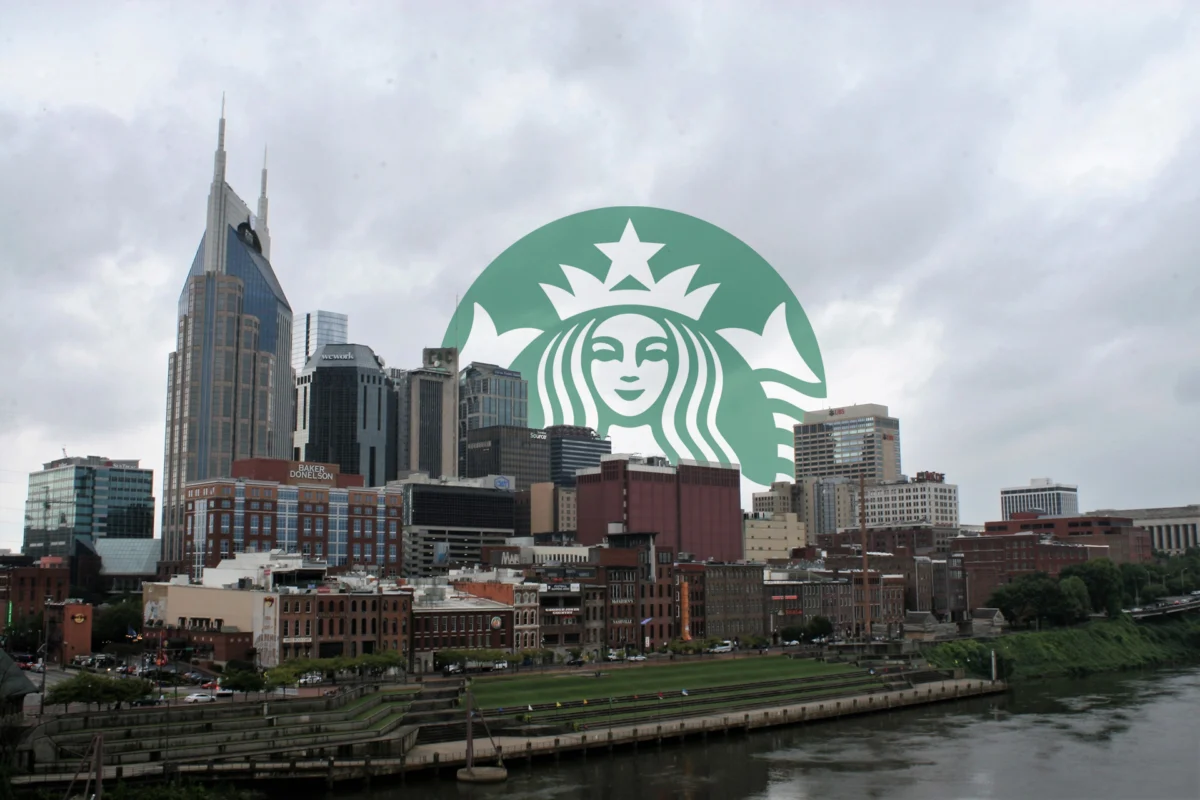
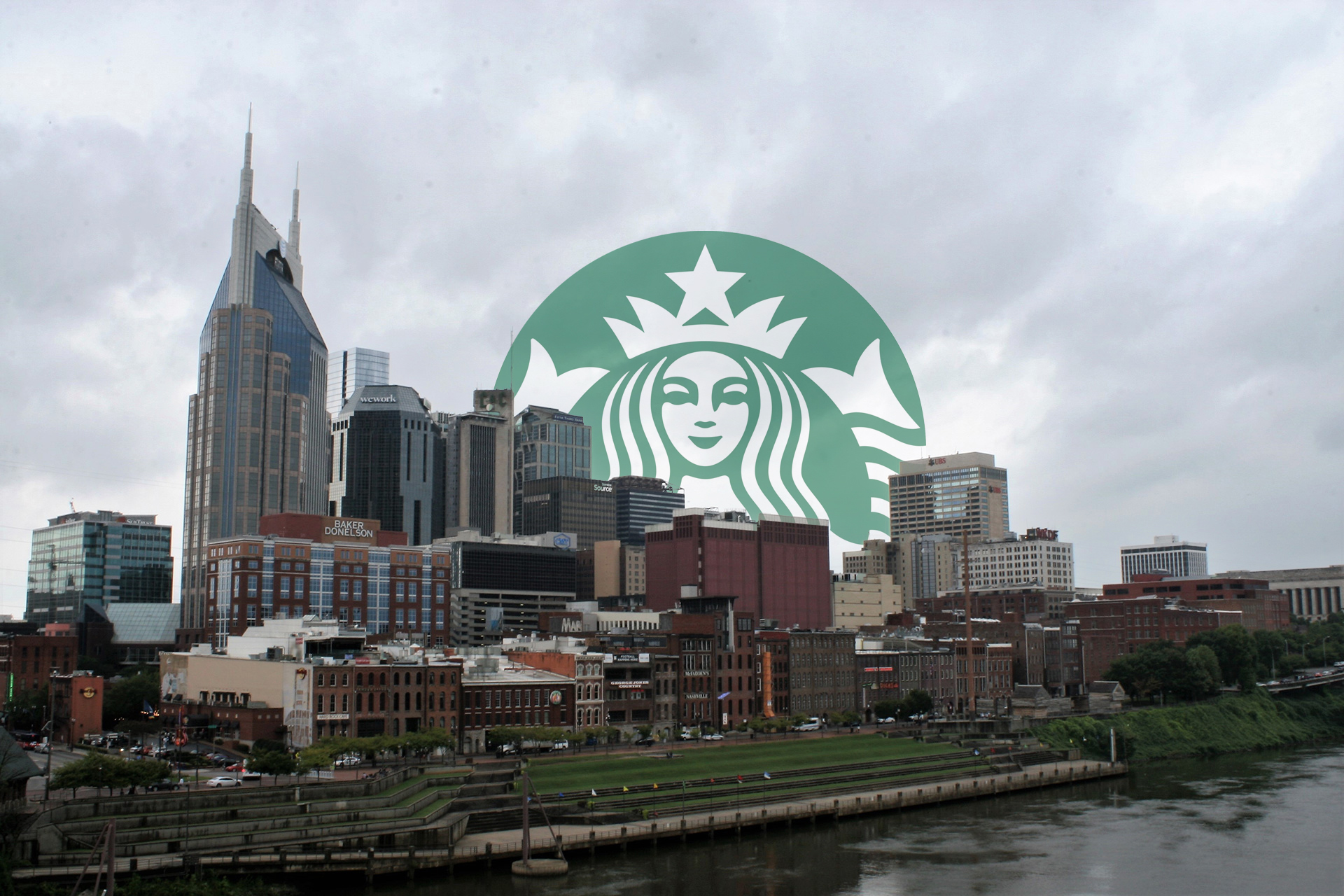
The coffee industry and the Pacific Northwest business community are currently navigating a wave of speculation regarding the future of Starbucks Corporation’s corporate footprint. Recent reports indicate that the Seattle-based coffee giant is actively scouting substantial office space in Nashville, Tennessee, signaling a potential shift in its operational strategy. According to real estate data provider CoStar News, the company is evaluating a lease for approximately 250,000 square feet of office space in a high-profile Nashville development. This move, if finalized, would represent a significant expansion beyond the company’s previous commitments to the region and has sparked intense debate regarding the long-term stability of its historic headquarters in Seattle.
The proposed Nashville site is reportedly part of a sprawling five-acre, 1.2 million-square-foot mixed-use complex. This development is designed to be a "city within a city," featuring a 27-story residential tower, a central plaza, and 50,000 square feet dedicated to upscale dining and retail. The office component itself spans six stories, with capacity estimates ranging between 1,000 and 2,000 employees. This scale is notably larger than the "logistics hub" Starbucks initially described when it first announced plans to establish a "strategic presence" in the Southeast. At that time, the company suggested the move would affect only a few dozen employees; the current reports of a 2,000-person capacity suggest a much broader corporate migration.
A Period of Corporate Turbulence and Restructuring
The news of the Nashville expansion comes at a precarious time for Starbucks’ internal workforce. The company has recently undergone a series of "efficiency maneuvers" aimed at streamlining operations amidst fluctuating global sales. In early 2025, Starbucks executed a significant round of layoffs, terminating approximately 1,100 corporate employees at its Seattle headquarters. These cuts coincided with a broader strategy shift involving the closure of underperforming stores and a pivot toward high-traffic, pickup-only locations in urban centers.
As of late 2023, Starbucks employed roughly 3,750 people at its corporate headquarters in the Sodo neighborhood of Seattle. The loss of 1,100 positions represented nearly 30% of its local corporate workforce. While the company renewed its lease at the Sodo facility—its home since 1997—the juxtaposition of downsizing in Seattle while scouting massive space in Tennessee has led analysts to question the permanence of the Seattle anchor.
The leadership transition in 2024 also plays a pivotal role in this narrative. Brian Niccol, who took over as CEO following a successful tenure at Chipotle, initially sought to calm fears of a corporate relocation. Shortly after assuming the role, Niccol stated that moving the headquarters was "not on the list of things to do." However, corporate history is replete with instances where strategic expansions in lower-cost regions eventually led to the gradual sunsetting of legacy headquarters.
The Economic "Push and Pull" Factors
The potential migration is being viewed through the lens of shifting economic policies in Washington State. The state legislature recently passed a "millionaire’s tax," which imposes a 9.9% income tax on individual annual earnings exceeding $1 million. Proponents of the bill argue the revenue is essential for funding education, healthcare, and affordable housing. However, critics in the business community have warned that such measures could drive high-earning executives and corporate entities to states with more favorable tax climates.
The tax policy appears to have already influenced the company’s most prominent figure. Howard Schultz, the former CEO and chairman emeritus who is largely credited with transforming Starbucks into a global powerhouse, recently announced his relocation from Seattle to Miami, Florida. Schultz’s move included the purchase of a $44 million penthouse at the Surf Club in Surfside. Florida, like Tennessee, has no state income tax, making it a primary destination for wealthy individuals seeking to avoid Washington’s new levies.
While Schultz no longer holds an operational role at Starbucks, his departure is seen as a symbolic blow to Seattle’s status as a haven for corporate titans. Meanwhile, Tennessee has been aggressively courting West Coast companies by offering substantial tax incentives, infrastructure grants, and a lower cost of living for employees. Nashville, in particular, has emerged as a major corporate hub, attracting significant investments from Amazon and Oracle, further validating the city as a viable alternative to traditional tech and retail centers like Seattle and San Francisco.
Chronology of the Nashville Expansion
To understand the current situation, it is necessary to trace the timeline of Starbucks’ Southern expansion:
- Early 2024: Starbucks announces plans to open a modest logistics and support office in Nashville to better serve its growing number of stores in the Southeast and Mid-Atlantic regions. The move is framed as a "regional support center" involving fewer than 100 staff members.
- Late 2024: Brian Niccol is appointed CEO. He emphasizes a "back to basics" approach for stores but remains vague on long-term corporate real estate strategy beyond maintaining the Seattle HQ lease.
- January 2025: Starbucks announces 1,100 layoffs in Seattle as part of a global restructuring plan.
- March 2025: Reports emerge from CoStar News and The Seattle Times indicating the company is seeking 250,000 square feet in Nashville—ten times the size of the originally rumored office.
- March 4, 2025: Starbucks leadership issues a formal denial regarding plans to close the Seattle headquarters, asserting that Seattle remains the "heart of the brand."
Despite the official denials, the discrepancy between the "dozens" of employees mentioned in 2024 and the "2,000" capacity reported in 2025 has created a credibility gap that the rumor mill has been quick to fill.
Community and Industry Reactions
The reaction in Seattle has been a mix of anxiety and resignation. On social media platforms and local forums like r/Seattle, residents have drawn parallels between this situation and the 2008 relocation of the Seattle SuperSonics. The NBA team was sold by Howard Schultz to an Oklahoma-based investment group, which subsequently moved the franchise to Oklahoma City. For many Seattleites, the prospect of losing Starbucks—a brand that is as synonymous with the city as the Space Needle—is viewed as a potential turning point in the city’s economic identity.
Coffee industry professionals have also expressed concern. Seattle has long been the epicenter of "Second Wave" coffee culture, and Starbucks’ presence has supported a massive ecosystem of suppliers, roasters, and consultants. A significant corporate exit could diminish the city’s influence on global coffee trends and reduce the local talent pool.
In Nashville, the sentiment is the polar opposite. Local officials and business leaders view the potential arrival of 2,000 Starbucks corporate jobs as a massive win for the city’s diversifying economy. The "Music City" has spent the last decade rebranding itself as a professional services and tech hub, and securing a "Venti-sized" lease from a Fortune 500 company would further solidify that reputation.
Broader Implications and Strategic Analysis
From a strategic standpoint, Starbucks’ interest in Nashville may not be an "all or nothing" proposition. Modern corporate structures are increasingly moving toward a "hub-and-spoke" model. In this scenario, Seattle would remain the "cultural and heritage" headquarters, housing executive leadership and R&D (such as the Starbucks Reserve Roastery operations), while Nashville would serve as the "operational" headquarters, housing supply chain management, IT, HR, and logistics.
However, the financial incentives are hard to ignore. Tennessee’s Department of Economic and Community Development often provides "FastTrack" job training grants and economic development credits to companies bringing large numbers of high-paying jobs to the state. When combined with the lack of state income tax for employees, Starbucks may find it significantly easier to recruit and retain talent in Nashville than in an increasingly expensive and highly-taxed Seattle.
The "millionaire’s tax" in Washington specifically targets the very demographic that makes up Starbucks’ upper management. If the company finds that its top-tier talent is unwilling to remain in Seattle due to the tax burden, a gradual migration of leadership roles to Nashville or Miami becomes almost inevitable.
Conclusion: A Brand at a Crossroads
Starbucks finds itself at a crossroads, attempting to balance its rich heritage in the Pacific Northwest with the cold realities of global corporate competition and shifting political landscapes. While the company continues to publicly affirm its commitment to Seattle, its real estate maneuvers suggest a future where the "center of gravity" for the brand may be drifting toward the American South.
For now, the Nashville office remains a "rumor" supported by credible real estate data, but the silence from the company regarding the specific 250,000-square-foot figure is telling. Whether this is a strategic expansion or the beginning of a long-form exit, the impact on both Seattle and Nashville will be profound. As the coffee giant prepares for its next chapter under Brian Niccol, the industry will be watching closely to see if the next cup of Starbucks corporate strategy is brewed in the Emerald City or the Music City.