
 Muhammad Hendra
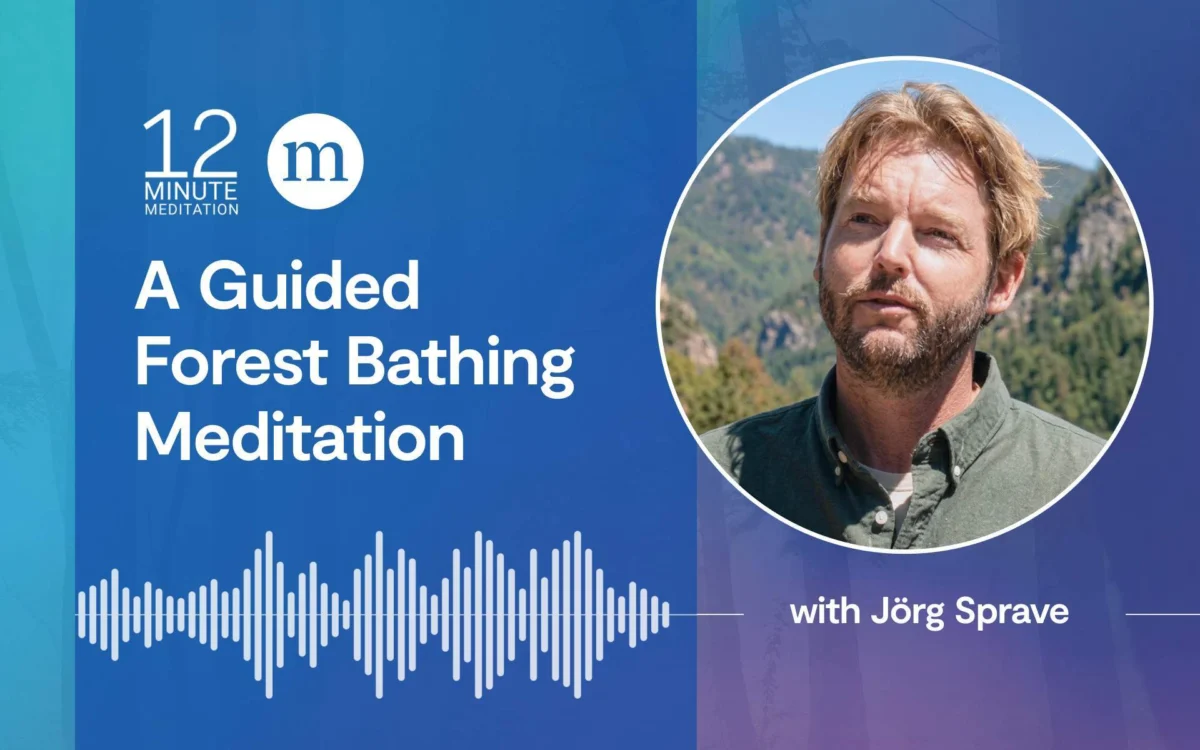
In an era defined by perpetual connectivity, urban density, and sensory overload, a growing movement seeks to bridge the widening gap between humanity and the natural world. Jörg Sprave, an educator and the founder of Treeming.org, has stepped to the forefront of this wellness shift by introducing mainstream audiences to the ancient Japanese practice of shinrin-yoku, widely known as forest bathing. Through a newly released guided meditation titled "I Am Nature," Sprave aims to counter the psychological and physiological toll of modern living by encouraging individuals to immerse themselves consciously in natural environments, regardless of their scale.
The release of this guided practice arrives at a time when public health researchers are increasingly focusing on the detrimental effects of chronic urban stress. Modern lifestyles are predominantly spent indoors, surrounded by steel, concrete, digital screens, and the relentless noise pollution of metropolitan infrastructure. While technological advancements have streamlined daily productivity, human biology has not evolved at the same pace. Neurological and physiological systems continue to crave the restorative tranquility and cognitive awe that can only be achieved through direct engagement with wild, natural spaces. Sprave’s initiative highlights a broader cultural re-evaluation of nature not merely as a recreational backdrop, but as an essential component of preventative healthcare and mental well-being.
Origins and Historical Context of Shinrin-Yoku
The practice of shinrin-yoku was officially developed in Japan during the early 1980s as a public health initiative sponsored by the Ministry of Agriculture, Forestry, and Fisheries. Translated literally as "taking in the forest atmosphere" or "forest bathing," the discipline was conceived in response to a surge in stress-related illnesses, burnout, and karoshi—death by overwork—driven by Japan’s rapid post-war industrialization and corporate culture.
Rather than demanding physical exertion such as hiking or jogging, shinrin-yoku requires participants to use all five senses to absorb the natural environment. The methodology encourages slow, deliberate movement and stationary contemplation beneath a forest canopy, allowing the sights, sounds, smells, and textures of the woodland to quiet the nervous system. By the early 2000s, Japanese researchers began publishing empirical studies validating the physiological benefits of the practice, propelling shinrin-yoku from a regional wellness trend into a globally recognized therapeutic model.
Scientific Data and Physiological Implications
The scientific validation of forest bathing has transformed it from an esoteric mindfulness exercise into a subject of serious clinical research. Over the past two decades, numerous studies conducted by institutions such as the Nippon Medical School in Tokyo have documented the measurable impacts of natural environments on human physiology.
One of the most significant findings centers on airborne phytochemicals called phytoncides—antimicrobial volatile organic compounds emitted by trees, such as pines, oaks, and cedars, to protect themselves from insects and rotting. When humans inhale these compounds during forest bathing, research indicates a substantial increase in the number and activity of natural killer (NK) cells, a type of white blood cell critical to the immune system’s defense against viral infections and tumor formation.
Furthermore, clinical trials have consistently demonstrated that spending time in forested settings significantly reduces sympathetic nervous system activity—the mechanism responsible for the "fight or flight" response. Data shows marked decreases in salivary cortisol concentrations, lower blood pressure, and stabilized heart rate variability among participants compared to control groups exposed to urban environments. Psychological evaluations conducted during these studies similarly report reductions in anxiety, depression, anger, and fatigue, underscoring the profound neurological reset that occurs when sensory input shifts from digital screens to natural fractal patterns.
The Mission and Methodology of Treeming.org
Jörg Sprave’s platform, Treeming.org, was established to institutionalize and disseminate these practices to populations most vulnerable to urban burnout. As the founder and lead educator, Sprave has structured the organization’s curricula around accessibility, emphasizing that effective nature connection does not require remote wilderness expeditions or pristine old-growth forests.
The "I Am Nature" guided meditation has been specifically engineered for application in modest, accessible natural spaces—ranging from municipal parks and botanical gardens to suburban backyards and community green spaces. Sprave’s instructional framework acknowledges that modern individuals often struggle to quiet their minds when first entering nature. By providing a structured audio guide, the meditation acts as a bridge, helping listeners transition from the frantic pace of digital life into a state of receptive calm.
The guided session invites participants to pause, ground their physical posture, and systematically engage their senses. Listeners are directed to observe the play of light through leaves, notice the textures of bark, listen to the rustle of wind, and inhale the earthy scents of soil and foliage. According to Sprave, this intentional slowing down recalibrates the human nervous system, fostering a deep-seated sense of belonging and ecological interconnectedness.
Expert Analysis and Broader Societal Impact
Public health analysts and environmental psychologists view the proliferation of guided forest bathing initiatives as a vital counterweight to contemporary lifestyle diseases. Dr. Elena Vance, a senior researcher in environmental medicine at the European Institute of Public Health, notes that the integration of mindfulness with natural exposure addresses multiple dimensions of modern morbidity simultaneously.
"We are witnessing an epidemic of chronic stress and sensory fatigue," Dr. Vance stated in a recent epidemiological review. "Interventions like shinrin-yoku are cost-effective, non-pharmacological modalities that yield measurable improvements in cardiovascular health, immune function, and mental resilience. When leaders like Jörg Sprave package these traditions into accessible digital formats, they lower the barrier to entry for populations who might otherwise remain detached from green infrastructure."
The economic implications of such wellness initiatives are also drawing attention from urban planners and corporate wellness directors. As healthcare systems grapple with the rising costs of stress-related chronic illnesses, employers are increasingly exploring nature-based interventions to reduce absenteeism and enhance cognitive performance among office-bound workforces. Programs modeled after shinrin-yoku are being integrated into corporate retreat itineraries, healthcare prescriptions, and urban design guidelines, reflecting a growing consensus that ecological access is a fundamental human need rather than a luxury.
Future Outlook for Urban Forestry and Mindful Conservation
As urbanization accelerates—with projections indicating that nearly 70 percent of the global population will live in urban areas by 2050—the preservation and accessibility of urban green spaces have become paramount. Initiatives like Treeming.org highlight the dual necessity of protecting natural environments while actively teaching populations how to interact with them mindfully.
Sprave’s ongoing work underscores a cultural shift toward regenerative relationships with the environment. By fostering individual healing through shinrin-yoku, advocates hope to cultivate a broader constituency for environmental stewardship. When individuals experience the physiological and psychological restorative power of nature firsthand, their commitment to conserving those spaces naturally strengthens.
The release of the "I Am Nature" meditation marks a significant milestone in this ongoing movement. By making the ancient wisdom of forest bathing adaptable to the constraints of contemporary life, Sprave provides a timely resource for a society seeking refuge from the relentless pace of the digital age. As empirical data continues to validate the necessity of green spaces for human survival and flourishing, practices like shinrin-yoku are poised to move from the margins of alternative wellness into the mainstream of global public health strategy.