
 Ali Ikhwan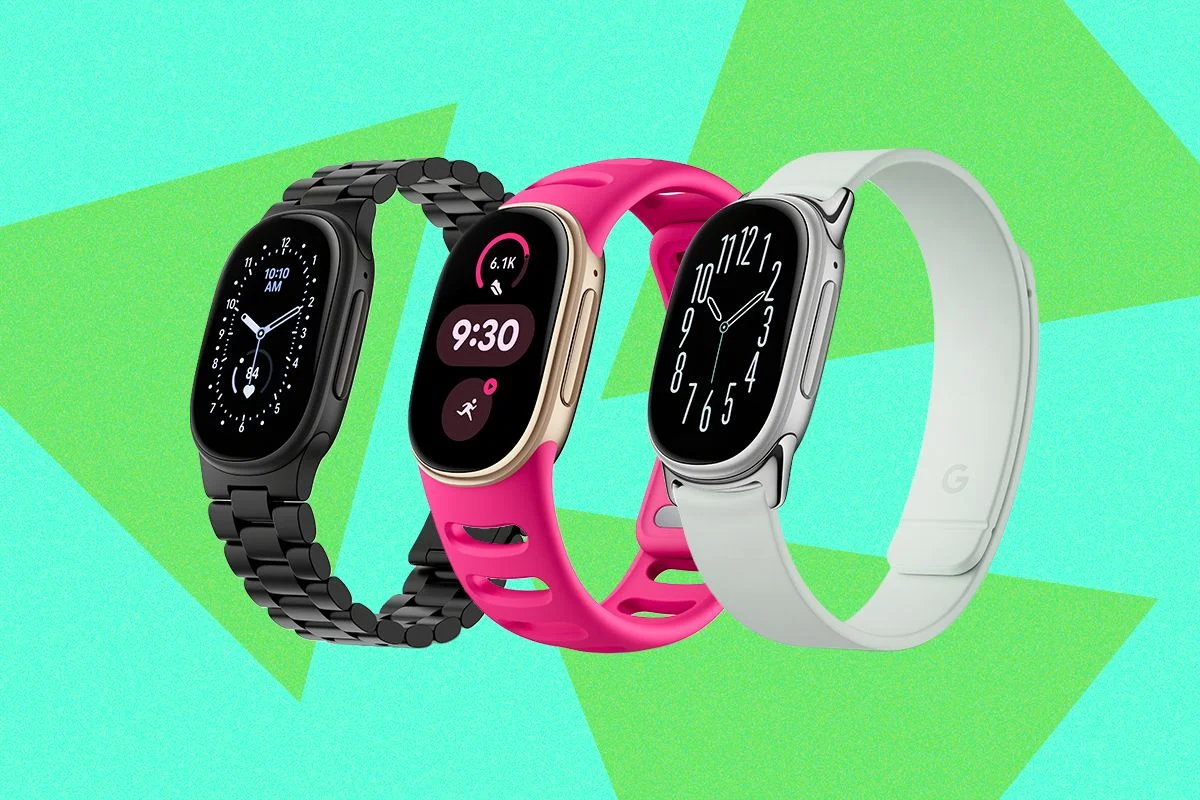
Google has officially unveiled the Fitbit Edge, a $180 fitness tracker that signals a significant strategic shift in the company’s wearable hardware portfolio. By balancing the advanced sensor suite of the high-end Pixel Watch with the slim, approachable form factor of traditional fitness trackers, the Edge arrives as the long-awaited successor to the aging Charge 6. Available for pre-order immediately with a retail launch set for October 27, the Edge represents a calculated effort to recapture the market segment that desires granular health data without the bulk or price point of a full-fledged smartwatch.
The Evolution of the Fitbit Lineup
For three years, the Fitbit Charge 6 served as the flagship for the company’s display-equipped trackers. However, in the rapidly evolving landscape of wearable technology, three years is an eternity. The Charge 6 eventually fell behind in critical areas, specifically concerning the lack of IP68 water and dust resistance, advanced automatic workout detection, and the deep, nuanced health metrics that modern users have come to expect.
The introduction of the Fitbit Air earlier this year—a screenless, minimalist wearable—made a significant splash, appealing to users who wanted to "ignore" their tech while still tracking vital signs. Yet, the existence of the Air left a void for the power-user who still requires a visual interface. The Edge is designed to fill this gap. It occupies a distinct "sweet spot" in the market: it is $180, significantly more affordable than the Google Pixel Watch 5, yet it borrows the internal architecture and design language of its more expensive sibling. Unlike the Pixel Watch, which remains largely tethered to the Android ecosystem, the Edge maintains platform agnosticism, offering full compatibility with both Android and iOS devices via the rebranded Google Health application.
A New Focus on Repairability and Sustainability
One of the most notable technical specifications of the Fitbit Edge is its user-replaceable battery. This is a first for the Fitbit brand and represents a major departure from the industry standard of disposable, sealed-unit wearables. This design choice aligns with Google’s broader corporate initiative to increase the repairability of its Pixel Watch series.

Industry analysts suggest this shift is not purely altruistic; it is a proactive response to tightening legislative frameworks. The European Union’s new battery regulations, which mandate that portable batteries in consumer electronics be easily accessible and replaceable by the end-user, are set to take full effect in the coming year. By integrating this capability into the Edge, Google is effectively future-proofing its supply chain. Repair options for the device will be rolled out on a regional basis, contingent on local parts availability and authorized service center infrastructure.
Hardware Upgrades and Sensor Integration
The physical design of the Edge reflects a move toward ergonomics and utility. Featuring a pill-shaped, capsule design, it is intended to provide a more comfortable fit for smaller wrists compared to the round, sometimes cumbersome, face of the Pixel Watch. The display has been increased to 1.34 inches, a substantial leap from the 1.04-inch screen found on the Charge 6. This added screen real estate is not merely aesthetic; it allows for higher information density, enabling users to monitor heart rate, pace, and elevation without navigating through multiple sub-menus during high-intensity training.
Internally, the device is a powerhouse. It incorporates a barometric altimeter, which utilizes atmospheric pressure to track elevation changes—a feature previously reserved for higher-tier smartwatches. This allows the Edge to accurately record vertical gain and loss during hikes or runs, providing a more comprehensive overview of workout intensity. Furthermore, the device replaces the standard temperature sensors found in older Fitbits with a far-field skin temperature sensor. This, combined with electrical sensors that support an integrated electrocardiogram (ECG) app, positions the Edge as a serious medical-grade tool for consumer health monitoring.
Software, AI, and Health Analytics
Google’s integration of its Gemini intelligence engine into the Edge’s software suite marks a significant leap in automatic activity tracking. The device is capable of identifying up to 100 different workout types and tracking more than 50 specific exercise modes. This is a substantial improvement over the 40 modes available on the Charge 6.
By leveraging machine learning, the Edge minimizes the need for manual logging. The system is designed to "understand" the motion profile of different activities, effectively automating the data entry process. These AI-driven updates will also be pushed to the Pixel Watch 5 and the Fitbit Air, ensuring parity across Google’s entire wearable ecosystem.

When paired with a Google Health Premium subscription, the Edge unlocks more advanced analytics, including non-invasive tracking of blood pressure trends and insulin resistance markers. These features were first introduced with the Pixel Watch 5 at the end of September and represent a significant milestone in consumer-grade health technology. By providing these metrics without requiring manual calibration or blood draws, Google is attempting to carve out a unique position in the wellness market, moving beyond simple step-counting toward predictive health management.
The NFC Omission: A Strategic Anomaly
Despite the impressive hardware, the Edge is not without its controversies. Perhaps the most glaring omission is the absence of a near-field communication (NFC) sensor. This means the device does not support contactless payments via Google Wallet. For many users who upgraded to the Charge 6 specifically for the convenience of tap-to-pay, the absence of this feature in the Edge is a regression.
While Google has not provided an official statement regarding this decision, market observers speculate that the omission may be an attempt to differentiate the Edge from the Pixel Watch, ensuring that the flagship smartwatch remains the primary device for digital wallet transactions. However, given the price point and the target demographic, it remains a point of contention that may impact adoption among urban commuters and those accustomed to the convenience of NFC-enabled wearables.
A Broader Aesthetic and Lifestyle Strategy
Google is also emphasizing the fashion-forward nature of its current wearable lineup. The Edge introduces several new clock faces—both digital and analog—designed to take advantage of the larger display. The device will be available with a variety of band styles, including the Active Band, the Magnet Band, and the sophisticated Metal Links Band.
In a continued partnership with NBA star Stephen Curry, a branded version of the Edge will be available for $220, featuring the signature brown-orange color palette that has become synonymous with this collaboration. Simultaneously, Google is doubling down on the Fitbit Air’s aesthetic appeal by introducing a new Metal Mesh band. While the Air was originally marketed as a "disappearing" piece of technology, these new accessories suggest that Google is repositioning it as a statement piece that can transition seamlessly from the gym to professional settings.

Implications for the Wearable Market
The release of the Fitbit Edge arrives at a critical juncture for Google. As the wearable market matures, consumers are increasingly seeking devices that provide "utility without the noise." The Edge satisfies this requirement by acting as a bridge between the hyper-connected, notification-heavy experience of the Pixel Watch and the functional, data-focused nature of traditional fitness trackers.
By maintaining a seven-day battery life—a significant advantage over the 24-to-36-hour endurance of most full-featured smartwatches—the Edge is positioned as a "set it and forget it" device. Its 90-minute full charge time, which is 30 minutes faster than the Charge 6, further underscores its focus on minimizing downtime.
As the market continues to fragment into specialized segments—the minimalist, the health-data enthusiast, and the notification-reliant power user—Google’s strategy is becoming clear. By offering the Air, the Edge, and the Pixel Watch, the company is attempting to cover the entire spectrum of consumer needs. Whether the Edge’s lack of NFC will be a fatal flaw or a minor inconvenience remains to be seen, but the device’s strong sensor suite, repairable battery, and improved display make it a formidable contender in the $150-$200 price range.
The success of the Edge will ultimately hinge on the accuracy of its new health-tracking algorithms and the reliability of its AI-driven activity detection. If these features perform as promised, the Edge may well set a new standard for what a mid-range fitness tracker can accomplish, effectively forcing competitors to re-evaluate their own entry-level offerings. As of late October, the device will be available in major retail channels, and its performance in the wild will provide the definitive test for Google’s current wearable philosophy.







