Michael Sholeh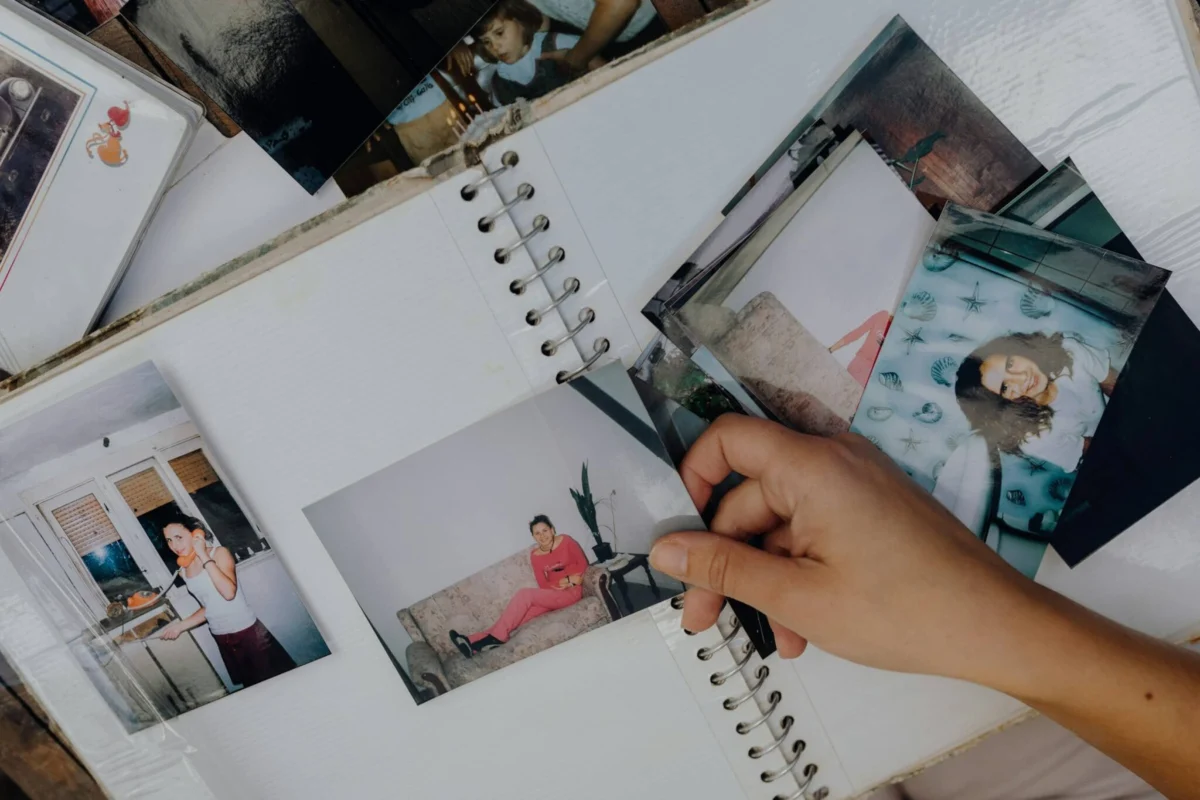
The passing of a family matriarch or patriarch often precipitates a complex intersection of emotional grief and administrative burden, yet the recent experience of Joe Darago, Executive Director of the non-profit organization The Hope Effect, highlights how proactive end-of-life planning can significantly mitigate the challenges faced by surviving relatives. Following the funeral of his Aunt Liz in Northeast Ohio, Darago documented a series of intentional steps taken by the deceased that transformed a potentially chaotic estate transition into a structured period of mourning and reflection. These actions—ranging from the establishment of a legal trust to the curation of family archives—serve as a case study for the burgeoning "death positive" movement, which encourages open dialogue about mortality to ease the transition for heirs.
The Context of Legacy and the Burden of Accumulation
The Darago family history is rooted in Northeast Ohio, characterized by a large, interconnected household consisting of five sisters and one brother. Central to this family structure were two aunts, Marilyn and Liz, who, despite having no children of their own, remained permanent fixtures in the lives of their nieces and nephews. For decades, they served as the "family cloud," a living repository of history, attending every milestone from sporting events to six separate graduations.
Approximately ten years ago, as health challenges began to emerge, the two sisters consolidated their households. While this move was a strategic decision to reduce living expenses and provide mutual care, it did not address the significant accumulation of physical possessions. The family home became a museum of generational artifacts: documents from a great-grandfather, furniture from previous eras, and inventory remnants from an old family business. This scenario is common in American households; according to professional organizing industry data, the average American home contains approximately 300,000 items, many of which are inherited without a clear plan for their eventual disposition.
A Chronology of Intentionality: The Final Year
While the family had historically struggled with "letting things go," Aunt Liz initiated a shift in strategy roughly one year prior to her death. Sensing her health was in a terminal decline, she began a process of "Swedish Death Cleaning" (Döstädning)—a practice popularized by author Margareta Magnusson that involves thinning out one’s belongings to spare heirs the burden of doing so.
The timeline of Liz’s final year was marked by three distinct phases of preparation. First, she addressed the legal and financial complexities of her estate. Second, she began the physical task of simplifying her environment. Third, she engaged in "legacy conversations" to delegate future responsibilities. This structured approach culminated in a funeral service where the focus remained entirely on her personal impact and character rather than the logistical stress of her passing.
Strategic Implementation of a Living Trust
One of the most significant hurdles in estate management is the probate process, a court-supervised procedure for authenticating a last will and testament. To bypass this, Aunt Liz worked with legal professionals to establish a living trust. Her estate was multifaceted, comprising two residential properties, multiple retirement accounts, life insurance policies, and a specialized coin collection.
By appointing an executor and clearly documenting the distribution of assets within a trust, she effectively insulated her family from the common pitfalls of inheritance. Data from the American College of Trust and Estate Counsel (ACTEC) suggests that probate can take anywhere from six months to two years to finalize, often consuming 3% to 7% of the estate’s total value in legal fees. By contrast, the trust allowed Darago’s sister, acting as executor, to manage the transition with minimal administrative friction. This proactive financial mapping prevented the interpersonal tension that frequently arises when siblings or relatives must negotiate the division of assets without clear directives.
The Psychological Relief of Legacy Decluttering
In her final months, Aunt Liz transitioned from being a "keeper of secrets" to a curator of essentials. Although the home remained filled with history, she began labeling files, clearing closets, and designating items for donation.

This act of "simplifying where she could" is supported by psychological research into the impact of clutter on the grieving process. A study published in the Journal of Environmental Psychology indicates that physical clutter can increase cortisol levels and contribute to a sense of "attachment distress" among heirs. By pre-sorting her belongings, Liz reduced the cognitive load on her family. The items that remained were no longer seen as "junk to be cleared" but as intentional keepsakes. Darago noted that even small acts of labeling and filing created a sense of order that allowed the family to focus on their emotional recovery rather than manual labor.
The Role of Open Dialogue and Responsibility Delegation
Perhaps the most unconventional aspect of Aunt Liz’s preparation was her willingness to discuss death directly. She conducted individual meetings with family members to assign specific "mantles" or roles. These included:
- Pet Care: Ensuring the welfare of her aging animals.
- Tradition Keeping: Designating a successor for long-standing family holiday events.
- Historical Preservation: Appointing Joe Darago as the family historian.
By explicitly asking Darago to take on the role of historian, Liz provided him with a sense of purpose during the sorting process. She began setting aside specific photographs and handwritten letters, often including notes explaining the provenance of the items. This addressed a common issue in estate management: the "mystery photo" problem. Darago observed that while many photos remained unlabeled, the items Liz had specifically curated provided a roadmap for the family’s narrative history.
Broader Implications for Modern Estate Planning
The Darago account reflects a growing trend in American society where "minimalism" is being applied to end-of-life scenarios. Legal and psychological experts are increasingly advocating for "legacy planning" over mere "estate planning." While estate planning focuses on the transfer of wealth, legacy planning focuses on the transfer of values, stories, and the mitigation of the burden left to the living.
Supporting Data on Estate Preparedness
Recent surveys from Caring.com indicate a decline in estate planning among younger demographics, yet a heightened awareness of its importance due to the COVID-19 pandemic.
- Will Prevalence: Only 32% of American adults currently have a will or basic estate plan.
- Communication Gap: Roughly 52% of Americans do not know where their parents keep their estate documents.
- Conflict: An estimated 40% of families experience significant conflict during the distribution of an estate when instructions are vague.
Aunt Liz’s approach directly countered these statistics by ensuring her documents were accessible, her wishes were vocalized, and her physical footprint was managed.
Professional Recommendations for Heirs and Seniors
Based on the Darago family’s experience and current industry standards in geriatric care and estate law, experts suggest three primary steps for families facing similar transitions:
- Initiating the "Soft Conversation": Families should not wait for a medical crisis to discuss end-of-life wishes. Journalistic analysis suggests that approaching these topics with curiosity—asking about the stories behind objects—can make the conversation feel less like a legal deposition and more like a bonding experience.
- Metadata and Preservation: For family historians, the value of an object is tied to its context. Writing names, dates, and locations on the back of physical photographs or in the metadata of digital files is a critical, yet often overlooked, step in legacy preservation.
- The "Living Eulogy" Concept: Darago’s observation at the funeral—that many beautiful things said about his aunt were never heard by her—highlights the importance of "living funerals" or expressing gratitude while the individual is still present. This emotional clearing is as vital as financial or physical clearing.
Conclusion
The experience of the Darago family in Northeast Ohio underscores that minimalism, when applied to the end of life, is not merely about the removal of objects, but about the intentionality of presence. Aunt Liz’s legacy was not defined by the furniture in her sunroom or the documents in her basement, but by the clarity and peace she provided her family in her absence.
By integrating legal strategy (trusts), physical preparation (decluttering), and emotional transparency (open dialogue), individuals can ensure that their passing does not become a logistical burden for those they love. As the "Silver Tsunami" of aging Baby Boomers continues to reshape American demographics, the lessons from Joe Darago and his Aunt Liz offer a blueprint for a more compassionate, organized, and meaningful approach to saying goodbye. The transition from life to legacy, when managed with foresight, allows the focus to remain where it belongs: on the enduring impact of a life well-lived.