Cintya Tara Annisa
The specialty coffee landscape has undergone a profound transformation over the last decade, shifting from a niche interest to a sophisticated global industry defined by technical precision and a deep commitment to provenance. Every week, the industry’s leading roasters unveil small-batch offerings that highlight the intersection of agricultural science, climate-resilient farming, and innovative processing techniques. This week’s curated selection of coffees from across the globe provides a comprehensive snapshot of these trends, ranging from experimental anaerobic fermentations in South America to the refined, high-altitude production of East Africa.
The Evolution of Specialty Coffee Processing
A primary driver of current market trends is the diversification of processing methods. Historically, the industry relied on standardized "washed" or "natural" processes. However, as demonstrated by the current offerings from roasters like Equator Coffees and 8th & Roast, producers are increasingly adopting multi-stage anaerobic fermentations. These techniques, which involve oxygen-deprived environments to control the breakdown of sugars within the coffee cherry, allow producers to influence the final sensory profile of the bean, resulting in higher acidity, intensified fruit notes, and complex, wine-like characteristics.
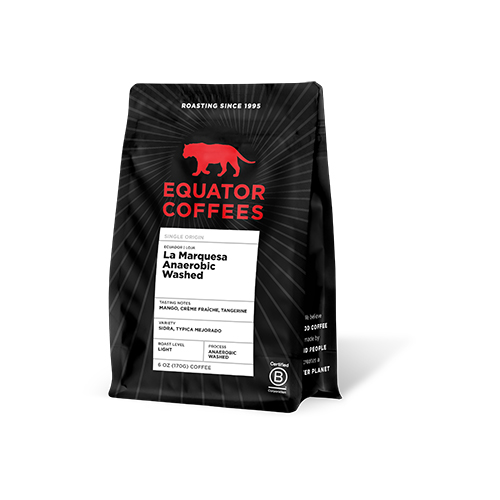
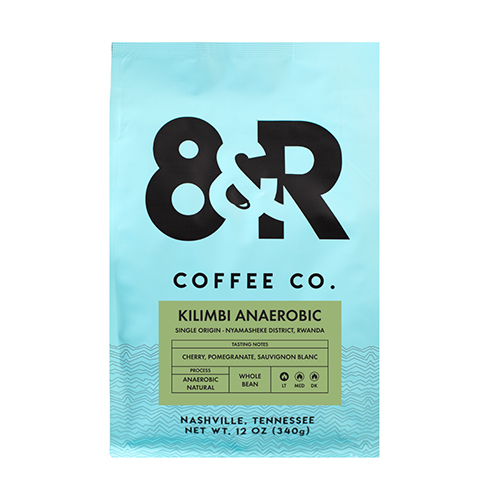
For instance, the Kilimbi Anaerobic lot from Rwanda, featured by 8th & Roast, illustrates the success of this approach. By focusing on meticulous sorting and controlled drying on raised beds, the Kilimbi washing station has moved beyond traditional methods to capture specific enzymatic profiles that appeal to an increasingly discerning consumer base. Similarly, the Ecuador La Marquesa Anaerobic Washed from Equator Coffees highlights a two-stage fermentation process that produces vibrant, nuanced tasting notes—specifically mango, crème fraîche, and tangerine—that were rarely seen in commercial offerings even five years ago.
Regional Highlights and Genetic Heritage
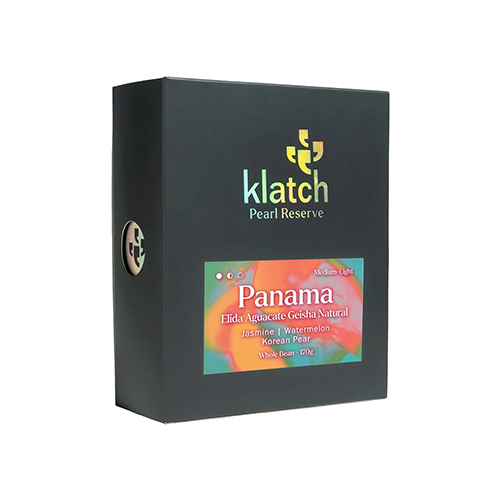
The geographic diversity of this week’s recommendations underscores the importance of micro-climates in specialty coffee. In Panama, the collaboration between Klatch Coffee and the Lamastus Family’s Elida estate represents the pinnacle of high-altitude Geisha cultivation. At elevations where the air is thin and the temperatures are cool, the coffee cherry matures at a slower rate, allowing for a greater concentration of sugars and complex chemical compounds. The resulting cup profile—marked by jasmine, watermelon, and lemongrass—serves as a benchmark for the global specialty market.
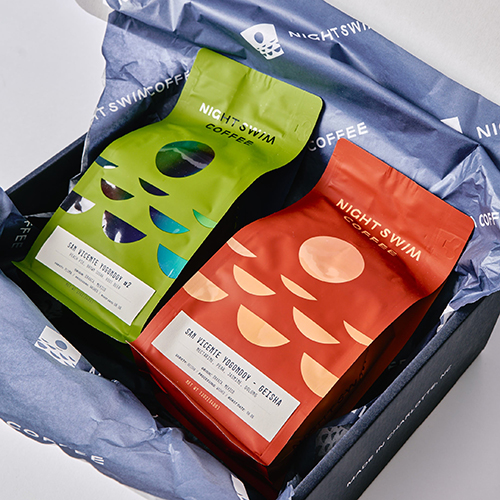
In Mexico, Night Swim Coffee’s focus on the Oaxacan region provides a compelling study in varietal preservation. By offering a side-by-side comparison of the Pluma variety—a native Oaxacan cultivar—and the globally recognized Geisha, roasters are educating the public on the importance of biodiversity. This practice not only safeguards rare genetic lineages but also provides a more robust economic foundation for farmers in regions where monoculture was once the standard.
Economic and Ethical Sourcing Models
Beyond the technical aspects of cultivation, the industry is seeing a shift toward radical transparency and the prioritization of social equity. Joe Coffee Company’s "Café Feminista" program is a significant example of this transition. By specifically sourcing from women-led cooperatives, the program aims to address the gender gap in agricultural leadership. Statistical data from the International Coffee Organization suggests that while women perform up to 70% of the labor in coffee production, they often hold a significantly lower percentage of land titles and management positions. Initiatives like Café Feminista seek to mitigate these disparities by creating direct market access and amplifying the voices of women producers.
Similarly, Portland Coffee Roasters’ collaboration with Oregon Public Broadcasting for the "OPBEANS" project highlights the efficacy of institutional partnerships in supporting organic, women-produced coffee from Honduras. These models of trade demonstrate that the specialty coffee industry is moving away from purely transactional relationships toward long-term partnerships that emphasize sustainability and ethical labor practices.
The Rise of Experimental Tasting Sets
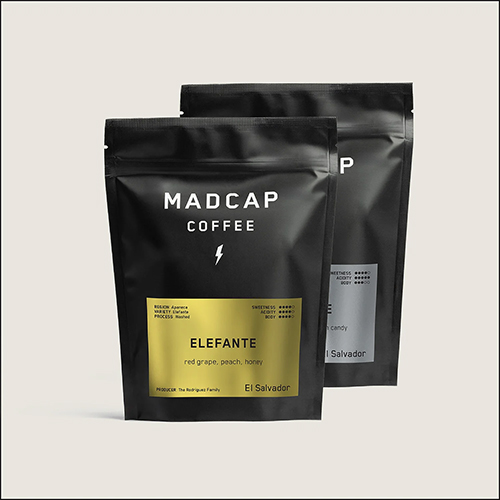
One of the most notable consumer trends of 2026 is the demand for educational, interactive coffee experiences. Madcap Coffee’s "Elefante Tasting Set" is a primary example of this movement. By presenting two coffees from the same farm—Finca Nejapa in El Salvador—that underwent different processing methods, the roaster allows the consumer to isolate the impact of fermentation and drying on the final flavor. This approach mirrors the "vertical tasting" models found in the wine and spirits industry, suggesting that the specialty coffee consumer is increasingly interested in the "how" and "why" behind their morning cup, rather than just the origin.
Market Implications and Future Projections
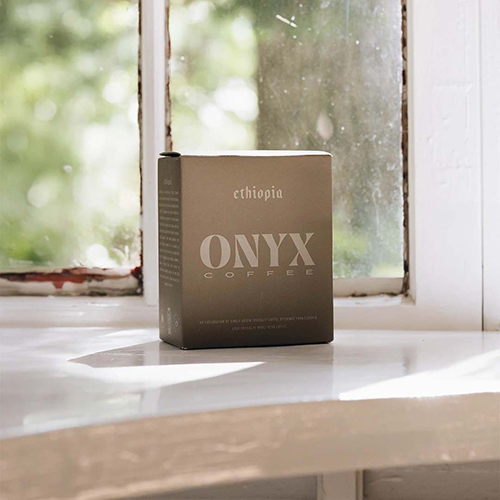
The current surge in experimental processing and direct-trade initiatives is not without risk. Climate change remains the most significant threat to the industry; erratic rainfall and rising temperatures in traditional growing regions like Ethiopia and Colombia require roasters and farmers to innovate continuously. The success of the Agaro Yukro G1 from Ethiopia, as featured by Onyx Coffee Lab, highlights how meticulous processing at the washing station level can ensure longevity and consistency even in the face of shifting environmental conditions.
Furthermore, the rise of high-quality decaffeinated coffee—as seen in Verve Coffee Roasters’ "Long Play Decaf"—reflects a shift in the market toward inclusivity. By utilizing the Sugar Cane process, which maintains the integrity of the bean’s flavor profile without the use of harsh chemicals, roasters are ensuring that health-conscious consumers and those sensitive to caffeine do not have to sacrifice sensory quality.
Summary of Featured Offerings
The following list summarizes the technical specifications of the current global coffee selections:
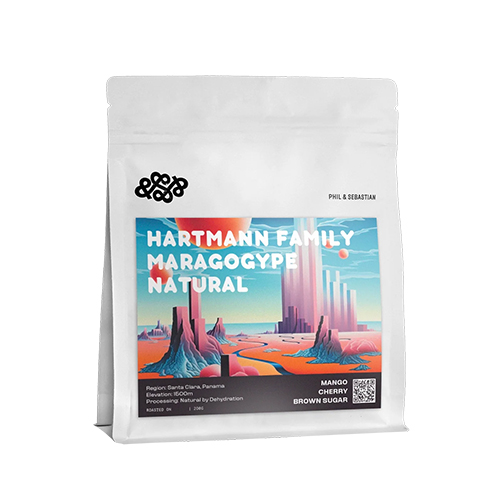
- Phil & Sebastian (Hartmann Family Maragogype Natural): A high-altitude, naturally processed lot showcasing tropical intensity and creamy body.
- Equator Coffees (Ecuador La Marquesa Anaerobic Washed): An experimental two-stage fermentation highlighting fruit-forward acidity.
- Madcap Coffee (Elefante Tasting Set): A comparative analysis of washed vs. extended fermentation processing.
- Klatch Coffee (Panama Elida Aguacate Gesha Natural): A premium Geisha offering emphasizing floral and citrus aromatics.
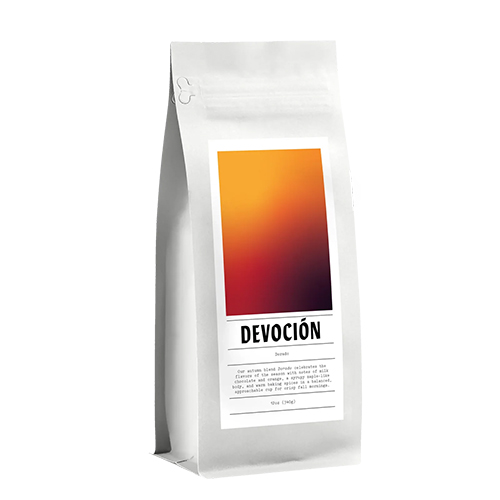
- Devoción (Dorado): An autumnal blend focused on balance, emphasizing chocolate and baking spice notes.
- 8th & Roast (Kilimbi Anaerobic): A complex, wine-like offering from Rwanda utilizing advanced fermentation.
- Night Swim Coffee (Oaxacan Box Set): A regional comparison between the Pluma and Geisha varietals.
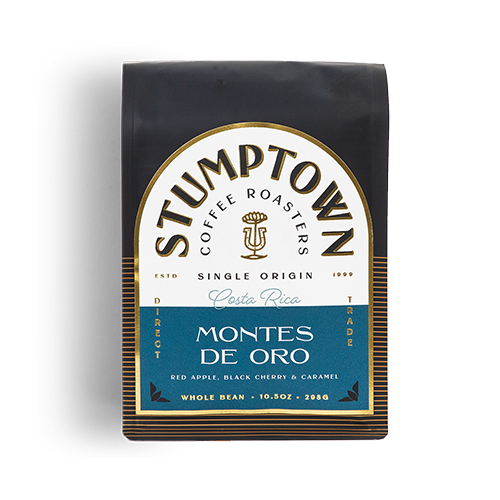
- Stumptown Coffee Roasters (Costa Rica Montes De Oro): A classic natural process emphasizing heavy, syrupy sweetness.
- Onyx Coffee Lab (Ethiopia Agaro Yukro G1): A clean, floral, and highly versatile washed Ethiopian coffee.
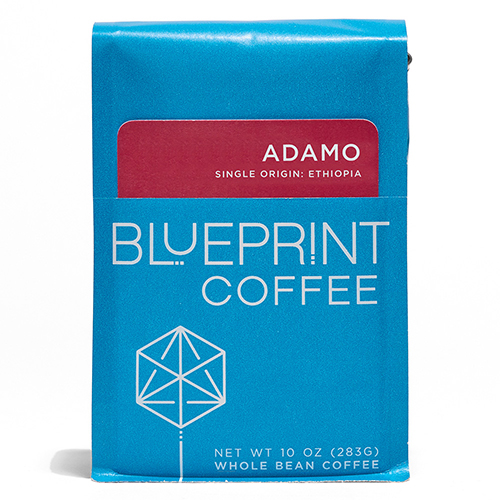
- Blueprint Coffee (Adamo, Ethiopia): A naturally processed coffee focusing on fruit-forward complexity.
- Cartel Roasting Co. (Kenya Kiangoi AA): An example of rigorous quality control and high-standard processing in the Kirinyaga region.
- Partners Coffee (Kenya Rianjagi AA): A classic Kenyan profile featuring blackberry and candied ginger.
- Portland Coffee Roasters (OPBEANS): An organic, women-produced coffee highlighting social equity in Honduras.
- La Barba Coffee (Ecuador Hacienda La Papaya Typica Natural): A balanced, strawberry-noted natural coffee.
- Verve Coffee Roasters (Long Play Decaf): A sugar-cane processed decaf that prioritizes texture and flavor retention.
- Joe Coffee Company (Café Feminista): A mission-driven offering highlighting equity in the supply chain.
- Olympia Coffee (Big Truck): A flagship blend designed for consistency across all brew methods.
- Mr. Espresso (Java Garut): An unusual Indonesian natural process offering distinct tropical fruit notes.
- PERC (Super Power Plum): An experimental lot from Diego Bermudez highlighting extreme sweetness and fruit clarity.
Final Analysis
The trajectory of the specialty coffee industry is clearly leaning toward greater transparency, increased technical experimentation, and a stronger focus on the socioeconomic health of producing regions. As these roasters continue to leverage their platforms to educate consumers, the market for "commodity" coffee will likely face increased pressure to match the standards of these specialty leaders. The next few years will be critical in determining whether these innovative practices can scale sufficiently to combat the existential threats posed by climate change, but for now, the quality of coffee available to the average consumer is at an all-time high. Consumers are encouraged to explore these roasters via their respective digital platforms or through the subscription newsletters that often provide the first access to these limited-run, high-value harvests.