Reynand Holland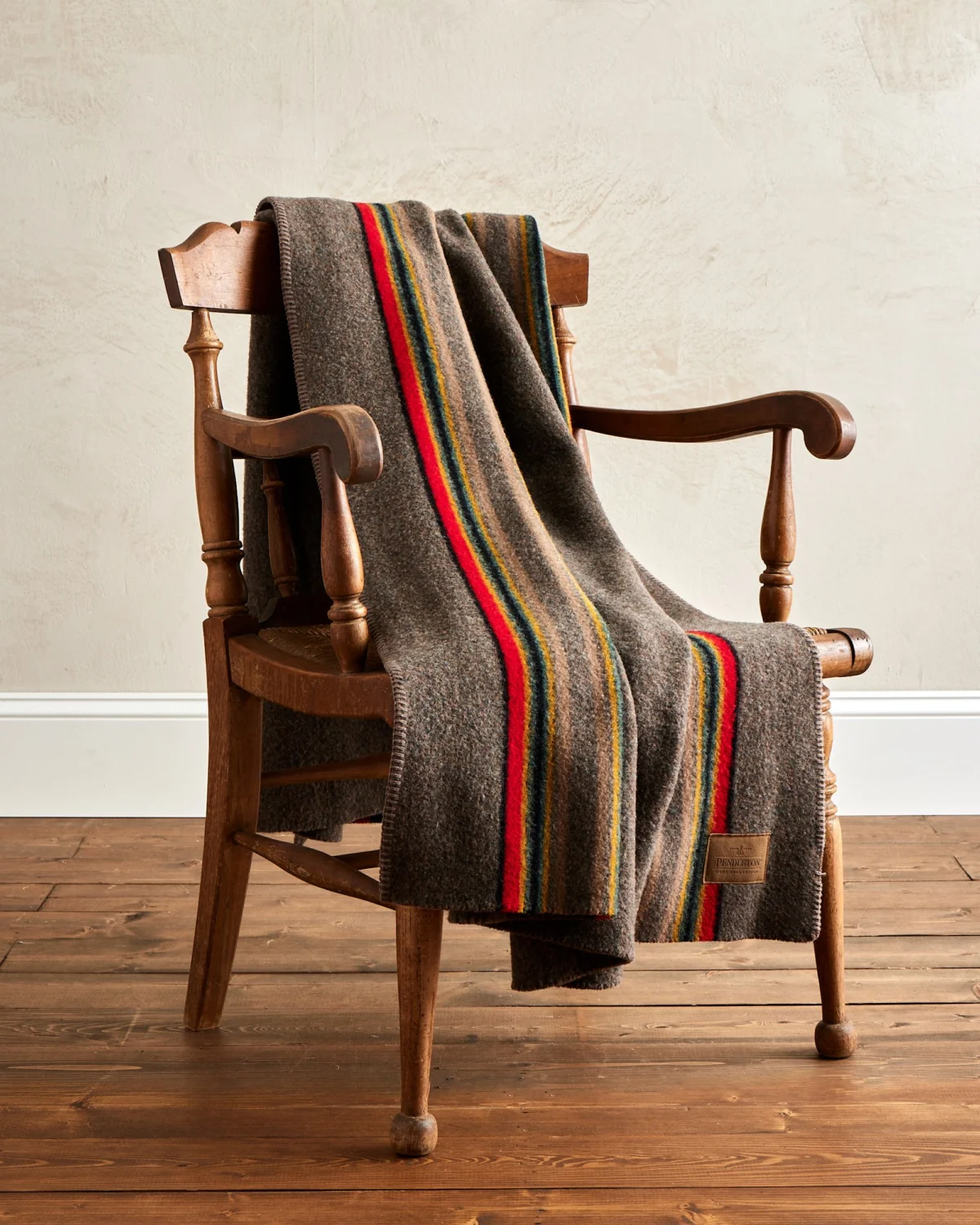
As winter approaches and temperatures drop, demand for household textiles such as throws, quilts, and heavy blankets rises significantly. Consumer research indicates that blankets remain among the most popular seasonal home goods purchases and holiday gifts. However, the modern textile market contains a vast array of synthetic alternatives that can compromise indoor air quality and present skin sensitivities. Finding high-quality, durable winter bedding requires careful consideration of raw materials, chemical processing, and supply chain ethics.
The widespread adoption of synthetic textiles in the home goods industry has accelerated over the past several decades. Traditional manufacturing processes frequently rely on petroleum-derived fibers such as polyester, nylon, and acrylic. Furthermore, these synthetic blankets are commonly treated with immuno-sensitizing azo-benzene disperse dyes. Scientific studies and consumer safety organizations have noted that these chemical dyes can trigger skin contact dermatitis when individuals snuggle beneath treated blankets. Additionally, microscopic synthetic fibers and chemical residues break off over time, contributing to household dust accumulation. Consequently, occupants routinely breathe in and ingest these hazardous substances within domestic living spaces.
In response to growing environmental and health concerns, consumer preferences have shifted toward natural, biodegradable fibers. Industry analysts observe a steady increase in market share for home textiles crafted from organic cotton, alpaca, merino wool, linen, Tencel, and hemp. These materials offer superior thermal regulation and breathability without the associated chemical risks. To substantiate safety claims, conscious consumers increasingly rely on rigorous third-party certifications. Labels such as Oeko-Tex Standard 100 and bluesign verify that finished textiles are free from harmful levels of toxic substances, heavy metals, and carcinogenic colorants.
Beyond material composition, manufacturing longevity and timeless design play a critical role in reducing environmental impact. Industry sustainability metrics highlight the importance of product lifecycles. For instance, natural animal fibers like wool possess inherent anti-odor and moisture-wicking properties, eliminating the need for frequent washing. This reduces water and energy consumption associated with textile maintenance. Brands that prioritize classic aesthetic styles help mitigate fast-furnishing trends, ensuring that a single investment in a quality blanket can last for decades rather than seasons.
Supply chain transparency represents another major pillar of the modern sustainable home goods sector. Ethical manufacturing standards ensure that artisans and farmers receive living wages and operate in safe conditions. Independent verifications from Fair Trade USA and the World Fair Trade Organization offer reliable benchmarks for evaluating corporate social responsibility. By investing in traceable supply chains, consumers directly support traditional craftsmanship and heritage weaving techniques across the globe.
To assist shoppers in navigating the crowded winter textile market, industry researchers have compiled an exhaustive directory of verified brands that meet strict ecological, ethical, and quality standards.
Pendleton
Established in 1909, Pendleton operates two of the few remaining historic woolen mills in the United States. The company manages the entire production lifecycle domestically, overseeing the scouring, dyeing, spinning, weaving, and hand-finishing of wool and cotton textiles. Pendleton holds Oeko-Tex certification across its core blanket lines and maintains long-standing partnerships with domestic wool growers as well as Indigenous artists who design its signature geometric patterns.
Price Range: $60–$529
Availability: United States
Minna
Based in Upstate New York, Minna is a certified B Corporation and a queer-led enterprise known for its minimalist, abstract-patterned home textiles. The brand produces its collection in small batches utilizing alpaca fiber, Oeko-Tex-certified cotton, and merino wool. Minna fosters direct relationships with artisan cooperatives throughout Central and South America, ensuring fair compensation and publishing the specific maker details on every product page.
Price Range: $165–$398
Availability: International shipping to most countries
April Notes
April Notes specializes in sustainable, low-impact home linens constructed from linen, cotton, and merino wool. All products are certified free of harmful synthetic chemicals and artificial dyes, rendering them naturally hypoallergenic and breathable. To combat overproduction and textile waste, the brand operates on an on-demand manufacturing model. April Notes collaborates exclusively with a boutique atelier in Lithuania to safeguard traditional European craftsmanship and guarantee fair working conditions.
Price Range: $149–$180
Availability: United States, Canada, United Kingdom, Australia, New Zealand, Mexico, Norway, Switzerland, Gibraltar, and European Union member states
Avocado
Headquartered in Los Angeles, Avocado is a certified B Corporation widely recognized for its sustainable sleep products. Its comprehensive throw blanket collection utilizes Oeko-Tex-certified organic cotton, alpaca wool, cashmere, merino wool, and recycled cotton. Notably, several alpaca wool throws utilize naturally occurring fleece colors, entirely eliminating the dyeing process. Remaining dyed products exclusively employ azo-free colorants, backed by regular independent audits of its Northern Indian wool supply chain.
Price Range: $39–$349
Availability: United States
Coyuchi
Coyuchi designs premium home goods engineered for minimal ecological disruption. Its blanket catalog features organic cotton and wool harvested in India, subsequently woven within Fair Trade-certified facilities located in Turkey, Portugal, and Germany. The brand provides detailed educational resources, including an online blanket guide designed to assist buyers in selecting appropriate thermal weights and weaves for specific climates.
Price Range: $58–$478
Availability: United States
Savvy Rest
As a certified B Corporation, Savvy Rest focuses on chemical-free organic bedding. The company manufactures a dedicated line of organic cotton, dye-free blankets ranging in size from decorative throws to king dimensions. All cotton cultivation and final weaving processes take place entirely within the United States, minimizing transport-related emissions.
Price Range: $89–$198
Availability: United States
Under the Canopy
Under the Canopy utilizes Oeko-Tex-certified low-impact dyes for its entire line of intentional, durable throws. The brand sources organic cotton from Turkey and merino wool from Argentina, executing production across certified facilities in India, Pakistan, Turkey, and China.
Price Range: $178–$212
Availability: United States
Boll & Branch
Operating as a Fair Trade Certified bedding manufacturer, Boll & Branch emphasizes non-toxic processing methods to deliver soft, high-durability textiles. Its collection of throws and blankets is crafted by artisan groups in India, Turkey, and Pakistan using strictly traceable, Oeko-Tex-certified organic cotton and alpaca fibers.
Price Range: $149–$699
Availability: United States and Canada
Bearaby
While primarily recognized for weighted blankets engineered to alleviate sleep disruption and anxiety, Bearaby also produces a range of conventional lightweight throws. The enterprise incorporates sustainable raw inputs including Austrian Tencel, Indian organic cotton, and Oeko-Tex-certified recycled polyester across various weight classes and dimensions.
Price Range: $149–$309
Availability: United States
Cold Picnic
Cold Picnic approaches home textiles as functional art, utilizing domestically sourced, Oeko-Tex-certified recycled cotton. Designs are conceived in Brooklyn, New York, with batch production executed by a family-owned domestic manufacturer alongside handmade quilts crafted by artisan cooperatives in India. Consumers sensitive to synthetics should note that select catalog items incorporate minor blends of polyester.
Price Range: $130–$560
Availability: Worldwide
Parachute
Parachute operates as a direct-to-consumer home goods brand emphasizing modern aesthetics and structural durability. Its blanket line features Oeko-Tex-certified inputs, including cotton, alpaca wool, and linen. Parachute maintains strict supply chain oversight through manufacturing partnerships with Fair Trade-certified facilities in Portugal and Turkey. Buyers should verify specific product labels, as select items contain minor percentages of synthetic fibers.
Price Range: $99–$289
Availability: United States and Canada
The Citizenry
The Citizenry partners with international artisan guilds to produce lightweight and warm throws, quilts, and blankets. The brand utilizes ethically sourced, Oeko-Tex-certified materials such as alpaca wool, mohair, linen, and cotton. Complete provenance data is provided for every item, highlighting the exact geographic origin and weaving cooperative. Select items incorporate minor synthetic blends, necessitating review by consumers with chemical sensitivities.
Price Range: $189–$299
Availability: United States and Canada
Made Trade
Made Trade serves as an online curated marketplace that vets participating brands for social and environmental compliance. The platform allows consumers to filter inventory based on specific ethical metrics, including domestic manufacturing status, artisanal handcrafting, and Fair Trade certification. Shoppers can similarly sort by preferred fiber types, encompassing organic cotton, recycled polyester, hemp, linen, and premium wools.
Price Range: $40–$719
Availability: United States, Australia, Canada, United Kingdom, and select European and Asian nations