Indra Kusuma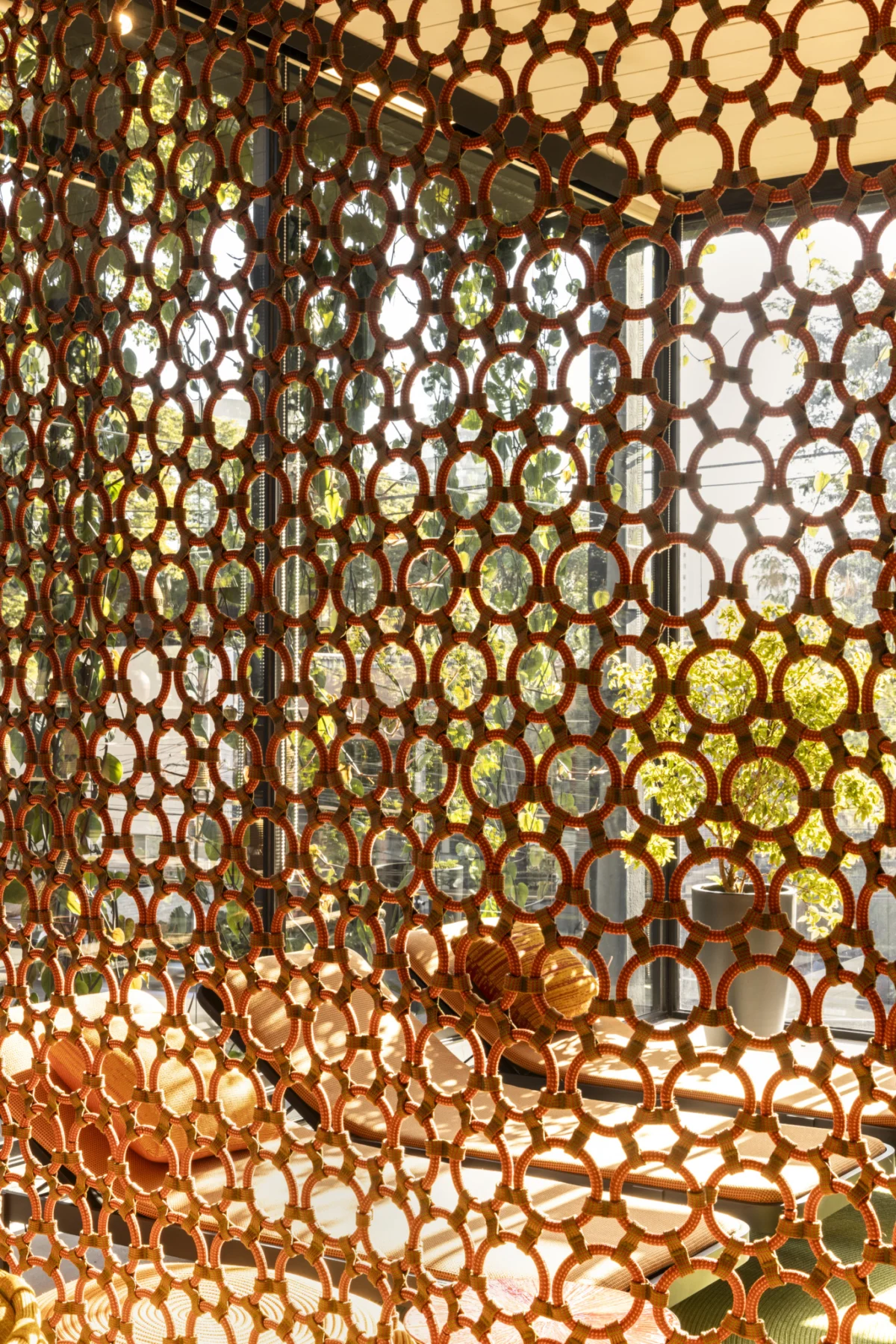
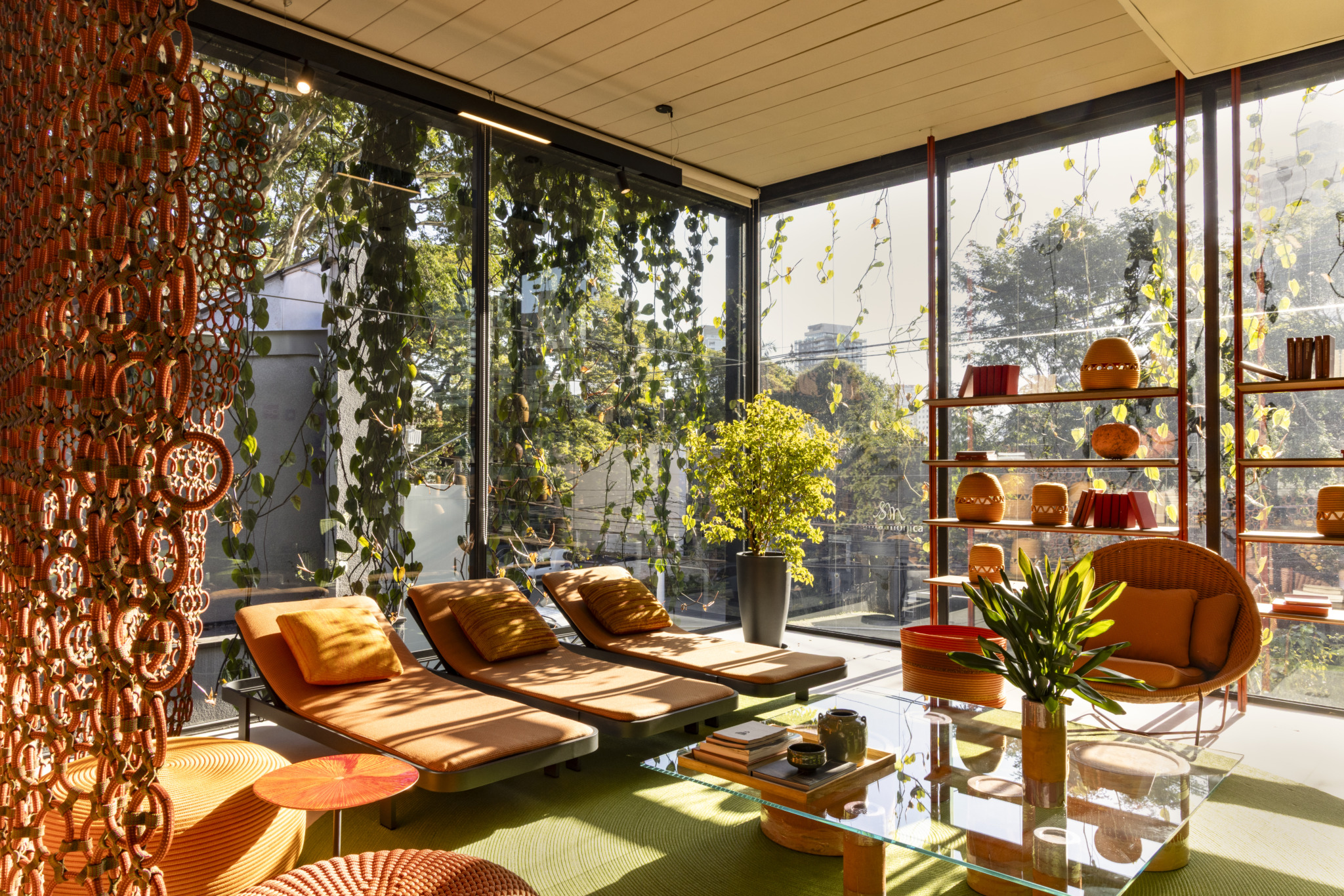
In the heart of São Paulo’s affluent Jardins neighborhood, a new architectural landmark has emerged that challenges the traditional boundaries between urban retail space and botanical environment. Designed by the esteemed firm Armentano Arquitetura (AARQ), the new 8,100-square-foot flagship for the iconic Italian design house Paola Lenti is a masterclass in controlled restraint. Rather than imposing a monolithic structure upon the streetscape, the three-story building functions as a transparent, living vessel—a delicate framework designed to recede behind a shifting, growing curtain of vegetation. This project, which serves as the exclusive Brazilian retail hub for the brand under the stewardship of Casual Móveis, marks a significant shift in how luxury furniture is curated and presented in a global context.
Architectural Philosophy and Structural Precision
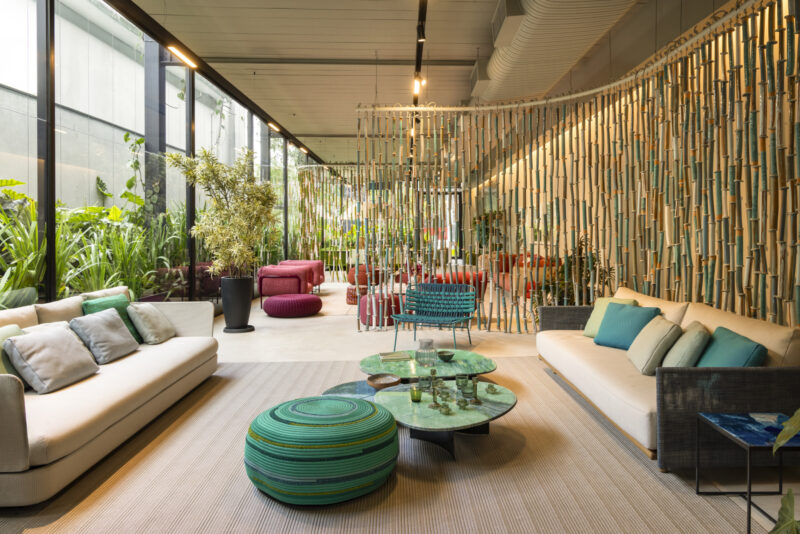
The design brief for AARQ centered on a singular, challenging ambition: to create a space that does not compete with the furniture it houses. Paola Lenti is internationally recognized for its synthesis of technical innovation and artisanal craftsmanship, particularly in the development of proprietary high-performance fibers and intricate textile weaving. These products are characterized by their intense saturation of color and tactile complexity. To provide a neutral, yet sophisticated backdrop, AARQ’s creative director, João Armentano, opted for a rigorous, independent metal structure that allows for an open, flexible floor plan.
The interior is defined by a sense of fluidity. By utilizing a structural grid that echoes the technical precision found in the brand’s manufacturing process, the architects have ensured that the furniture remains the focal point. Large, floor-to-ceiling glass envelopes allow natural light to flood the showroom, creating an environment where the transition between the indoor display and the outdoor tropical landscape of São Paulo is nearly seamless. The use of matte-black finishes for staircases and structural columns provides a graphic, minimalist contrast to the organic forms of the furniture and the vibrant greenery outside.

A Chronology of Concept and Execution
The development of the flagship was not a linear process, but rather an evolving dialogue between the architects and the nature of the brand. Initial conceptual studies, dating back to early 2024, focused on the necessity of a rigid, dark, rectilinear volume to anchor the site. As the design progressed, the team recognized that in a dense, compact urban environment like Jardins, total transparency might lack the necessary intimacy for a luxury showroom.
The decision to introduce a living façade was a critical turning point in the project’s timeline. By integrating tensioned steel cables across the exterior of the building, the architects created a vertical scaffold for native vines. This “botanical skin” serves a dual purpose: it provides essential privacy from the bustling street while simultaneously softening the building’s rigid geometry. The planting phase was intentionally staggered, and AARQ made the strategic decision to delay the official photography and grand opening until the vegetation had begun to establish itself. This patience allowed the building to perform its intended role—evolving alongside the brand’s collections—before it was presented to the public.
Technical Integration and Sustainability
From a technical perspective, the building represents a sophisticated intersection of material science and environmental design. The glass envelope serves as a passive climate moderator, while the external foliage acts as a natural sun-shading device, filtering harsh tropical light and reducing the solar heat gain within the showroom. This biophilic approach is increasingly prevalent in high-end retail architecture, where the integration of "living membranes" serves to enhance the psychological comfort of the consumer.
The structural system, while minimal in its footprint, is highly robust. The tensioned steel cabling system is designed to support the weight of mature vegetation without compromising the integrity of the glass curtain walls. Furthermore, the selection of flora was carefully curated to thrive in the specific microclimate of the Jardins neighborhood, ensuring that the maintenance of the facade remains sustainable and consistent with the brand’s long-standing commitment to environmental stewardship.

Industry Implications and Market Context
The opening of this flagship comes at a time when the luxury furniture market is undergoing a period of intense transformation. With Paola Lenti now operating in more than 60 countries, the brand is increasingly focusing on "experience-led" retail. In a post-digital era, where furniture can be purchased with a single click, the physical showroom must offer something that the screen cannot: a visceral, sensory-rich environment that reinforces the quality and longevity of the materials.
Industry analysts note that the "receding architecture" approach—where the building is secondary to the product—is a growing trend among luxury houses looking to build brand loyalty through environmental immersion. By creating a space that feels like a private residence or a lush garden retreat, the Paola Lenti flagship in São Paulo effectively elevates the act of shopping into a meditative experience. This strategy has already garnered positive reactions from the local design community, who view the project as a successful synthesis of international design standards and local architectural vernacular.

Expert Perspective: The Role of the Architect
João Armentano’s approach to this project highlights a nuanced understanding of the architect’s role in the 21st century. "Our role isn’t to compete visually with the objects," Armentano stated during the project’s unveiling. "It’s precisely to frame them in the best possible way." This philosophy of "architectural serviceability" suggests that the most successful retail spaces are those that exhibit a high degree of humility. By allowing the building to be "unfinished"—that is, allowing the plants to continue their growth cycle indefinitely—AARQ has created a dynamic, ever-changing backdrop that mirrors the constant innovation of the brand itself.
The project serves as a case study for future developments in dense, urban, and high-temperature climates. It demonstrates that transparency does not have to result in a sterile or overly exposed environment. Through the strategic use of layers—glass, steel, and vegetation—AARQ has achieved a level of complexity that is rarely seen in standard commercial construction.

Looking Toward the Future
As the vines continue to drape over the glass and the building becomes increasingly integrated into the neighborhood, the flagship is expected to become an even more prominent feature of the São Paulo design circuit. For Casual Móveis, the challenge now lies in maintaining the delicate balance between the evolving exterior and the high-performance interior collections.
The success of the Paola Lenti flagship is a testament to the power of slow, thoughtful architecture. In a market dominated by the need for instant visibility and viral social media content, the decision to wait for the building to "mature" before its public debut is a bold, principled move. It signifies that for top-tier design brands, the narrative of a building is just as important as its physical footprint. As the flagship continues to grow and change, it will undoubtedly remain a focal point for discussions on the intersection of architecture, landscape, and the future of global retail design. The building stands not just as a showroom, but as a living testament to the brand’s dedication to craftsmanship, patience, and the art of the frame.