Cintya Tara Annisa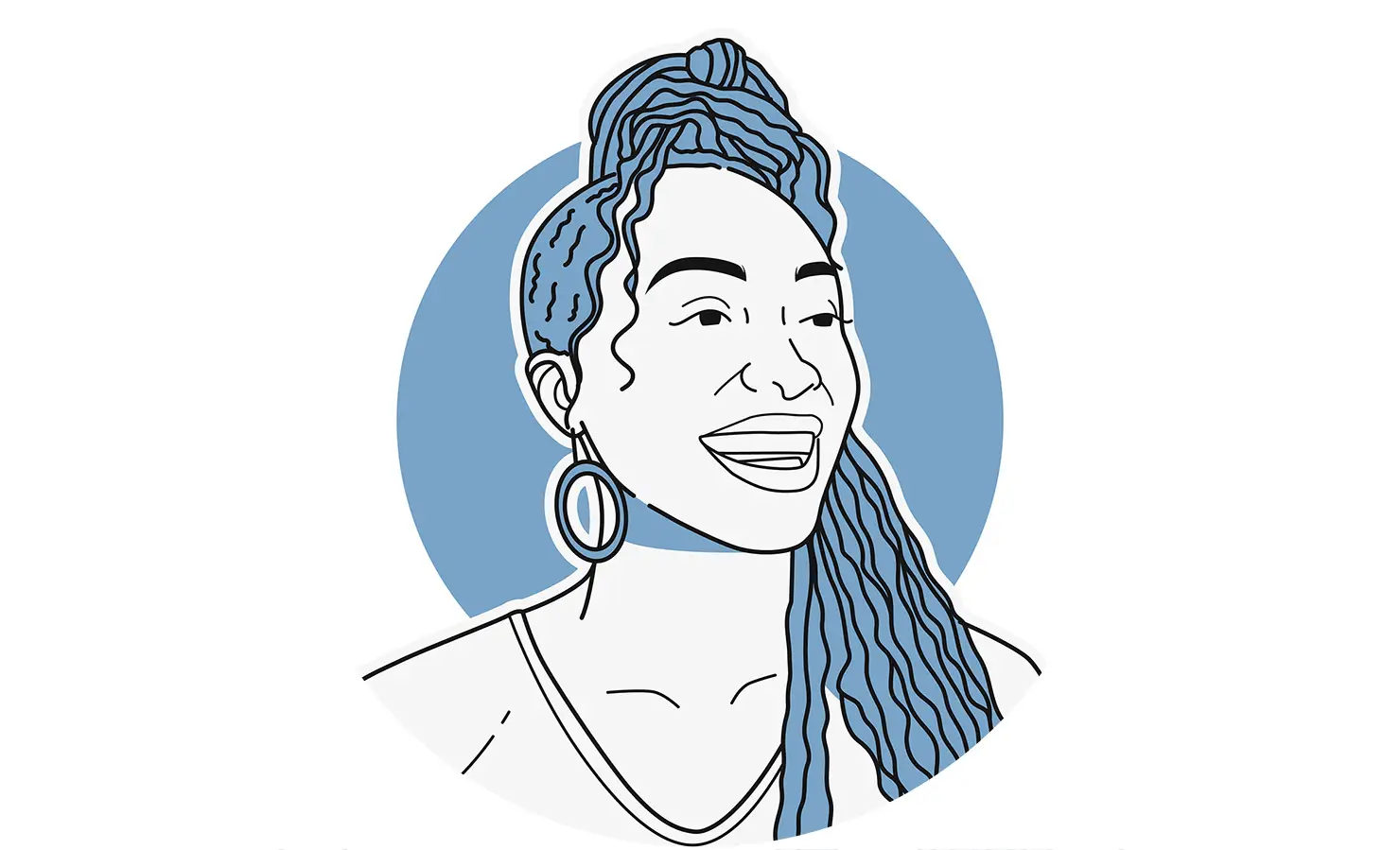
The annual Sprudge Twenty initiative, presented in partnership with Pacific Barista Series, serves as a cornerstone of the global specialty coffee community, identifying 20 individuals whose work reshapes industry standards, social equity, and economic sustainability. Among the 2026 honorees is Vava Angwenyi, a Kenyan social entrepreneur whose seventeen-year tenure in the coffee sector has focused on decentralizing power and re-establishing the agency of smallholder farmers within the global marketplace.
A Chronology of Impact: From Nairobi to the Global Stage
Vava Angwenyi’s career began in 2009 with the launch of Vava’s Coffee Lounge at Barclays Plaza in Nairobi. While this served as her entry point into the retail side of the industry, it quickly became a laboratory for her broader ambitions regarding the supply chain. During these formative years, Angwenyi began conducting independent, on-the-ground data collection, visiting coffee producers across Kenya to document their specific socioeconomic challenges.
By 2010, the foundational principles of Vava Coffee—a social enterprise aimed at sustainable livelihood creation—were solidified. Unlike traditional export-import models that often relegate producers to the bottom of the value chain, Angwenyi’s model sought to integrate the farmer as a stakeholder. Her influence expanded throughout the decade as she obtained her Quality Grader certification from the Coffee Quality Institute (CQI), providing her with the technical expertise to bridge the gap between farm-level production and international quality standards.
In 2019, Angwenyi joined the Board of the Specialty Coffee Association (SCA), where she served on the Finance and Sustainability Committees. This appointment marked a significant shift in industry representation, as she utilized her platform to advocate for greater inclusivity for African producers and youth within the global coffee governance structure. Today, her portfolio includes the management of Ocean Love Coffee, the co-founding of the youth-centric group Gente del Futuro, and the operation of La Dulce Toro in Lamu, Kenya—a facility dedicated to local coffee education and consumption.
The Economics of Empowerment and Data-Driven Advocacy
The coffee industry, valued at over $100 billion globally, is historically characterized by significant power imbalances between producing nations and consuming nations. Angwenyi’s work addresses these imbalances by challenging the "beneficiary" model. Her advocacy centers on the concept of "decolonizing empowerment," which posits that producers should move from being recipients of development aid to owners of their own narratives and financial futures.
Supporting data from the International Coffee Organization (ICO) frequently highlights the "coffee price volatility" problem, where smallholders receive a disproportionately low share of the final retail price. Angwenyi’s initiatives, such as her work with Gente del Futuro, focus on cross-cultural training and economic empowerment for youth in Tanzania, Kenya, and Colombia. By facilitating knowledge transfer between these regions, she enables farmers to negotiate more effectively, improve processing techniques, and ultimately capture more value at the point of origin.
Her book, Coffee Milk Blood, provides a narrative and visual record of these power dynamics. By documenting the personal stories of producers, Angwenyi creates a transparent record of the industry, moving beyond the sterile, often anonymized statistics that dominate trade reports.
Mentorship and the Influence of Value-Based Entrepreneurship
When asked about her professional development, Angwenyi notes that her trajectory was not defined by a singular mentor, but by an assembly of global entrepreneurs who challenged conventional market ethics. She cites Gary Hirshberg of Stonyfield Farm, Mark Cuban, and the late Anita Roddick of The Body Shop as primary influences.
This cohort of entrepreneurs represents a departure from traditional profit-maximizing models, favoring "triple bottom line" frameworks—profit, people, and planet. Angwenyi’s career trajectory serves as an application of these principles within the coffee sector. By studying the successes and failures of these figures, she successfully translated the corporate accountability models used in retail and manufacturing into the specialized, high-stakes environment of specialty coffee.
Industry Implications: The Need for African Leadership
One of the most critical aspects of Angwenyi’s advocacy is her critique of the current leadership landscape within the African coffee sector. She has frequently observed that despite the high volume of coffee originating from the continent, multinational companies operating in producer countries often reserve senior decision-making roles for expatriates.
This structural observation has profound implications for the industry. Research into "The Value Chain Gap" suggests that when management remains external, the intellectual property and strategic decision-making capacity are stripped from the producing nation. Angwenyi argues that true equity can only be achieved when leadership—and therefore the power to determine pricing, partnership, and distribution—aligns with the origin of the product. Her push for "local ownership" is not merely a moral argument but a strategic one; she asserts that the most effective way to modernize the industry is to empower those with the most intimate knowledge of the land and the crop.
Reactions and Peer Recognition
The nomination of Angwenyi for the Sprudge Twenty, submitted by Stephanie Haughey, reflects a growing industry consensus that traditional sustainability metrics are insufficient. Peers and collaborators often cite her ability to oscillate between technical expertise (as a Q Grader) and high-level structural analysis as a unique asset.
"The industry is seeing a shift," analysts note, "where the most effective advocates are those who possess both the technical skill to produce a world-class coffee and the political acumen to ensure the producer receives an equitable share of the premium." Angwenyi’s work with La Dulce Toro in Lamu is viewed as a pilot project for this shift. By fostering a local culture of high-end consumption, she helps stabilize the market for local farmers, insulating them from the volatility of international shipping and global price fluctuations.
Looking Toward the Future
As the coffee industry faces the dual threats of climate change and shifting consumer demographics, figures like Angwenyi provide a roadmap for resilience. Her advice to new entrants is rooted in practical necessity: "Have more than one skill to offer," she advises, emphasizing the importance of financial literacy, historical knowledge of production, and, above all, authenticity.
Her current focus—building partnerships based on transparency and shared risk—represents the next iteration of the specialty coffee movement. By de-emphasizing the charity-based relationship and emphasizing a collaborative, risk-sharing partnership, she is helping to redefine what it means to be a "specialty" roaster or importer.
The Sprudge Twenty recognition is more than an award; it is a catalog of the industry’s changing guard. By honoring Vava Angwenyi, the initiative acknowledges that the future of coffee is not found in the boardrooms of global exporters, but in the hands of the producers and the entrepreneurs who advocate for their rightful, central place in the global economy. Through her work, Angwenyi continues to prove that coffee is not just a commodity, but a vehicle for cultural exchange, economic justice, and, ultimately, a more equitable future for the millions of people who dedicate their lives to the crop.