Cintya Tara Annisa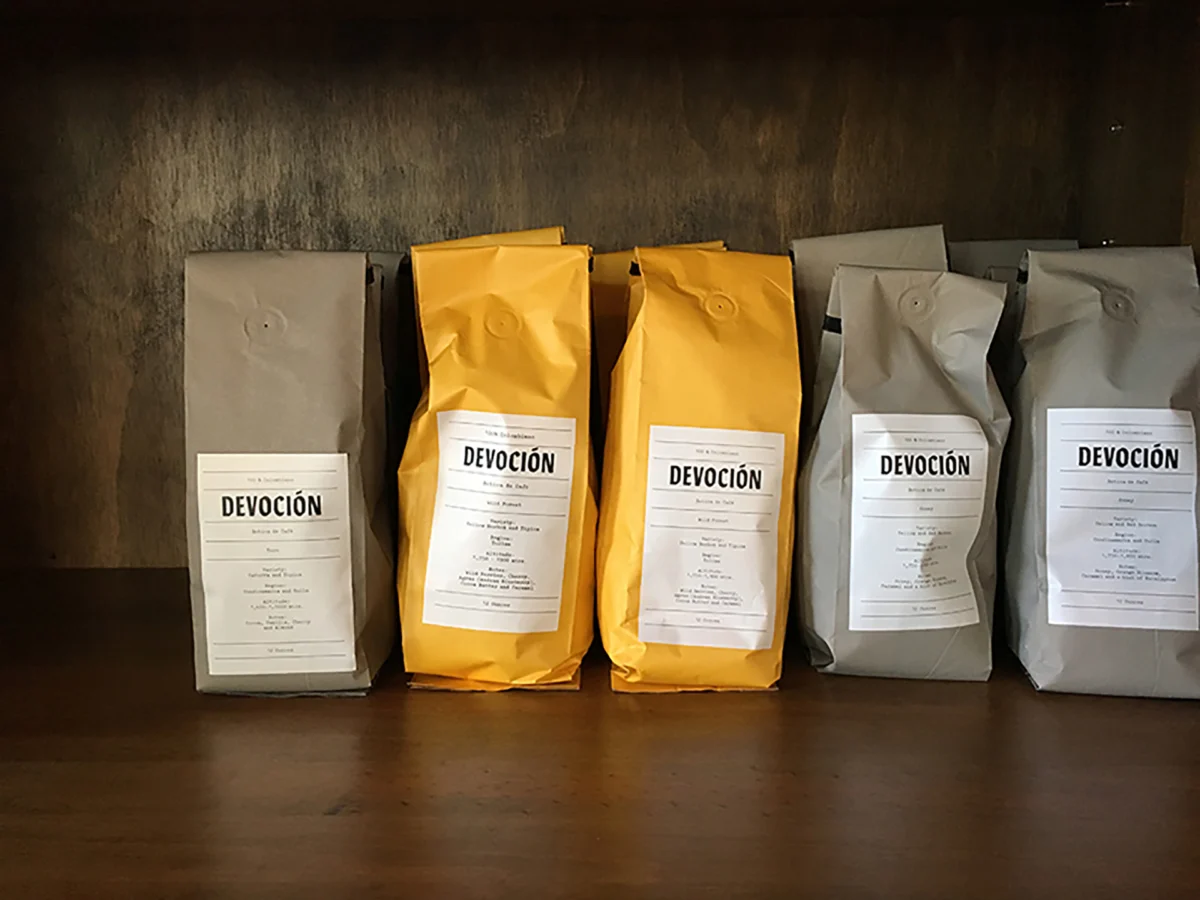
The 2026 Build-outs of Coffee series reaches its definitive conclusion with the unveiling of the newest Phil & Sebastian Coffee Roasters location in Calgary’s burgeoning Seton district. This milestone represents a strategic pivot for the Calgary-based specialty coffee institution, marking its formal entry into the city’s deep southeast quadrant. For nearly two decades, the company—founded by engineers Phil Robertson and Sebastian Sztabzyb—has remained a cornerstone of the Canadian specialty coffee scene. The launch of this location serves as a testament to their enduring commitment to high-precision brewing and long-term sustainability, themes that have defined their operations since their inception in 2007.
The 2026 Build-outs of Coffee project, presented by DONA, Pacific Barista Series, and La Marzocco, has showcased architectural and operational excellence across the global coffee industry throughout the year. The inclusion of Phil & Sebastian as a closing feature underscores the company’s status as an industry leader in both technical rigor and ethical sourcing.
A Legacy Built on Engineering Precision
The origins of Phil & Sebastian are deeply rooted in the analytical backgrounds of its founders. Both Robertson and Sztabzyb approached the coffee industry with an engineering mindset, prioritizing data, controlled variables, and process optimization. This technical foundation has allowed the company to scale significantly from its initial modest roots to its current status, which includes a centralized roasting facility in the historic Simmons Building, a network of cafes, and a robust wholesale distribution arm.
Since 2007, the company has focused on a vertically integrated model that emphasizes the "last mile" of coffee production. By maintaining control over the roasting process and implementing strict quality assurance measures, the company has consistently sought to raise the average cup quality across the region. Their approach to green coffee—which involves freezing shipments upon arrival in Calgary to mitigate the effects of aging—is a prime example of their commitment to scientific preservation of flavor profiles.
The Seton Expansion: A New Neighborhood Anchor
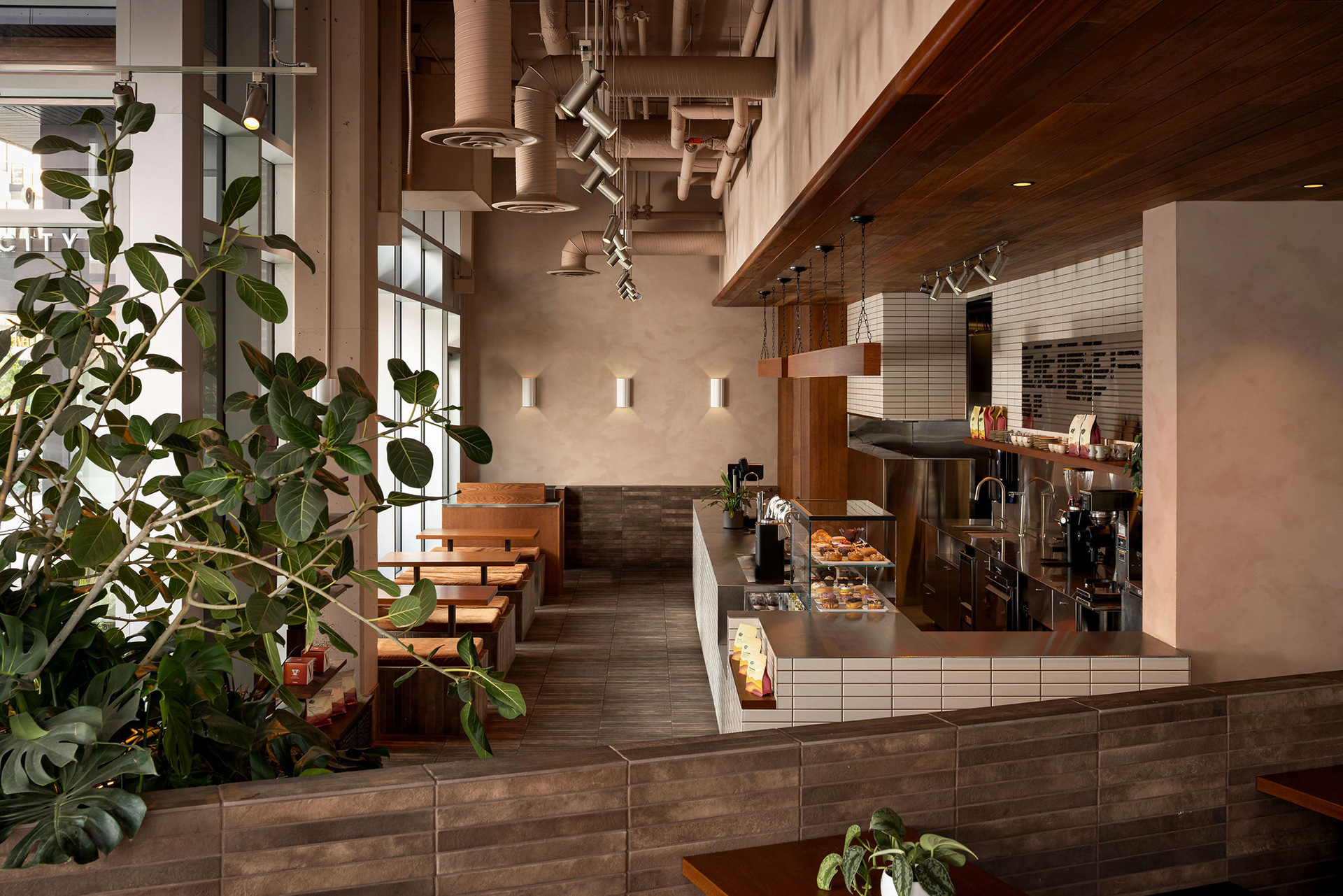
The decision to expand into the Seton district was predicated on the area’s rapid demographic shift. As a young, high-growth neighborhood, Seton presented an opportunity for the brand to move beyond the "commuter cafe" model and establish a community-centric hub. To execute this vision, the company partnered with Calgary-based design firm Way of Normal.
The resulting space reflects a departure from purely industrial aesthetics toward a more welcoming, functional environment. The design prioritizes natural light, high ceilings, and an open-concept layout that encourages social interaction. Beyond the coffee service, the integration of local partners—specifically Hoopla Donuts and Deputy Bagels—positions the Seton location as a comprehensive culinary destination. This diversification is a strategic response to changing consumer habits, where specialty coffee drinkers increasingly demand high-quality, curated food pairings.
Technical Infrastructure and Sustainability
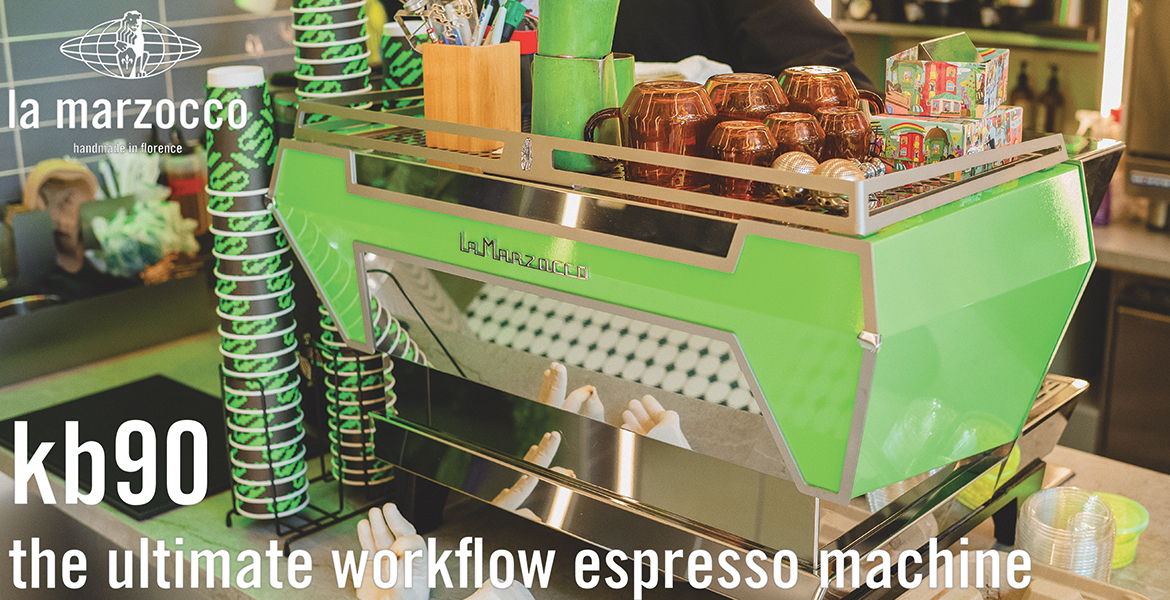
The operational heartbeat of the new Seton cafe is defined by its equipment, which was selected to balance performance with environmental responsibility. The inclusion of a Modbar espresso system allows for a clean, minimalist bar aesthetic while providing baristas with high-level control over extraction parameters.
Perhaps more significant is the adoption of Tone Touch 03 and 04 brewers. These machines represent a shift toward boilerless technology, which only heats water as required for each individual brew cycle. From an energy efficiency perspective, this is a substantial improvement over traditional batch brewers that maintain large volumes of heated water throughout the day. By minimizing "standby" energy consumption, Phil & Sebastian is aligning its infrastructure with broader corporate sustainability goals.
Economic and Ethical Sourcing Standards
The company’s approach to sustainability extends far beyond equipment choices. A significant portion of their business model relies on the stability of supply chains at origin. By committing to long-term contracts and paying premiums substantially higher than Fairtrade minimums, Phil & Sebastian aims to ensure the economic viability of the farms they partner with.
Data from the specialty coffee sector suggests that long-term, direct-trade relationships are essential for mitigating the volatility of global coffee markets. By investing in infrastructure at origin—such as improved drying beds or processing facilities—the company works to enhance the quality of the final product while simultaneously improving the livelihoods of producers. This symbiotic relationship is the cornerstone of their sourcing philosophy, which emphasizes that quality is not merely found, but cultivated through ongoing support and collaboration.
The Broader Impact on the Calgary Coffee Scene
The opening of the Seton location serves as a bellwether for the Calgary specialty coffee market. As the city continues to expand, the demand for high-end, accessible cafe spaces has intensified. By choosing a location outside of the traditional downtown core, Phil & Sebastian is effectively decentralizing the specialty coffee experience, bringing a high-touch, analytical approach to a broader suburban audience.
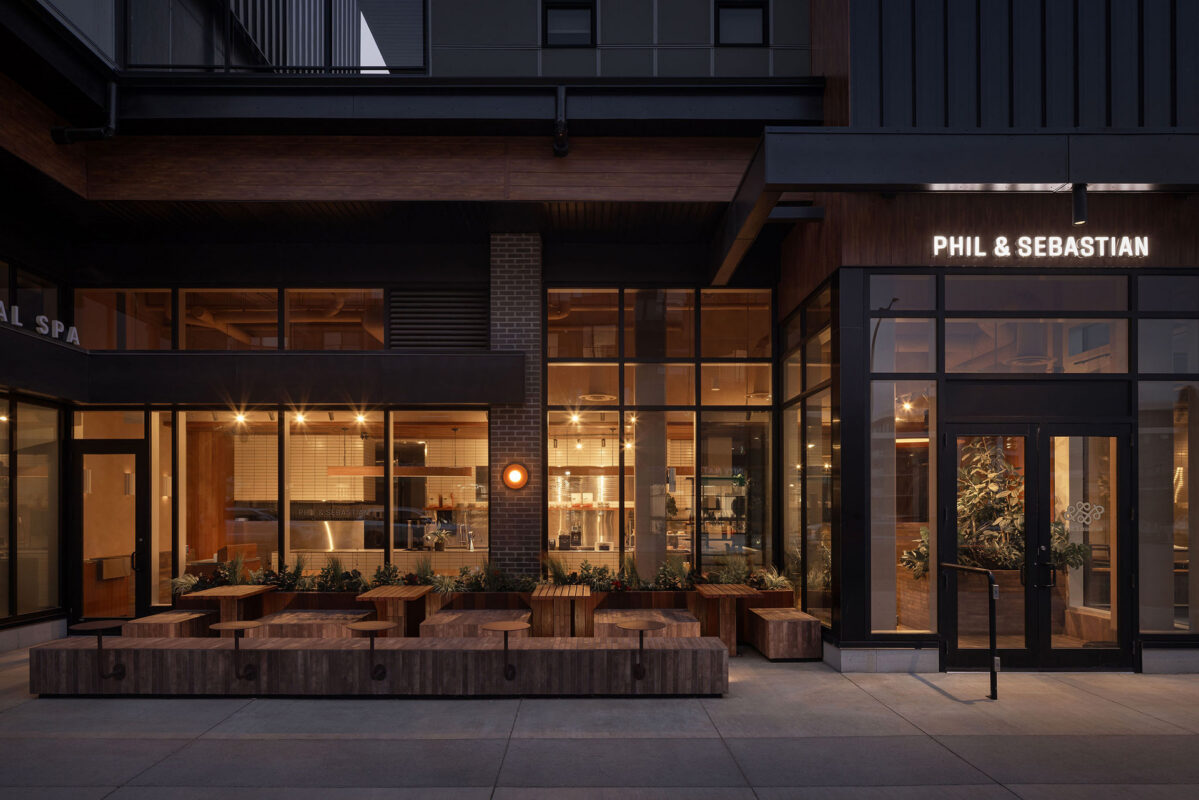
This expansion is reflective of a wider trend in the industry where established roasters are increasingly focusing on the "neighborhood cafe" as a vital point of engagement. While digital sales and wholesale channels remain important, the physical cafe acts as the brand’s primary interface with the consumer. It is here that the education process—explaining why a coffee costs more, why it tastes a certain way, and who produced it—is most effective.
Analysis: The Future of Retail Coffee
The trajectory of Phil & Sebastian over the last 19 years offers a compelling case study for the maturation of the North American specialty coffee market. The transition from "obsessed engineers" to an established regional powerhouse demonstrates the importance of balancing technical innovation with brand narrative.
The firm’s reliance on analytical testing—blind cupping, continuous measurement, and iterative refining—ensures that their product remains consistent despite the inherent variables of agriculture. In a competitive market where new roasters enter the fray annually, the company’s ability to retain its focus on the fundamental quality of the coffee is its greatest competitive advantage.
A New Chapter
The Seton cafe is now fully operational, serving as the latest testament to the company’s evolution. For those tracking the development of the 2026 Build-outs of Coffee, the Phil & Sebastian project stands as an exemplar of how to successfully scale a boutique operation without sacrificing the core principles of quality and sustainability.
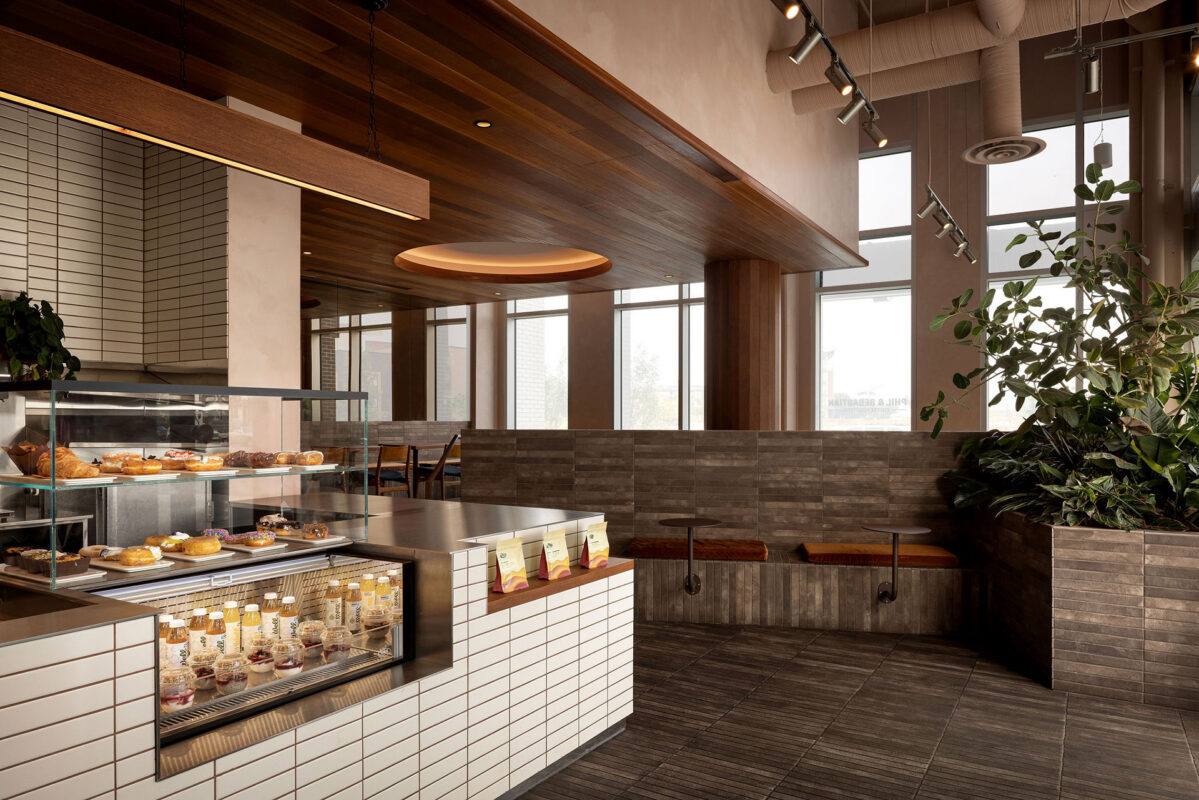
The collaboration with Way of Normal has resulted in a space that is as much a work of design as it is a functional laboratory for coffee excellence. As the industry looks toward 2027 and beyond, the focus will likely remain on the integration of more efficient technology and deeper, more resilient partnerships at origin. By establishing a presence in Seton, Phil & Sebastian has demonstrated that the future of specialty coffee lies in the ability to combine global ambitions with local, community-driven experiences.
The 2026 Build-outs of Coffee series concludes with this entry, having highlighted some of the most forward-thinking and technically proficient projects in the world. As the coffee landscape continues to shift, companies like Phil & Sebastian—grounded by their history but eager to iterate on the future—will undoubtedly lead the way in setting the standards for the industry at large. Through a combination of rigorous science, ethical sourcing, and strategic design, they continue to prove that the standard for coffee is not something to be met, but something to be consistently raised.