Cintya Tara Annisa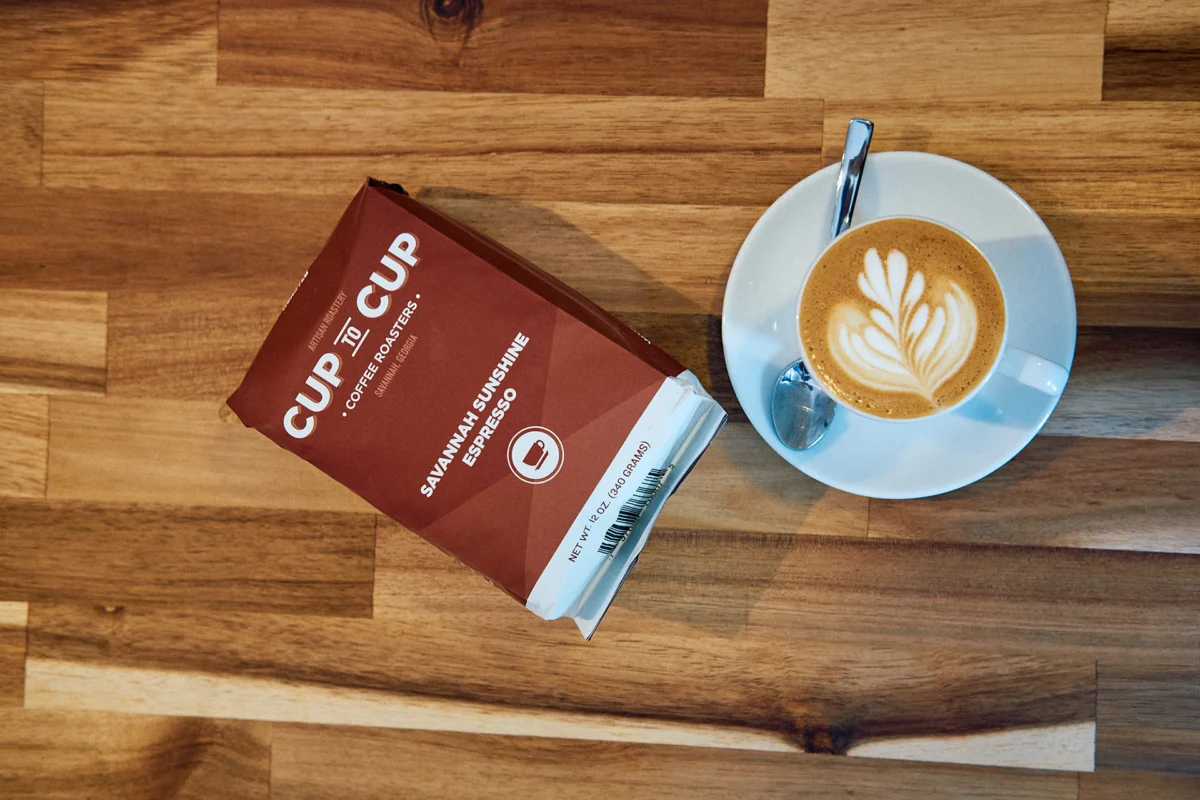
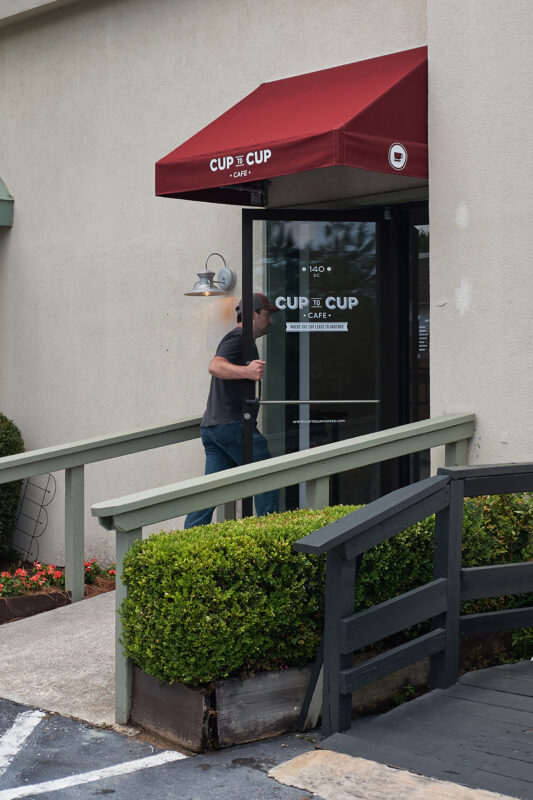
The 2026 Build-Outs of Coffee series, an annual spotlight on the architectural and operational evolution of the global specialty coffee industry, concludes its seasonal run on October 1st. As the series draws to a close, it highlights one of the most compelling narratives of the year: the strategic expansion of Savannah, Georgia’s Cup to Cup. Having transitioned from its origins in the city’s vibrant farmers market circuit to a dedicated roastery in 2009, and subsequently establishing its first brick-and-mortar cafe in 2016, the company is now marking its decennial anniversary of retail operation with the launch of a second cafe location on Wilmington Island. This expansion, situated directly adjacent to their existing roasting facility, represents a significant milestone in the company’s trajectory and underscores the enduring growth of regional, independent coffee roasters in the Southern United States.
A Decade of Growth: From Market Stalls to Neighborhood Anchors
The trajectory of Cup to Cup reflects a broader trend within the specialty coffee industry, where small-batch roasters are increasingly prioritizing community-centric retail footprints over aggressive, large-scale scaling. Founded in 2009, the company initially leveraged the low barrier to entry offered by Savannah’s local farmers markets to establish brand recognition and cultivate a loyal consumer base. This period of market-testing allowed the founders to refine their roasting profiles and operational logistics before committing to the capital-intensive venture of a physical cafe in 2016.
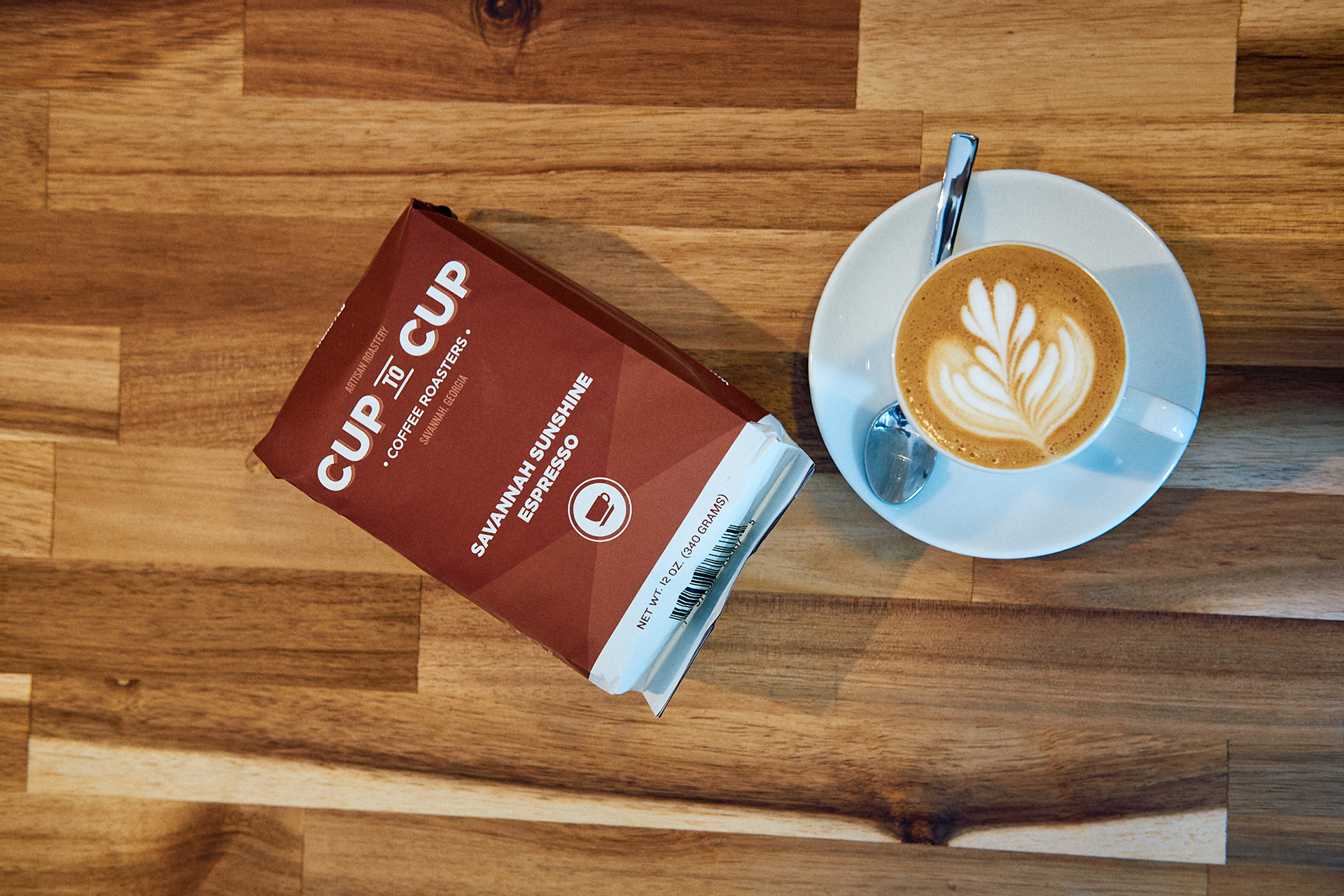
The decision to open a second location in 2026—exactly ten years after their first cafe launch—serves as a testament to the brand’s stability. While many specialty coffee businesses faced significant volatility during the early 2020s due to supply chain disruptions and shifting labor markets, Cup to Cup opted for a measured, organic growth model. By positioning the new cafe on Wilmington Island, the company is effectively decentralizing its operations, moving beyond the high-traffic, tourist-dense areas of downtown Savannah to serve a more localized, residential demographic.
The Architectural and Operational Philosophy
The new space, described by company representative James Spano, focuses on a "to-go" service model, mirroring the efficiency of their flagship downtown location. This design choice is not merely an aesthetic preference but a functional decision driven by the constraints and opportunities of the Wilmington Island site. By focusing on high-velocity service, the cafe maximizes the output of its specialized equipment while maintaining the intimacy of a smaller retail footprint.
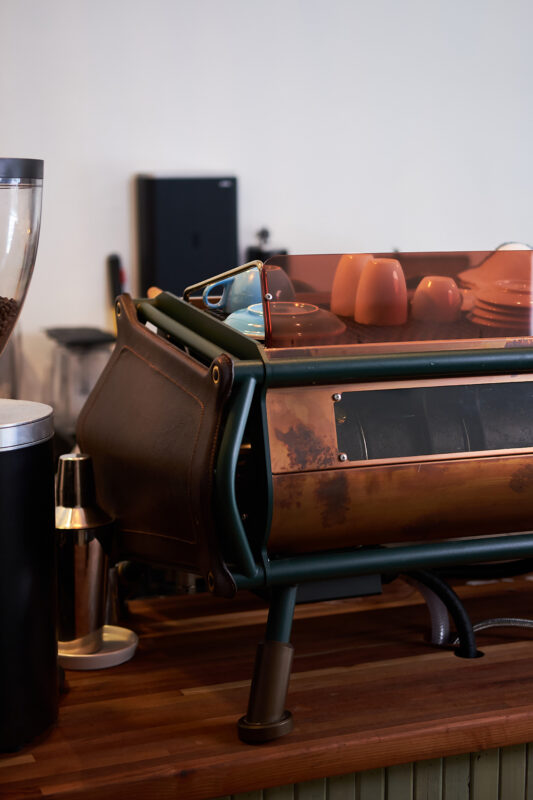
The hardware selection for the new facility demonstrates a commitment to high-performance technology. The centerpiece of the bar is a Sanremo Cafe Racer, a machine renowned for its thermal stability and precision-engineered pressure profiling, which is essential for consistent extraction in a high-volume environment. This is supported by a trio of Mahlkönig E80 grinders, a standard-bearer for cafes that prioritize grind uniformity and workflow efficiency. For batch brewing, the company continues its reliance on the Wilbur Curtis platform, a workhorse of the industry that provides the reliability necessary to support their, as they describe, "purist" approach to black coffee.

Sustainability as a Human and Material Mandate
In the context of the 2026 Build-Outs of Coffee, the concept of "sustainability" is often scrutinized through the lens of energy consumption or waste reduction. However, Cup to Cup approaches the term through a dual-lens: human capital and resource repurposing.
Labor retention remains one of the most significant challenges in the food and beverage industry, with turnover rates often exceeding 100% annually in urban markets. Cup to Cup reports an average employee tenure of four years, an outlier in a sector characterized by high volatility. This stability is largely attributed to the company’s emphasis on relational coffee service, which prioritizes long-term staff development over short-term staffing solutions.
Beyond the human element, the company has adopted an aggressive circular-economy approach to its physical infrastructure. Rather than investing in new, energy-intensive build-outs, the management team has sourced and refurbished second-hand brewing equipment and grinders. This practice serves both an environmental and a financial function, lowering the carbon footprint of the expansion while preserving the aesthetic and operational integrity of the equipment. A notable example is the central service counter, salvaged from a defunct local bakery. By integrating legacy fixtures, the company maintains a visual link to the local history of the neighborhood, effectively blending the old with the new.
Industry Context and Market Implications
The Build-Outs of Coffee series, presented by industry partners DONA, Pacific Barista Series, and La Marzocco, provides a vital window into the state of the industry. The participation of companies like Cup to Cup in this series highlights a pivot toward "hyper-local" specialty coffee. Unlike large national chains that rely on standardized aesthetics and centralized supply chains, regional roasters are increasingly defining their success through deep integration with their local communities.
Data suggests that the specialty coffee sector is currently undergoing a "maturity phase." After the rapid expansion of the late 2010s, current market conditions favor businesses that possess both a strong roasting identity and a loyal local following. The strategy employed by Cup to Cup—expanding in close proximity to their existing roastery—mitigates the logistical costs of distribution and ensures that the freshness of the product remains the primary value proposition for the consumer.
Looking Toward the Future
As the 2026 Build-Outs of Coffee series concludes, the example set by Cup to Cup provides a blueprint for small-scale expansion. By leveraging the expertise of local craftspeople—such as builder Tanner Hamilton—and maintaining a disciplined, service-oriented management team, the company has managed to scale without diluting its core values.
The successful opening of the Wilmington Island location, targeted for early June 2026, represents more than just a new point of sale; it is a validation of the "slow-growth" business model in an era often defined by hyper-competition. As the company continues to serve the Savannah area, its trajectory remains a subject of interest for industry analysts monitoring the resilience of independent, community-focused coffee enterprises. The integration of high-end, refurbished technology with a, as noted by the owners, "approachable" service style, provides a template that may well influence future retail developments in secondary and tertiary coffee markets across the country.
The 2026 series has underscored that while equipment, location, and aesthetic play a role in the success of a cafe, the ultimate sustainability of the model relies on the ability of the operator to bridge the gap between technical precision and community engagement. As Cup to Cup enters this new chapter, it remains a defining representative of the values that the modern specialty coffee movement seeks to uphold.