Ali Ikhwan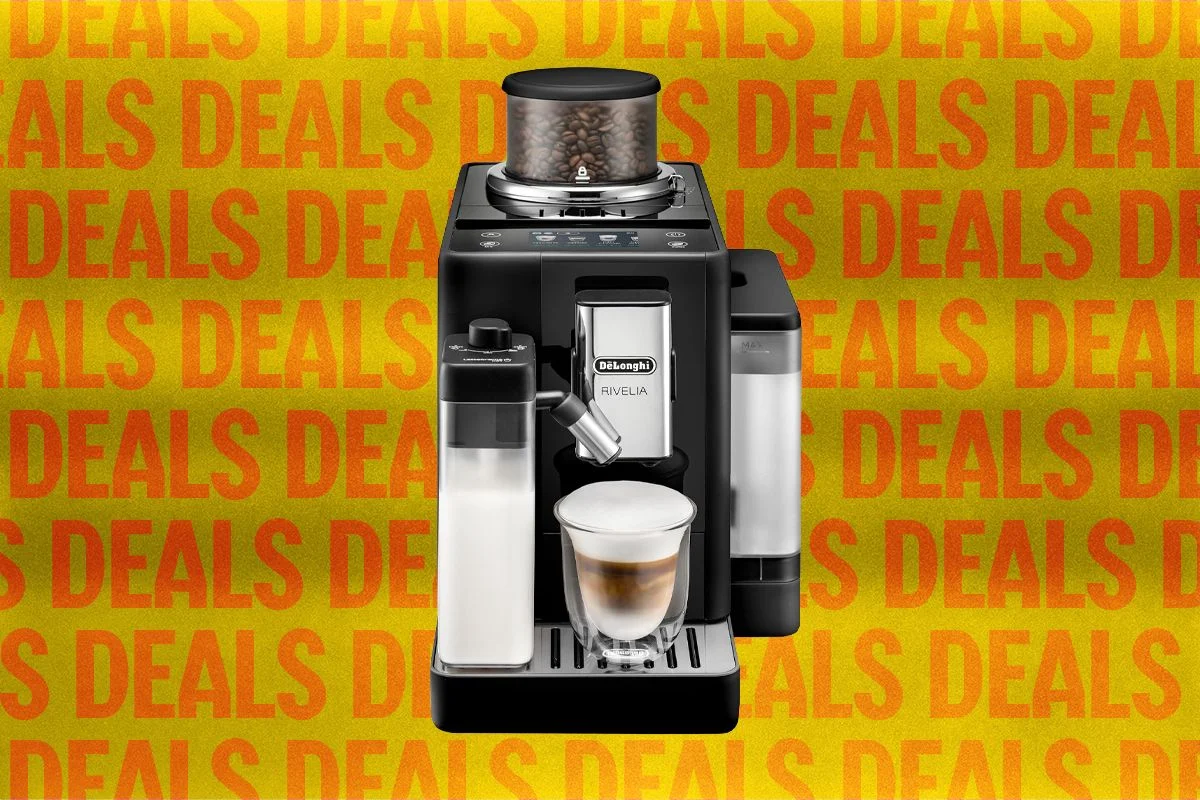
September 29 serves as a significant marker on the annual calendar for the global coffee industry, acting as a focal point for consumer engagement and retail strategy. While the date shares the calendar with various niche observances—ranging from Goose Day to commemorations of private milestones—it is most prominently recognized as National Coffee Day in the United States. This observance, established by the National Coffee Association (NCA) approximately fifteen years ago, functions as an unofficial kickoff to the autumn beverage season. Although often conflated with International Coffee Day, which is observed globally on October 1, the American holiday has historically been defined by a surge in retail promotions and promotional marketing designed to drive traffic to major coffee chains.
The Evolution of Retail Strategy
The landscape of National Coffee Day promotions has shifted noticeably in recent years. Historically, the holiday was synonymous with "loss-leader" marketing tactics, where major franchises like Dunkin’ and Panera Bread offered complimentary or deeply discounted beverages to build brand loyalty. However, industry data from 2026 indicates a strategic pivot among major market players. Rather than relying on simple discounts, chains are increasingly focusing on product innovation and limited-time releases. This shift suggests that companies are prioritizing customer lifetime value and brand engagement over immediate, low-margin transaction volume.
For instance, Krispy Kreme has leveraged the date to introduce coffee-flavored doughnut variations, while Starbucks has debuted the "aerocano," a proprietary air-whipped variation of its standard iced Americano. This trend reflects broader patterns in the quick-service restaurant (QSR) sector, where firms are increasingly utilizing proprietary technology and menu experimentation to differentiate their offerings in a saturated market. For the average consumer, this means that the traditional "free cup of coffee" may be harder to find at major retail locations, necessitating a move toward home-brewing solutions for those seeking tangible value.
Market Context and Economic Drivers
The specialty coffee market has experienced robust growth, with a growing segment of the population investing in high-end home brewing equipment. According to recent market analysis, the home-coffee appliance sector is currently valued in the multi-billion dollar range, with year-over-year growth driven largely by "prosumer" grade equipment—appliances that bridge the gap between commercial machines and basic household drip brewers.
This shift toward home brewing is underscored by the current promotional environment. While major retailers have moved away from discounting their base products, specialty manufacturers are offering aggressive sales on equipment, recognizing that the consumer who invests in a high-quality machine is more likely to remain within their specific brand ecosystem for accessories, maintenance, and beans.
Curated Equipment and Subscription Opportunities
For consumers looking to optimize their home-brewing setup, several key deals have emerged that provide significant savings compared to typical retail pricing.
Subscription Models and Fresh-Roasted Access
The subscription model has become a staple of the modern coffee industry, providing roasters with predictable recurring revenue while offering consumers consistent access to fresh products. Atlas Coffee Club continues to lead in this space, having maintained a consistent positive reception for its direct-to-consumer logistics. Through October 5, the company has implemented a multi-tiered promotion:
- A $5 entry-level price point for a 12-ounce bag of single-origin coffee with a new subscription.
- A 50 percent reduction in pricing for single-serve pods compatible with Keurig and Nespresso platforms.
- A $50 discount on long-term gift subscriptions, bringing the six-month service cost to $99.
This strategy addresses the "hard-to-shop-for" consumer segment, effectively turning a commodity item into a personalized gift.

Advancements in Super-Automatic Espresso
The market for super-automatic espresso machines—devices that automate the entire process from bean grinding to milk frothing—has reached a level of technical sophistication previously unavailable to the home market. The De’Longhi Rivelia represents a significant development in this category, featuring "bean-assist" technology and user-specific profiles that cater to multiple household members with varying preferences.
Industry analysts have noted that the current pricing of $1,000—a reduction from the standard $1,300 to $1,500 range—is anomalous outside of major retail events such as Black Friday or Prime Day. This suggests that the manufacturer is utilizing the National Coffee Day window to aggressively capture market share in the premium appliance segment.
Manual Precision: The AeroPress Premium
The manual brewing segment, while smaller in volume, maintains high brand loyalty. The AeroPress, known for its portability and consistent extraction, has recently expanded into the premium market with a glass-and-steel iteration. While the base model remains a plastic standard in many households, the premium version’s current price of $180 (down from $200) reflects a targeted effort to capture users looking for a more aesthetic, durable piece of equipment. The emphasis on "espresso-ish" flavor profiles highlights the ongoing consumer demand for high-pressure extraction without the footprint of a traditional large-scale espresso machine.
Convenience vs. Customization: The Keurig K-Café Smart
Despite the rise of artisanal methods, the single-serve pod market remains the dominant force in American household coffee consumption. The Keurig K-Café Smart serves as a bridge between convenience and the desire for specialized drinks like lattes and cappuccinos. The current 50 percent discount, dropping the price to $100, is a strategic move to clear inventory or increase the installed base of machines that utilize their proprietary pod ecosystem. While critics of the pod-based model cite environmental concerns and coffee quality limitations, the machine’s inclusion of a milk frother and app-based customization demonstrates an attempt to keep the brand relevant among younger, more tech-savvy demographics.
Integration of Grinding and Brewing
The Fellow Aiden and Opus Grinder kit offers a comprehensive solution for the home barista. The Aiden, noted for its precision temperature control, is currently being bundled with the second-generation Opus grinder. The Opus 2 introduces a stepless grind adjustment, a feature previously reserved for professional-grade grinders. By bundling these two high-performance items at a $100 discount, the company is positioning itself as a comprehensive solutions provider, encouraging consumers to move away from pre-ground coffee in favor of fresh-ground, batch-brewed specialty coffee.
Broader Economic Implications
The current state of National Coffee Day promotions highlights a broader economic trend: the professionalization of the home environment. As consumers continue to adjust to hybrid work models, the kitchen has increasingly become the primary site for the "coffee shop experience."
The shift from free, low-quality retail coffee to discounted, high-quality home-brewing equipment is not merely a promotional tactic; it is an economic indicator. It suggests that consumers are willing to allocate more of their discretionary income toward capital investments in the home rather than recurring small-ticket purchases at coffee shops. This behavioral shift poses a long-term challenge for large-scale coffee chains, which must now compete not only with each other but with the rising quality of home-brewing technology.
As the industry moves forward, the focus will likely remain on this dual-track strategy: high-volume, tech-integrated convenience for the commuter and high-precision, premium equipment for the home hobbyist. National Coffee Day, once a simple promotional vehicle for mass-market coffee, has evolved into a sophisticated snapshot of how technology and consumer preference are actively reshaping the global coffee economy. For the consumer, the takeaway is clear: the most significant value to be found on this year’s holiday lies in equipment that enhances the quality, consistency, and ritual of the daily cup.