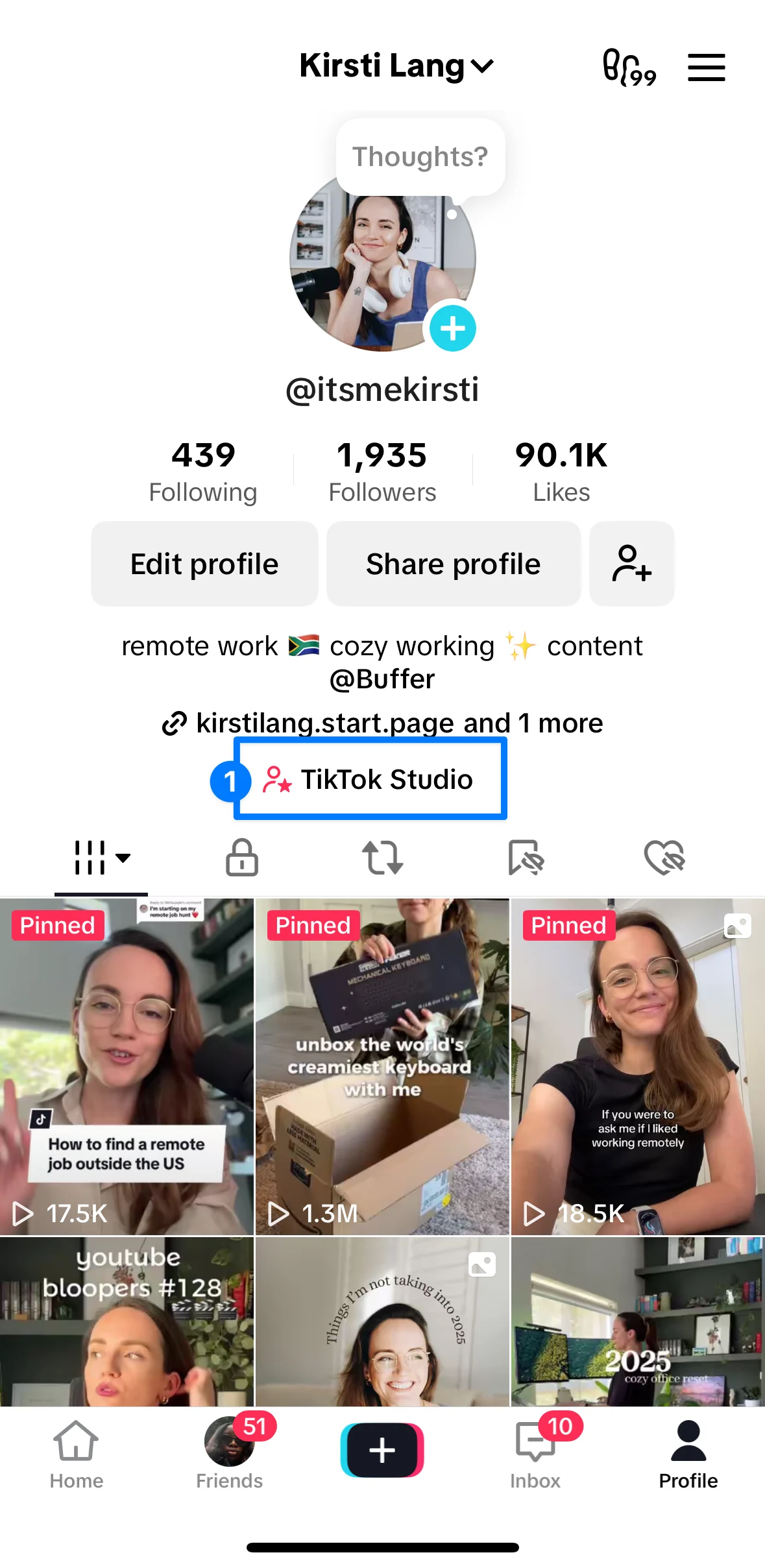

The creator economy has undergone a structural transformation over the past several years, shifting away from algorithm-dependent social media networks and toward direct-to-consumer digital publishing platforms. At the center of this paradigm shift is Substack, a hybrid publishing tool and social network that has fundamentally altered how independent writers, journalists, and media organizations distribute content and monetize their audiences. Following a comprehensive review of platform updates, user metrics, and creator best practices, Buffer’s editorial team—drawing from hands-on publishing experience with its flagship newsletter, The Weekly Scroll, which currently boasts over 92,000 subscribers—has released a completely reworked strategic guide for digital publishers entering the ecosystem.

The updated manual addresses significant platform evolution since Substack expanded its feature set beyond traditional email newsletters to include micro-blogging, video distribution, live streaming, and robust community chat functionalities. As publishers increasingly seek independent revenue streams detached from unpredictable ad-supported social algorithms, understanding Substack’s technical architecture, discovery engines, and monetization mechanics has become critical for independent media success.
Understanding the Substack Architecture: Content, Audience, and Monetization
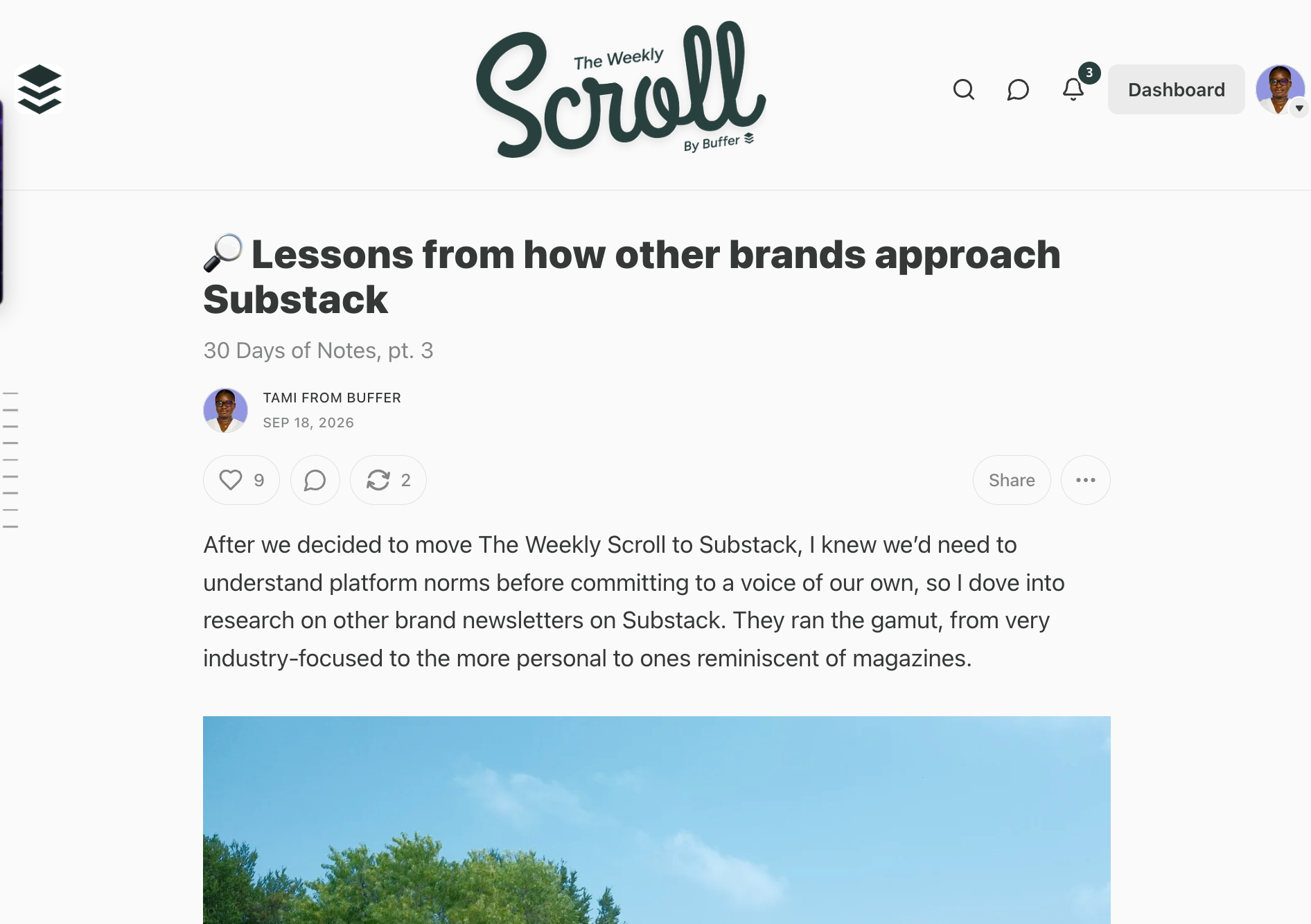
To successfully navigate Substack, publishers must first understand its tripartite ecosystem: content surfaces, audience acquisition channels, and monetization frameworks. Unlike legacy email service providers or traditional blogging platforms, Substack operates simultaneously as an independent content management system, an email delivery engine, and a proprietary social network.
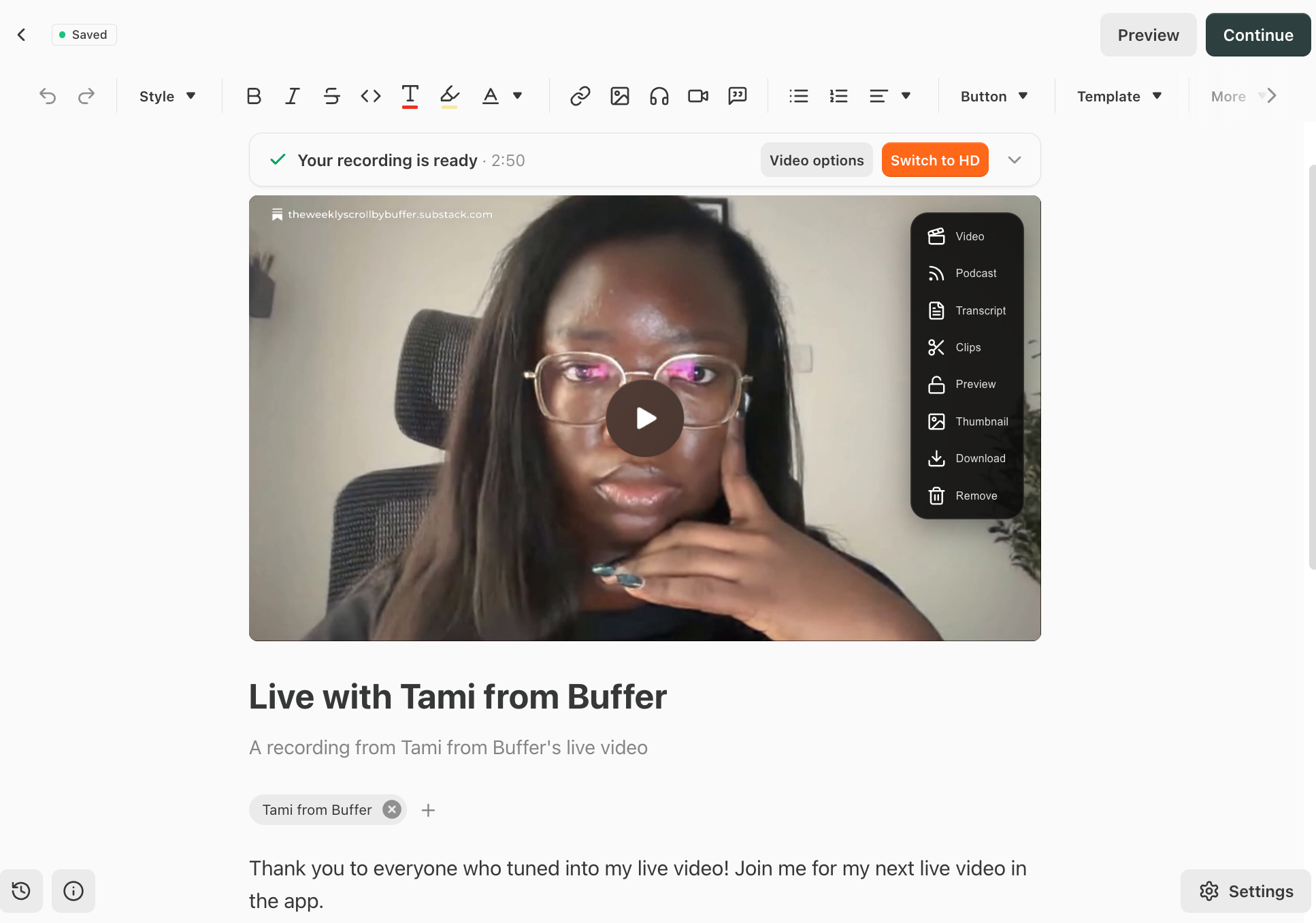
The platform provides four primary content surfaces. Posts serve as the foundational long-form medium, delivering articles, audio files, or video projects directly to subscribers’ email inboxes while simultaneously archiving them on the publication’s public website. Substack has dramatically upgraded its multimedia capabilities, allowing creators to host podcasts with standard RSS feeds compatible with major aggregators like Apple Podcasts and Spotify, as well as native video hosting that rivals standalone video-sharing platforms. Video uploads and recordings executed within Substack’s native Recording Studio automatically generate transcripts, which creators can edit or disable. Furthermore, connecting a YouTube channel through the publication’s settings enables automated cross-posting of long-form videos alongside up to two auto-generated YouTube Shorts.
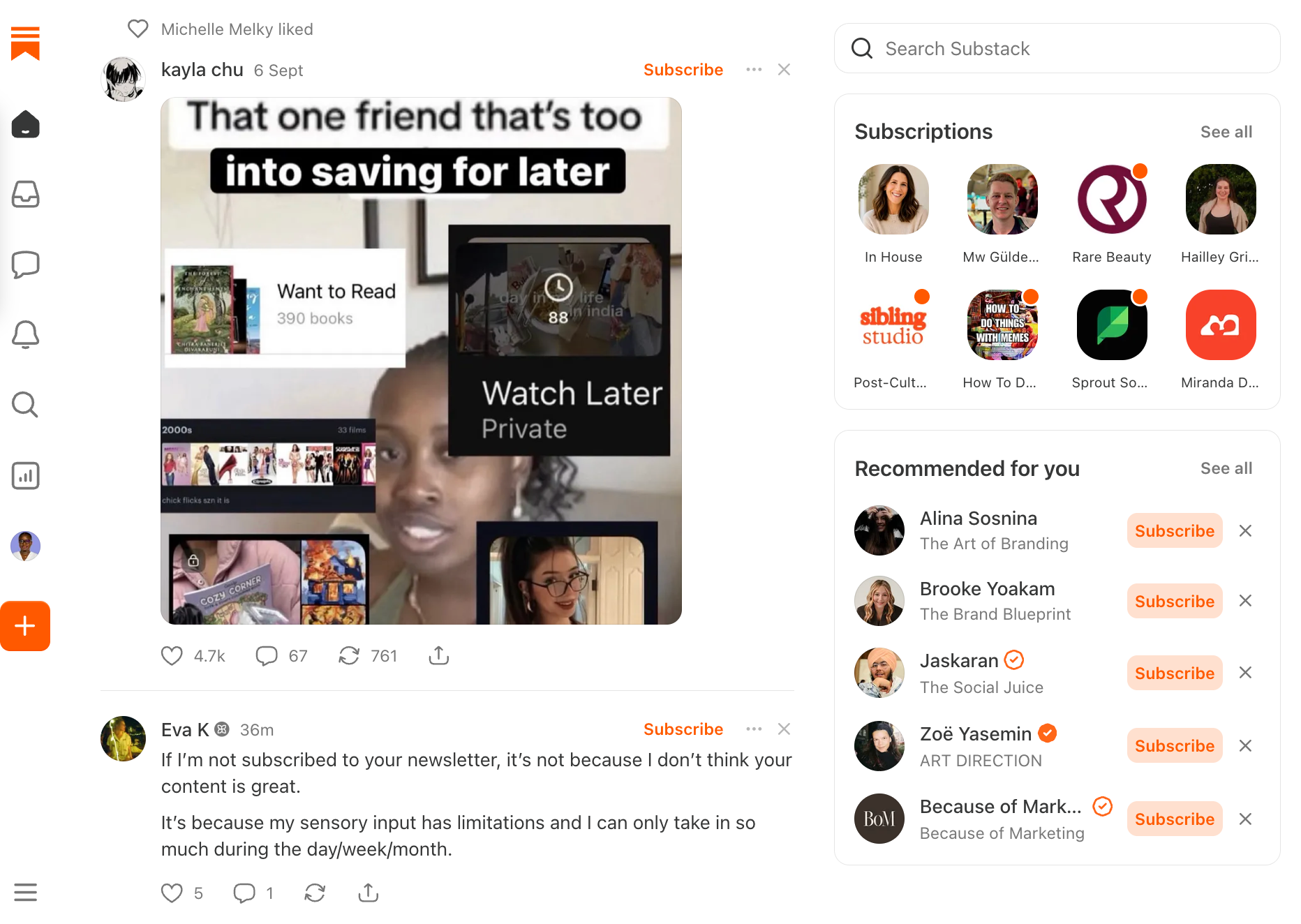
Complementing traditional posts is Notes, Substack’s short-form content feed designed similarly to X (formerly Twitter) or Meta’s Threads. Notes functions as an open discovery mechanism, allowing both established publishers and profile-only users to broadcast text, imagery, GIFs, and short videos to a public feed. This ensures that content regularly reaches users who do not yet follow the creator. Restacking—Substack’s equivalent of reposting or retweeting—amplifies content distribution across the network. Additionally, the platform’s media tab hosts vertical, short-form video content akin to TikTok, showcasing video notes and clips derived from longer publisher broadcasts.
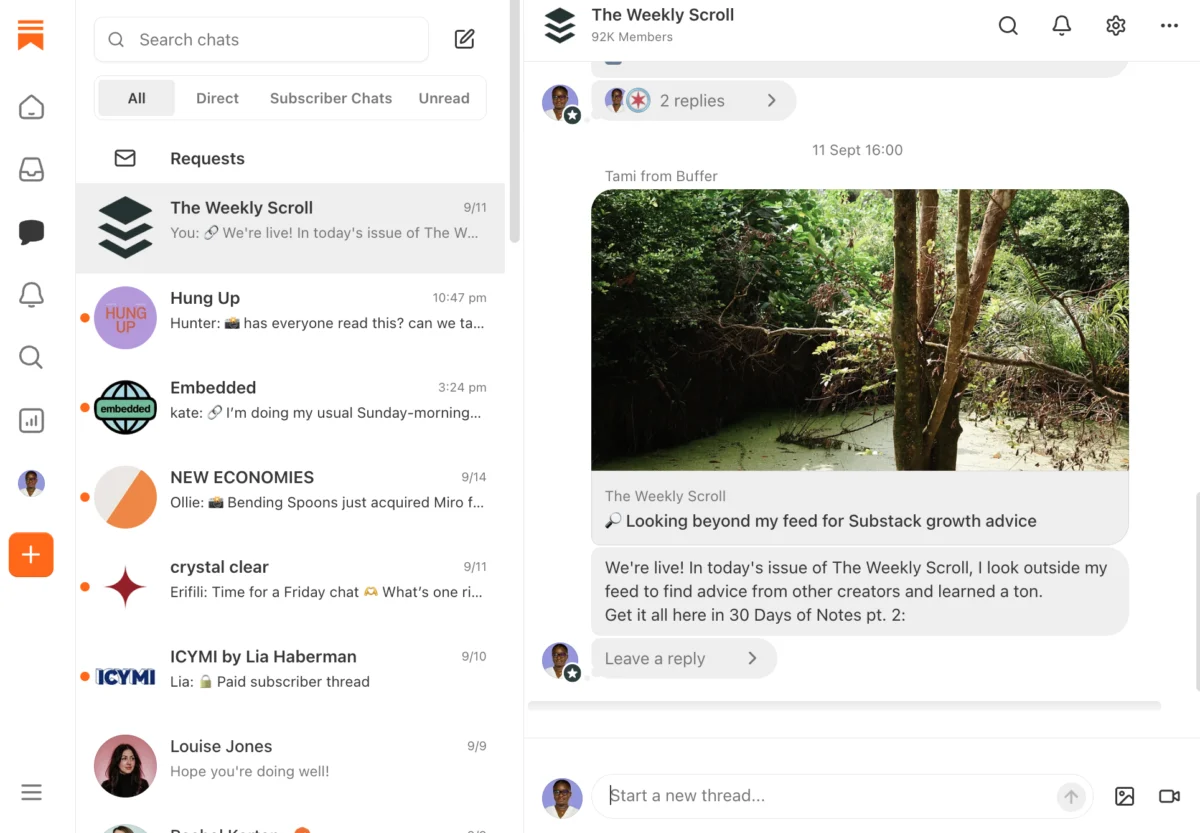
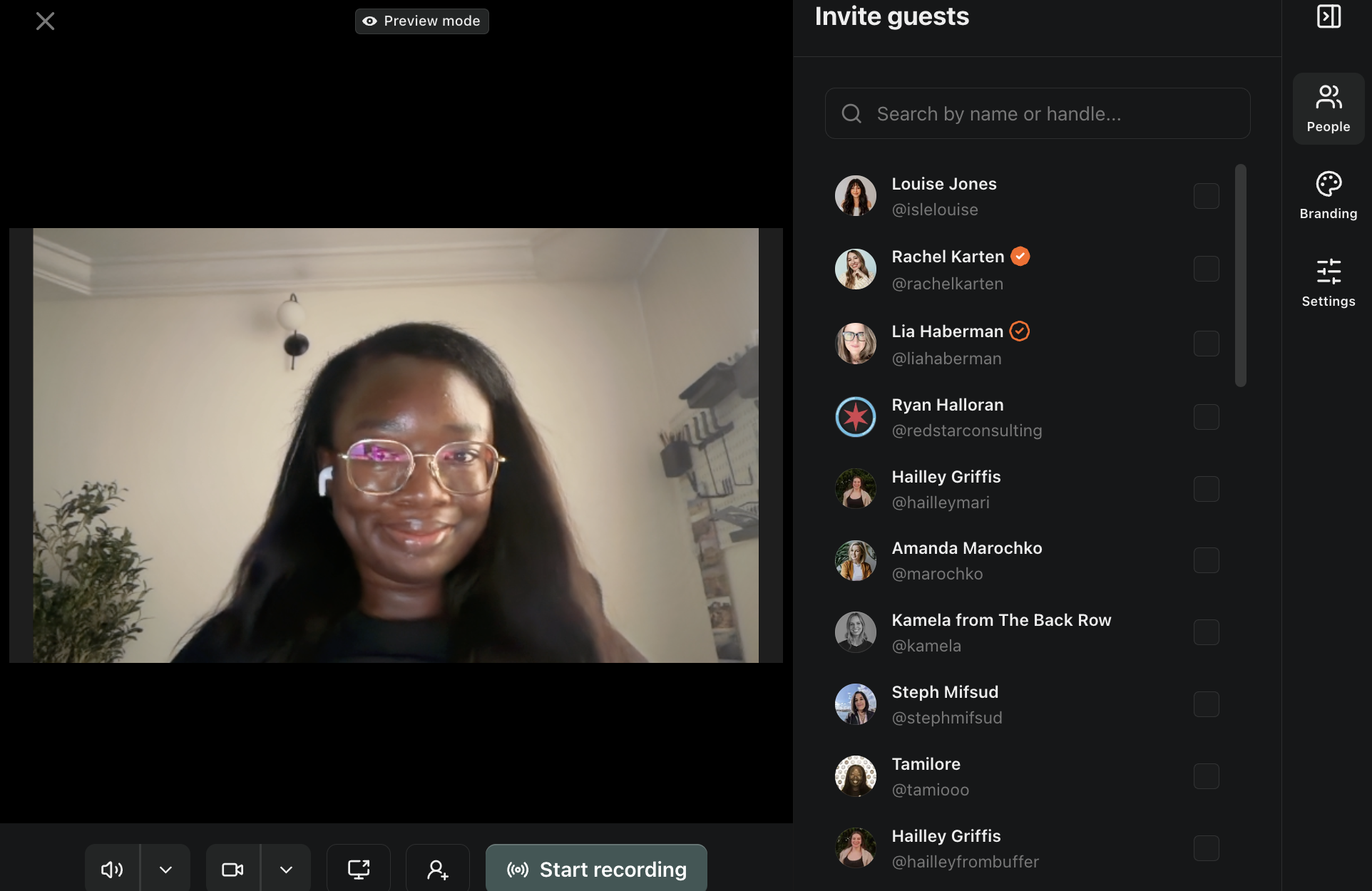
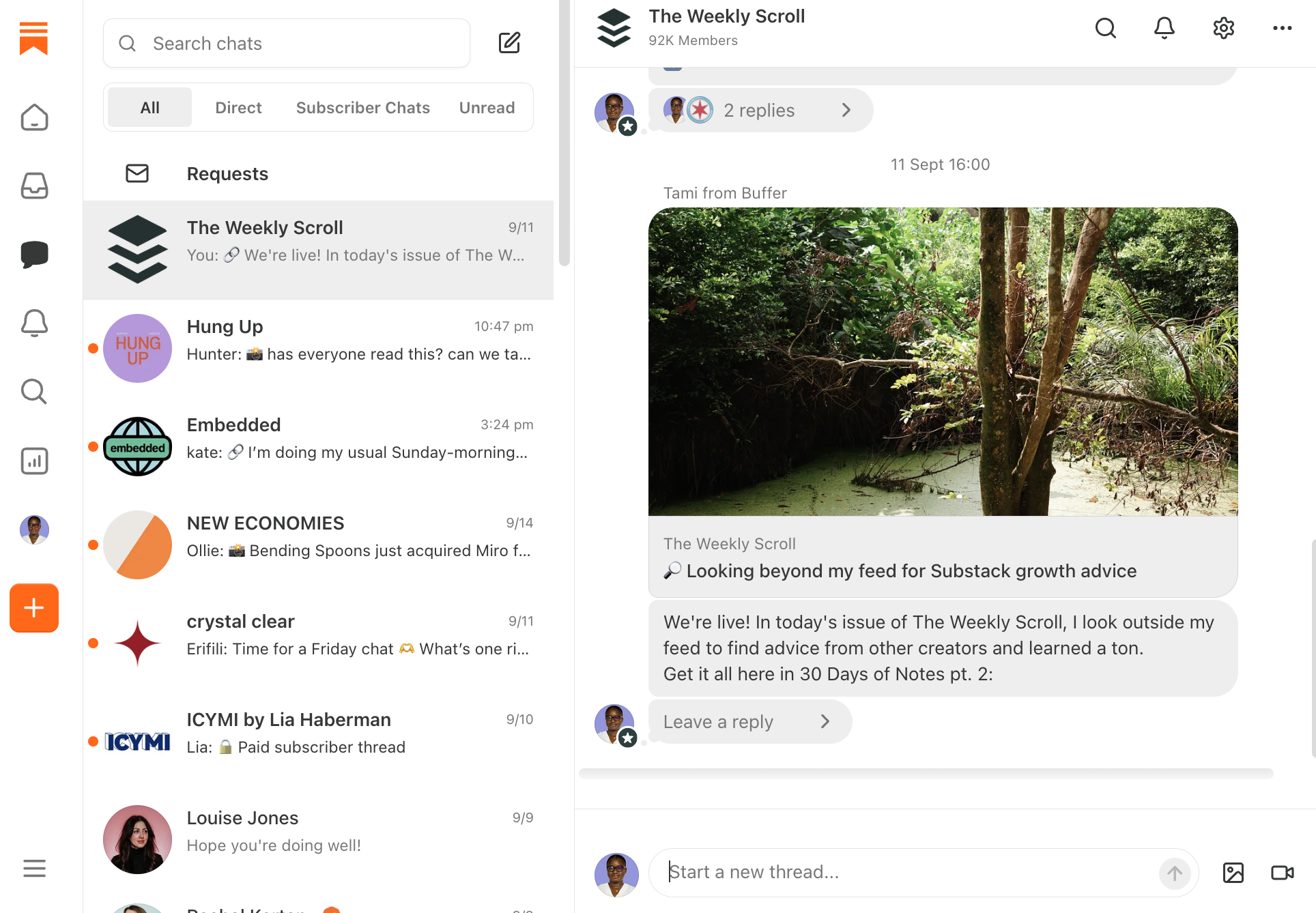
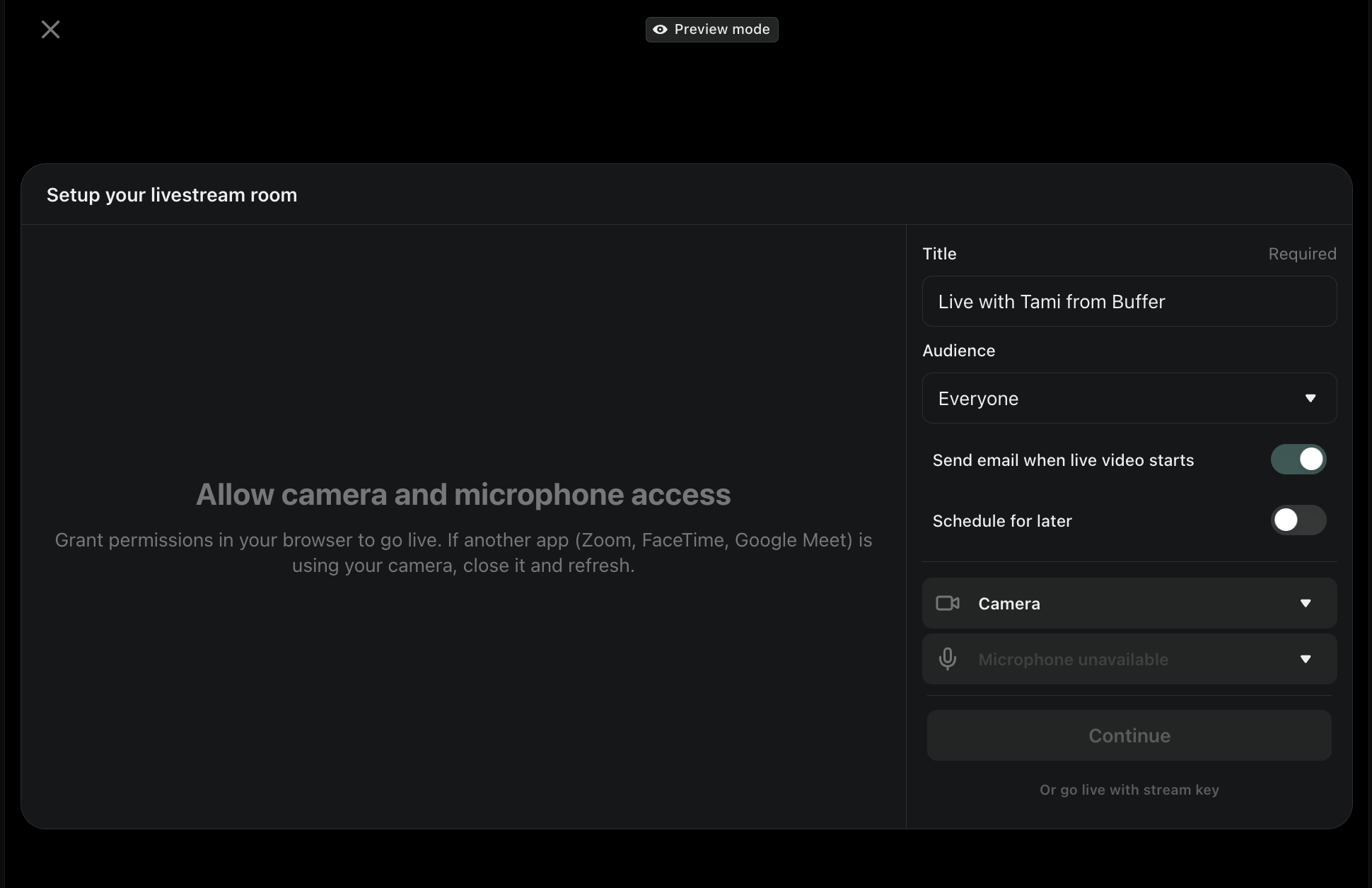
For community engagement, Substack features Chat and Live streaming. Chat functions as a gated, subscriber-only space for text threads, photo sharing, and emoji reactions, operating similarly to a hosted group chat. Direct messaging between readers and writers is integrated into this same tab. Meanwhile, Live streaming enables creators to broadcast real-time video to targeted audience segments—ranging from the general public to paid subscribers exclusively—with support for multi-host streams and external broadcasting software via RTMP integration. Upon conclusion, live streams automatically convert into draft posts for archival distribution or clip extraction.
Distinguishing Between Subscribers and Followers
A crucial learning curve for new Substack creators involves understanding the distinct operational differences between subscribers and followers. Subscribers represent individuals who have shared their email addresses to receive direct dispatches and access gated community features. Creators retain full ownership of their subscriber lists, which can be exported at any time.
Followers, conversely, are users who follow a profile within the Substack application to view public Notes and network activity without sharing their email addresses or receiving direct newsletter emails. Because Substack’s discovery algorithm surfaces Notes to non-followers, the platform heavily encourages creators to convert casual app followers into direct email subscribers, cementing a permanent communication channel outside the proprietary application.
Step-by-Step Publication Setup and Infrastructure
While Substack allows users to publish their first article within minutes of account creation, industry veterans strongly advise dedicating time to foundational setup before driving traffic to the site. A polished digital storefront significantly enhances conversion rates when potential readers arrive via Notes or platform recommendations.
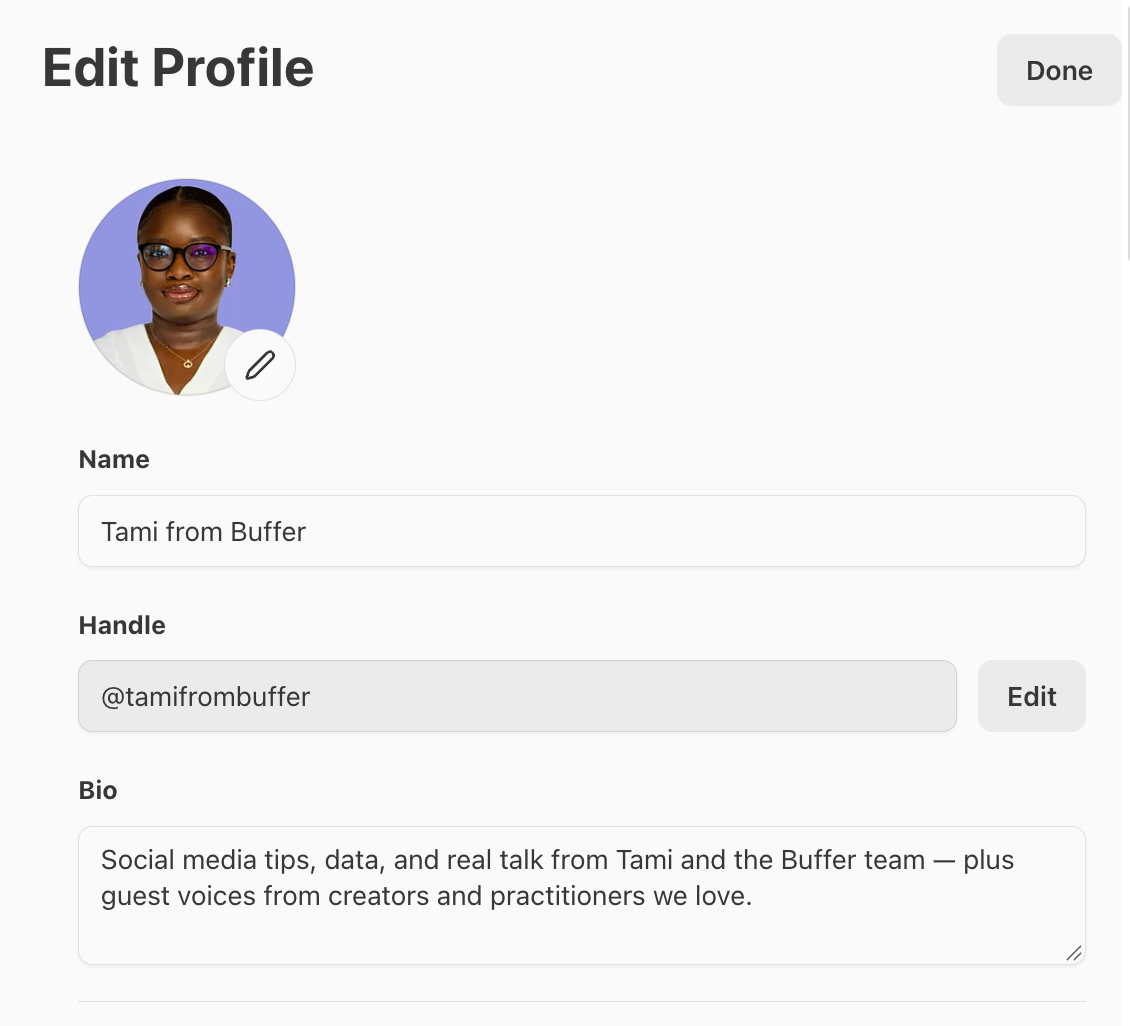
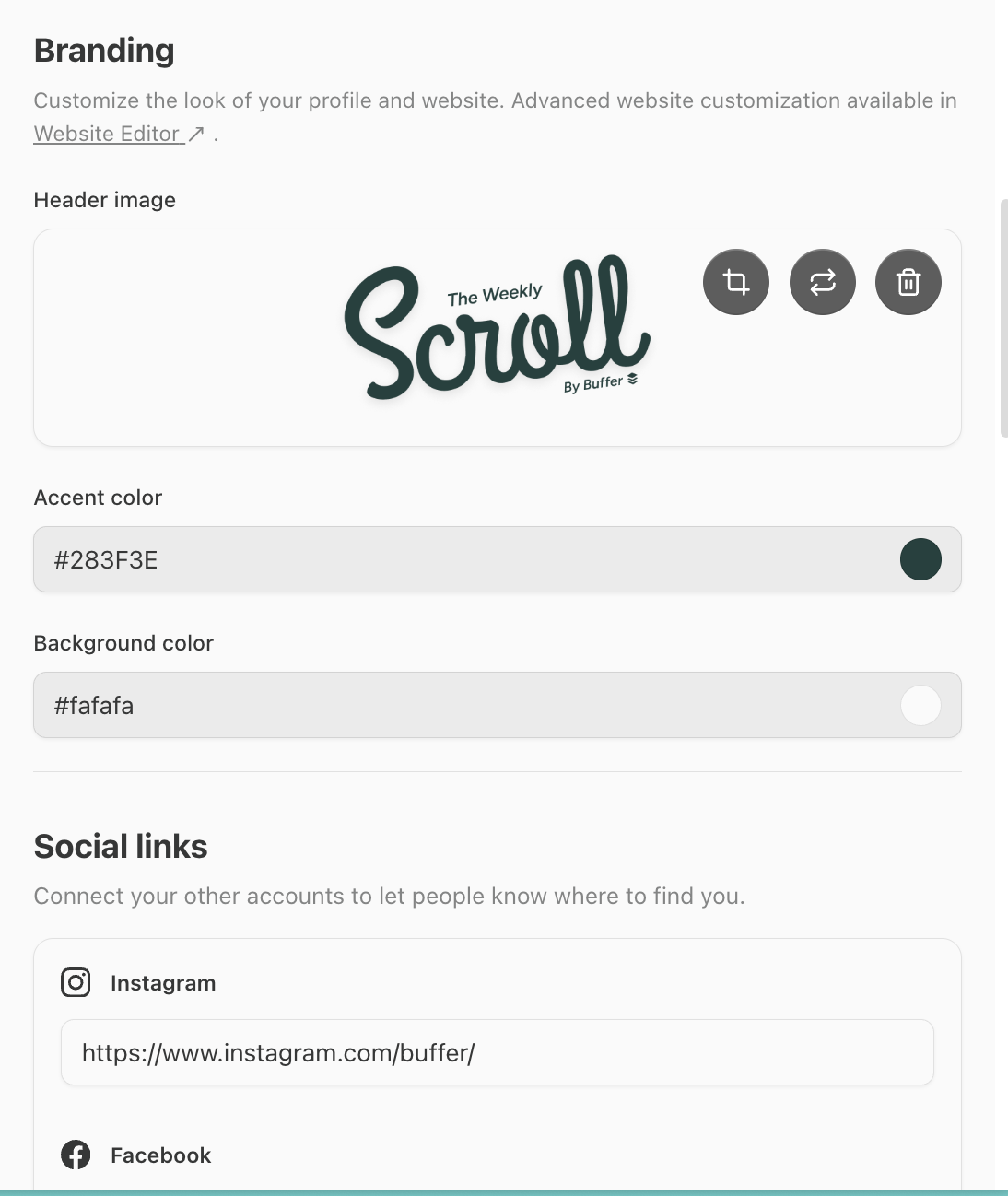
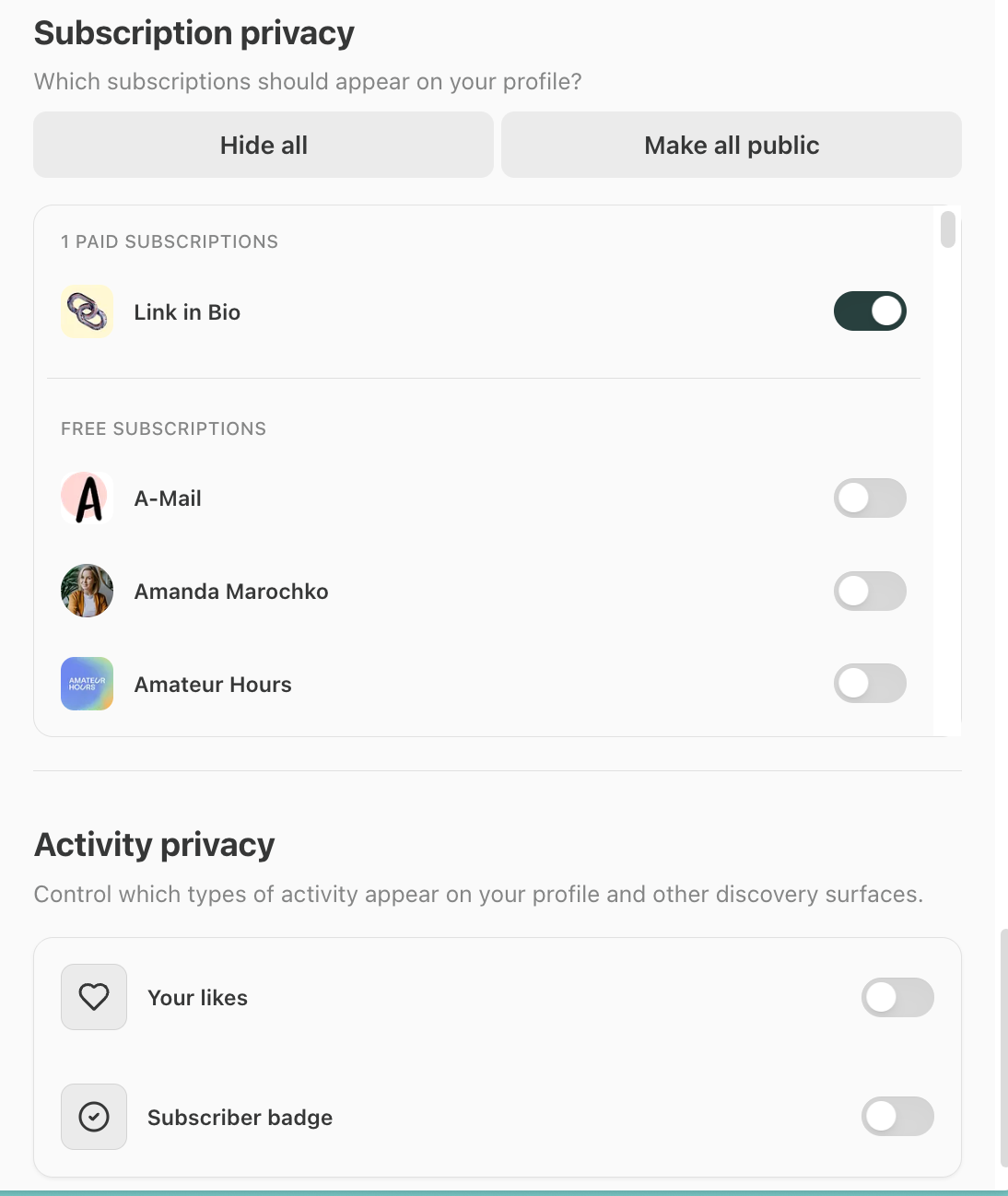
The setup process begins with comprehensive profile optimization. Creators are advised to establish a clear profile picture, biography, and branding elements such as header imagery and custom accent colors via the profile edit settings. Crucially, creators must configure their subscription privacy settings to determine whether the publications they personally follow are publicly visible on their profiles. Displaying followed publications often aids cross-promotion, leveraging Substack’s robust recommendation network.
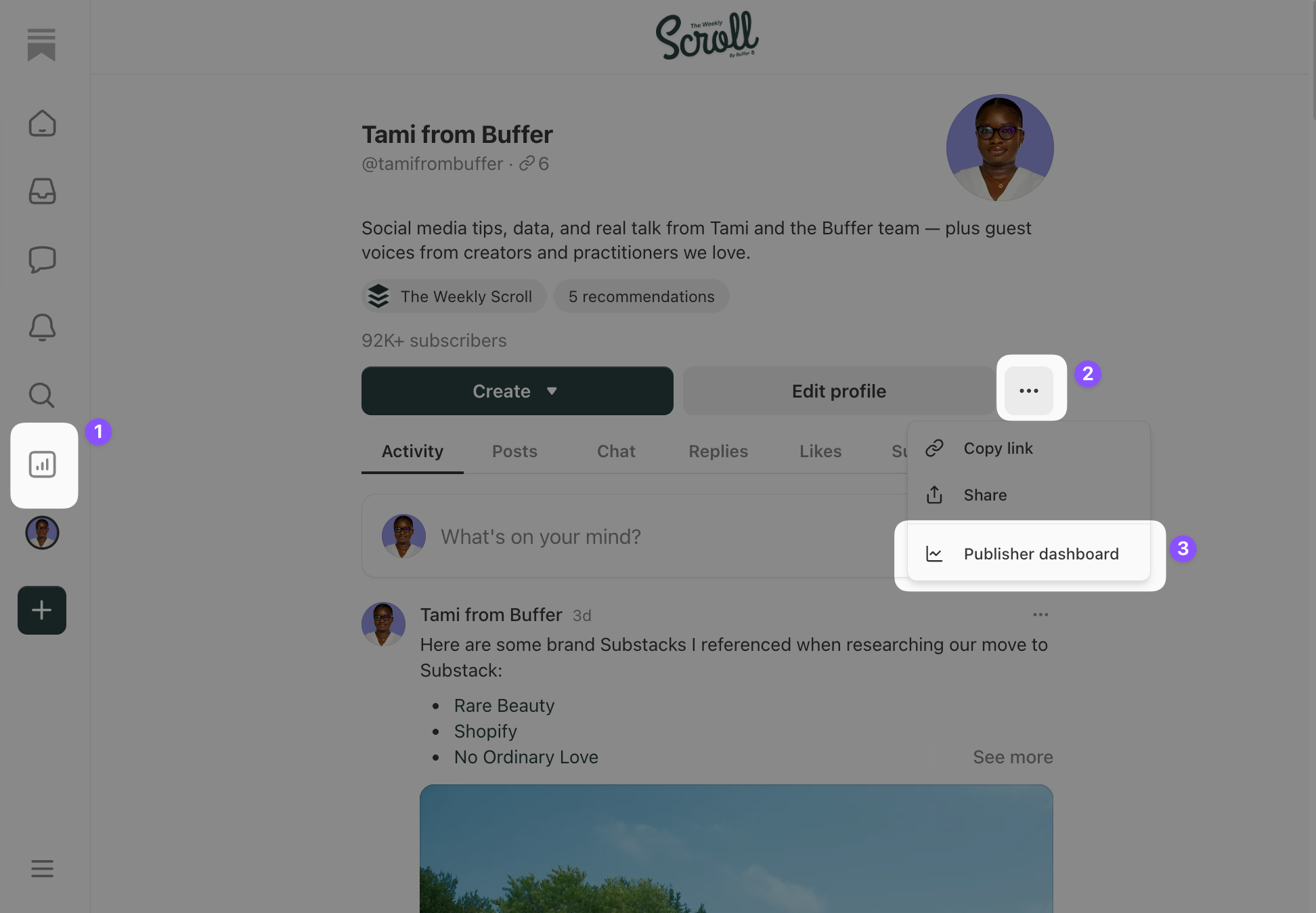
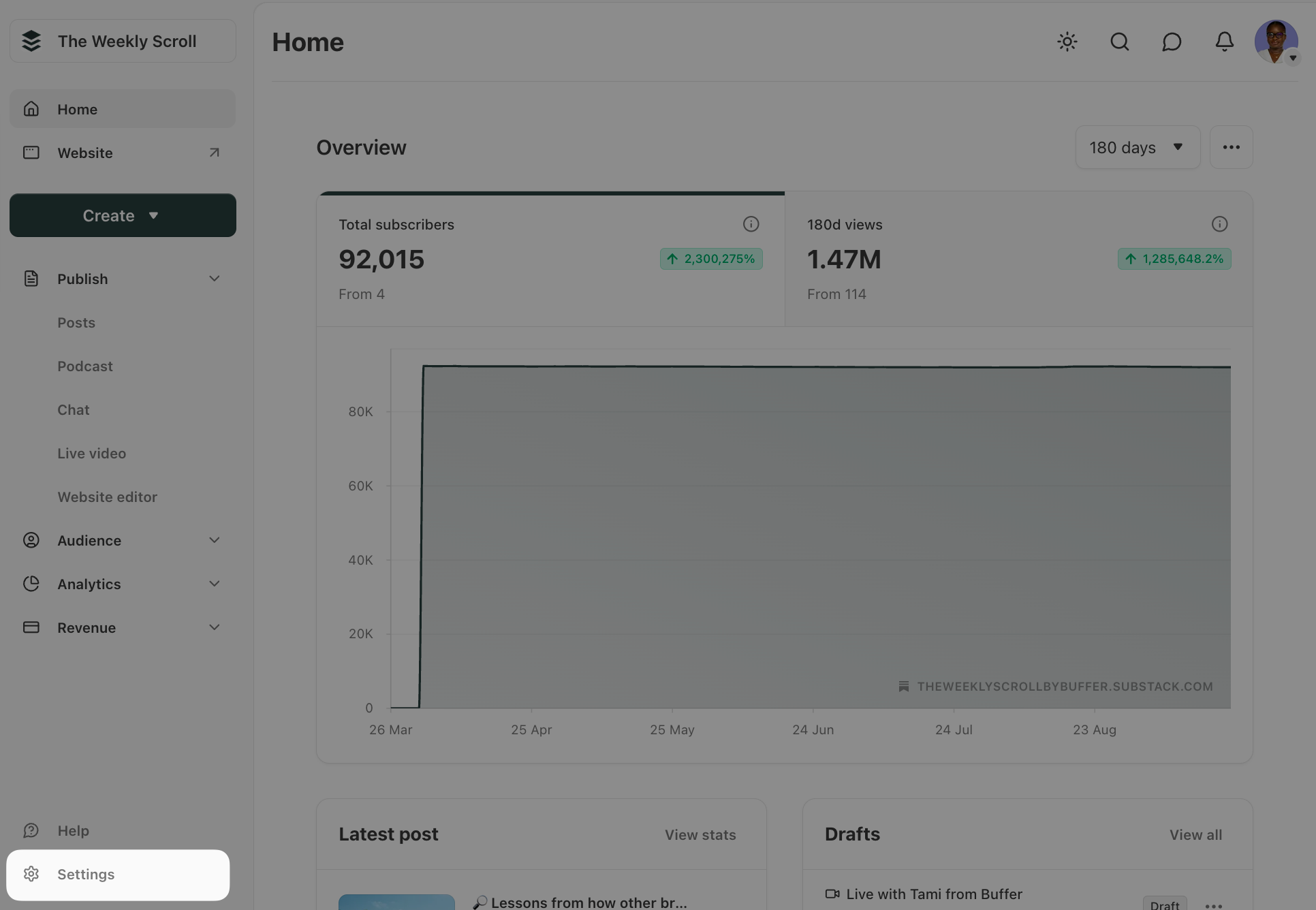
Next, establishing the publication itself requires configuring the publisher dashboard, where administrators can adjust publication titles, subdomains, visual themes, and subscription terms. Setting up a dedicated welcome email is another vital step. Automated welcome messages greet new subscribers immediately upon sign-up, setting content expectations, outlining publishing cadence, and prompting readers with a direct question to encourage replies. Industry data indicates that reader replies substantially improve email deliverability and help creators segment their core readership.
Even if immediate monetization is not the primary objective, connecting a Stripe payment account during the initial setup phase is highly recommended. Integrating Stripe takes approximately five minutes and ensures that paid subscription tiers can be activated seamlessly in the future without administrative friction. Creators should note, however, that Stripe’s availability varies globally; certain jurisdictions restrict paid digital subscriptions, though free publications remain globally accessible.
Content Migration and Audience Importation
For creators transitioning from alternative email marketing platforms, blogging systems, or content management systems such as Mailchimp, Ghost, WordPress, or Medium, Substack provides streamlined migration tools. Existing audience lists can be imported via CSV or TXT file uploads, provided the publisher has explicit permission to email those contacts. Historical content migration is similarly supported through automated import tools, allowing past archives to populate the new publication seamlessly.
For creators starting from scratch, embedding Substack subscription forms onto external websites and social media bios remains the standard acquisition methodology. Following these technical configurations, publishers typically deploy an introductory welcome post to populate the archive and a preliminary Note to announce the publication’s launch to the broader network.
Editorial Strategy: Niche Selection, Consistency, and Quality
Defining the editorial scope of a new publication is frequently cited as the most challenging hurdle for emerging creators. While hyper-specific niches are not strictly mandatory on day one, establishing a clear thematic focus enables potential subscribers to immediately grasp the publication’s value proposition. Successful newsletters generally combine a focused subject matter, a sustainable publishing rhythm, and a distinct authorial voice.
Publishers must also select a repeatable format that aligns with long-term sustainability. Whether opting for deep-dive essays, curated link roundups, investigative journalism, or interview series, the chosen format must be maintainable over extended periods to prevent creator burnout. Furthermore, early-stage optimization for search engines (SEO) is increasingly recognized as a vital growth lever. Filling in SEO titles, descriptions, and selecting appropriate publication categories ensures that Substack articles can be indexed and discovered via major search engines like Google.
Editorial consistency remains paramount, though standard publishing frequencies vary widely. Weekly dispatches represent the industry standard, offering a reliable cadence that readers anticipate without imposing unmanageable production demands. Crucially, established creators emphasize prioritizing content quality over arbitrary frequency; skipping an issue to maintain high editorial standards is widely preferred over publishing subpar material to meet an arbitrary deadline.
Growth Mechanics and Network Effects Within Substack
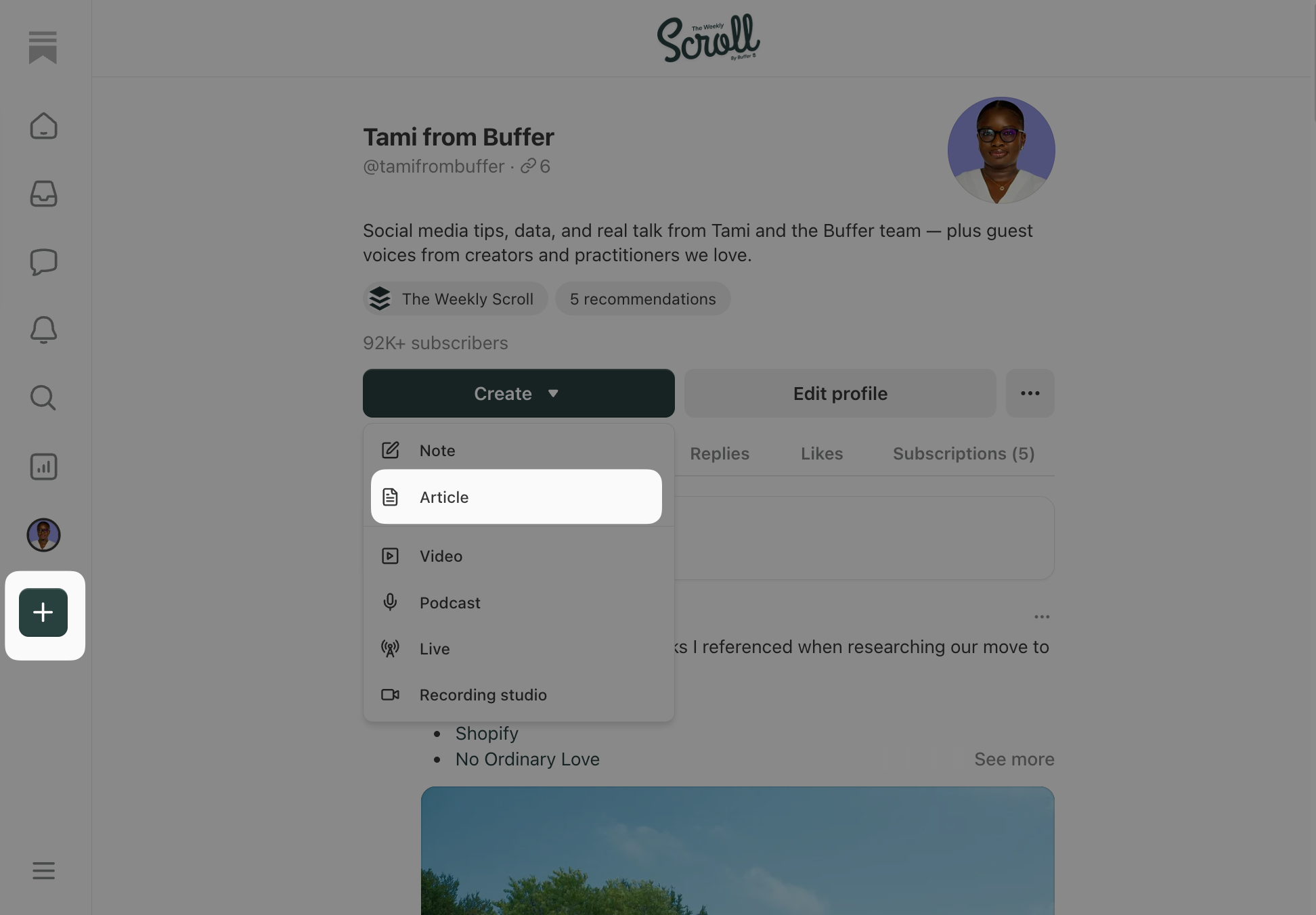
Growth trajectories on Substack typically differ from traditional social media networks. While viral spikes on open social platforms can occur rapidly, Substack growth is generally characterized by steady, compounding accumulation driven by internal platform mechanics.
Rather than relying entirely on external traffic acquisition, sustainable growth on Substack heavily leverages the platform’s native discovery tools. The Substack Recommendations network—where creators mutually recommend each other’s publications—serves as the primary driver of subscriber acquisition for many top-tier newsletters. Additionally, active participation in the Notes feed through regular, high-value short-form commentary exposes creators to the broader network of readers, effectively funneling app-based followers into long-term email subscribers.
Strategic Implications and the Future of Independent Publishing
The continued maturation of platforms like Substack reflects a broader consumer preference for curated, ad-free, and direct-relationship media consumption. By combining the direct-response reliability of email with the network effects of social media, Substack has lowered the technical and financial barriers to independent publishing.
However, industry analysts note that as the platform matures and competition for reader attention intensifies, differentiation through unique voice, rigorous reporting, and deep community engagement will become increasingly essential. For writers and media entrepreneurs willing to commit to sustainable editorial rhythms and active platform participation, Substack offers a resilient, highly portable infrastructure capable of transforming independent writing into sustainable commercial enterprises.