 Reynand Holland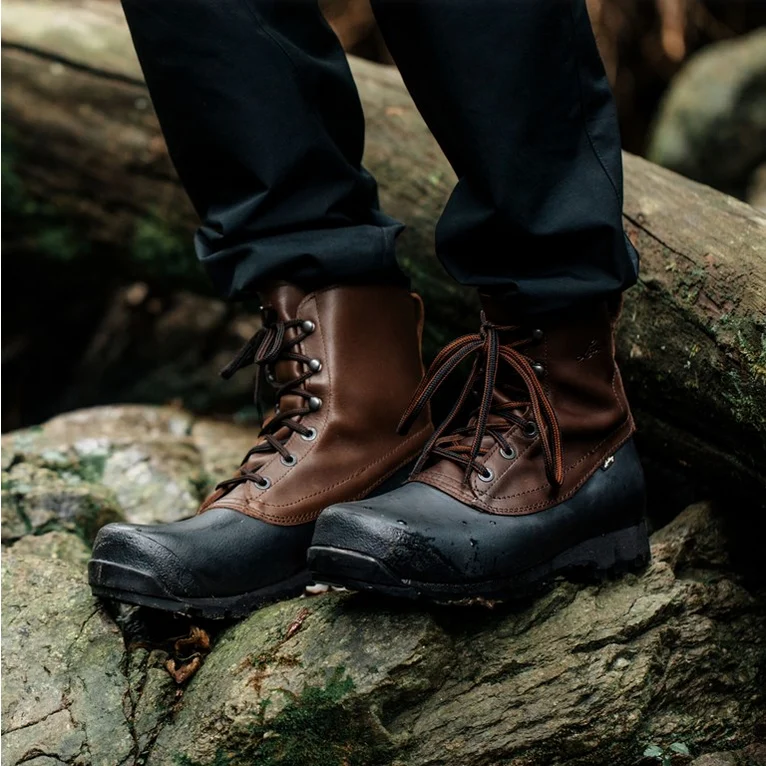
When temperatures drop and winter weather brings accumulating snow, sleet, and slush, footwear consumers face an annual dilemma: keeping feet warm and dry without inadvertently introducing hazardous synthetic compounds into the environment. For decades, the outdoor apparel and footwear industries relied heavily on per- and poly-fluoroalkyl substances, commonly known as PFAS, to achieve durable, weather-resistant finishes. However, growing scientific consensus regarding the environmental persistence and human health risks of these chemicals has triggered a major paradigm shift. Today, regulatory bodies, environmental advocates, and conscious consumers are demanding a complete overhaul of how winter boots are manufactured, pushing brands to adopt safer, non-toxic waterproofing alternatives.
The Chronology of the PFAS Crisis in Consumer Goods
The history of per- and poly-fluoroalkyl substances dates back to the 1940s, when chemical manufacturers first developed these synthetic compounds for industrial and military applications. Valued for their exceptional ability to repel water, oil, and stains while maintaining material breathability, PFAS quickly permeated commercial markets. By the late 20th century, outdoor gear and winter footwear manufacturers widely adopted Durable Water Repellent (DWR) finishes containing fluorinated chemicals.
For decades, these applications were heralded as high-performance breakthroughs, allowing hikers, skiers, and urban commuters to traverse deep snow and slush completely dry. However, the very chemical stability that made PFAS effective also rendered them virtually indestructible in natural ecosystems. As early scientific studies in the 2000s began to trace the migration of these compounds from manufacturing facilities into municipal water supplies, wildlife, and human bloodstreams, public awareness shifted.
Over the past ten years, regulatory pressure has intensified dramatically. The United States Environmental Protection Agency (EPA), alongside international environmental agencies, began issuing stringent health advisories and phasing out specific legacy PFAS compounds, such as PFOS and PFOA. By the early 2020s, investigative journalism and academic research connected outdoor apparel and footwear directly to environmental contamination, noting that PFAS particles flake off garments and boots during routine wear and end up in household dust, snowpacks, and local watersheds. This realization transformed the conversation from a niche environmental concern into a mainstream public health imperative, forcing brands to reinvent their supply chains.
Understanding the Science and Health Implications of Forever Chemicals
Per- and poly-fluoroalkyl substances comprise a vast family of synthetic chemicals characterized by exceptionally strong carbon-fluorine bonds—among the strongest in organic chemistry. This molecular structure prevents the substances from breaking down under natural environmental conditions, earning them the moniker "forever chemicals."
When consumers wear traditional winter boots treated with fluorinated DWR coatings, friction and weathering cause microscopic particles to detach. These particles enter indoor environments, settling into household dust that can be inhaled or ingested, particularly by children. Outdoors, melting snow runoff carries the chemicals directly into soil and aquatic ecosystems. According to United States Geological Survey (USGS) studies, PFAS compounds are now detectable in a significant percentage of public and private tap water systems across North America.
Toxicological assessments conducted by agencies such as the Centers for Disease Control and Prevention (CDC) and the Agency for Toxic Substances and Disease Registry (ATSDR) have linked cumulative PFAS exposure to a wide array of adverse health outcomes. These include elevated cholesterol levels, decreased vaccine response in children, reproductive and developmental complications, pregnancy-induced hypertension, and increased risks of certain cancers, including kidney and testicular cancer. Consequently, eliminating these chemicals from everyday apparel and winter footwear is no longer viewed merely as an eco-friendly marketing preference, but as a critical public health necessity.
Evaluating Sustainable Materials and Manufacturing Standards
Navigating the market for truly sustainable, PFAS-free winter boots requires consumers and retailers to look beyond surface-level marketing claims. Because regulatory loopholes often permit vague terminology, industry watchdogs recommend scrutinizing product specifications for explicit terms such as "PFAS-free," "PFC-free," or "fluorine-free." Beyond waterproofing chemistry, a holistic approach to sustainable footwear encompasses material sourcing, chemical management, and lifecycle durability.
Leather remains a popular choice for naturally weather-resistant winter footwear, provided it is sourced responsibly. Consumers are advised to look for certifications from the Leather Working Group (LWG), an international multi-stakeholder body that assesses tanneries based on environmental performance, water usage, waste management, and energy consumption. For vegan or synthetic alternatives, GRS (Global Recycled Standard) certification verifies the authenticity of post-consumer recycled polyester or nylon content. Furthermore, standards like bluesign or adherence to strict Restricted Substances Lists (RSL) demonstrate that a manufacturer exercises rigorous oversight over all chemical inputs utilized during assembly.
Supply Chain Transparency and Ethical Labor Practices
Environmental sustainability cannot be divorced from social responsibility. The extraction of raw materials and the complex, multi-tiered assembly of winter footwear often involve labor-intensive processes in developing regions. Transparent brands proactively map their supply chains down to Tier 1 (final assembly) and Tier 2 (material processing) suppliers, publishing factory locations and codes of conduct.
Organizations such as the Fair Wear Foundation collaborate with apparel and footwear brands to audit working conditions, ensure fair wages, and eliminate systemic labor abuses. Ethical manufacturers recognize that keeping feet warm during winter should not come at the expense of factory workers’ health and safety, making supply chain transparency a core pillar of modern corporate accountability.
The Importance of Longevity and After-Market Repair Services
Perhaps the most impactful sustainability metric for any winter boot is its operational lifespan. The manufacturing phase typically accounts for the majority of a footwear item’s carbon footprint; therefore, extending the usable life of a pair of boots directly reduces overall environmental degradation.
Forward-thinking outdoor brands are increasingly investing in circular business models. This includes designing boots with replaceable components—such as outsoles, eyelets, and footbeds—and establishing comprehensive in-house or partner repair services. By offering professional resoling, waterproofing re-treatments, and care instructions, these companies shift the consumer mindset away from fast-fashion disposability toward long-term product stewardship.
Leading PFAS-Free Winter Boot Brands and Industry Options
A growing number of pioneering outdoor and lifestyle brands have successfully transitioned away from fluorinated chemicals while maintaining high-performance standards for snow and slush.
Keen
As an early mover in the outdoor footwear sector, Keen became the first major brand to eliminate PFAS across its entire product catalog, subsequently sharing its transition roadmap with industry competitors to accelerate sector-wide reform. Keen’s winter boot collection features PFAS-free DWR finishes, LWG-certified leather tanneries, and strict RSL compliance. The brand audits its supply chain partners extensively and manufactures a significant portion of its footwear in company-owned facilities.
Price Range: $115–$250
Availability: United States, with global distribution via partner dealers in Europe, Asia, and Australia.
Jack Wolfskin
Based in Europe, Jack Wolfskin designs technical, earth-conscious winter gear utilizing proprietary wind- and waterproof Texapore technology that entirely eschews fluorinated compounds. The brand maintains a fully transparent supply chain map, partnering exclusively with bluesign-approved facilities and deploying independent inspectors to monitor labor and environmental standards.
Price Range: $120–$230
Availability: Primarily across European markets.
Lundhags
Founded in Sweden in 1932, Lundhags specializes in durable, heritage-quality outdoor boots manufactured in Europe utilizing short-supply-chain sourcing, including premium leather from regional German tanneries. The brand emphasizes product longevity, offering shell, one-layer, and three-layer designs backed by a dedicated after-market repair workshop. Factory labor conditions are regulated under the Brav code of conduct.
Price Range: $217–$597
Availability: Most European countries.
Vaude
Vaude incorporates high-performance, PFAS-free recycled polyester membranes into its weather-resistant footwear lines, pairing them with responsibly sourced local leather uppers. Demonstrating a strong commitment to circularity, Vaude provides transparent supply chain disclosures per product page and supports an accessible repair infrastructure, offering affordable replacement parts alongside full-service factory repairs.
Price Range: $200–$263
Availability: Canada and European nations.
Forsake
Forsake offers versatile, urban-to-trail winter footwear, including waterproof sneaker-boots and heeled hiking silhouettes constructed using LWG-certified leathers and PFAS-free membranes. The brand operates under a corporate code of conduct that mandates regular third-party supplier audits, though transparency regarding specific component sourcing, such as memory foam insoles, remains limited.
Price Range: $145–$160
Availability: United States.
EcoAlf
As a certified B Corporation, EcoAlf prioritizes circular economy principles by manufacturing vegan winter boots from GRS-certified recycled polyester and innovative rubber compounds. The brand successfully tracks its production network down to Tier 3 suppliers, combining rigorous environmental metrics with contemporary streetwear aesthetics.
Price Range: $145–$299
Availability: United States, Europe, South America, and parts of Asia.
Will’s Vegan Store
Operating primarily out of Italy and Portugal, Will’s Vegan Store produces ethically certified vegan footwear utilizing bio-based synthetic materials and recycled polyester insulation. While the brand provides complete traceability and utilizes PFAS-free uppers for its waterproof lines, consumers should carefully review individual product descriptions, as certain synthetic styles rely on conventional plastics.
Price Range: $134–$190
Availability: Worldwide direct shipping.
Poppy Barley
Poppy Barley crafts sophisticated water-resistant ankle and calf-length winter boots utilizing LWG-certified leathers. Production takes place in audited artisan facilities located across Europe and Mexico, ensuring high labor standards, though buyers are advised to verify material certifications on individual product pages prior to purchase.
Price Range: $293–$480
Availability: Continental United States, Canada, Mexico, and Australia.
REI Used Gear
For consumers seeking budget-friendly and highly sustainable options, the REI Used platform facilitates peer-to-peer and trade-in transactions for pre-owned outdoor gear. While purchasing secondhand significantly extends product lifecycles and reduces demand for new manufacturing, buyers must manually verify item specifications to ensure older models do not contain legacy PFAS treatments.
Price Range: $22–$149.50
Availability: United States.
Broader Implications and Future Outlook for the Footwear Industry
The rapid transition away from per- and poly-fluoroalkyl substances in winter footwear signals a broader transformation within the global fashion and outdoor industries. As legislative bodies in the European Union and several U.S. states—including California and New York—advance sweeping bans on the intentional use of PFAS in consumer apparel and textiles, compliance is transitioning from a voluntary corporate social responsibility initiative to a legal necessity.
Industry analysts note that this regulatory pressure is driving unprecedented investments in green chemistry and material science. Research and development teams are actively engineering next-generation plant-based, biodegradable, and silicone- or paraffin-based waterproofing agents that deliver comparable weather resistance without environmental persistence.
Ultimately, the evolving market for PFAS-free winter boots reflects a maturing consumer base that increasingly evaluates products through a multi-dimensional lens of ecological safety, human health, ethical labor, and product durability. By demanding transparency and supporting brands that embrace circular manufacturing, consumers are helping to permanently reshape the global footwear landscape, proving that high-performance winter protection can coexist with planetary health.