 Cintya Tara Annisa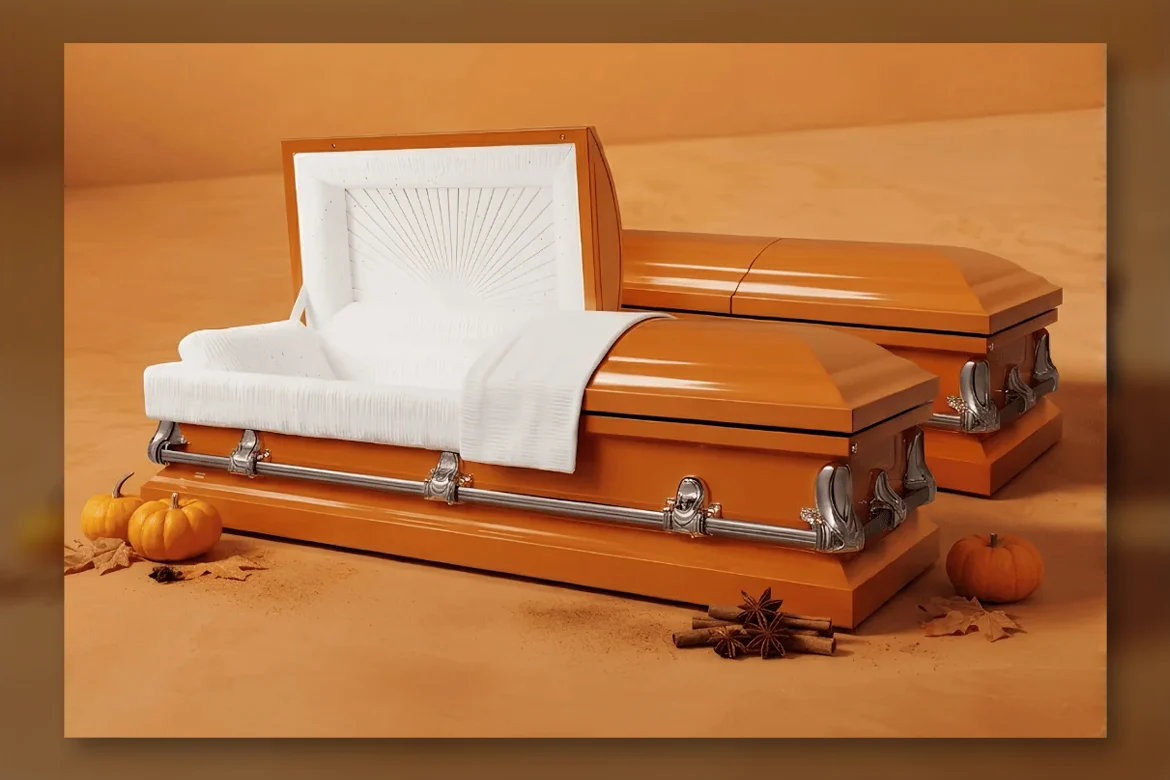
For three decades, the pumpkin spice latte (PSL) has served as the undisputed titan of the seasonal beverage industry. Since its mid-1990s conceptualization—a narrative that has often been humorously linked to the creative output of musicians like Tori Amos—the flavor profile has evolved from a niche autumnal treat into a global retail phenomenon. However, the saturation of the market has reached a definitive turning point. As of September 2026, the era of the PSL as an unstoppable retail juggernaut appears to be concluding, marked not by a gradual decline in consumer interest, but by a literal, physical manifestation of the trend’s demise: the introduction of a pumpkin spice-themed casket by Titan Caskets.
A Chronology of the Pumpkin Spice Phenomenon
The rise of the pumpkin spice industry is a case study in seasonal marketing efficiency. In the early 2000s, Starbucks transitioned the flavor from a novelty to a cornerstone of its autumn strategy, effectively anchoring the brand’s fourth-quarter financial performance to a single ingredient combination. By 2014, the "pumpkin spice" branding had migrated far beyond coffee. From Saucony sneakers and 7-Eleven Slurpees to more controversial iterations like Spam and espresso martinis, the flavor became a hallmark of "omnipresent" consumerism.
By 2019, market analysts and cultural commentators began identifying the "Pumpkin Spicepocalypse"—a state of market saturation where the flavor was no longer tied to the season of autumn, but rather became an aggressive, year-round marketing tactic. The expansion into non-food items served as a bellwether for the trend’s exhaustion, signaling that the flavor had transitioned from a culinary experience into a recognizable, yet hollow, marketing shorthand.
Supporting Data and Market Shifts
The 2026 fiscal cycle represents a significant departure from historical trends. According to recent reports from CNN Business, major quick-service restaurant (QSR) chains, including McDonald’s, have signaled a shift away from the traditional PSL in favor of more experimental, "funkier" flavor profiles. Cold foam innovations, including marshmallow, blueberry-coffee-rose, and banana-based infusions, are currently capturing the market share previously held by spice-heavy beverages.
This shift is backed by consumer demographic data suggesting that Gen Z and younger Millennials are moving away from traditional syrupy profiles. While the PSL remains a legacy product, its year-over-year growth has stagnated. Retail data from the last 24 months indicates that while "Pumpkin Spice" as a keyword remains a high-traffic search term, the conversion rate into actual beverage sales has plateaued, suggesting a widening gap between cultural recognition and actual consumer consumption.
The Titan Caskets Intervention
In a move that blends satire with genuine funeral industry innovation, Titan Caskets, a company known for its direct-to-consumer funeral products, has launched an orange, pumpkin spice-themed casket. Retailing for approximately $1,600, the product is positioned as a "humorous marketing strategy."
While the aesthetic is intentionally provocative, the underlying intent is consistent with Titan Caskets’ broader business model: to normalize the conversation around funeral planning. By leveraging a viral, polarizing cultural symbol, the company aims to reach younger demographics who are traditionally alienated by the somber, opaque nature of the funeral industry.
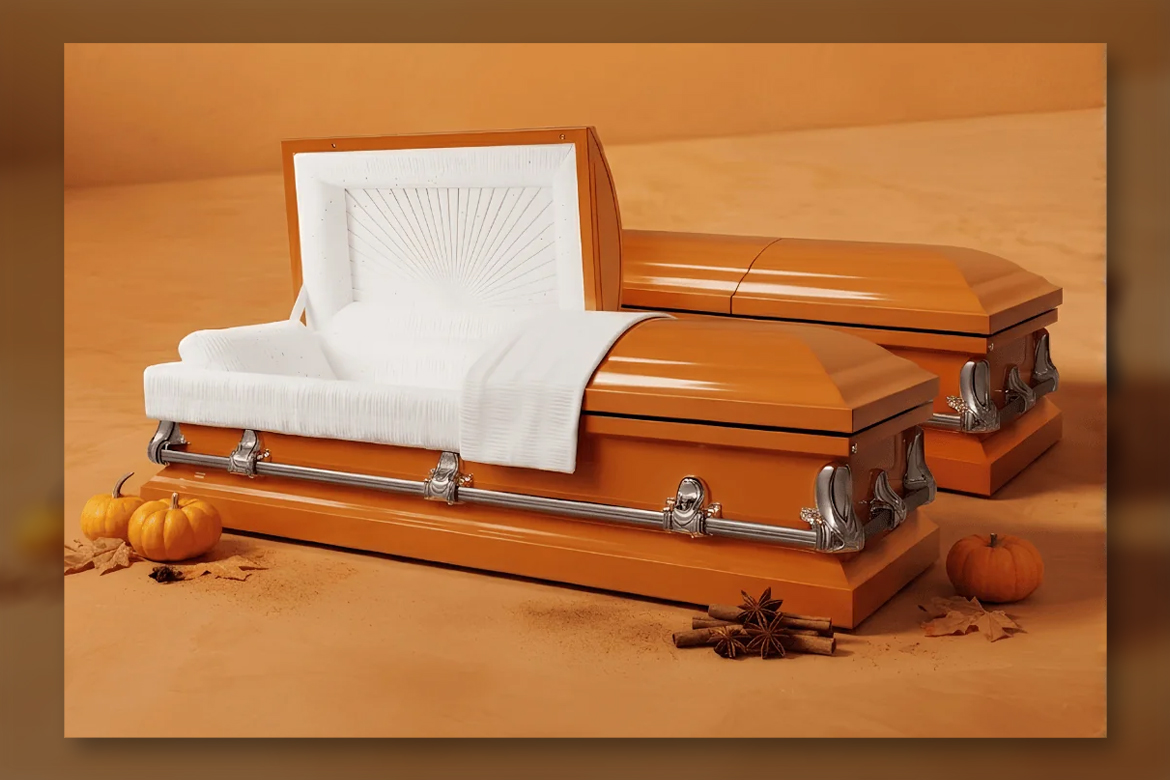
"PSL season doesn’t have to end when you do," the company stated in its promotional materials. From a business perspective, the casket serves as a high-visibility tool for customer acquisition. It effectively uses the exhaustion surrounding the "pumpkin spice" trend to draw attention to the necessity of transparent, consumer-friendly funeral arrangements.
Official Perspectives and Industry Reaction
While Starbucks has not issued an official statement regarding the "death" of the beverage, industry experts note that the brand is increasingly diversifying its seasonal offerings. The decision by McDonald’s to potentially exclude the PSL from its 2026 fall menu is seen by many analysts as a "sign of the times"—a recognition that the novelty of the beverage has been eclipsed by the demand for fresher, more innovative menu items.
The reception within the coffee industry has been largely one of irony. Journalists and cultural critics, such as those at the Sprudge Media Network, have frequently highlighted the "specter" of the PSL, noting how its early arrival in August each year undermined the very seasonal exclusivity that gave the drink its original value. The transition of the PSL from a cup to a casket is being viewed by some as the final step in the life cycle of a trend that became too big to survive its own success.
Broader Impact and Future Implications
The lifecycle of the pumpkin spice latte provides a roadmap for how modern consumer trends evolve, peak, and eventually collapse. The "Pumpkin Spicepocalypse" demonstrated the risks of aggressive brand extension; once a flavor profile is applied to everything from home decor to funerary items, the brand equity of the original product begins to depreciate.
The implications for the food and beverage industry are significant. The current pivot toward "funkier" flavors indicates that consumers are seeking novelty over tradition. The success of future seasonal trends will likely depend on their ability to maintain exclusivity and avoid the "saturation trap."
Furthermore, the integration of death-care marketing with pop-culture trends signals a broader shift in how sensitive services are being marketed to younger generations. By utilizing humor and social media-native aesthetic trends, companies like Titan Caskets are successfully dismantling the "taboo" associated with end-of-life logistics.
As we look toward the remainder of 2026, the narrative surrounding pumpkin spice is likely to shift from one of consumer excitement to one of post-mortem analysis. The beverage itself may remain on menus for years to come, but its status as a cultural phenomenon has been definitively altered. The "death" of the PSL serves as a reminder that in the hyper-accelerated environment of 21st-century retail, even the most dominant trends are eventually subject to the laws of market fatigue.
The movement away from the PSL is not merely a change in taste; it is a fundamental shift in how consumers interact with seasonal rituals. Whether or not this transition leads to a more sustainable model of beverage retail remains to be seen, but the era of the unchallenged, ubiquitous pumpkin spice dominance has clearly reached its expiration date. For industry stakeholders, the lesson is clear: long-term success requires a balance between tradition and the relentless pursuit of the new, lest the brand find itself relegated to the history books—or, in this case, the casket.