 Ali Ikhwan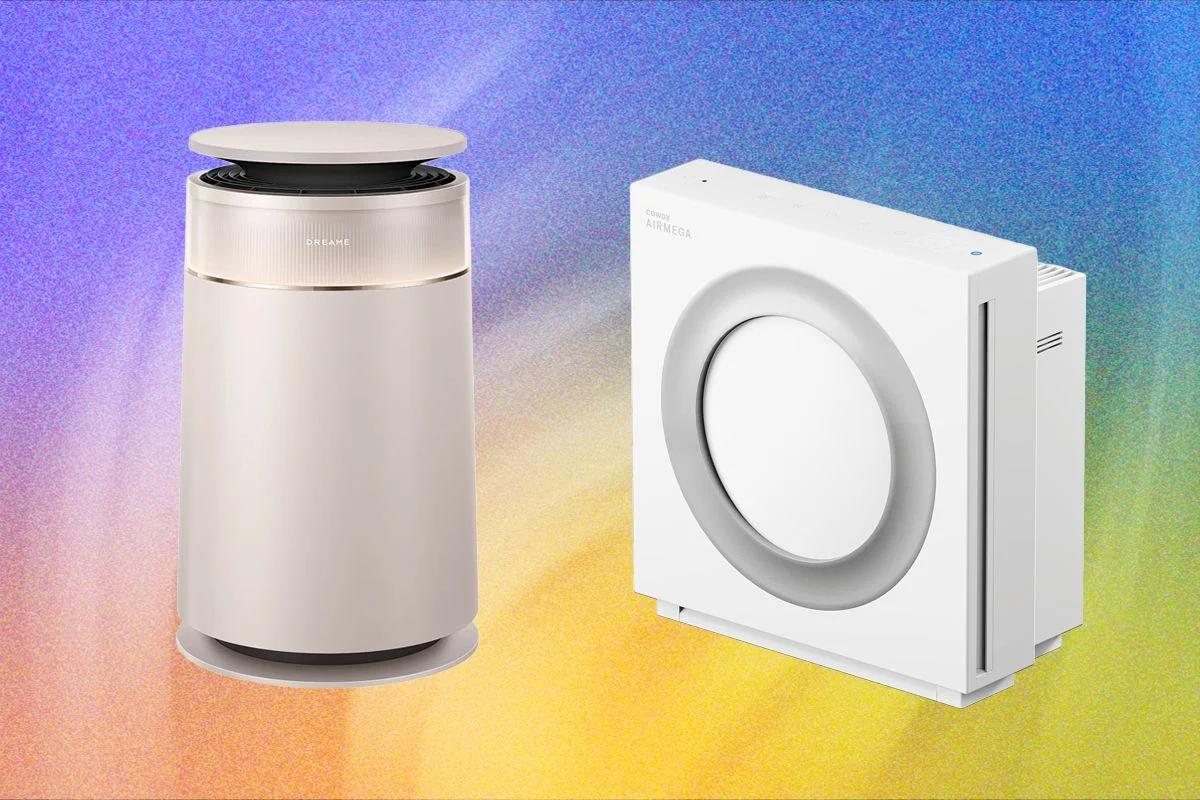
Indoor air quality has shifted from a niche concern for allergy sufferers to a critical public health priority for homeowners worldwide. With the increasing prevalence of wildfire smoke, seasonal pollen spikes, and rising awareness regarding the impact of volatile organic compounds (VOCs) and particulate matter (PM 2.5) on long-term respiratory health, the demand for residential air purification systems has reached an all-time high. Recent rigorous testing of leading air purifiers has revealed significant variations in performance, design, and user-friendliness, underscoring the importance of informed consumer choices when selecting hardware designed to protect your living environment.
Performance Benchmarks and Real-World Testing
The efficacy of an air purifier is best measured by its ability to neutralize pollutants under controlled conditions. During recent performance evaluations, testers utilized a sealed testing environment—a specialized tent—to simulate hazardous air quality scenarios. Smoke pellets were introduced to create an immediate, measurable surge in airborne pollutants.

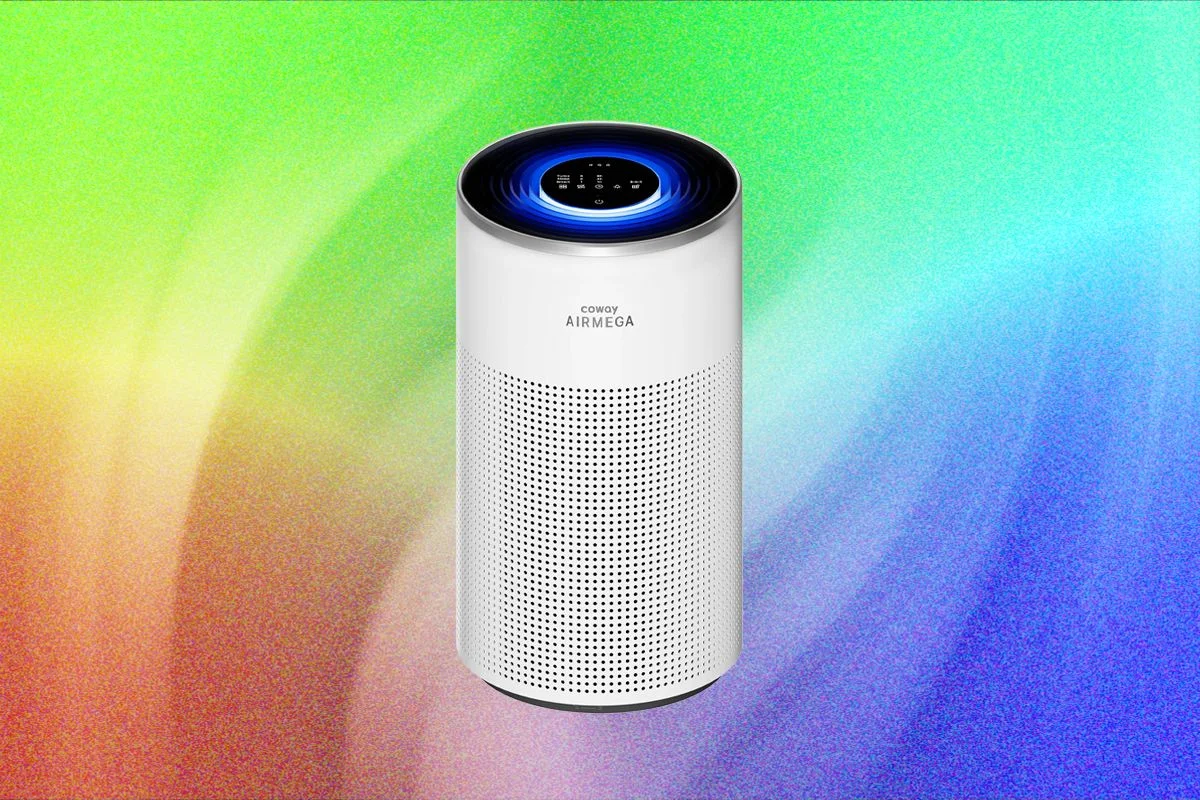
The results varied significantly across market-leading models. The Levoit Vital 200S-P demonstrated robust performance, successfully returning air to a healthy, breathable level in four minutes and 15 seconds. Similarly, the Coway Airmega Mighty2 showed impressive speed, clearing the environment in four minutes and 10 seconds. Perhaps the most notable performer was the IQAir HealthPro Plus XE, which prevented pollutants from visually clouding the test space entirely, bringing air quality from a "hazardous" rating to "good" in under three minutes.
Conversely, some high-tech units struggled with automated responsiveness. The Shark BreatheClear Max, despite its advanced sensor array that scans the air 3,600 times per hour, failed to engage its high-power mode automatically when smoke was introduced. The discrepancy required manual intervention and resulted in a prolonged purification cycle of nearly five hours, highlighting a critical gap between marketing claims regarding "smart" features and actual sensor sensitivity during acute pollution events.
Understanding Filtration Technologies
When evaluating air purifiers, consumers must distinguish between the various filtration methods available on the market. The most common standard remains the High-Efficiency Particulate Air (HEPA) filter. By definition, a true HEPA filter must capture at least 99.97 percent of dust, pollen, mold, bacteria, and other airborne particles as small as 0.3 microns. While highly effective for particulate matter, HEPA filters do not neutralize gases or odors; for those pollutants, activated carbon filters are essential.

Activated carbon filters function through a highly porous surface area that adsorbs VOCs and chemical fumes. These are increasingly common in urban environments where traffic-related fumes or indoor chemical off-gassing from furniture are primary concerns. However, the lifespan of these filters is heavily dependent on the local environment. During periods of heavy wildfire activity, these filters can become saturated quickly, necessitating more frequent replacement to prevent the re-release of trapped contaminants.
Newer technologies, such as UV-C sanitizers and electronic filtration (like that found in the Airdog X5), offer alternative approaches to sterilization. Electronic filtration often utilizes patented technology to charge particles before capturing them, akin to an industrial-grade "zapper." While these units are often California Air Resources Board (CARB) certified—a crucial benchmark for safety—they require careful maintenance to ensure they do not emit ozone, a byproduct that can exacerbate respiratory issues.
The Role of Sensor Accuracy and Connectivity
Modern air purifiers often act as the "brain" of a home’s HVAC strategy, utilizing onboard sensors to adjust fan speeds in real-time. The reliability of these sensors is paramount. Testing has shown that while some sensors are highly responsive to minute changes in PM 2.5 levels, others are overly sensitive, triggering high-decibel "turbo" modes in response to innocuous stimuli, such as a pet moving through a room.
.jpg)
The integration of smart app connectivity has also become a standard feature. Models such as the IQAir GC MultiGas XE and the Airthings Renew offer intuitive data visualization, allowing users to track historical trends in air quality, humidity, and temperature. This data is invaluable for identifying patterns, such as spikes in pollution during specific times of day, which can help homeowners adjust their ventilation habits or identify sources of indoor air pollution. However, the reliance on app-based controls can be a drawback for some users, particularly those who prefer simple, tactile operation or who are concerned about the longevity of software support for hardware products.
Strategic Selection for Large and Small Spaces
Selecting the right purifier requires a careful calculation of the room’s volume. The Centers for Disease Control and Prevention (CDC) recommends aiming for five air exchanges per hour (ACH). To calculate the required capacity, one must determine the cubic footage of the space by multiplying the room’s square footage by the height of the ceiling.
For large-format spaces, such as lofts with double-height ceilings or open-concept floor plans, industrial-strength units like the Coway Airmega ProX are necessary. These units can move significant volumes of air—up to several hundred cubic feet per minute—without reaching the noise levels of a vacuum cleaner. However, their physical footprint and weight often render them impractical for standard bedrooms or home offices.

For smaller environments, such as nurseries or compact workspaces, the focus should shift to noise profiles. Some smaller units, while effective at scrubbing air, generate noise levels exceeding 60 to 70 decibels at full capacity. For comparison, the CDC warns against prolonged exposure to 100-decibel environments, emphasizing the need for purifiers that can effectively cycle air on lower, quieter settings.
Implications for Public Health
The rise in air purifier adoption is a direct reflection of changing environmental conditions. As climate change increases the frequency and intensity of wildfire seasons, the "indoor sanctuary" has become a vital health strategy. Effectively filtering indoor air reduces the load on the human respiratory system, mitigating the risk of inflammation and long-term health complications associated with fine particulate inhalation.
However, purchasing a device is only the first step. Proper maintenance—including the timely replacement of filters and the cleaning of prefilters—is essential. The "plastic-wrapped filter" phenomenon, where users inadvertently run a new purifier without removing the protective packaging from the filter element, remains a common error that renders even the most expensive equipment useless. Furthermore, consumers should prioritize units that are CARB-certified to ensure they are not inadvertently introducing ozone or other harmful byproducts into their homes.
-Reviewer-Photo-SOURCE-Lisa-Wood-Shapiro.jpg)
Future Outlook and Conclusion
The market for residential air purification is moving toward greater integration with whole-home monitoring systems. Future trends suggest that we will see more units capable of communicating directly with HVAC systems to optimize energy use while maintaining air quality. Despite these technological leaps, the fundamental physics of air purification remains constant: sufficient airflow, high-quality filtration media, and consistent maintenance.
When navigating the crowded marketplace, consumers should look past marketing buzzwords and focus on the technical specifications that match their specific living conditions. Whether it is a compact unit for a home office or a powerful tower for an open-concept living space, the objective remains the same: ensuring that the air within our homes remains a safe and healthy environment. As public awareness continues to grow, manufacturers will be under increased pressure to provide more transparency regarding performance metrics, sensor accuracy, and the long-term cost of ownership, ultimately benefiting the consumer who seeks to breathe easier in an increasingly polluted world.