 Indra Kusuma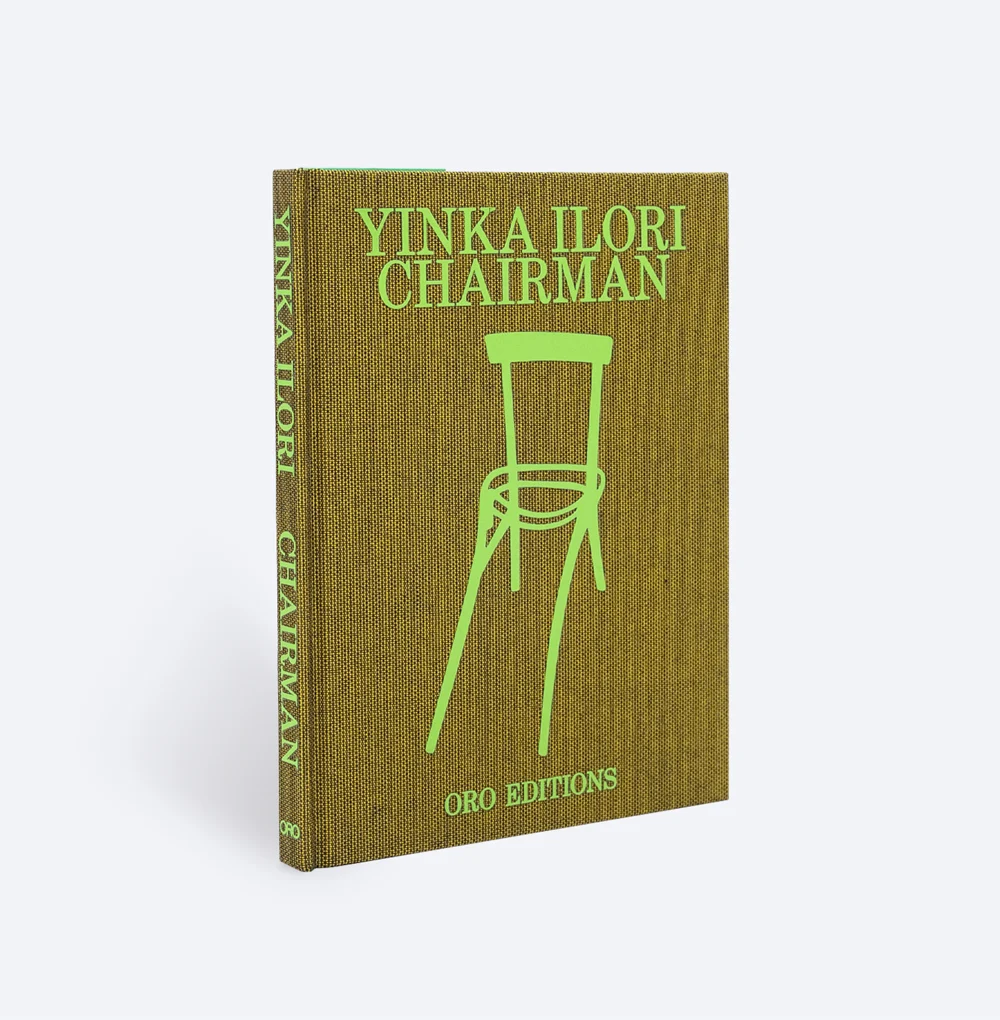
In an era defined by the rise of "greige" minimalism and the functional austerity of modern interiors, the publication of this volume by ORO Editions marks a significant inflection point in the discourse surrounding decorative arts. By cataloging the furniture practice of Yinka Ilori—a designer widely recognized as an "architect of joy"—the book challenges the professional design community to reconsider the relationship between utility, color, and emotional resonance.
A Decade of Design Evolution: The Chronology
The trajectory of Ilori’s career, as detailed in Chairman, spans from his early experimental furniture interventions in London to his current status as a globally recognized creative force. The timeline of his work is rooted in a fundamental shift in how discarded objects are perceived.
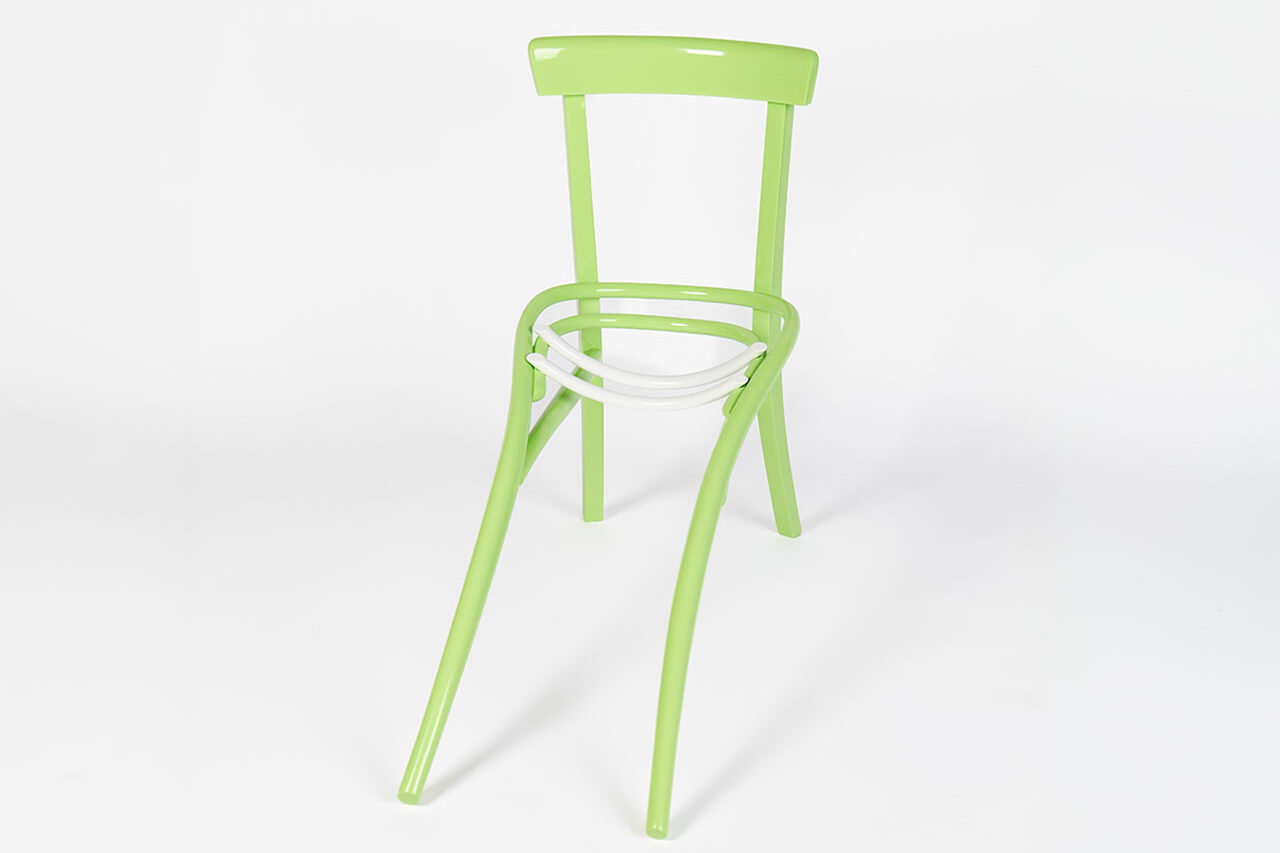
- 2011–2014: The Formative Years. Ilori began sourcing vintage chairs from London charity shops. During this period, his work was defined by a process of salvaging, where he sought to "restore" the dignity of forgotten pieces through vibrant color palettes and traditional Nigerian-inspired patterns.
- 2015–2018: Expanding the Canvas. The practice evolved from simple restoration to structural manipulation. Ilori began to incorporate mixed media—lacquer, metal hardware, and unconventional textiles—into the framework of mass-produced chairs. This era established his signature aesthetic of "color-blocking" as a tool for storytelling.
- 2019–2023: Architectural Integration. The scope of his work transitioned into larger-scale installations, public architecture, and product collaborations. However, throughout this transition, the chair remained his primary unit of analysis, serving as a laboratory for the themes of identity and community.
- 2024–2026: The Retrospective. The publication of Chairman serves as the culmination of these efforts, consolidating fifteen years of intellectual and physical labor into a definitive reference work.
The Psychology of Play and Interior Design
The central thesis of the book addresses a phenomenon observed by behavioral psychologists: the "adultification" of domestic spaces. Data from interior design market analysis suggests a steady decline in the use of high-chroma palettes in residential furniture between 2010 and 2020, with neutral tones—grey, beige, and white—dominating over 65% of the market share.
Ilori’s work serves as a calculated counter-narrative to this trend. By intentionally clashing hues and incorporating elements of "silliness"—such as attaching oversized clothes hangers or artificial succulents to structural chair frames—he forces a psychological interaction between the object and the user. The "architect of joy" philosophy is not merely aesthetic; it is rooted in the belief that design should evoke a visceral, childlike wonder that is often suppressed in adult environments.
Technical Analysis: The Reimagination of the Mundane
The chairs featured in the volume are not treated as blank slates. Instead, Ilori treats them as vessels for historical inquiry. By selecting items from charity shops, he ensures that every piece has a pre-existing provenance—a "past life."

Technically, his process involves a rigorous deconstruction of the chair’s silhouette. For instance, a classic wooden dining chair may be repainted in high-gloss primary colors, while its upholstery is replaced with textiles that reflect his dual heritage. The juxtaposition of these elements—shiny lacquer against matte wood, geometric patterning against organic shapes—is designed to defy the minimalist standard.
According to design critics who have reviewed the early release, the "Chairman" series succeeds because it refuses to prioritize comfort over communication. Each chair is a sculptural object first and a seat second. This distinction is crucial; it separates Ilori’s work from standard furniture manufacturing and places it firmly within the category of conceptual design.
Industry Impact and Market Reception
The publication of Chairman coincides with a broader market shift. Recent reports from international design fairs indicate a resurgence of "Maximalism" and "Joyful Design," with a 15% increase in consumer demand for bold, artisanal furniture pieces compared to the previous five-year cycle.

Industry stakeholders note that Ilori’s influence is moving beyond the niche gallery space. By bridging the gap between high-art installation and functional furniture, his work has influenced how commercial retailers approach product lines, prompting a wider adoption of vibrant, story-driven collections.
"Ilori’s contribution to the field is the reclamation of color as a serious design element," says an independent curator involved in the archival process of the book. "In the past, vibrant color was often dismissed as juvenile. Ilori has successfully proven that color is a sophisticated tool for creating atmosphere, defining space, and conveying cultural identity."
The Philosophy of "Human" Furniture
Perhaps the most compelling aspect of the book is the designer’s personal commentary. Ilori writes of his chairs as if they were sentient beings. "For me, those chairs felt like people with stories," he notes. This anthropomorphic approach is the cornerstone of his methodology. When a designer views an object as a person, the process of transformation becomes an act of empathy.

This perspective has significant implications for sustainable design. In a world where furniture is increasingly treated as "fast-fashion"—bought cheaply, used briefly, and discarded—Ilori’s model of transformation promotes a circular economy. By choosing to rehabilitate rather than replace, he challenges the industry to see the potential for renewal in the objects already surrounding us.
Conclusion: A Legacy Defined
Chairman is not merely a coffee-table book; it is a critical document that charts the intersection of social consciousness and aesthetic rebellion. For the design professional, it offers a roadmap for how to challenge convention. For the general reader, it provides an invitation to reclaim one’s own space through color and imagination.
The publication arrives at a time when the "bleak and gray" nature of global events has prompted a craving for visual optimism. Whether it is through a chair featuring a green backrest and pink legs, or a piece adorned with unconventional geometric panels, the work of Yinka Ilori serves as a reminder that the objects we inhabit are not neutral. They are, in fact, the silent participants in our daily narratives.

With Chairman now available through ORO Editions, the full scope of this project is accessible to the public, ensuring that Ilori’s playful, defiant, and deeply meaningful approach to design remains a permanent part of the contemporary canon. As the book suggests, the only limit to what a chair can be is the designer’s willingness to stop being serious and start being imaginative.