Muhammad Hendra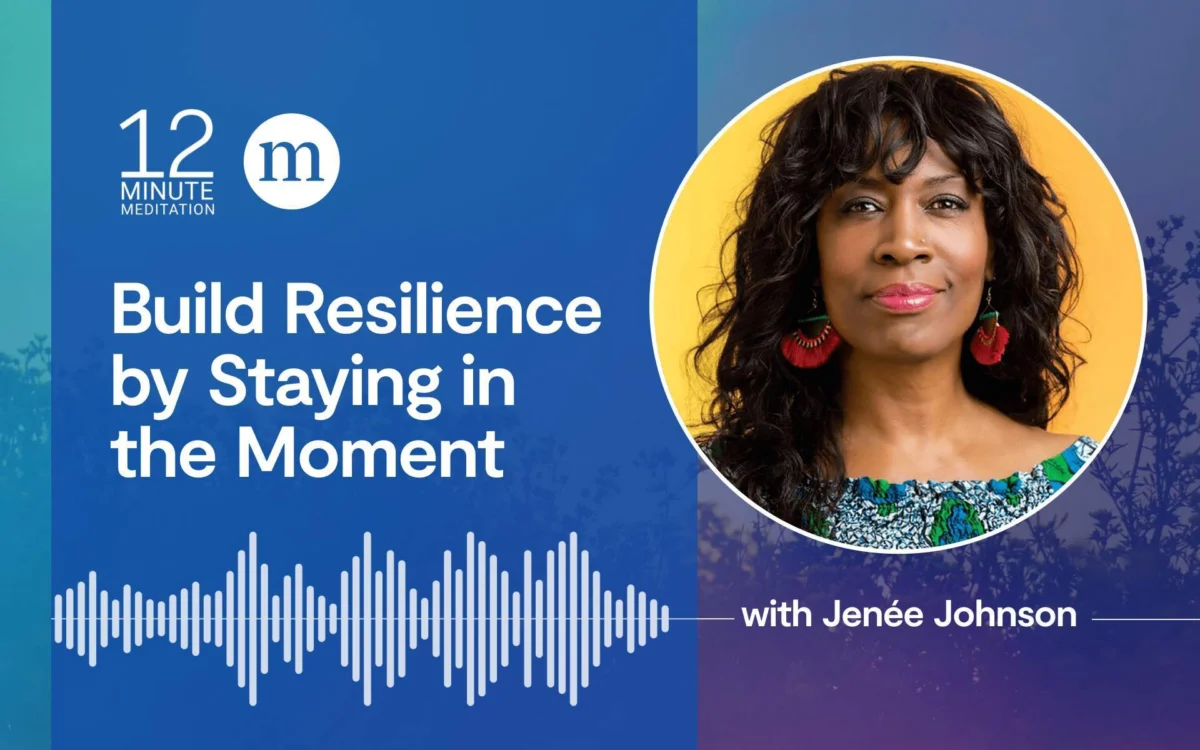
In an era defined by perpetual digital connectivity, unrelenting global news cycles, and the constant fragmentation of human attention, the ability to remain anchored in the present has transitioned from a wellness trend to an essential public health necessity. At the forefront of this movement is Jenée Johnson, a certified professional co-active coach, racial healing specialist, and emotional intelligence educator. Through her pioneering work—most notably encapsulated in the Right Within Experience and her foundational teachings on "staying on the spot"—Johnson offers a structured, science-backed framework for cognitive reclamation, stress reduction, and deep psychological resilience.
The Main Facts: Defining the Right Within Experience and Mindful Presence
The core thesis of Johnson’s practice centers on the ancient Akan concept of Sankofa, an Adinkra symbol originating from Ghana that translates to "go back and get it." In modern psychological terms, Johnson applies this philosophy to the recovery of fragmented aspects of the self caused by chronic distraction, societal pressures, and systemic trauma.
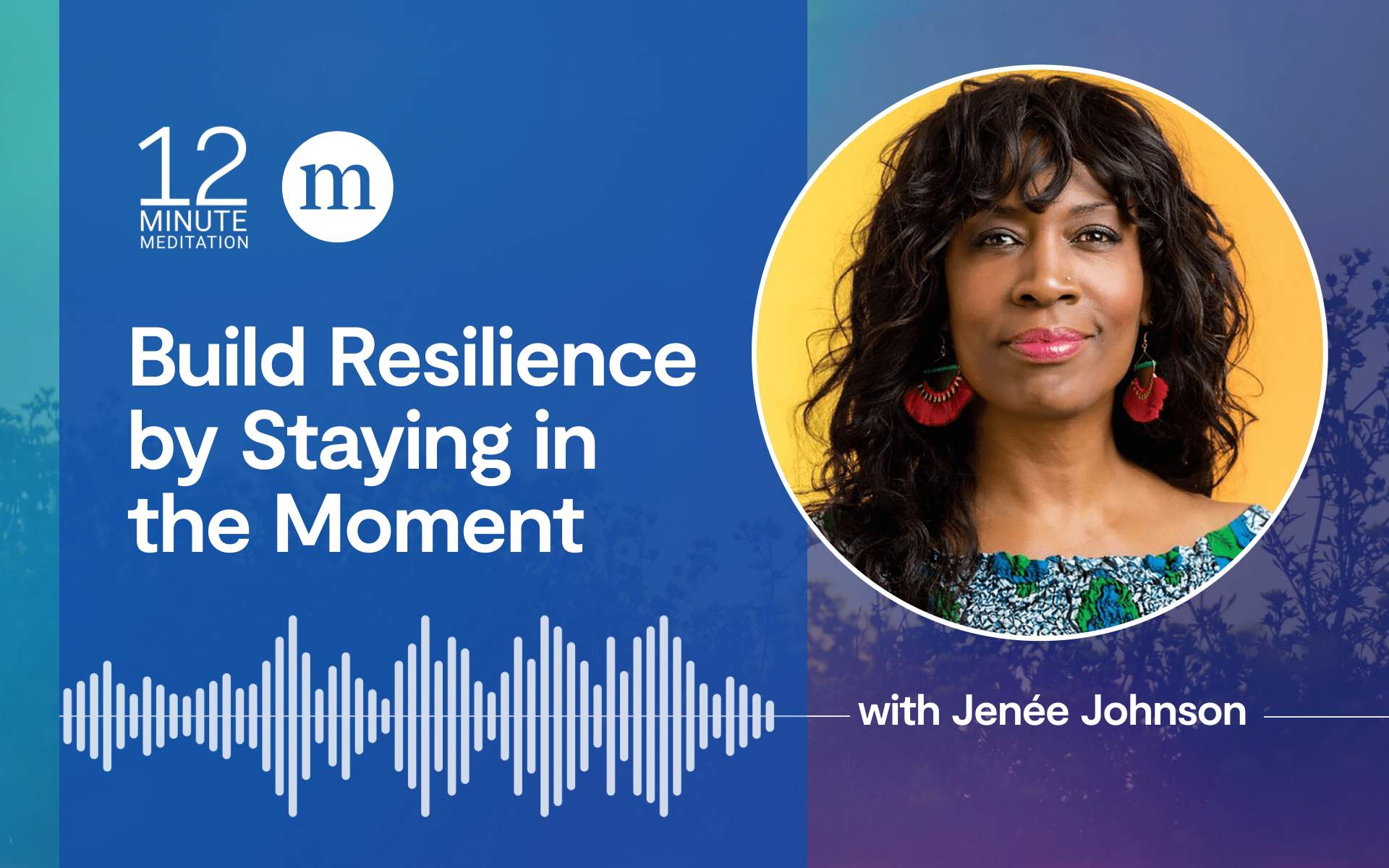
Rather than viewing a wandering mind as a personal failure of discipline, mindfulness practitioners like Johnson frame distraction as an evolutionary response to a hyper-stimulating world. "In our world there are so many temptations to leave ourselves and what is really important to our well-being," Johnson observes. "We end up getting distracted and sucked into another world."
Her signature practice, termed "staying on the spot," is designed to train the human brain to notice when attention has drifted and gently shepherd it back to the immediate present. Johnson draws an accessible parallel to daily life: staying on the spot is comparable to minding the business that genuinely belongs to you, tending to your own personal garden, and preparing nourishment that genuinely satisfies your individual palate. By cultivating this habit within controlled meditation sessions, practitioners build the neural pathways necessary to apply the same focus during high-stress environments in their personal and professional lives.
Chronology and Background: The Evolution of Trauma-Informed Mindfulness
To understand the weight and depth of Johnson’s current offerings, one must examine the trajectory of her career within public health and systemic reform. Long before founding the Right Within Experience, Johnson was recognized for her structural contributions to municipal health systems.

Most notably, she initiated and spearheaded the unique effort to integrate mindfulness and emotional intelligence into San Francisco’s public health programs and practices via the Trauma-Informed Systems (TIS) Initiative. This municipal framework sought to shift institutional cultures away from asking "What is wrong with you?" to "What happened to you?"—integrating an understanding of neurobiology and trauma into the daily operations of city agencies.
Following her tenure within municipal public health, Johnson expanded her scope to address the intersection of emotional intelligence, neuroscience, and racial healing. Recognizing the cumulative toll of systemic racism on marginalized communities, she developed the Right Within Experience. This specialized program serves individuals of African ancestry, utilizing practical mindfulness techniques to counteract the diminishing mental and physical impacts of racism while establishing pathways toward collective and individual liberation. Furthermore, her expertise led to her appointment on the advisory board of the Search Inside Yourself Leadership Institute (SIYLI), an organization originally born out of Google that teaches neuroscience-based emotional intelligence and leadership skills.
Supporting Data and the Science of Attention Regulation
Johnson’s methodology aligns closely with contemporary neuroscientific findings regarding neuroplasticity and the default mode network (DMN) of the human brain. According to structural imaging studies conducted by institutions such as Harvard Medical School and Massachusetts General Hospital, regular mindfulness meditation reduces the physical volume of the amygdala—the brain’s emotional processing center responsible for the fight-or-flight response—while simultaneously thickening the prefrontal cortex, which governs executive functions such as concentration, planning, and emotional regulation.
Data compiled by psychological researchers indicates that the average human mind wanders approximately 47% of the waking day, a phenomenon directly correlated with lower levels of reported happiness. When individuals practice returning their focus to the present moment—what Johnson describes as bringing attention "home to yourself"—they actively disrupt the DMN, which is typically active during daydreams, self-referential thought, and rumination over past or future events.
By training the brain to recognize drift and execute a reset, mindfulness programs achieve tangible reductions in cortisol levels, lowered blood pressure, and marked improvements in working memory. In workplace and community settings, these physiological shifts translate directly into enhanced emotional regulation, fewer burnout-related absences, and superior conflict-resolution capabilities.
Statements and Reactions: The Broader Wellness Community
While Johnson’s work stands on its own merits, it exists within a broader ecosystem of modern contemplative pedagogy that emphasizes inclusivity, somatic awareness, and cultural context. Observers and colleagues in the fields of behavioral health and emotional intelligence frequently note that traditional Western mindfulness models have historically overlooked the compounding impact of systemic stressors, such as racism and generational trauma, on nervous system regulation.
Mental health advocates and leadership analysts point out that Johnson’s integration of cultural philosophies like Sankofa bridges a critical gap in contemporary wellness spaces. By validating the historical and systemic roots of stress, rather than prescribing a one-size-fits-all approach to relaxation, practitioners are able to address trauma at its somatic root.
Participants in the Right Within Experience and related training modules frequently report a heightened sense of agency. Feedback aggregated from workshop attendees highlights a renewed capacity to establish personal boundaries, recognize early physiological warning signs of burnout, and respond to environmental stressors with deliberate intention rather than reflexive anxiety.
Broader Impact and Implications for Modern Society
The implications of Johnson’s teachings extend far beyond individual stress management. As organizations grapple with escalating mental health crises, retention challenges, and widespread employee burnout, the demand for trauma-informed, culturally competent leadership tools has never been higher.
Municipalities, healthcare networks, and corporate entities are increasingly recognizing that superficial wellness initiatives—such as occasional seminars or generic meditation apps—are insufficient for reversing chronic disengagement. True organizational and personal resilience requires systemic awareness and daily cognitive training.
By teaching individuals how to "stay on the spot," Johnson provides a micro-intervention that yields macro-level societal benefits. When a critical mass of individuals learns to pause, examine their internal state, and resist the external pulls of digital hyper-stimulation and systemic stress, the collective capacity for empathetic engagement, rational discourse, and sustainable productivity expands.
Ultimately, Jenée Johnson’s work serves as both a practical toolkit and a philosophical reminder. In a culture that constantly urges individuals outward, her message remains clear: true clarity, calm, and well-being are attained not by chasing external solutions, but by having the courage to return, again and again, to oneself.