
 Indra Kusuma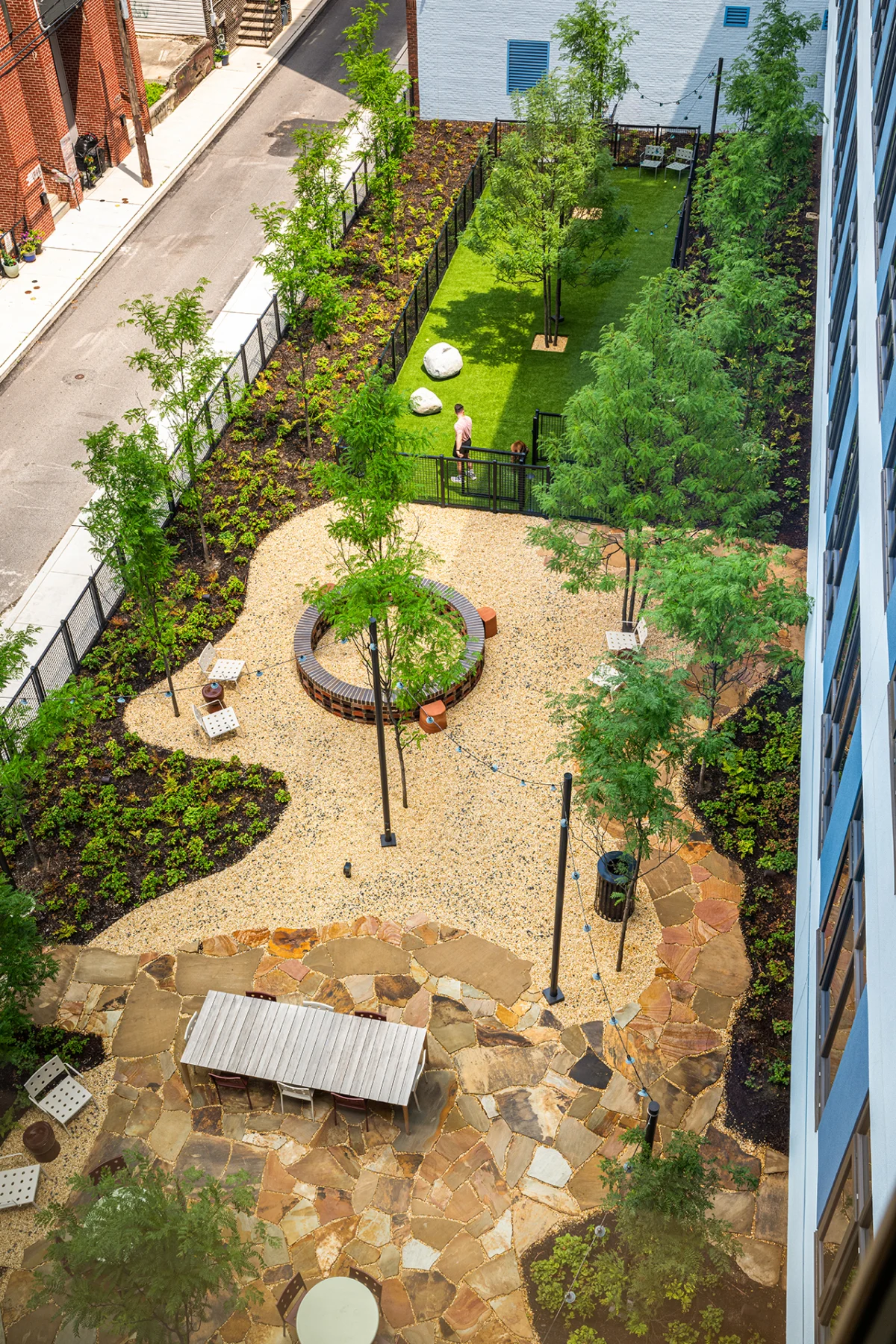
The escalating cost of living in America’s premier urban centers has rendered the aspiration of securing a well-sized apartment in metropolises such as New York, Denver, or Miami increasingly unattainable for a significant portion of young professionals. With housing expenses consistently outpacing wage growth, a profound dilemma has emerged, challenging traditional notions of urban residency. Enter Urby, a pioneering development chain launched in 2010 by seasoned real estate developer David Barry, which aims to fundamentally transform this landscape. By strategically expanding into accessible secondary and tertiary markets adjacent to major urban cores and prioritizing robust communal spaces over expansive private units, Urby is actively reshaping the paradigm of contemporary city living. The company’s distinctive approach, forged through a long-standing collaboration with the innovative Dutch architecture firm Concrete Amsterdam, culminates in projects like the recently unveiled Fishtown Urby in Philadelphia, which serves as a compelling testament to their vision of integrated, community-centric urban environments.
The Genesis of Urby: Addressing the Urban Dilemma
The narrative of Urby is intrinsically linked to the evolving dynamics of urban real estate and the profound shifts in socio-economic realities impacting younger generations. For decades, major U.S. cities have been economic powerhouses, drawing talent with promises of opportunity and vibrant cultural experiences. However, this magnetic pull has concurrently fueled an unprecedented surge in housing costs. According to data from various real estate analytics firms, average rental prices in prime urban markets have seen double-digit percentage increases in recent years, far outstripping the modest gains in average salaries. For instance, reports frequently highlight that a significant portion of a young professional’s income in cities like New York or San Francisco is consumed by rent, often exceeding the recommended 30% threshold for housing affordability. This creates a challenging environment where securing a "decently sized" apartment often means compromising on location, amenities, or financial stability, pushing many out of the very centers they wish to inhabit.
David Barry, the visionary behind Urby, recognized this growing disparity and the inherent limitations of conventional apartment living over a decade ago. His observation that "Apartment living in the United States has become especially transitory and sterile" speaks to a widespread sentiment among urban dwellers. Traditional apartment complexes, often designed with minimal shared amenities, foster a sense of isolation rather than community. Residents frequently move in and out, with little opportunity for meaningful social interaction beyond their immediate household. Barry’s core objective was clear: "My goal has always been to create a more human experience and better facilitate social interaction." This philosophy laid the groundwork for Urby’s innovative model, which seeks to inject vitality and connection back into the urban residential experience.
Strategic Expansion and a New Paradigm for Community Living
From its inception in 2010, Urby’s growth trajectory has been marked by strategic foresight, focusing on markets that offer a compelling blend of affordability, accessibility, and growth potential. Rather than directly competing in the hyper-expensive core of cities like Manhattan, Urby has successfully established a presence in "secondary and tertiary markets near these major urban cores, with suitable transportation links." This strategy allows them to offer a more attainable price point while still providing residents with convenient access to metropolitan job centers and cultural hubs. Locations such as Staten Island, Jersey City, and Washington D.C. exemplify this approach, becoming vibrant alternatives to the often prohibitive costs of their larger, more central counterparts. These areas benefit from ongoing urban revitalization efforts and improved public transit infrastructure, making them attractive to a demographic that values both connectivity and community.
The cornerstone of Urby’s model lies in its redefinition of residential space. Acknowledging the economic realities that necessitate smaller private units, the emphasis is decisively shifted towards meticulously designed and expansive communal areas. This concept, often associated with the burgeoning co-living movement, recognizes that while private square footage may be constrained, the overall living experience can be significantly enriched through shared amenities that foster interaction, convenience, and a sense of belonging. This design philosophy is not merely about providing shared facilities; it’s about engineering opportunities for residents to connect, collaborate, and build a genuine community, moving beyond the superficiality of merely sharing a building.
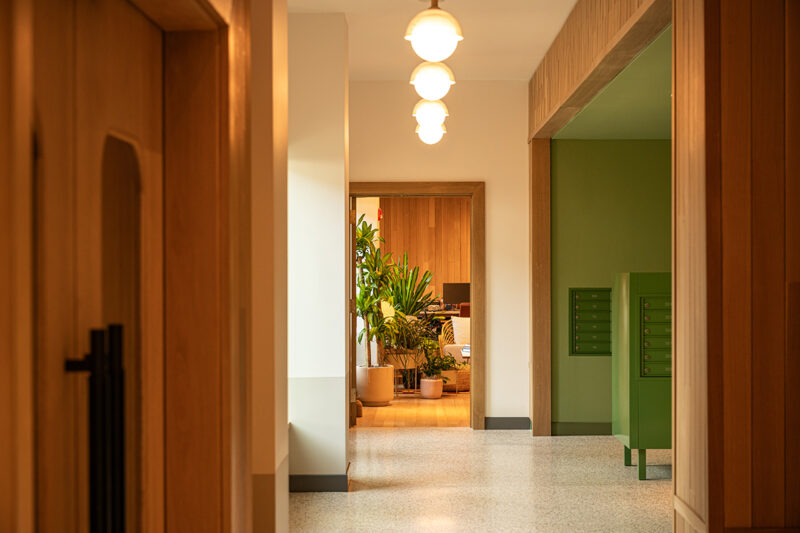
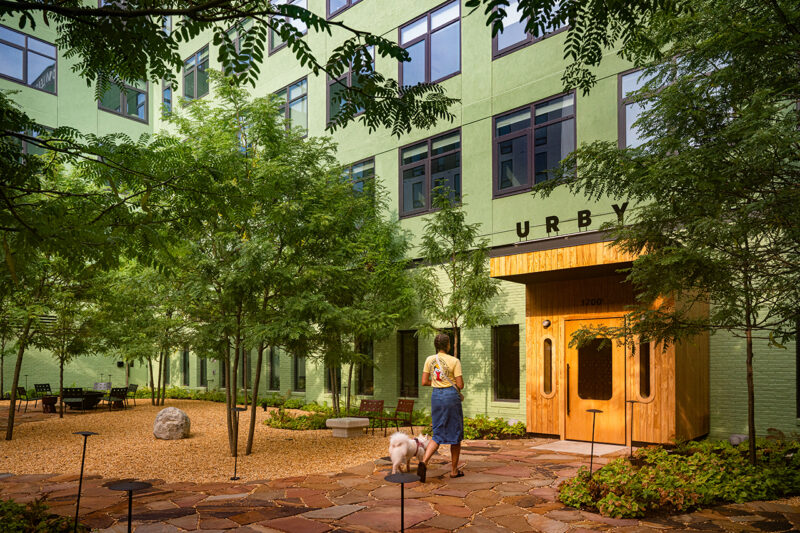
Integral to this vision from "day one" has been the collaborative partnership with Concrete Amsterdam, an innovative and concept-oriented Dutch architecture firm. Known for their forward-thinking designs and a pragmatic yet playful approach to urban spaces, Concrete Amsterdam has been instrumental in translating Urby’s philosophical tenets into tangible architectural and interior design solutions. Their involvement underscores a commitment to design excellence that goes beyond mere aesthetics, focusing on functionality, user experience, and the creation of environments that actively encourage social engagement. This partnership has been crucial in ensuring that Urby complexes emerge as "fully amenitized, condensed communities, but not hermetically sealed enclaves." Instead, they are designed to "open up and embrace their surroundings," seamlessly integrating into the existing urban fabric rather than standing apart from it. This integration is key to their model, fostering a sense of authenticity and belonging.
Crafting the Modern Urban Residence: Unit and Amenity Design
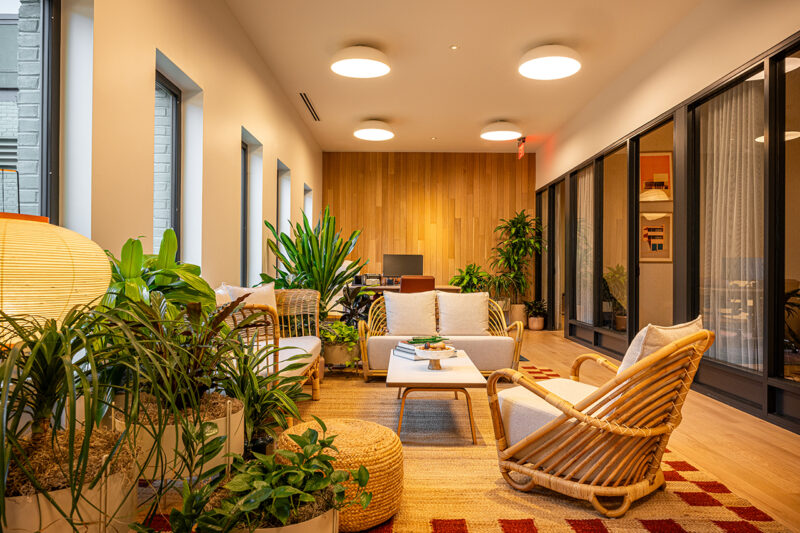
The meticulous attention to detail at Urby extends from the macro-level community planning down to the individual residences, which are thoughtfully crafted to meet the contemporary needs of renters. Concrete Amsterdam has been pivotal in "defining smart layouts and finishing options for the compact, flexible studio to three-bedroom residences." This design process involved extensive "beta-testing in a factory before being introduced at scale," a methodology that speaks to a commitment to efficiency, quality control, and user-centric design. This iterative approach ensures that the final product is not only aesthetically pleasing but also highly functional and durable, capable of withstanding the rigors of urban living while adapting to diverse resident needs.
The target demographic for Urby – primarily Millennial and Gen-Z renters – heavily influences the design choices. These generations prioritize flexibility, smart living solutions, and environments that support both work and leisure. They are digital natives who often work remotely or in hybrid models, value wellness, and seek authentic connections. Urby units are designed to accommodate these preferences. For instance, kitchens, though often galley-style to maximize space, feature "all of the essential top-line appliances," ensuring functionality without compromise on quality. Bedrooms are strategically separated in the layout, particularly in multi-bedroom units, to provide essential privacy for roommates – a crucial consideration for young professionals often sharing living spaces to manage costs. These design elements reflect a deep understanding of how modern urban dwellers live and work within their homes, maximizing utility and comfort in a compact footprint.
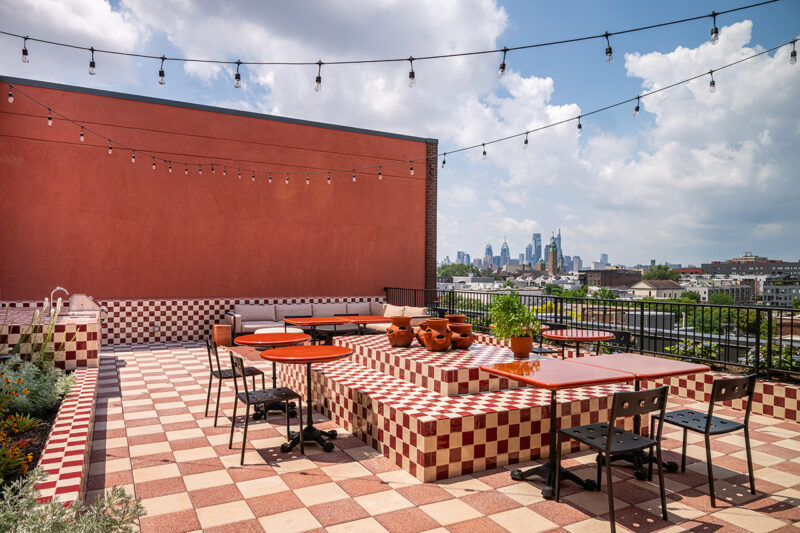
Beyond the private quarters, the true differentiator for Urby lies in its extensive and thoughtfully curated shared spaces, where Concrete Amsterdam’s expertise truly shines. These communal areas are not mere afterthoughts but central pillars of the Urby experience, designed to facilitate interaction and enhance daily life. The offerings are comprehensive and diverse, catering to a wide array of needs and desires:
- Multifunctional Work-from-Home Lounges: Reflecting the global shift towards hybrid and remote work, these spaces are designed for productivity during the day, featuring soundproof office pods and ample seating. Their adaptability means they can "moonlight as a party room" in the evenings, fostering a seamless transition between professional and social life, a key demand for a generation seeking work-life integration.
- Onsite Hotel-Style Lobby Restaurants/Cafes: Providing convenience and a natural gathering point, these establishments often serve regional staples, encouraging residents to linger, socialize, and support local businesses, thereby strengthening the internal community and its ties to the surrounding neighborhood.
- State-of-the-Art Fitness Centers: Promoting wellness and an active lifestyle, these gyms are often larger than typical apartment building offerings, reflecting a growing trend in holistic well-being. They are equipped with modern machinery and often host classes, further promoting community engagement.
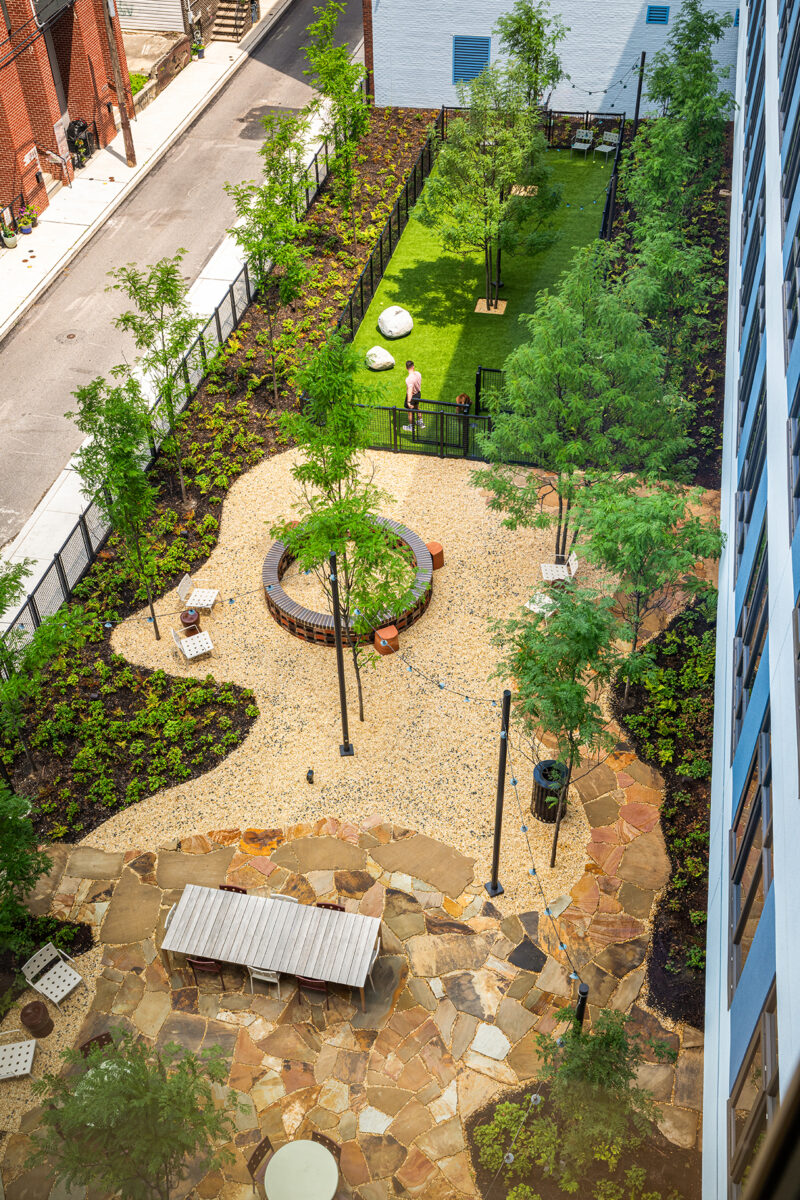
- Outdoor Patios and Dog Parks: Recognizing the importance of green spaces and pet ownership in urban environments, these areas offer residents opportunities for relaxation, recreation, and social interaction in an open-air setting. Dog parks, in particular, serve as natural meeting points for residents, fostering casual interactions.
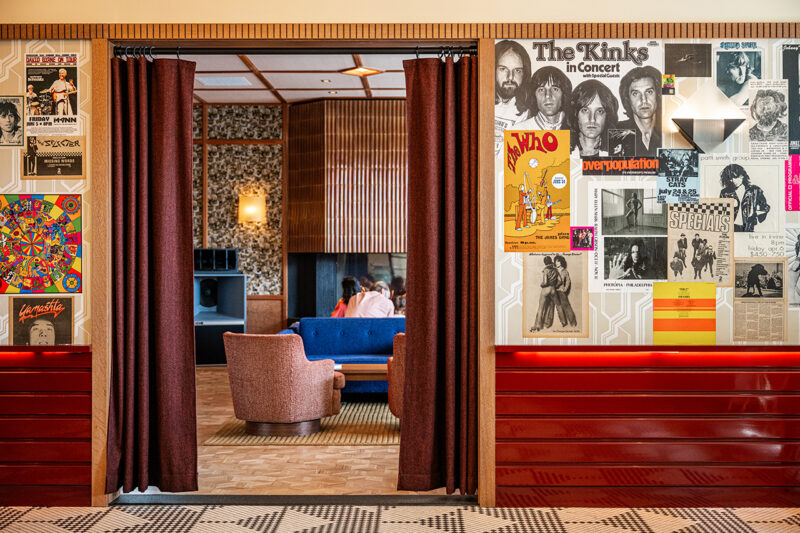
- Unique Experiential Spaces: As seen in Fishtown, Urby often includes distinctive amenities like speakeasies or rooftop patios, providing residents with exclusive, memorable experiences without having to leave their community. These unique offerings contribute to a sense of luxury and exclusivity, enhancing the overall value proposition.
The integration of these amenities transforms Urby complexes into self-contained ecosystems, offering residents a lifestyle of convenience and connection that extends far beyond the four walls of their private apartment, truly embodying the vision of a "human experience."
Fishtown Urby: A Case Study in Integrated Urban Living
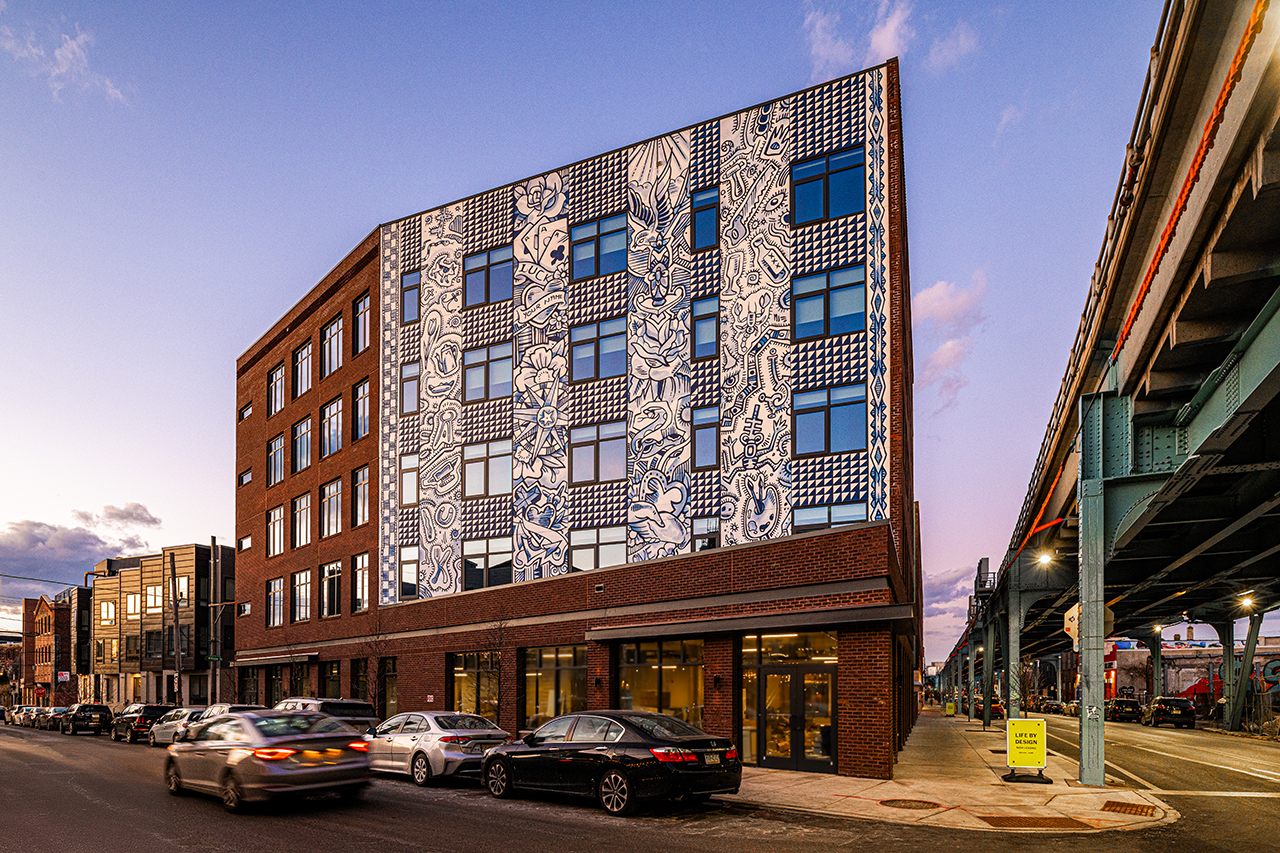
The Fishtown Urby, Urby’s latest property in Philadelphia, stands as a prime illustration of the refined and distinctive approach developed over 15 years of collaboration between David Barry’s vision and Concrete Amsterdam’s design prowess. Located in Philadelphia’s vibrant Fishtown neighborhood, the project perfectly embodies the philosophy of blending into and enriching its surroundings. Fishtown itself offers a







