
 Indra Kusuma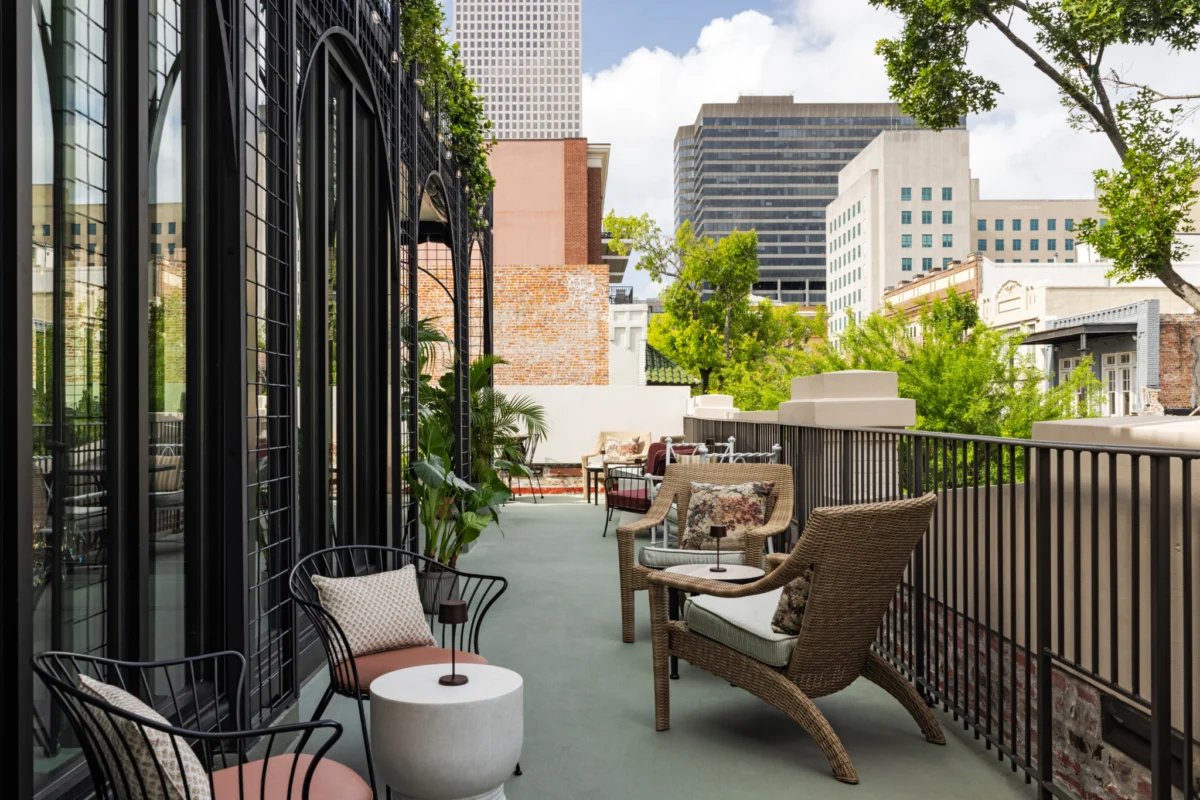
New Orleans, a city synonymous with vibrant cultural iconography, often sees its hospitality design reflect these overt visual cues, from saturated colors to elaborate detailing. However, a new cocktail lounge and rooftop bar, Charles & Julia, located within the historic Hotel Perle, has deliberately chosen a more nuanced and understated design philosophy. Developed by Anna Nicole Interiors, this approximately 3,000-square-foot establishment offers a refreshing departure, cultivating an atmosphere reminiscent of a lived-in European home rather than a traditional, thematically heavy hotel bar. This project signals a sophisticated evolution in New Orleans’ hospitality scene, favoring collected elegance and subtle storytelling over familiar clichés.
A Departure from Convention: The Vision Behind Charles & Julia
In a city celebrated for its unique visual identity, designers frequently gravitate towards immediate and recognizable motifs: the intricate ironwork of the French Quarter, the bold hues of Mardi Gras, or explicit references to jazz and Voodoo culture. While these elements are undeniably part of New Orleans’ charm, Anna Nicole Interiors recognized an opportunity to explore a different facet of the city’s rich character. The vision for Charles & Julia was to create a space that felt deeply rooted in its surroundings but interpreted its essence through a refined, less literal lens. This approach aimed to attract both discerning locals and visitors seeking an authentic yet distinctive experience, moving beyond the easily consumable tourist aesthetic.
The design team’s decision to adopt a "quieter approach" reflects a broader trend in contemporary hospitality design, where authenticity, comfort, and a sense of discovery are increasingly valued. Instead of overwhelming guests with overt symbolism, Charles & Julia seeks to immerse them in an atmosphere that evokes the feeling of a personal collection, assembled over time with care and intention. This shift aligns with a growing demand for bespoke experiences that offer depth and a sense of belonging, rather than merely a temporary backdrop.
Adaptive Reuse: From Automotive Hub to Boutique Hotel Icon
The setting for Charles & Julia is as integral to its narrative as its interior design. Housed within Hotel Perle, the lounge occupies the ground floor of a distinguished 1916 building that originally served as a Stutz motorcar dealership. This historical context presented both unique opportunities and significant design challenges. The structure’s industrial heritage, characterized by soaring ceilings and exposed brickwork, provided a robust, character-filled shell. However, transforming such an expansive, industrially scaled space into one that feels intimate and inviting required ingenious architectural and interior design strategies.
Adaptive reuse projects like Charles & Julia are becoming increasingly vital components of urban revitalization efforts worldwide. Converting historic, often underutilized, buildings into new commercial or residential spaces not only preserves architectural heritage but also injects new life into urban cores. For New Orleans, a city with a wealth of historic structures, such transformations are crucial for maintaining its unique architectural fabric while fostering economic growth. The decision to retain and highlight elements of the building’s original character, such as the exposed brick, pays homage to its past while seamlessly integrating it into its new identity. This blend of old and new creates a layered history that enriches the visitor experience, offering a tangible connection to the city’s evolving story.
Crafting Intimacy: The Ground Floor Lounge Experience
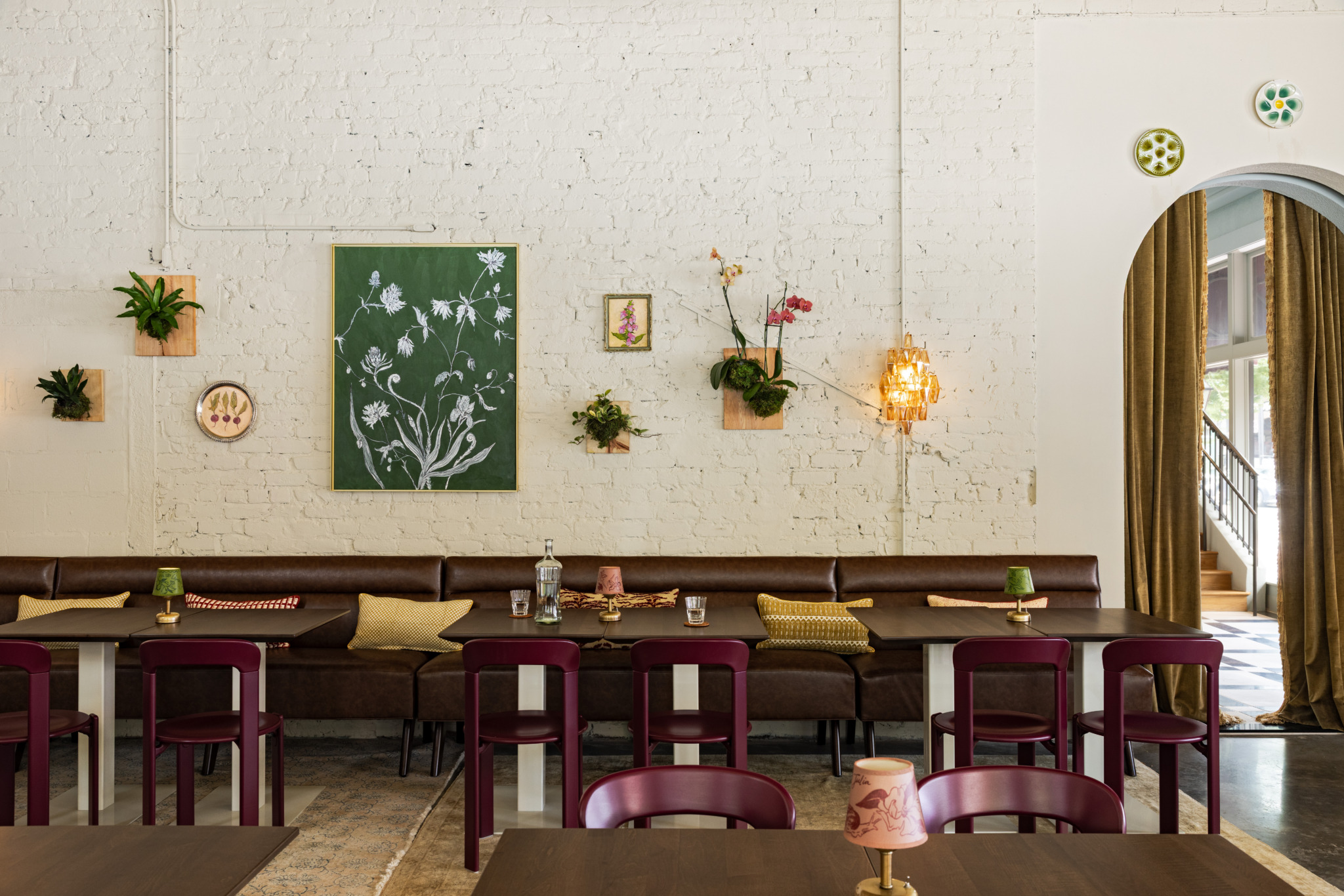
The main challenge for Anna Nicole Interiors on the ground floor was to make the approximately 3,000-square-foot lounge, with its inherent grandeur and scale, feel comfortable and welcoming. Rather than resorting to physical subdivisions, the design team employed a sophisticated suite of residential strategies. These included the careful placement of vintage rugs, the luxurious drape of generous curtains, and the arrangement of conversational seating groupings designed to foster interaction and ease. Softened lighting, a critical element in establishing mood, was meticulously planned to create pockets of warmth and intimacy throughout the expansive room. Custom millwork further defined spaces and added bespoke detailing, contributing to the overall sense of a curated, residential environment.
The result is a space that genuinely feels "collected rather than decorated," a testament to the meticulous attention to detail and the thoughtful layering of elements. Oxblood velvet drapery frames the street-facing windows, adding a touch of old-world glamour and privacy while allowing natural light to filter in. Grape-toned Bruno Rey chairs, celebrated for their iconic design and ergonomic comfort, are strategically placed alongside a carefully selected array of vintage European furnishings. These pieces, acquired through discerning curation, contribute to the lounge’s established, timeless aesthetic. Layered kilim rugs not only add warmth and texture but also help to define individual zones within the open plan, creating a sense of distinct "moments" that guests can inhabit.
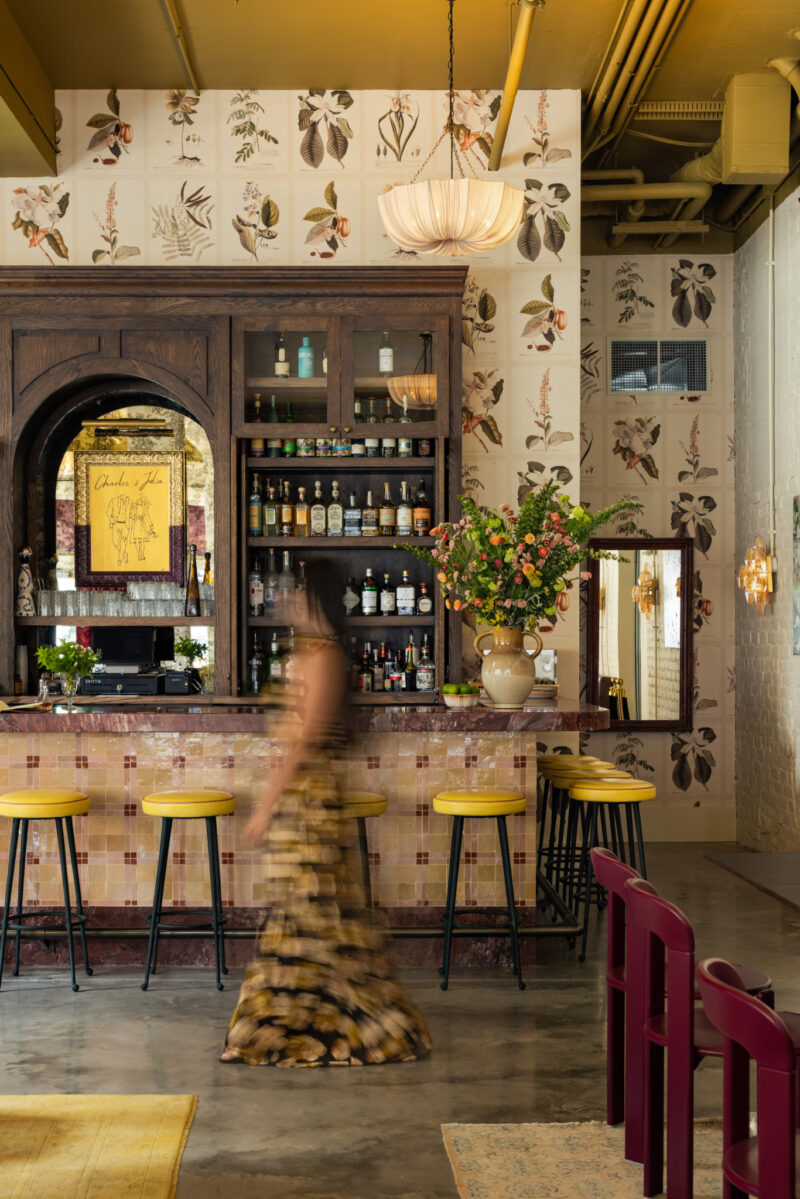
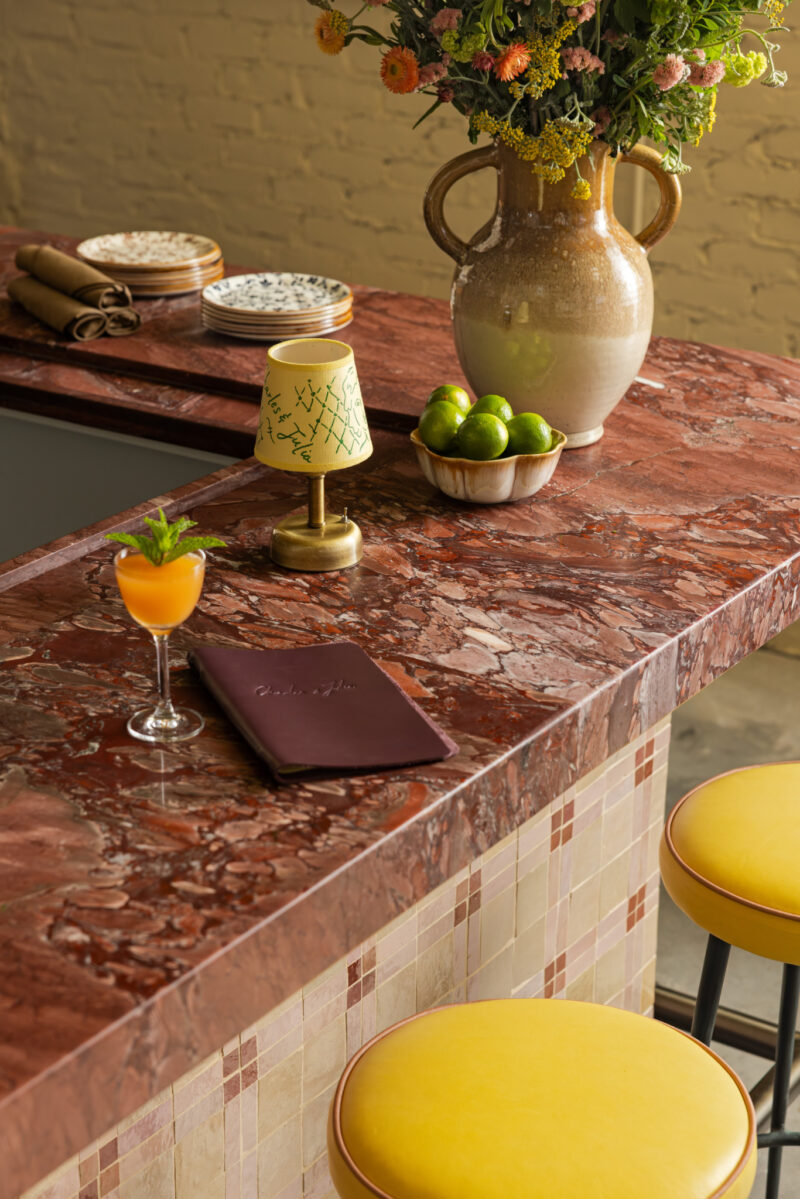
The bar itself serves as a dramatic focal point. A custom stained oak back bar anchors the room, its rich tones providing a grounding presence. This is complemented by a striking Calacatta Viola marble bar, fabricated locally, which introduces a dramatic splash of color and luxurious texture. The veining of the marble, with its deep reds and purples, ties into the overall color scheme while offering a moment of visual splendor. Balancing the weight of these substantial materials—stone, wood, and brick—is the delicate visual texture of botanical wallpaper. Inspired by George Ehret’s exquisite 1773 Plantae Selectae, this wallpaper introduces a softer, organic layer that adds depth and sophistication without overwhelming the space.
A Curated Palette: Subtle Echoes of New Orleans
The interior palette of Charles & Julia, while evoking European residential design, maintains a subtle yet undeniable connection to New Orleans. Eschewing literal references to Mardi Gras’s boisterous purples, greens, and golds, the design instead deploys muted chartreuse, aubergine, oxblood, and warm gold in restrained and sophisticated ways. This thoughtful selection of colors creates an atmosphere that feels timeless and deeply rooted in a sense of place, rather than overtly thematic or transient. The muted tones speak to a more refined interpretation of New Orleans’ inherent vibrancy, reflecting its complex history and diverse cultural influences without resorting to caricature.
The entire concept is loosely inspired by a fictional romance between characters named Charles and Julia, whose imagined journeys through Europe inform the layered aesthetic. This narrative framework allows for a rich tapestry of influences—from the grandeur of Parisian apartments to the rustic charm of Italian villas—to be woven into the design. Critically, the story is not told literally through explicit imagery or signage, but rather unfolds through the materiality of the space itself. The choice of fabrics, the patina of vintage furniture, the subtle botanical motifs, and the interplay of light and shadow all contribute to this unspoken narrative, inviting guests to discover the story through sensory experience. This narrative-driven design creates a more immersive and emotionally resonant environment, fostering a deeper connection with the space.
Elevated Escape: The Sicilian-Inspired Rooftop Terrace
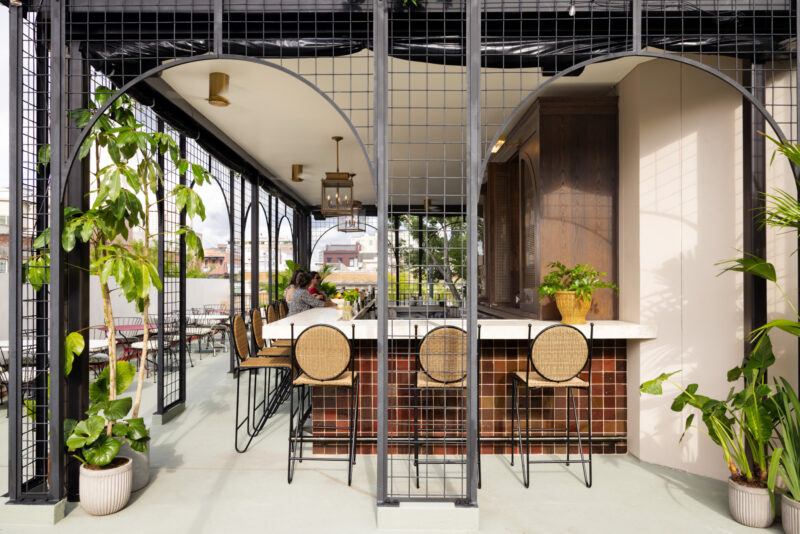
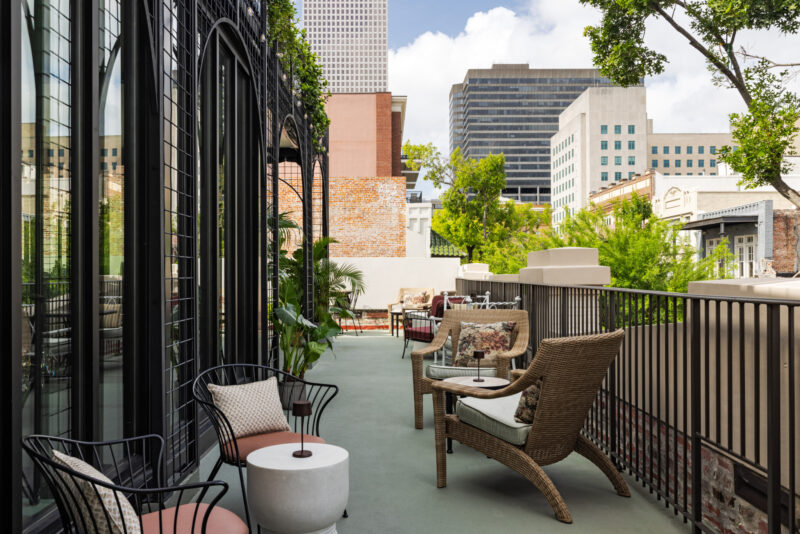
Ascending from the intimate depths of the ground floor lounge, the mood at Charles & Julia undergoes a complete transformation on the rooftop terrace. Here, the darker tones and richly layered interiors give way to a lighter, airier counterpoint, drawing inspiration from the sun-drenched landscapes of Sicily and Southern Europe. This strategic shift in ambiance provides a dynamic contrast, offering guests two distinct yet complementary experiences within a single venue.
The rooftop terrace embodies an elevated garden aesthetic, designed to evoke a sense of tranquil escape above the bustling city. Sculptural iron furnishings, reminiscent of classic European outdoor cafes, are paired with woven textures that add an organic, tactile quality. Lush greenery, meticulously curated by Luna Botanicals, spills from planters and frames seating areas, enhancing the garden-like atmosphere and providing a verdant counterpoint to the urban skyline. With sweeping views overlooking downtown New Orleans, the terrace offers a serene vantage point for enjoying cocktails and conversation. The palette here is lighter, featuring natural materials and cooler tones that reflect the open sky and bright sunshine. This design choice creates a relaxed, open environment that contrasts sharply with the enveloping intimacy of the lounge below. Together, these two levels function as a harmonious duality: one inviting guests into a world of sophisticated introspection, the other offering an expansive, carefree embrace of the cityscape.
A Tapestry of Local Artistry and Craftsmanship
A cornerstone of Charles & Julia’s residential sensibility and commitment to authenticity is its deep collaboration with New Orleans artists and makers. This intentional integration of local talent reinforces the narrative of a space that has been assembled and evolved over time, rather than merely installed as a turnkey project. By commissioning local artisans, the project not only enriches its aesthetic but also supports the vibrant creative economy of New Orleans.
Among the notable collaborations are the hand-painted lampshades by Rachel Loyacono, which add bespoke touches of artistry and warmth to the lighting scheme. Original artworks by Tracy Mose, Jenn Leverett, and Casey Langteau grace the walls, each piece contributing a unique voice and a connection to the local art scene. These artworks are not mere decorations but integral components of the curated environment, reflecting the diverse artistic talent within the city. The botanical installations by Luna Botanicals extend the natural elements from the rooftop to the interior, creating living art pieces that enhance the lounge’s organic feel. Furthermore, locally fabricated marble elements and custom upholstery underscore a commitment to craftsmanship and regional resources. This emphasis on local sourcing and artistic collaboration imbues Charles & Julia with a distinctive character that could not be replicated elsewhere, making it a true reflection of New Orleans’ creative spirit and dedication to preserving its artisanal heritage. This approach also contributes to the sustainability of the project, fostering community engagement and reducing the environmental footprint associated with long-distance sourcing.
Implications for New Orleans’ Evolving Hospitality Landscape
Charles & Julia represents a significant development in New Orleans’ hospitality landscape, signaling a maturation of design preferences and an increasing demand for nuanced experiences. By offering an alternative interpretation of the city’s identity—one expressed through restraint, layered materials, and sophisticated storytelling—it challenges the conventional wisdom that overt theming is necessary for success in a tourist-driven market. This project demonstrates that deep respect for the city’s history, craftsmanship, and inherent hospitality can be conveyed through subtle elegance rather than overt symbolism.
The success of Charles & Julia could inspire other establishments in New Orleans to explore similar design approaches, fostering a new wave of venues that prioritize authenticity, bespoke craftsmanship, and a sophisticated sense of place. This shift could help diversify the city’s offerings, attracting a broader demographic of visitors and locals who appreciate refined aesthetics and thoughtful design. Furthermore, the project’s commitment to adaptive reuse sets a precedent for urban development, highlighting the value of preserving historic structures while imbuing them with contemporary relevance.
From an economic perspective, the emphasis on local artists and fabricators not only enriches the project’s unique character but also provides tangible support to the local creative economy. This model of community engagement and local sourcing can serve as a blueprint for future developments, fostering a symbiotic relationship between new businesses and the existing cultural infrastructure of the city. Charles & Julia, therefore, is more than just a cocktail lounge; it is a statement about the evolving identity of New Orleans, showcasing its capacity for innovation and its enduring appeal as a city where history and modernity gracefully intertwine. It stands as a testament to the power of design to create meaningful connections and to tell a compelling story without uttering a single word.
Project Details and Future Outlook
Charles & Julia is open daily at Hotel Perle, located at 757 St. Charles Ave., New Orleans, Louisiana. Its opening marks a notable addition to the city’s burgeoning culinary and cocktail scene, offering a distinctive destination for both residents and visitors. The collaboration between Hotel Perle, Anna Nicole Interiors, and a host of local artists exemplifies a successful partnership dedicated to creating unique and meaningful spaces. This innovative approach to hospitality design positions Charles & Julia as a benchmark for future projects in New Orleans, encouraging a deeper exploration of the city’s multifaceted character and its potential for sophisticated, understated elegance. As New Orleans continues to evolve, establishments like Charles & Julia will play a crucial role in shaping its narrative, demonstrating that true authenticity lies not in replication, but in thoughtful interpretation and genuine connection to place.







