Hanik Kholidah
Creatine, a nitrogenous organic acid traditionally associated with elite athletic performance and bodybuilding, has emerged as a critical focus in the broader landscape of women’s preventative health and clinical nutrition. As research evolves, the scientific community is increasingly recognizing that creatine monohydrate offers significant benefits beyond muscle hypertrophy, particularly for women who face unique physiological challenges related to hormonal fluctuations, bone density loss, and lower baseline creatine stores. Recent clinical reviews and product developments, such as the specialized formulations from health and wellness platform mindbodygreen, underscore a paradigm shift where creatine is positioned as a foundational nutrient for cellular energy, cognitive longevity, and metabolic health across the female lifespan.
The Biochemical Foundation and Mechanism of Action
To understand the necessity of creatine supplementation for women, one must examine the compound’s role at the cellular level. Creatine is synthesized endogenously in the liver, kidneys, and pancreas from three precursor amino acids: methionine, glycine, and arginine. Approximately 95% of the body’s creatine is sequestered in skeletal muscle, while the remaining 5% is distributed in the brain and other high-energy-demand tissues.
The primary function of creatine is to facilitate the rapid regeneration of adenosine triphosphate (ATP), the universal energy currency of cells. During periods of intense physical or cognitive exertion, ATP is hydrolyzed into adenosine diphosphate (ADP) to release energy. Creatine, stored as phosphocreatine, donates a phosphate group to ADP, instantly reforming ATP. This "shuttle" system is vital for maintaining energy homeostasis during high-demand intervals. For women, whose endogenous production and storage capacities differ significantly from men, this mechanism is central to maintaining both physical stamina and mental clarity.
Historical Context and the Evolution of Research
The trajectory of creatine research has moved through several distinct phases. In the early 20th century, researchers identified creatine as a key player in muscle metabolism. By the 1970s and 1980s, it became a staple in the regimens of professional athletes, primarily for its ability to enhance short-duration, high-intensity performance. However, early studies were heavily biased toward male subjects, leading to a long-standing misconception that creatine was unnecessary or even detrimental—due to unfounded fears of "bulking" or water retention—for the female population.
The turning point occurred in the last decade, as longitudinal studies began to focus on the female-specific "creatine gap." A landmark 2021 review published in the journal Nutrients highlighted that women consistently exhibit lower endogenous creatine levels than men, often by as much as 70-80%. This deficit is compounded by the fact that women typically consume less dietary creatine through red meat and seafood. Furthermore, the loss of muscle mass, or sarcopenia, which begins to accelerate after age 30 at a rate of approximately 8% per decade, has catalyzed a movement toward using creatine as a protective intervention for aging women.
Gender-Specific Physiological Considerations
The necessity for targeted supplementation in women is driven by several biological factors. Hormonal fluctuations throughout the menstrual cycle, pregnancy, and menopause significantly impact creatine kinase activity and the body’s ability to utilize phosphocreatine.
The Menstrual Cycle and Pregnancy
Research indicates that creatine levels in women fluctuate in correlation with estrogen levels. During the luteal phase, when estrogen is high, creatine kinase levels often drop, potentially impacting energy availability. Supplementation can provide a stable baseline that mitigates these cyclical energy dips. Furthermore, emerging research suggests that during pregnancy, there is an increased demand for creatine to support fetal development and placental energy metabolism, though clinical consensus continues to advocate for medical supervision in these cases.
Menopause and Sarcopenia
The transition into menopause is characterized by a decline in estrogen, which is associated with a rapid decrease in muscle mass and bone mineral density. Creatine has been shown to act synergistically with resistance training to stimulate muscle protein synthesis and increase bone mineral content. By enhancing the capacity for high-intensity movement, creatine allows menopausal women to perform the weight-bearing exercises necessary to prevent osteoporosis.
Clinical Data and Efficacy Standards
The efficacy of creatine is one of the most well-documented in the world of nutritional science, with over 700 studies confirming its safety profile. When evaluating supplements, clinicians emphasize the "Gold Standard": Creatine Monohydrate. While other forms like creatine HCl or nitrate exist, monohydrate remains the most bioavailable, with nearly 100% of the ingested dose reaching the bloodstream.
Dosage and Bioavailability
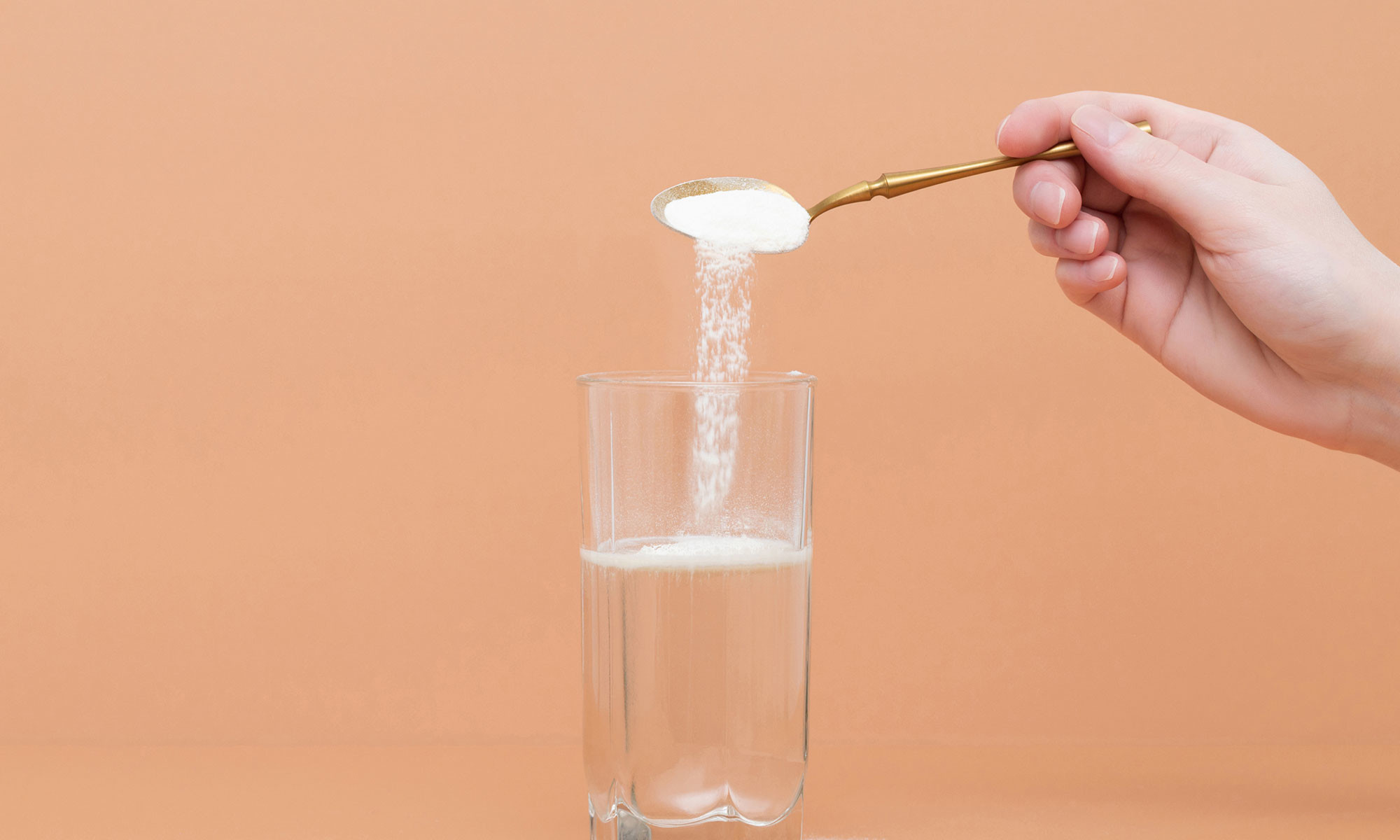
Standard clinical protocols suggest a daily intake of 3 to 5 grams to maintain muscle saturation. However, newer data suggests that higher doses—up to 10 grams daily—may be required to achieve "brain saturation." Unlike skeletal muscle, the brain must cross the blood-brain barrier to absorb creatine, necessitating a higher or more consistent dosage to support cognitive functions such as memory, executive function, and mood regulation.
The Role of Synergistic Ingredients
Recent market innovations have seen the introduction of "Creatine+" formulas. These products combine creatine with other ergogenic or health-promoting compounds:
- Taurine: An amino acid that assists in osmoregulation and cellular hydration, potentially reducing the minor gastrointestinal discomfort some users experience.
- Magnesium: Essential for muscle relaxation and recovery, often depleted during intense exercise.
- Electrolytes: Sodium and potassium ensure that the water pulled into muscle cells by creatine is balanced by systemic hydration.
Analysis of Specialized Formulations: A Case Study
The shift toward sophisticated, female-centric supplementation is exemplified by the mindbodygreen product suite. Rather than offering a generic powder, the platform has developed a tiered system targeting specific health outcomes.
- Muscle and Performance (Creatine with Taurine+): Designed for the active woman, this formula focuses on the synergistic relationship between taurine and creatine to support muscle strength without the bloat often associated with lower-quality powders.
- Cognitive Longevity (Creatine Brain+): This reflects the growing body of evidence linking creatine to neuroprotection. For women, who are statistically more likely to experience certain types of cognitive decline and depression, the brain-specific benefits of creatine are a primary clinical interest.
- Body Composition (Creatine Tone+): Aimed at metabolic health, this formulation supports the maintenance of lean muscle mass, which is the primary driver of basal metabolic rate (BMR).
- Recovery and Hydration: By incorporating magnesium and electrolytes, these variations address the post-exercise window, ensuring that the inflammatory response to exercise is managed and cellular fluids are replenished.
Market Trends and Official Health Perspectives
The global creatine market is projected to grow significantly as the "active aging" demographic expands. Health organizations, including the International Society of Sports Nutrition (ISSN), have issued position stands stating that creatine monohydrate is the most effective nutritional supplement currently available for increasing high-intensity exercise capacity and lean body mass.
Regulatory bodies and third-party testing agencies, such as NSF International and Informed Choice, have also stepped up oversight. Because the supplement industry is often criticized for "label claim" inaccuracies—particularly in the gummy format where heat during manufacturing can degrade the creatine molecule—the move toward third-party verified powders represents a return to pharmaceutical-grade transparency.
Broader Impact and Future Implications
The implications of widespread creatine adoption among women extend into public health. As the global population ages, the burden of frailty-related injuries and cognitive decline on healthcare systems increases. Creatine represents a low-cost, high-safety-margin intervention that could potentially reduce the incidence of falls and fractures by maintaining muscle power in the elderly.
Furthermore, the "mental energy" aspect of creatine is becoming a focal point in workplace wellness. With women often balancing high-stress careers with domestic responsibilities, the ability of creatine to support the brain during periods of sleep deprivation or intense cognitive load offers a non-stimulant alternative to caffeine.
In conclusion, the evolution of creatine from a niche sports supplement to a comprehensive health tool for women is backed by a robust and growing body of evidence. By addressing the physiological storage gap and supporting the body through various life stages—from the reproductive years through the post-menopausal transition—creatine monohydrate stands as a pivotal element in the future of personalized nutrition and preventative medicine. The development of targeted formulas, such as those emphasizing purity and synergistic ingredients, ensures that women can tailor their intake to their specific health goals, whether they be physical strength, cognitive resilience, or metabolic longevity.