Hanik Kholidah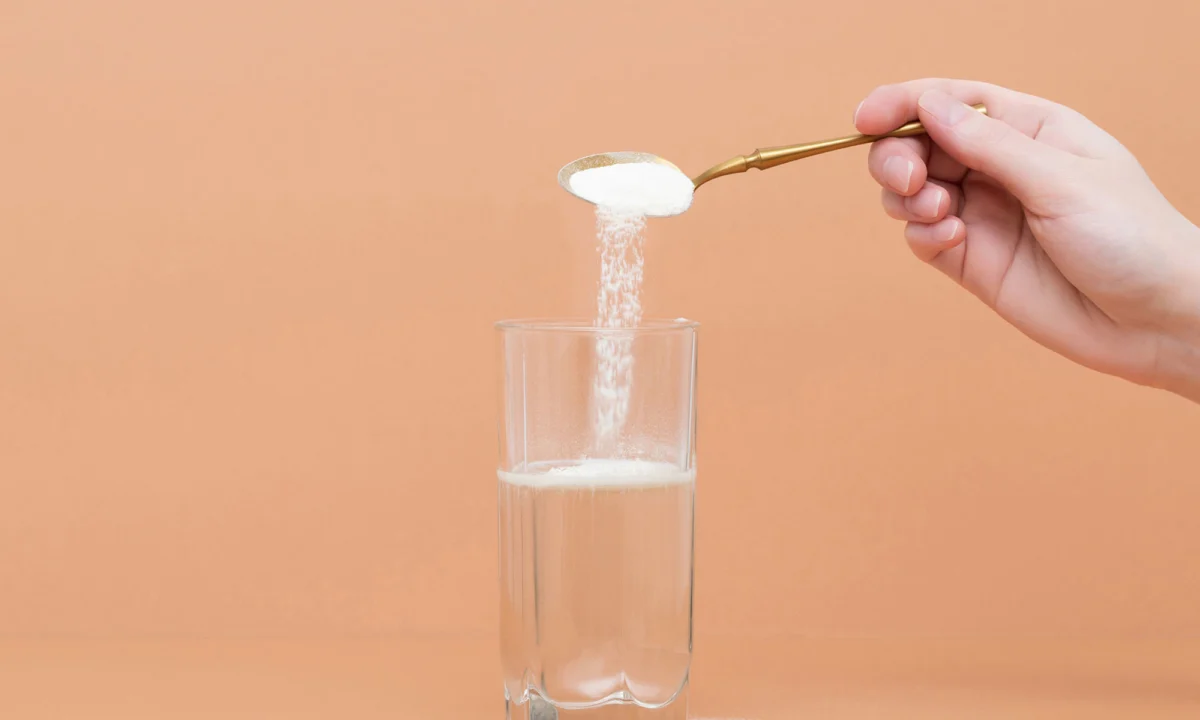
The global sports nutrition market, once dominated by a singular focus on male athletic performance, is undergoing a significant paradigm shift as clinical research highlights the profound benefits of creatine for the female demographic. Historically pigeonholed as a supplement for bodybuilders seeking muscle hypertrophy, creatine monohydrate is now being recognized by medical professionals and nutritionists as a vital tool for women’s health, cognitive function, and healthy aging. This transition is marked by the emergence of specialized formulations—such as those recently developed by industry leaders like mindbodygreen—which combine traditional creatine with secondary compounds like taurine, magnesium, and electrolytes to address specific physiological needs.
The Biochemical Foundation of Creatine
Creatine is a nitrogenous organic acid produced naturally in the human body, synthesized primarily in the liver and kidneys from three precursor amino acids: methionine, glycine, and arginine. Approximately 95% of the body’s creatine supply is stored within skeletal muscle tissue, while the remaining 5% is distributed between the brain and the testes. Within these tissues, creatine is converted into phosphocreatine, a critical component in the regeneration of adenosine triphosphate (ATP).
ATP serves as the primary energy currency for cellular processes. During periods of high-intensity physical activity or intense cognitive demand, the body’s ATP stores are depleted within seconds. Phosphocreatine acts as a rapid-response reservoir, donating a phosphate group to ADP (adenosine diphosphate) to reform ATP, thereby sustaining energy output. While the body produces about one gram of creatine daily and humans consume roughly another gram through animal proteins, these levels typically only saturate muscle stores to approximately 60% to 80% of their total capacity. Supplementation is the only verified method to achieve 100% saturation, which clinical data suggests is the threshold required to unlock the compound’s full ergogenic and therapeutic potential.
The Gender-Specific Necessity: Why Women Benefit More
For decades, the majority of creatine research was conducted on male cohorts, leading to a gap in public understanding regarding female-specific applications. However, contemporary physiology identifies several reasons why women may find supplementation even more impactful than their male counterparts.
First, women naturally possess 70% to 80% lower endogenous creatine stores than men. This disparity is exacerbated by hormonal fluctuations; research indicates that creatine kinase levels (the enzyme that facilitates creatine’s function) vary during the menstrual cycle and decline significantly during pregnancy and menopause. Furthermore, women face a distinct challenge regarding muscle preservation. Statistical data indicates that women lose approximately 8% of their muscle mass every decade after the age of 30, a condition known as sarcopenia. By increasing the availability of phosphocreatine, women can improve their resistance training outcomes, thereby mitigating the age-related decline in lean muscle tissue and bone mineral density.
A Chronology of Creatine: From Discovery to Modern Specialization
The journey of creatine from a laboratory curiosity to a staple of the $45 billion supplement industry is a testament to its safety profile and efficacy.
- 1832: French scientist Michel Eugène Chevreul first identifies creatine as a constituent of skeletal muscle.
- 1912: Researchers at Harvard University find that ingesting creatine can significantly increase the creatine content within the muscle.
- 1992: Creatine enters the public consciousness following the Barcelona Olympics, where it was reported that several gold medalists utilized the supplement to enhance performance.
- 2000s: The International Society of Sports Nutrition (ISSN) begins publishing position stands, eventually labeling creatine monohydrate as the most effective ergogenic nutritional supplement currently available to athletes.
- 2021-Present: A landmark review titled "Creatine Supplementation in Women’s Health" is published, sparking a new wave of interest in how the supplement supports women through puberty, pregnancy, postpartum, and menopause.
This timeline has culminated in the current era of "Creatine Plus" formulations. As the market matures, consumers are moving away from bulk unflavored powders toward targeted blends. The recent rollout of the mindbodygreen suite of products—including Creatine with Taurine+, Brain+, Tone+, and Recovery+—reflects a broader industry trend toward "precision nutrition."
Analyzing the Synergy of Modern Formulations
The evolution of creatine products is characterized by the addition of "bonus" ingredients designed to solve specific health hurdles.
1. Cellular Hydration and Taurine
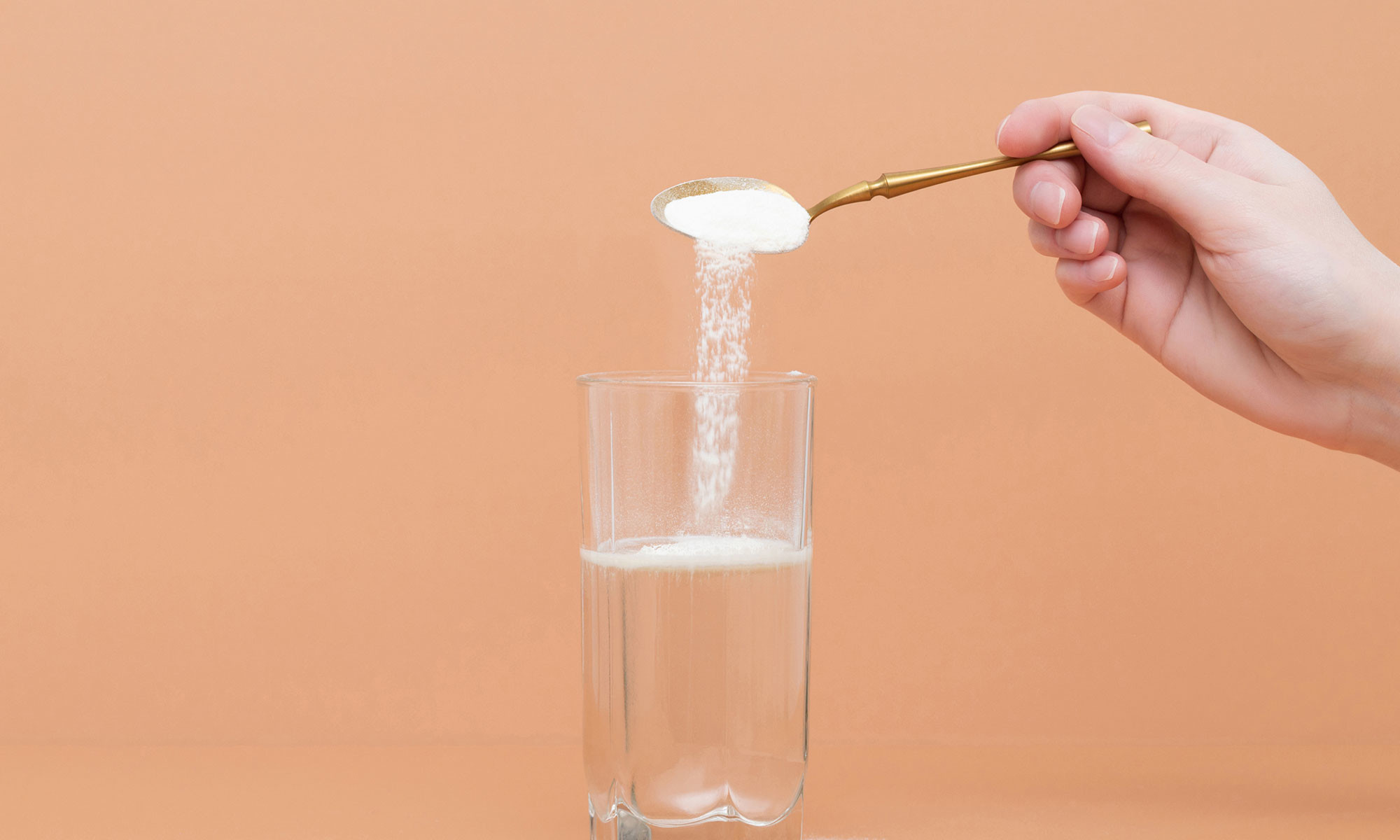
The combination of creatine and taurine is designed to address muscle function and intracellular hydration. Taurine, an amino acid found in high concentrations in the heart and brain, acts as an osmoregulator. When paired with creatine, it helps move water into the muscle cells, which can improve "muscle fullness" and performance without the subcutaneous water retention (bloating) that many women fear.
2. The Cognitive Frontier: Creatine for Brain Health
Emerging research suggests that the brain is a high-energy organ that relies heavily on ATP. During periods of sleep deprivation or intense mental fatigue, brain creatine levels drop. Specialized "Brain+" formulations often aim to provide higher doses—sometimes up to 10 grams—which some studies suggest are necessary to cross the blood-brain barrier effectively. This has implications for memory, executive function, and the management of "brain fog" during perimenopause.
3. Recovery and Magnesium
Magnesium is a cofactor in over 300 enzymatic reactions, including those that regulate muscle contraction and relaxation. A "Recovery+" approach combines creatine’s energy-restoring properties with magnesium’s ability to soothe the nervous system and prevent cramping, making it a popular choice for evening supplementation or post-high-intensity interval training (HIIT).
Market Data and Consumer Trends
The shift toward high-quality, third-party-tested powders is supported by recent lab analyses. A 2023 report by independent testing agencies found that many "creatine gummies" on the market failed to meet their label claims, with some containing less than 20% of the advertised creatine. In contrast, creatine monohydrate powder remains the "gold standard" due to its 100% bioavailability.
Industry analysts note that "clean label" products—those free from artificial sweeteners like sucralose or acesulfame potassium—are seeing the highest growth rates among female consumers. This demographic prioritizes transparency and third-party certifications (such as NSF Certified for Sport or Informed Choice) to ensure the absence of heavy metals and banned substances.
Professional Perspectives and Expert Recommendations
Molly Knudsen, M.S., RDN, and other leading registered dietitian nutritionists, emphasize that consistency is the primary driver of success with creatine. Unlike caffeine, which provides an acute stimulant effect, creatine works through "loading" or gradual accumulation.
"Creatine is a daily supplement, not something you only take on the days you exercise," experts note. "Regular use helps you reach and maintain creatine saturation, which is what allows the supplement to support your body’s stores over time."
The medical community has also moved to debunk the "loading phase" myth for the general population. While athletes may take 20 grams a day for a week to see rapid results, a steady dose of 3 to 5 grams daily achieves the same saturation level within three to four weeks, often with fewer gastrointestinal side effects.
Broader Impact and Future Implications
The implications of widespread creatine use among women extend into the realm of public health. As the global population ages, the prevention of falls and fractures becomes a priority for healthcare systems. By supporting muscle strength and bone density, creatine supplementation could play a role in reducing the burden of osteoporotic fractures in elderly women.
Furthermore, the "Creatine for All" movement is breaking down the stigma associated with performance-enhancing nutrients. As more women share experiences of improved strength and mental clarity without the "bulk" traditionally associated with the supplement, the barrier to entry continues to lower.
In conclusion, the modernization of creatine—from its origins as a raw athletic aid to its current status as a sophisticated health optimizer—represents a significant milestone in nutritional science. With its high safety profile, low cost-per-serving, and diverse range of benefits spanning from the muscle to the mind, creatine is positioned to remain a cornerstone of the women’s wellness industry for the foreseeable future. As formulations become more targeted and research continues to expand, the focus will likely remain on purity, bioavailability, and the synergistic power of combined nutrients.