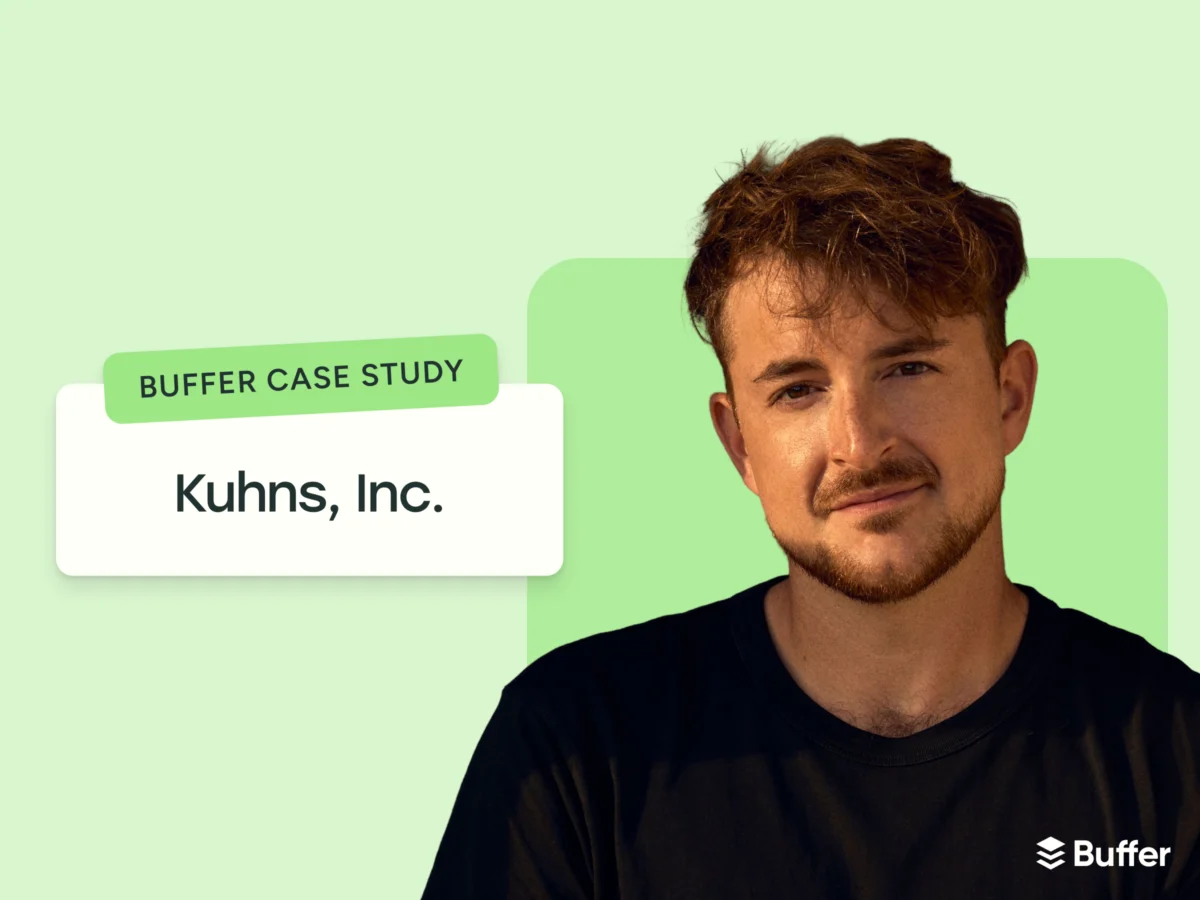
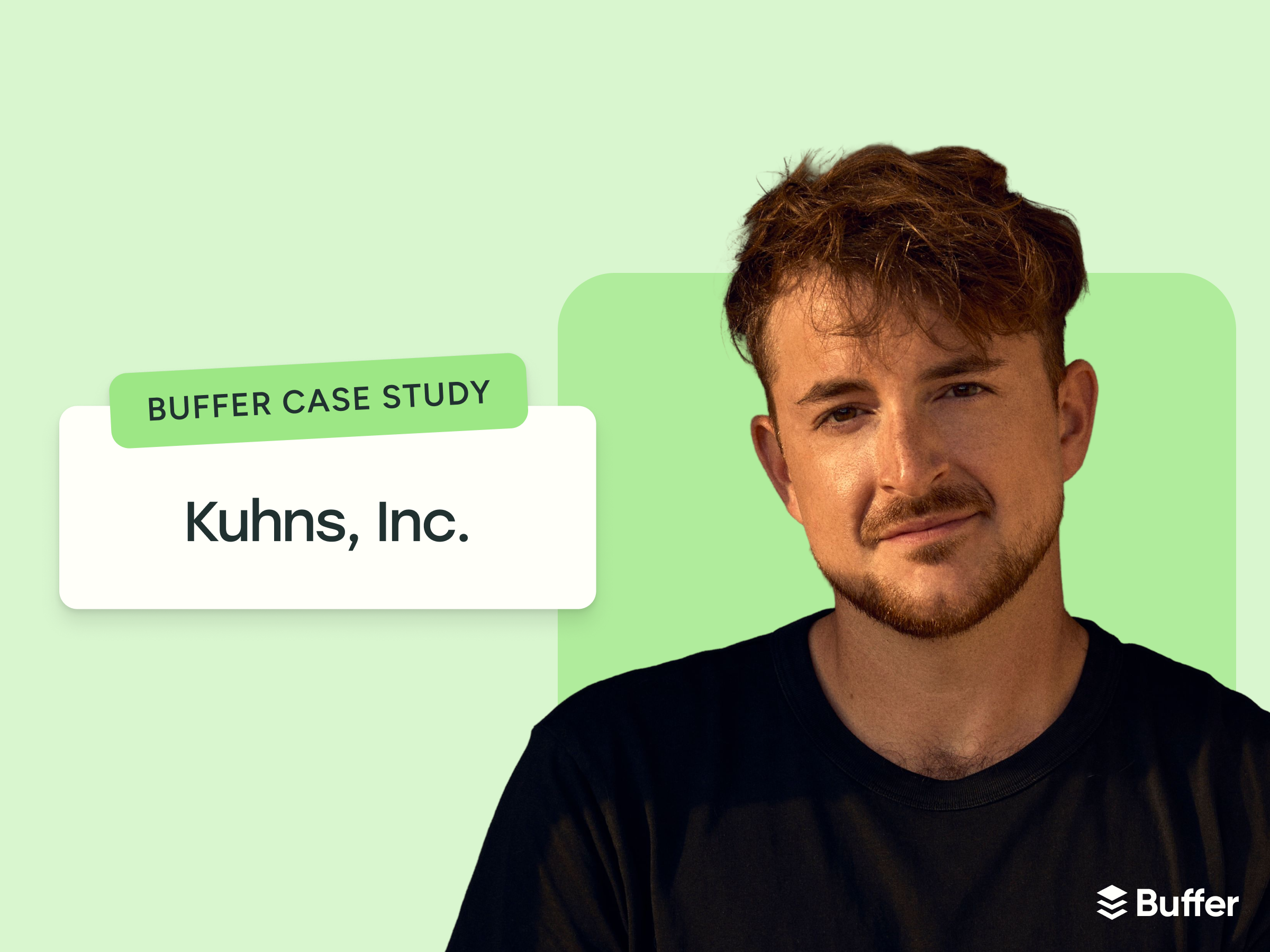
Dustin Kuhns, a distinguished consultant specializing in digital strategy for arts and culture organizations, has consistently leveraged Buffer since 2023 to orchestrate the complex "supply chain management" of content across more than 10 social media channels. His enduring commitment to the platform underscores a philosophy that prioritizes consistency, adaptable tools, and a nuanced integration of data with refined curatorial judgment, a blend proving indispensable in a rapidly evolving digital landscape.
Kuhns operates his consultancy from Quakertown, Pennsylvania, where he has carved out a unique niche that transcends the traditional definition of a social media manager. He describes his role as akin to logistics, focusing on what he terms "arts and culture supply chain management." This encompasses the intricate journey of content from initial leadership vision, through the creative development process, and finally to its strategic dissemination across diverse digital touchpoints—social media, email campaigns, website integration, and targeted advertising. His clientele is remarkably varied, ranging from agile teams of two or three individuals to established institutions, including religious nonprofits, dynamic film festivals, venerable historic theaters, and a spectrum of arts organizations. This diversity necessitates a flexible yet robust approach to content deployment, a requirement that Buffer has consistently met.
The Foundational Challenge: Bridging Creativity and Consistency
Early in his career, Kuhns identified a recurring impediment hindering the digital outreach of many cultural entities: not a deficiency in creative output, but rather a pervasive lack of consistency in their content delivery. "It wasn’t a stellar brand or better creative content that most of these organizations were missing," Kuhns observes. "It was consistency. And the thing they needed to be consistent was a tool that would grow with them, not dictate their workflows for them." This realization became a cornerstone of his professional ethos, driving his search for tools that empowered, rather than constrained, his clients’ unique operational rhythms.
Kuhns’s own background is deeply rooted in the arts. His formative years were spent immersed in church music, which evolved into producing shows for various bands. This creative foundation was augmented by several years in design and construction, before ultimately transitioning into communications. Today, he regularly curates fine art exhibitions, an experience he credits with sharpening his aesthetic sensibilities—a critical asset in his consultancy. "Clients come to me to feel confident about what they produce," he states, emphasizing the trust placed in his discerning eye. "They trust my taste." This blend of artistic insight and logistical acumen defines his value proposition.
Strategic Tool Selection: Focus Over Feature Bloat
For Kuhns, the decision to stick with Buffer as his business expanded was a pragmatic choice aligned with his core principles. He consciously favors tools that excel at a focused set of tasks over those that attempt to be all-encompassing, often at the expense of simplicity and workflow efficiency. "I’ll choose a tool that has 75% of what I need and find workarounds for the other 25% before I’ll use one that has 200% of what I need," he explains, highlighting his aversion to "extra capacity" that can impede rather than enhance productivity. This perspective resonates with a growing segment of the social media management industry, where users increasingly seek specialized solutions that integrate seamlessly into bespoke workflows, rather than monolithic platforms that impose rigid methodologies.
The social media management software market, valued at over $15 billion globally in 2023 and projected to grow significantly, offers a plethora of options. However, many tools, in their pursuit of market share, tend to pack an overwhelming array of features, from advanced AI content generation to complex CRM integrations. While appealing on paper, this often leads to steep learning curves and underutilized functionalities for specialized users like Kuhns. Buffer, by contrast, has historically maintained a reputation for intuitive design and a strong focus on core scheduling and publishing capabilities. This strategic minimalism has allowed it to adapt to diverse client needs, enabling Kuhns to tailor his approach without being bound by the tool’s limitations, thereby freeing his cognitive resources to focus on the specific priorities of each unique client.
The Evolution of Analytics: Buffer Insights as a Game Changer
While Buffer consistently delivered on its core promise, Kuhns previously sought external solutions for deeper social media analytics. This gap was comprehensively addressed with the introduction of Buffer Insights, the platform’s new integrated analytics, tracking, and reporting suite. Kuhns, an early adopter, quickly recognized its transformative potential.
Two features within Insights have particularly revolutionized his workflow. The first is the ability to view performance data from every connected social channel within a single, unified dashboard. For a consultant managing a dozen or more accounts across multiple platforms for various clients, this consolidated view is invaluable, drastically reducing the time and effort required for cross-platform reporting and comparative analysis. Before Insights, aggregating this data often involved manual extraction from individual platforms or reliance on disparate third-party tools, adding layers of complexity and potential for inconsistency.
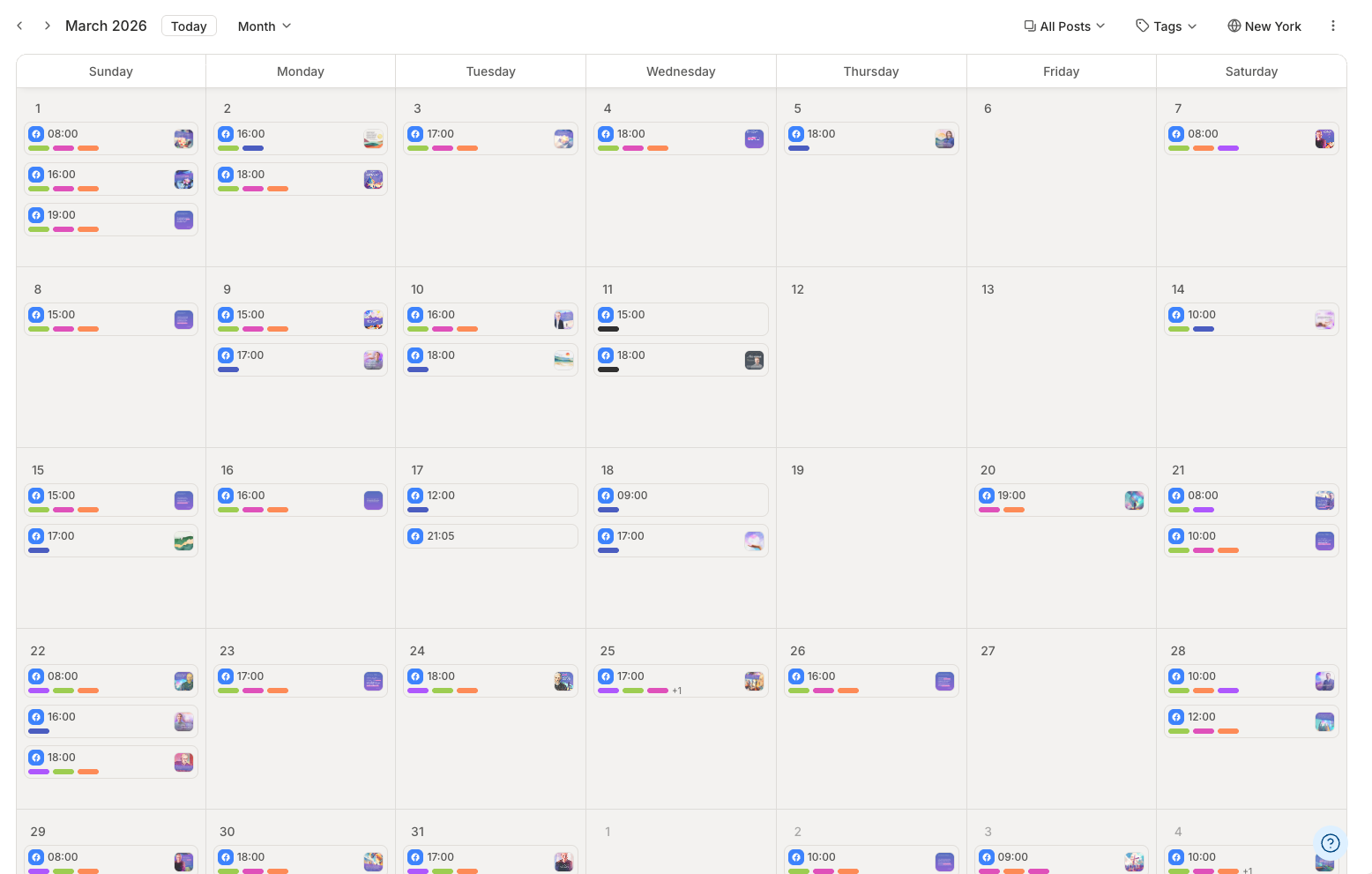
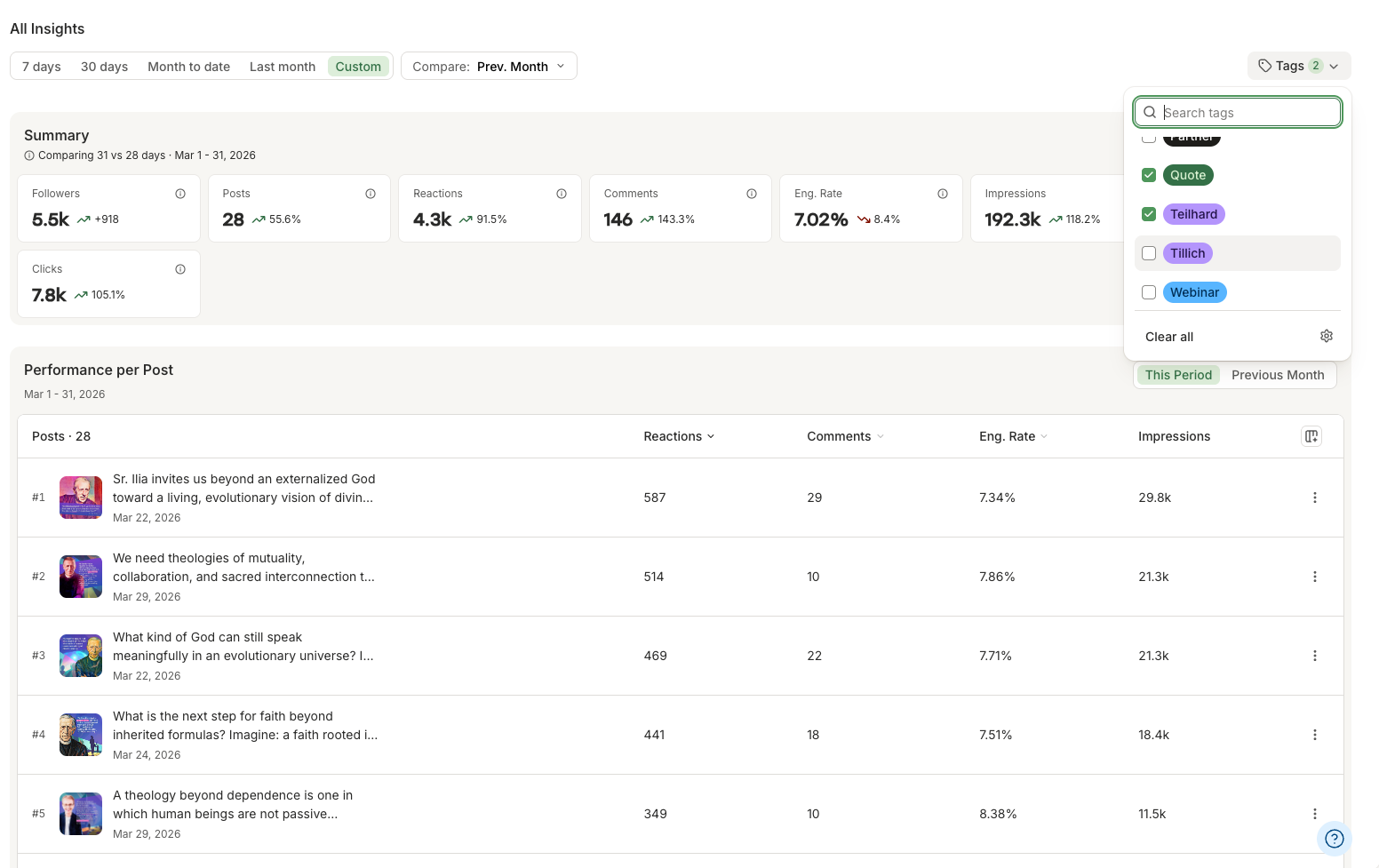
The second, and arguably most impactful, feature for Kuhns is the robust tagging system. Insights allows users to categorize posts using color-coded tags, which then feed directly into the analytics engine. This functionality enables Kuhns to group posts by campaign, thematic focus, specific subject matter, or even the type of content (e.g., "quote graphic," "event promotion," "artist spotlight"). By doing so, he can meticulously review the performance of each category over time, gaining granular insights into audience engagement patterns.
He cites an illustrative example involving a nonprofit client whose content strategy heavily revolved around influential ideas and quotes from experts. Kuhns designed a series of quote graphics featuring various writers and subjects, meticulously organizing them with distinct tags within Buffer. "In a matter of minutes, across a bunch of campaigns over a year, I can see how content from specific thinkers, on specific subjects, resonates with an audience and how that engagement changes," he elaborates. This level of segmentation allows for a sophisticated understanding of audience preferences that goes far beyond simple post-by-post metrics.
From Data to Strategic Action: Informing Broader Programming
The true value of these insights, however, lies not merely in their identification but in their application. Kuhns leverages this granular data to inform and recommend broader strategic adjustments to his clients. "These insights don’t just inform the social media," he explains. "I can go back and say, people really resonate with this, and that can shape the client’s programming." For instance, if data reveals high engagement with content featuring a particular thinker or subject, Kuhns might recommend that the client organize a webinar on that topic, dedicate a newsletter segment to it, or commission a blog post exploring it further. In this model, a social media tag transcends its organizational function, becoming a direct conduit for understanding audience sentiment, which in turn shapes the client’s overall strategic planning and subsequent content initiatives.
The Indispensable Element: Taste Guiding Data
While championing the analytical capabilities of Buffer Insights, Kuhns remains steadfast in his conviction that data alone is insufficient. "We need to see which things work best so we know what to focus on," he affirms, but quickly adds that the element most frequently overlooked is "taste."
He articulates a critical critique of contemporary social media practices: "Everyone’s critique of social media these days boils down to a central problem: taste never entered the conversation when we started using data to drive engagement at any cost." To illustrate this point, he offers the example of a religious nonprofit that could easily generate significant engagement by chasing controversy. While such content might garner numerous views and interactions, much of that engagement would likely be hostile or misaligned with the organization’s mission. "It’s engagement. It’s getting me the views. But does it further my client’s mission? Probably not." Here, the data clearly indicates what performs, but Kuhns’s expert judgment—his "taste"—is the filter that determines which of those high-performing results are genuinely worth pursuing. Insights, for Kuhns, is a powerful tool to understand audience response, enabling him to make informed decisions about future content, rather than blindly chasing fleeting trends or superficial engagement metrics.
This philosophy extends to Buffer’s cautious and considered approach to artificial intelligence. "The one thing I love about Buffer right now is that it’s the only platform I work with that isn’t shoving generative AI in my face," Kuhns notes. He understands that for many of his clients, particularly those in sensitive cultural or religious sectors, content generated by AI might be perceived as inauthentic or impersonal, potentially alienating their communities. Insights aligns with this principle, operating with an underlying intelligence that surfaces patterns and valuable observations without attempting to automate or replace the human voice and judgment critical to impactful communication.
A spokesperson for Buffer, speaking generally about the company’s product development philosophy, echoed this sentiment: "At Buffer, our core mission is to empower creators and organizations to build authentic connections online. Our approach to innovation, whether it’s through advanced analytics like Insights or the integration of emerging technologies like AI, is always centered on enhancing human capabilities, not replacing them. We believe the most effective digital strategies are those where technology serves as a powerful assistant to human creativity and strategic thinking, allowing our users to focus on what truly matters: their unique voice and their audience."
Broader Implications and the Future of Cultural Digital Engagement
Dustin Kuhns’s model offers a compelling blueprint for how arts and culture organizations, often resource-constrained, can navigate the complexities of digital outreach effectively. His emphasis on consistency, strategic tool selection, and the critical interplay of data and taste provides a roadmap for achieving meaningful engagement that aligns with organizational mission. The success of his approach underscores the growing need for specialized consultants who possess not only technical prowess in social media management but also deep industry-specific understanding and aesthetic discernment.
For the social media management software industry, Kuhns’s experience highlights the enduring value of focused, adaptable tools. In an era where feature creep is common, Buffer’s ability to evolve its core offerings—like the introduction of Insights—while maintaining its user-centric design principles, demonstrates a sustainable path for product development. The demand for sophisticated, yet intuitive, analytics will only intensify as organizations seek to move beyond vanity metrics to derive actionable intelligence from their digital activities. The ability to segment and analyze content performance by custom tags, as offered by Insights, represents a significant step towards more strategic and less reactive content creation.
Furthermore, the debate surrounding AI in content creation, particularly in sectors where authenticity and human connection are paramount, will continue to shape product development. Buffer’s measured integration of AI, focusing on intelligence that assists rather than dictates, aligns with a user base that values genuine communication. This approach could serve as a model for other platforms looking to introduce AI responsibly, respecting the nuanced needs of diverse user communities.
In conclusion, Dustin Kuhns exemplifies a modern digital strategist who deftly navigates the intersection of art, culture, and technology. His reliance on Buffer, particularly with the enhanced capabilities of Insights, showcases how a focused, adaptable tool, when paired with astute human judgment and a deep understanding of audience, can unlock profound strategic advantages. For creators, social media managers, and agency owners who, like Kuhns, trust their instincts as much as their metrics, Insights provides the granular data necessary to make informed decisions, ensuring that digital engagement is not merely high, but also meaningful and mission-aligned.
Buffer offers many of Insights’ powerful features on its free plan, making it accessible for individuals and small organizations to begin exploring its capabilities and applying a similar data-driven, taste-guided approach to their own digital channels.