 Angie Faith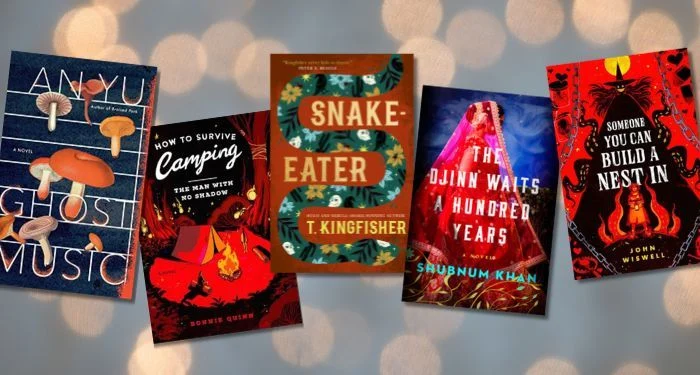
The literary landscape is witnessing the quiet, yet persistent, rise of a subgenre that balances the thrill of the macabre with a comforting embrace: cozy horror. While the term itself might seem paradoxical, it accurately describes a burgeoning category of fiction that eschews gratuitous gore and overwhelming dread in favor of atmospheric tension, mild scares, and often, a surprisingly hopeful or cathartic conclusion. At its core, cozy horror is defined by "vibes," a subjective yet palpable quality that blends unsettling elements with a sense of warmth, familiarity, and even charm. This makes precise classification a challenge, as the threshold for "too scary" varies significantly from reader to reader. However, the common threads of relatively low stakes, manageable scares, and a narrative that doesn’t delve into excessive darkness provide a foundational understanding for this captivating niche.

The concept of cozy horror resonates with a broader cultural understanding, often drawing parallels to beloved media that masterfully blend spooky themes with a lighthearted or family-friendly sensibility. Examples such as the whimsical witchcraft of Hocus Pocus, the quirky dread of Welcome to Nightvale, the gothic charm of The Addams Family, the mock-horror of What We Do in the Shadows, the dark fantasy of The Nightmare Before Christmas, and the eerie folklore of Over the Garden Wall all embody the spirit of this genre. Many classic Halloween tales, particularly those designed for wider audiences, also fall comfortably within this category, demonstrating a long-standing audience appetite for less terrifying, more palatable encounters with the supernatural and the unsettling. Thus, while readers of cozy horror may encounter spectral entities or monstrous creatures, the experience is intended to leave them with a sense of intrigue rather than lasting terror, perhaps requiring only a dim nightlight at most.
Defining the Boundaries of Cozy Horror
The defining characteristics of cozy horror can be distilled into three primary pillars: low stakes, mild scares, and a non-pervasive darkness. These criteria serve as the guiding principles for identifying and curating works within this subgenre. Unlike traditional horror that often features life-or-death struggles, existential threats, or profound psychological torment, cozy horror typically focuses on conflicts that, while unsettling, do not pose an insurmountable or utterly devastating risk to the protagonists. The "scares" are more about building atmosphere, creating moments of unease, or eliciting a shiver rather than inducing outright panic. This is achieved through subtle hints of the uncanny, ambiguous supernatural occurrences, or the presence of creatures that are more curious or mischievous than outright malevolent.

Furthermore, the thematic and tonal landscape of cozy horror deliberately avoids descending into nihilism or profound despair. While characters may face challenges and experience fear, the overarching narrative often maintains a sense of resilience, community, or even a nascent optimism. This often culminates in a resolution that, while perhaps not a perfectly "happy ever after," offers a sense of closure, acceptance, or personal growth for the characters. This is a crucial distinction from more intense horror, where endings can be bleak, ambiguous, or tragic, leaving the reader with a lingering sense of dread. The "cozy" aspect implies a certain level of comfort and safety, even within the context of supernatural or unsettling events, allowing readers to engage with fear in a controlled and ultimately reassuring manner.
Early Explorations and Defining Works
The recognition of "cozy horror" as a distinct subgenre has gained significant traction in recent years, driven by a growing body of literature that consciously embodies its tenets. One such foundational work often cited for its role in solidifying the genre’s identity is John Wiswell’s Someone You Can Build a Nest In. This novel, featuring a ravenous shapeshifter masquerading as a human who decides a kind-hearted woman would make the perfect co-parent, struck a chord with readers by expertly weaving together elements of horror and unexpected charm. The narrative’s ability to present a potentially terrifying creature within a framework of companionship and unconventional domesticity highlighted the unique appeal of cozy horror, prompting many to seek out more stories that offered a similar blend of the unsettling and the endearing.

Another significant contribution to the genre comes from An Yu’s Ghost Music. This novel delves into a more introspective and atmospheric form of unease, centered around a piano teacher in Beijing whose life takes an unusual turn with the arrival of mysterious mushrooms. The narrative unfolds with a subtle sense of mystery and burgeoning supernatural events, as the protagonist is drawn into the reclusive world of a former concert pianist. The story’s reliance on sensory details, psychological intrigue, and a gradually unfolding strangeness rather than overt threats exemplifies the nuanced approach to horror found in the cozy subgenre.
A Spectrum of Supernatural Encounters
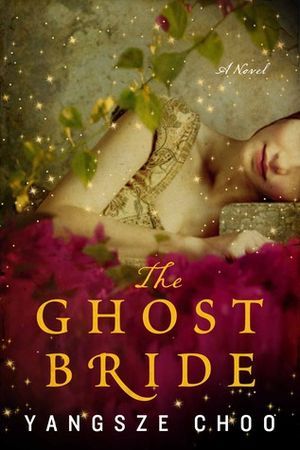
The breadth of the cozy horror genre is evident in the diverse array of narratives that fall under its umbrella. Yangsze Choo’s The Ghost Bride offers a compelling blend of historical fiction and supernatural elements. Set in colonial Malaya, the story follows Li Lan, who is presented with a startling proposition: to become the spectral bride of a deceased young man from a powerful family. This arrangement entails a life of ritualistic mourning, a prospect Li Lan finds deeply unappealing. However, her circumstances, coupled with an unexpected attraction to the deceased’s handsome second son, draw her into a world of nightly hauntings and a journey into the Chinese afterlife. The novel explores themes of duty, societal expectations, and the allure of the supernatural, all while maintaining a narrative tone that is more enchanting and mysterious than terrifying. The intricate world-building and exploration of ghostly hierarchies provide a rich tapestry of the uncanny without resorting to graphic violence or overwhelming dread.
T. Kingfisher’s Snake-Eater presents a different facet of cozy horror, blending elements of folklore, mystery, and a touch of domestic unease. The protagonist, Selena, flees to a desert town seeking refuge with her aunt, only to discover her aunt has passed away and left her an inheritance filled with scorpions. As Selena navigates her new surroundings, she finds unexpected support from her neighbors, who offer advice on dealing with the local fauna. However, the seemingly idyllic setting soon reveals a darker undercurrent. Apparitions, unexplained attacks by birds, and a palpable sense of lingering anger suggest that Selena’s aunt left behind more than just property. The narrative masterfully builds tension through atmospheric descriptions and the escalating strangeness of the events, creating a sense of foreboding that is tempered by the warmth of community and the protagonist’s resilience. The presence of an elderly neighbor and a local priest as allies further reinforces the comforting aspect of the story, even as the supernatural threat looms.
Shubnum Khan’s The Djinn Waits A Hundred Years transports readers to a crumbling estate off the coast of South Africa, a place steeped in dangerous secrets and spectral presences. Sana, a new tenant, becomes entangled in the estate’s dark history, uncovering a diary that details the tragic tale of Meena, the original owner’s second wife. The estate, Akbar Manzil, is not merely haunted by memories but by a djinn who has lingered since Meena’s untimely death. The narrative skillfully balances the uncovering of a historical mystery with the immediate threat posed by the supernatural entity. The story’s exploration of past traumas and enduring curses, set against the backdrop of a decaying mansion, creates an atmosphere of gothic intrigue. The djinn, while a source of peril, also serves as a catalyst for unraveling the estate’s buried truths, adding a layer of narrative depth beyond simple scares.

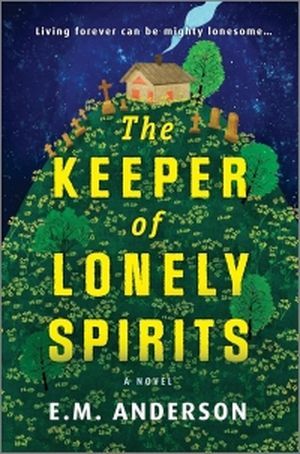
E.M. Anderson’s The Keeper of Lonely Spirits offers a poignant exploration of immortality and the yearning for connection, framed within the cozy horror subgenre. The protagonist, an immortal ghost hunter weary of his eternal existence, finds himself in Harrington, Ohio, pursuing a vengeful spirit. His mission, however, becomes complicated as he becomes drawn to the local community, particularly a widowed museum curator. For the first time in centuries, he begins to contemplate the value of life and the possibility of finding solace in human connection. Yet, his immortality, a source of both power and profound loneliness, presents an insurmountable obstacle: everyone he cares for will eventually die. The novel grapples with themes of loss, mortality, and the bittersweet nature of forming attachments when faced with an unending existence, all within a narrative that prioritizes emotional resonance over visceral terror.
The Interplay of Comedy and the Uncanny
Comedy and cozy horror often share a symbiotic relationship, with humor serving to disarm the audience and enhance the unsettling elements through contrast. Bonnie Quinn’s How to Survive Camping series exemplifies this fusion, often described as a blend of Buffy the Vampire Slayer and Welcome to Nightvale. The series follows camp director Kate as she strives to protect the inhabitants of Goat Valley Campground from the various creatures that consider the area their feeding ground. The narrative is infused with witty dialogue, quirky characters, and a practical, albeit often humorous, approach to dealing with supernatural threats. Kate’s family legacy of safeguarding the land provides a grounding element, offering practical advice for survival, such as "don’t follow the lights" and "never, ever, say no to the man with no shadow if he offers you a drink from his cup." This blend of practical survival tips, dark humor, and fantastical creatures makes for an engaging and decidedly cozy horror experience.

Rachel Harrison’s Cackle also navigates the intersection of friendship and the supernatural with a darkly comedic edge. The story centers on Annie, who, after a difficult breakup, finds an unlikely confidante in Sophie, the town’s resident witch. Sophie is fiercely independent and has little patience for Annie’s pining, possessing a temper that has made her an object of apprehension for the townsfolk. The narrative explores the dynamics of their burgeoning friendship, questioning whether Sophie’s perceived danger outweighs the genuine connection she offers Annie. The story plays with the trope of the witch, reframing her potentially menacing nature within a context of female solidarity and personal empowerment. The humor arises from the characters’ interactions and Annie’s internal struggles, as she grapples with societal perceptions and her own desires for companionship.
Emerging Narratives and Future Directions
The genre continues to expand with new releases that push its boundaries and explore its multifaceted nature. E.M. Anderson’s The Lord of the Wood, pitched as a blend of TJ Klune and T. Kingfisher, presents a compelling narrative of siblings Arthur and Charlotte, who live near a forest that claimed their father years ago. The forest, while dangerous, also holds allure and opportunity. Arthur’s journey into the woods to earn money leads to his disappearance, prompting his sister Charlotte to embark on a rescue mission. As they venture deeper, they are forced to confront their buried hopes and fears, interacting with the enigmatic Lord of the Wood who presides over the forest. This story highlights the potential for deep emotional exploration within a framework of supernatural mystery and adventure, further solidifying the genre’s capacity for character-driven narratives that are both unsettling and cathartic.
The growing popularity of cozy horror indicates a sustained audience interest in narratives that offer a nuanced approach to fear. As more authors explore this subgenre, it is likely to diversify further, incorporating a wider range of folklore, mythological elements, and thematic concerns. The key will remain the delicate balance between evoking a sense of unease and providing a comforting or ultimately satisfying reading experience, ensuring that the "horror" remains accessible and the "cozy" genuinely felt. The continued success of these titles suggests that readers are actively seeking out stories that allow them to engage with the darker aspects of imagination without sacrificing emotional warmth and a sense of hopeful resolution.
The proliferation of works that fit the cozy horror mold, from stories of spectral brides and haunted estates to tales of witches and enigmatic forest lords, points to a significant and evolving literary trend. As readers increasingly seek out comfort and catharsis alongside mild thrills, the appeal of cozy horror is poised to continue its upward trajectory, offering a unique and valuable space within the broader spectrum of speculative fiction.