Ali Ikhwan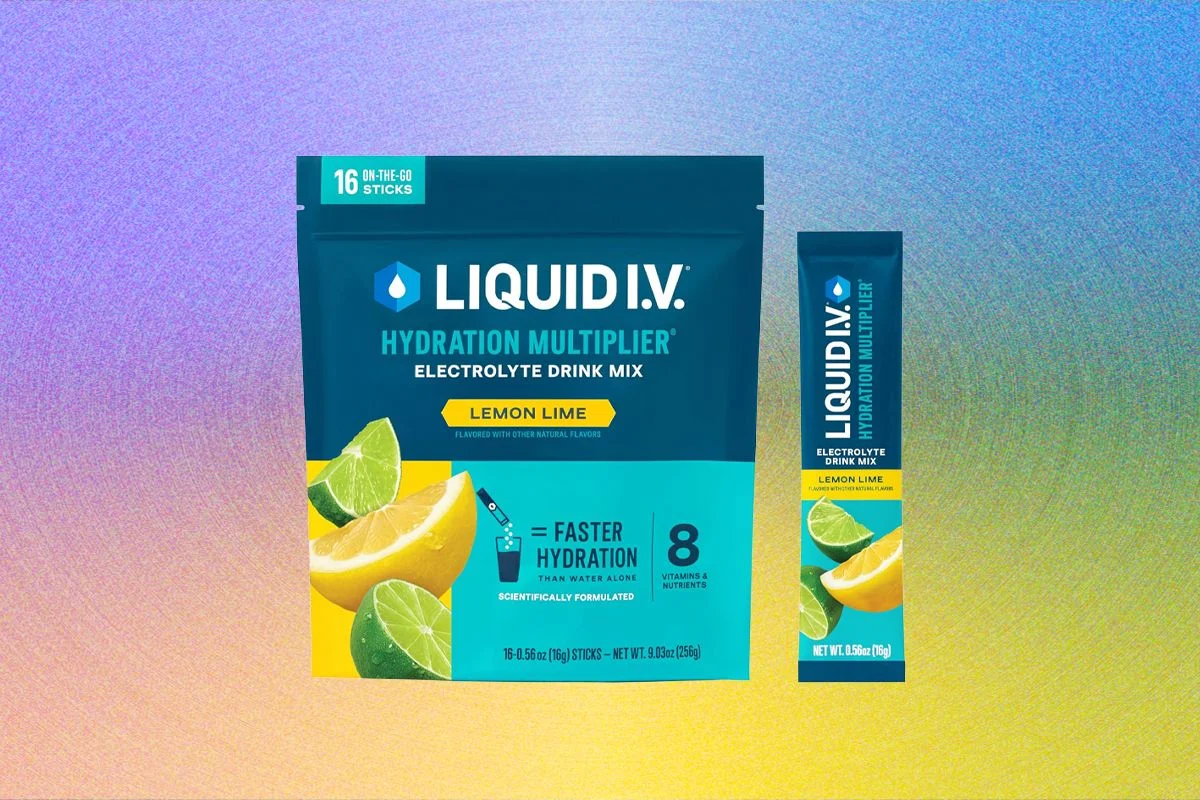
The global electrolyte hydration market has undergone a significant transformation over the last decade, evolving from simple neon-colored sports drinks to sophisticated, science-backed powders tailored to specific physiological needs. As of 2024, the industry is defined by a diverse array of offerings that cater to everyone from elite marathon runners to individuals recovering from illness or dehydration. Determining the optimal electrolyte supplement requires an understanding of the balance between sodium, potassium, magnesium, and glucose, as the "best" option remains entirely dependent on the user’s activity level, climate, and metabolic state.
The State of the Hydration Industry and Core Findings
Modern hydration science emphasizes that water alone is often insufficient for maintaining homeostasis during periods of heavy exertion or fluid loss. Electrolytes—minerals that carry an electric charge—are essential for muscle contraction, nerve signaling, and maintaining fluid balance within cells. Leading research indicates that the presence of sodium and small amounts of glucose can accelerate water absorption in the small intestine through a mechanism known as the sodium-glucose cotransport system.
In a comprehensive market analysis and testing period conducted through July 2024, several products emerged as leaders in their respective categories. Liquid I.V. remains the most versatile option for general use, while brands like Skratch Labs and LMNT have carved out niches for high-performance athletes and those requiring high-sodium intake, respectively. The testing methodology involved evaluating products based on ingredient concentration, solubility, flavor profiles, and the absence of artificial additives.
Chronology of the Hydration Supplement Evolution
The history of electrolyte supplementation can be traced back to the development of the first oral rehydration salts (ORS) by the World Health Organization (WHO) in the 1960s, primarily designed to combat life-threatening dehydration in clinical settings.
- 1965–1970s: The birth of the modern sports drink, popularized by the University of Florida’s development of Gatorade.
- 1990s–2000s: The market expanded into mass-market retail, with a focus on high-sugar, high-calorie beverages.
- 2012–2018: The "Clean Label" movement began. Brands like Liquid I.V. and Nuun entered the market, focusing on powder formats, reduced plastic waste, and more targeted delivery systems.
- 2020–2024: The emergence of specialized "bio-hacking" supplements. High-sodium formulations (LMNT) and adaptogen-infused powders (IQBar) gained traction among wellness enthusiasts and endurance athletes.
Analysis of Top-Performing Electrolyte Supplements
Liquid I.V. Hydration Multiplier: The Industry Standard
Liquid I.V. has secured its position as the market leader by utilizing Cellular Transport Technology (CTT). This specific ratio of sodium, potassium, and glucose is designed to enhance rapid water absorption. Testing confirms that its wide array of flavors and convenient stick-pack format make it the most accessible choice for daily hydration. While it contains 11 grams of sugar per serving, medical experts note that this glucose is functional rather than purely for flavor, as it facilitates the transport of water across the intestinal lining.

Skratch Labs: The Athlete’s Choice
For high-intensity training, Skratch Labs offers a Hydration Sport Drink Mix that prioritizes carbohydrate replenishment alongside electrolyte replacement. Unlike general-use powders, Skratch Labs contains higher calorie counts (approximately 80 calories per serving) to provide the energy necessary for sustained aerobic activity. This product is specifically formulated for those who lose significant salt through sweat, making it a staple for cyclists and long-distance runners.
LMNT: The High-Sodium Alternative
A polarizing yet popular entry in the market is LMNT, which contains 1,000 milligrams of sodium per packet—nearly half of the daily recommended limit for a sedentary adult. The brand operates on the philosophy that the current WHO guidelines for sodium are too restrictive for active individuals. While clinical experts warn that such high concentrations can be detrimental to those with hypertension, LMNT has found a dedicated following among those on ketogenic diets and heavy "salty sweaters."
Specialized Delivery Systems: SaltStick and Buoy
Innovation in the sector has also led to non-powder formats. SaltStick’s Electrolyte FastChews provide immediate absorption through the buccal mucosa (the lining of the mouth), which is advantageous for athletes who cannot easily consume large volumes of liquid during a race. Conversely, Buoy has introduced unflavored, highly concentrated liquid drops that can be added to any beverage, appealing to consumers who wish to avoid the sweetness or artificial dyes found in traditional mixes.
Supporting Data: Nutritional Benchmarks and Guidelines
To understand the efficacy of these supplements, one must look at the data provided by the American College of Sports Medicine (ACSM) and the WHO.
- Sodium: The WHO recommends a daily limit of 2,300 mg for general health. However, an athlete can lose between 500 mg and 2,000 mg of sodium per liter of sweat.
- Glucose: The optimal ratio for rehydration is roughly 2:1 (sodium to glucose). Overly sugary drinks (above 10% carbohydrate solution) can actually slow gastric emptying and cause stomach distress.
- Magnesium and Potassium: Essential for preventing muscle cramps. Most powders provide 10% to 20% of the Daily Value (DV) to avoid the laxative effects associated with high magnesium intake.
| Product | Sodium (mg) | Sugar (g) | Calories | Best For |
|---|---|---|---|---|
| Liquid I.V. | 500 | 11 | 45 | General Daily Use |
| Skratch Labs | 380 | 19 | 80 | Endurance Sports |
| LMNT | 1,000 | 0 | 10 | Keto/High Sweat |
| Electrolit | 280 | 13 | 50 | Recovery/Illness |
| SaltStick | 100 | 2 | 10 | On-the-go/Racing |
Expert Testimony and Medical Perspectives
Professional dietitians and medical doctors emphasize that while these supplements are effective, they are not a replacement for plain water in every scenario. Amy Brownstein, RDN at MyNetDiary, notes that "most people consume sufficient sodium through their diet. If you aren’t depleting those stores through intense exercise, a high-sodium powder could contribute to elevated blood pressure."
Dr. Hallie Zwibel, Director of the Center for Sports Medicine at the New York Institute of Technology, warns against the overconsumption of high-sugar variants. "Repeatedly consuming high-sugar beverages can lead to insulin resistance and weight gain," Zwibel stated. He suggests the "3H Method"—reaching for electrolytes only if you are active for an Hour or more, in Hot conditions, or working Hard enough to sweat profusely.

Furthermore, pediatricians like Dr. Heather Gosnell advise that for children and those with kidney conditions, electrolyte supplements should only be used under medical supervision, as the mineral balance in these populations is significantly more sensitive.
Broader Impact and Market Implications
The surge in electrolyte popularity reflects a broader shift in consumer behavior toward "functional wellness." Hydration is no longer viewed as a passive act but as a performance-enhancing strategy. This has led to the "premiumization" of the category, where consumers are willing to pay $1.50 to $2.00 per serving for powders that promise cognitive benefits (via lion’s mane mushrooms in IQMix) or sustained energy (via caffeine in Klar).
However, the environmental impact of single-use plastic sachets remains a concern for the industry. Many brands are now exploring bulk tub options and biodegradable packaging to mitigate their carbon footprint. Additionally, the rise of third-party testing for heavy metals and microplastics (as seen with Buoy) indicates that transparency is becoming a key competitive advantage in the supplement space.
Conclusion and Future Outlook
The electrolyte market in 2024 is defined by precision. The era of the "one-size-fits-all" sports drink is ending, replaced by a nuanced landscape where consumers can calibrate their intake based on real-time data from fitness trackers and sweat tests. As the industry moves forward, we can expect further integration of adaptogens and nootropics into hydration formulas, blurring the lines between sports nutrition and cognitive health. For the average consumer, the most effective strategy remains balance: utilizing these potent tools during periods of high demand while relying on a nutrient-dense diet and plain water for the baseline of daily life.