
 Ali Ikhwan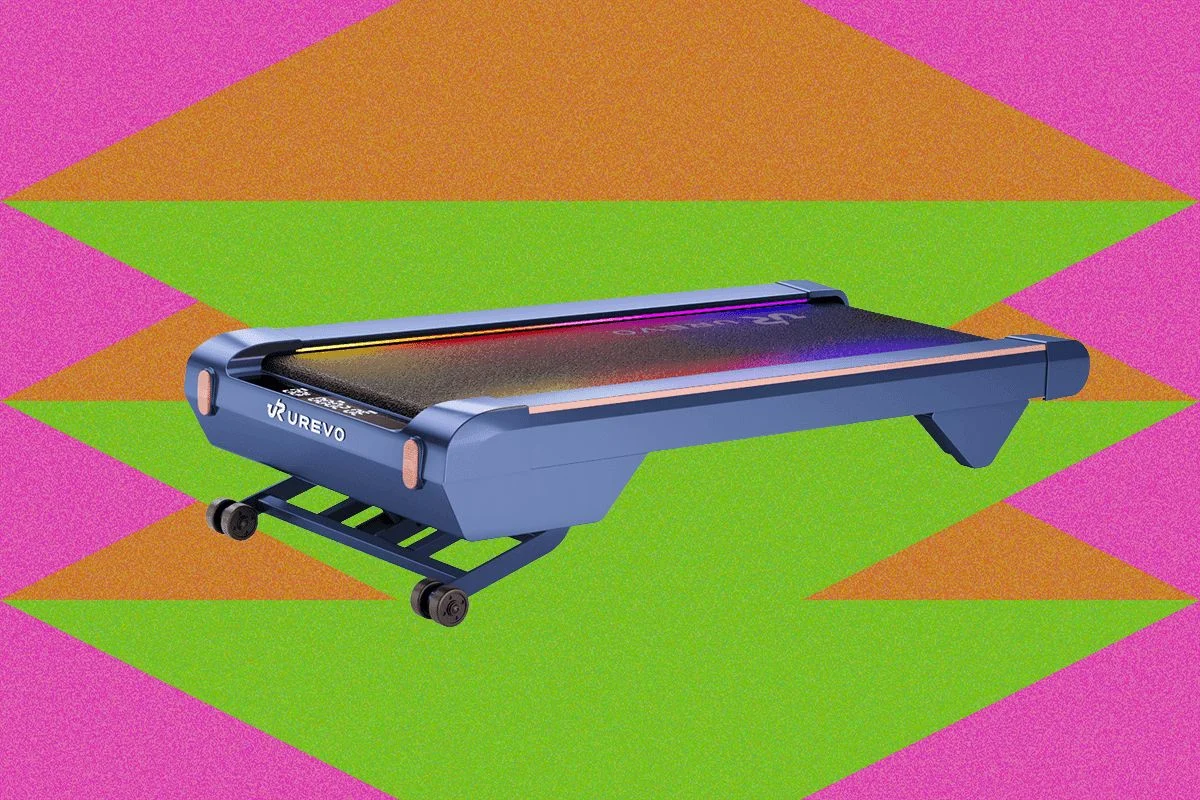
The transition to remote work has fundamentally altered the domestic landscape, turning living rooms into offices and bedrooms into boardrooms. While the flexibility of working from home offers numerous advantages, it has also exacerbated a silent health crisis: sedentary behavior. Prolonged sitting is increasingly recognized by health professionals as a significant contributor to poor posture, cardiovascular decline, and diminished mental well-being. In response, a specialized market for "active workstations" has emerged, led by the rise of the walking pad—a slim, often portable alternative to the traditional, bulky treadmill. Unlike their gym-sized counterparts, these machines are designed to fit under standing desks, allowing users to integrate physical activity into their professional routines without leaving their screens.
The Evolution of the Active Workstation
The "sitting is the new smoking" narrative has gained scientific backing over the last decade. Research from the Centers for Disease Control and Prevention (CDC) suggests that nearly one in four American adults sits for more than eight hours a day. This inactivity leads to what ergonomic experts call the "keyboard gargoyle" effect—a state of chronic hunching that strains the cervical spine and weakens the core.
Walking pads represent a technological pivot toward "NEAT" (Non-Exercise Activity Thermogenesis), which encompasses the energy expended for everything we do that is not sleeping, eating, or sports-like exercise. By maintaining a slow, steady pace of 1.0 to 2.5 miles per hour (mph) while answering emails or attending virtual meetings, workers can significantly increase their daily caloric expenditure and improve glucose metabolism.
Comprehensive Product Analysis: Top Performers in Testing
Following rigorous evaluation by remote testing teams, several models have emerged as industry leaders based on durability, noise levels, storage capabilities, and integrated technology.

Best Overall: Urevo CyberPad for Home
The Urevo CyberPad distinguishes itself through its advanced mechanical capabilities, most notably its 14-percent incline range. While most walking pads are restricted to flat surfaces, the CyberPad’s ability to simulate steep terrain allows for higher-intensity cardiovascular engagement and targeted lower-body muscle toning.
Technical Specifications and Performance:
- Weight: 71 pounds.
- Speed Ceiling: 4 mph.
- Incline: Up to level nine (14-percent grade).
- Control Systems: Bluetooth remote and integrated smartphone application.
Testing indicates that the machine is remarkably stable underfoot, providing a "gym-quality" feel despite its compact footprint. However, its sophisticated incline mechanism adds height to the unit, making it less suitable for storage under low-profile furniture like sofas. The accompanying app serves as a digital ledger, logging step counts and workout duration to provide a long-term view of fitness progress.
Best Foldable Design: WalkingPad C2
For users operating in constrained urban environments or small apartments, the WalkingPad C2 offers a unique structural solution. Measuring 57 inches when fully extended, the device utilizes a patented folding mechanism that reduces its length to 32.5 inches for storage.
Operational Highlights:

- Storage Height: 5.4 inches when folded.
- Interface: Large LED display showing time, speed, distance, and calories.
- Adaptive Technology: Sensors under the belt can auto-adjust speed based on the user’s pace.
While the folding capability is a significant logistical advantage, testers noted that the KS Fit companion app can be inconsistent. Connectivity issues with the Bluetooth remote were also observed, suggesting that the hardware’s physical design currently outpaces its software integration.
Most Versatile: Urevo Strol 2S Pro
Bridging the gap between a walking pad and a traditional treadmill, the Urevo Strol 2S Pro features a foldable handrail. When the rail is lowered, the machine functions as an under-desk walker with a 4 mph limit. When the rail is raised and secured with a hex tool, it unlocks speeds up to 7.6 mph, allowing for light jogging and running.
Key Features:
- Hybrid Functionality: Dual-mode operation for walking or running.
- Incline: 9-percent grade.
- User Experience: Intuitive app synchronization and a quiet motor that minimizes disruptions during professional calls.
Quietest Operation: Flexispot Auto Incline Walking Treadmill
In professional environments where audio clarity is paramount, the Flexispot Auto Incline model leads the market. Its motor is engineered for low-decibel output, ensuring that the sound of the moving belt does not interfere with microphones or household quietude.
Distinctive Characteristics:
-Front-Full-Reviewer-Photo-SOURCE-Adrienne-So.png)
- Incline: 12-percent grade.
- Setup: Near-instantaneous out-of-the-box readiness.
- Audio Integration: Built-in speakers allow users to stream music or podcasts directly from their devices.
Safety Recalls and Regulatory Oversight
As the popularity of home fitness equipment has surged, so has the scrutiny from federal safety regulators. In July 2026, the U.S. Consumer Product Safety Commission (CPSC) issued a critical warning regarding several models manufactured by Sperax.
The CPSC reported that Sperax walking pads, specifically the Pro, Q1, RM-01, and RM-02 models, pose significant fall and fire hazards. Documentation provided by the commission indicates that these machines may undergo unexpected speed fluctuations or come to abrupt stops, leading to user injury. Furthermore, reports of overheating have raised concerns regarding potential fire risks in residential settings. Consequently, industry experts recommend avoiding this brand entirely until these systemic mechanical failures are addressed and verified by third-party safety auditors.
The Testing Methodology
To provide objective consumer guidance, products were evaluated over a minimum two-week period. Testing protocols focused on:
- Ergonomics: How the belt cushioning impacts joint health during sessions exceeding 60 minutes.
- Productivity Impact: The ease of typing and maintaining focal stability on a monitor while walking at various speeds.
- Acoustics: Decibel measurements taken at ear level to simulate the experience of a colleague on the other end of a video conference.
- Durability: Assessment of motor heat and belt alignment after cumulative use of over 40 hours.
Market Trends and Economic Implications
The global treadmill market, which includes the burgeoning "under-desk" sub-sector, is projected to continue its upward trajectory through the late 2020s. This growth is driven not only by individual consumers but also by corporate wellness programs. Forward-thinking companies are increasingly offering stipends for ergonomic equipment, recognizing that active employees are often more productive and have lower healthcare-related absenteeism.
The price points for these devices vary significantly, reflecting their feature sets. Entry-level models, such as the Toputure TP6, are available for approximately $230, providing basic functionality for budget-conscious buyers. Conversely, high-end units like the NordicTrack Commercial 1750, which retails for $2,500, offer integrated touchscreens and advanced coaching software, though they lack the space-saving benefits of dedicated walking pads.
-Reviewer-Photo-SOURCE-Adrienne-So.jpg)
Critical Buying Considerations: A Guide for Consumers
Prospective buyers must evaluate several technical factors before committing to a purchase:
Weight Capacity and Belt Dimensions
Walking pads generally have lower weight capacities than commercial treadmills, typically maxing out between 220 and 300 pounds. Additionally, taller users with longer strides should prioritize models with a track length of at least 45 inches to ensure safety and comfort.
Storage Logistics
The "portability" of a walking pad is often relative. While many include wheels, a 71-pound machine remains difficult to move daily. Consumers should measure the clearance under their intended storage furniture, keeping in mind that incline-capable models are often thicker.
Integration with Wearable Tech
For many users, the primary motivation for using a walking pad is "closing rings" or hitting step goals on fitness trackers. Not all walking pad apps sync seamlessly with Apple Health or Google Fit. In cases where software integration is poor, users may need to rely on the machine’s onboard LED display or a separate wearable device.
Conclusion: The Broader Impact on Public Health
The integration of walking pads into the home office is more than a fitness trend; it is a structural response to the changing nature of work. By breaking the cycle of static sitting, these machines offer a practical path to improved metabolic health and mental clarity. As technology continues to refine the balance between motor power and noise suppression, the walking pad is likely to become as standard in the modern home office as the ergonomic chair or the dual-monitor setup. However, consumers must remain vigilant, prioritizing safety certifications and proven mechanical reliability over low-cost, unverified alternatives.







